Special Museum Events: Late Hours, Performances, and Programs You Can't Miss
Most people think of museums as quiet places with glass cases and hushed voices. But if you’ve ever walked past a museum after dark and seen lights on, music drifting out, or people lining up with drinks in hand-you know there’s something else going on. Museums aren’t just storing history anymore. They’re bringing it to life, especially during special events designed for adults, families, and curious minds who want more than a self-guided tour.
Why Museums Stay Open Late
Many museums now offer extended hours on select nights, often once a week. In Portland, the Portland Art Museum opens until 9 p.m. every Friday. It’s not just about being open longer-it’s about changing the whole experience. Lighting dims, music plays softly, and staff shift from guides to hosts. You’re not just looking at art; you’re in it. These late hours attract people who work weekdays, parents with young kids, or anyone who finds daytime visits too crowded or too rushed. A 2024 survey by the American Alliance of Museums found that 68% of visitors who attended evening events said they wouldn’t have come during regular hours. That’s not a coincidence. It’s strategy.
Live Performances Inside Galleries
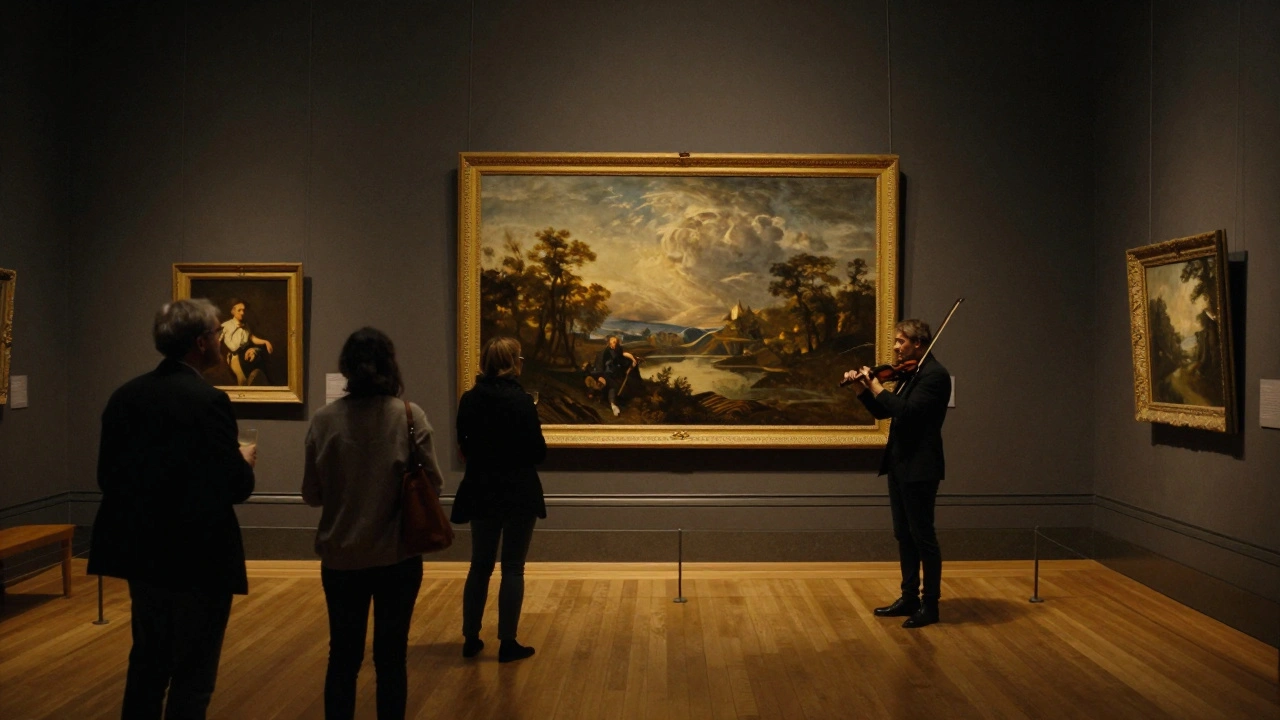
Imagine standing in front of a 19th-century landscape painting, and suddenly a violinist starts playing a piece from that same era. Or watching a dancer move through a modern sculpture exhibit, their movements echoing the shapes on the walls. That’s not fantasy-it’s happening at museums across the country. The Getty Center in Los Angeles started its Art & Music series in 2023, pairing live musicians with specific artworks. Each performance lasts 20 minutes and happens right in the gallery. No stage. No barrier. Just you, the art, and the sound.
Chicago’s Art Institute does something similar with spoken word poets who respond to Civil War-era portraits. In New York, the Museum of Modern Art has hosted silent disco nights where visitors wear headphones and dance among Warhol’s soup cans. These aren’t gimmicks. They’re ways to make art feel immediate, personal, and emotional. You don’t just learn about history-you feel it.
Themed Programs That Go Beyond Exhibits
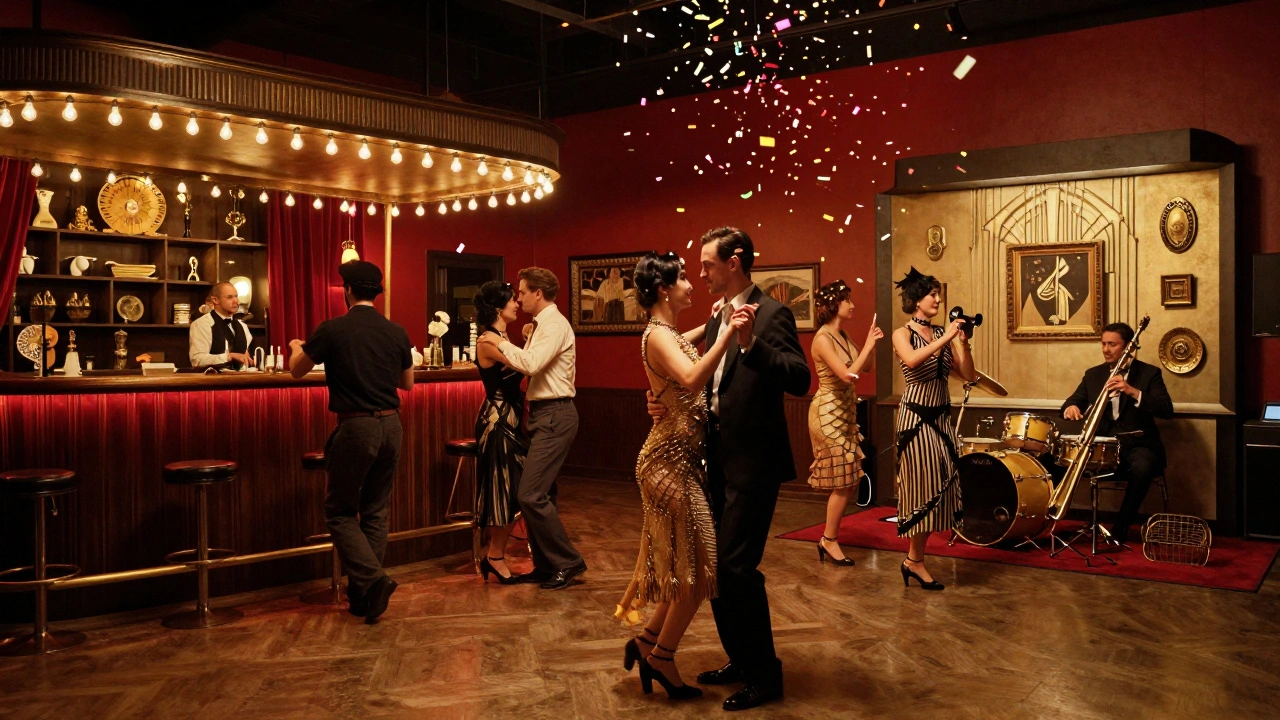
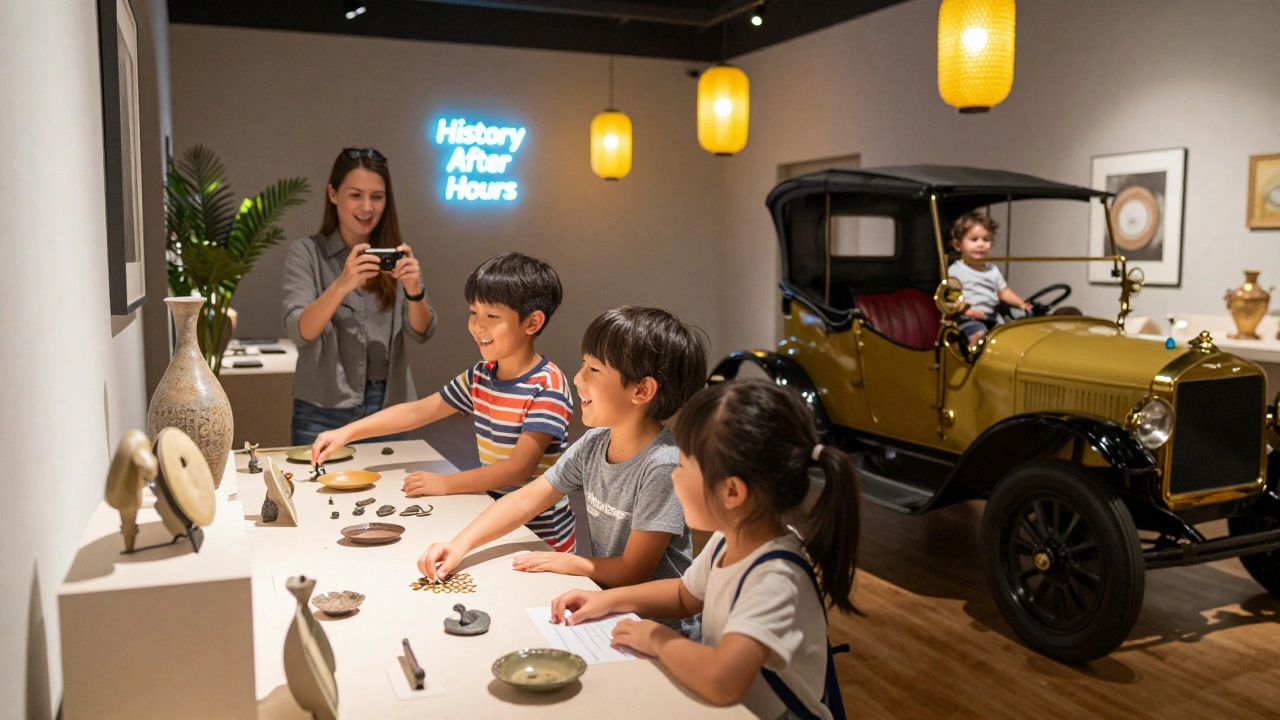
Some museums have turned their events into full-blown experiences. The Smithsonian’s National Museum of American History runs History After Hours, where each month focuses on a different theme-like 1920s Speakeasy or Space Race Countdown. Visitors get period-appropriate cocktails, listen to jazz bands, and try on replica clothing. At the Henry Ford Museum in Michigan, they’ve turned a single exhibit on early automobiles into a full evening of storytelling: mechanics demonstrate how engines worked, historians recount personal stories of early drivers, and kids get to sit in a 1912 Model T.
These aren’t just parties. They’re immersive learning. A 2025 study from the University of Michigan found that participants in themed museum programs retained 40% more information than those who visited standard exhibits. Why? Because when you’re tasting a 1940s recipe, hearing a soldier’s letter read aloud, or trying to thread a needle like a textile worker from 1890, your brain doesn’t just file facts-it builds memories.
Who These Events Are Really For
These events aren’t just for art lovers or history buffs. They’re for anyone who’s ever felt overwhelmed by the idea of a museum. Parents with toddlers? Many museums now offer Family Night with hands-on activities, quiet zones, and snack stations. College students? Look for discounted student nights with free drinks and live DJs. Remote workers? Some museums now host Work & Wander nights-bring your laptop, grab a coffee, and work surrounded by art. The San Francisco Museum of Modern Art started this in late 2024, and attendance jumped 37% in the first three months.
Even people who say they’re “not into museums” show up. One visitor in Seattle told a reporter, “I came for the cocktails. I stayed because I didn’t realize I could touch the art.” That’s the magic. These events break down the invisible wall between viewer and artifact.
How to Find These Events Near You
Don’t wait for your museum to send you an email. Most don’t. You have to hunt. Start with their website-look for tabs labeled “Events,” “After Hours,” or “Community.” Many now have dedicated pages for evening programs. Sign up for their newsletter. Some museums, like the Brooklyn Museum, even have a separate email list just for late-night events.
Check local event calendars. Sites like Eventbrite, Meetup, and local arts councils often list museum nights. In Portland, the Portland Art Museum and Oregon Historical Society both list events on the city’s official events portal. If you’re traveling, Google “[City] museum night events” and add the year-like “2026.” Many museums update their calendars early in the year.
Pro tip: Some events sell out fast. The Boston Museum of Fine Arts sells 1,200 tickets for its monthly Art After Hours in under 12 minutes. Set a reminder. Mark your calendar. Don’t assume you’ll get in.
What to Expect When You Go
Here’s what actually happens when you walk in:
- You’ll probably pay less-many late events cost $10 or less, sometimes free with membership.
- There will be food and drinks. Sometimes simple snacks, sometimes full bars. Cash is still king at some places.
- Lines form. Not for tickets-for the interactive stations. The most popular ones? Painting stations, artifact handling tables, and photo ops with costumes.
- It’s not quiet. Music, laughter, and chatter are normal. If you came for silence, go midday.
- Staff are there to talk. Don’t be shy. Ask why that painting was controversial. Ask how the artifact was found. Most museum workers love this part of their job.
Why This Matters Beyond Fun
Museums are changing because they have to. Attendance dropped sharply after 2020. Many feared they’d become relics. But the ones that survived-and thrived-are the ones that stopped asking people to sit still and started asking them to feel something. Late hours, performances, and themed programs aren’t just about filling seats. They’re about making museums relevant again. They’re turning institutions into living spaces where culture isn’t preserved behind glass-it’s shared, felt, and remembered.
If you’ve ever thought museums were boring, try one of these nights. You might be surprised. And if you’ve been once? Go again. The next event might be even better.
Are museum late hours free?
Not always. Many museums charge a reduced fee for evening events-usually between $5 and $15. Some offer free admission during certain hours, especially for members or on specific nights like First Friday. Always check the museum’s website before you go.
Can I bring my kids to museum night events?
It depends. Some events are adults-only, especially if alcohol is served. But many museums now offer family-friendly nights with activities designed for children. Look for keywords like "Family Night," "Kids’ After Hours," or "All Ages" in the event description. Always read the age guidelines before buying tickets.
Do I need to reserve tickets for museum events?
Yes, almost always. Even if the event is free, museums use ticketing to manage crowd size and protect artifacts. Tickets often sell out fast-sometimes within hours. Set a calendar alert and buy early. Some museums release tickets at midnight on the first of the month.
Are museum performances just for music?
No. While music is common, performances include dance, theater, spoken word, puppetry, and even live science demos. Some museums partner with local artists to create original pieces inspired by their collections. One museum in Chicago had a playwright perform a 15-minute play based on a 19th-century photograph. It was powerful-and completely unexpected.
What if I’m not an art expert?
You don’t need to be. These events are designed for people who just want to experience something new. Staff are trained to explain things simply. No jargon. No pressure. If you ask, “What’s going on here?” they’ll be happy to answer. The goal isn’t to teach you art history-it’s to help you feel connected to it.