Social Media Strategies for Art Fairs: Mastering Hashtags and Live Streams
Key Takeaways
- Combine event-specific hashtags with niche art tags to reach both attendees and global collectors.
- Use Live streams to create "FOMO" (fear of missing out) and drive foot traffic to your physical booth.
- Schedule content in waves: the buildup, the peak, and the post-fair follow-up.
- Engage with other exhibitors to build a community that amplifies your reach.
The Art of the Hashtag Strategy
Hashtags aren't just labels; they are the filing system of the internet. If you use generic tags like #art, your work disappears into a sea of millions of posts within seconds. To get seen, you need to layer your approach. Hashtags is a metadata tag used on social networks to group content by topic, allowing users to find specific themes or events . For an art fair, this means using three distinct levels of tags.
First, use the official event tag. If you're at a show like Art Basel or a local regional fair, there is almost always a designated tag (e.g., #ArtBasel2026). Attendees check this tag to see what's happening in real-time. Next, use location-based tags. If the fair is in Miami, #MiamiArtScene or #MiamiGalleries helps local collectors find you. Finally, use medium-specific tags like #OilPainting or #ContemporarySculpture to attract people who are specifically looking for your style of work.
| Tag Type | Example | Purpose | Reach |
|---|---|---|---|
| Event Specific | #TheArmoryShow2026 | Direct attendees | Narrow/High Intent |
| Geographic | #NYCartFair | Local collectors | Medium/Local |
| Niche/Medium | #AbstractExpressionism | Global enthusiasts | Broad/Interest-based |
Turning Live Streams into Foot Traffic
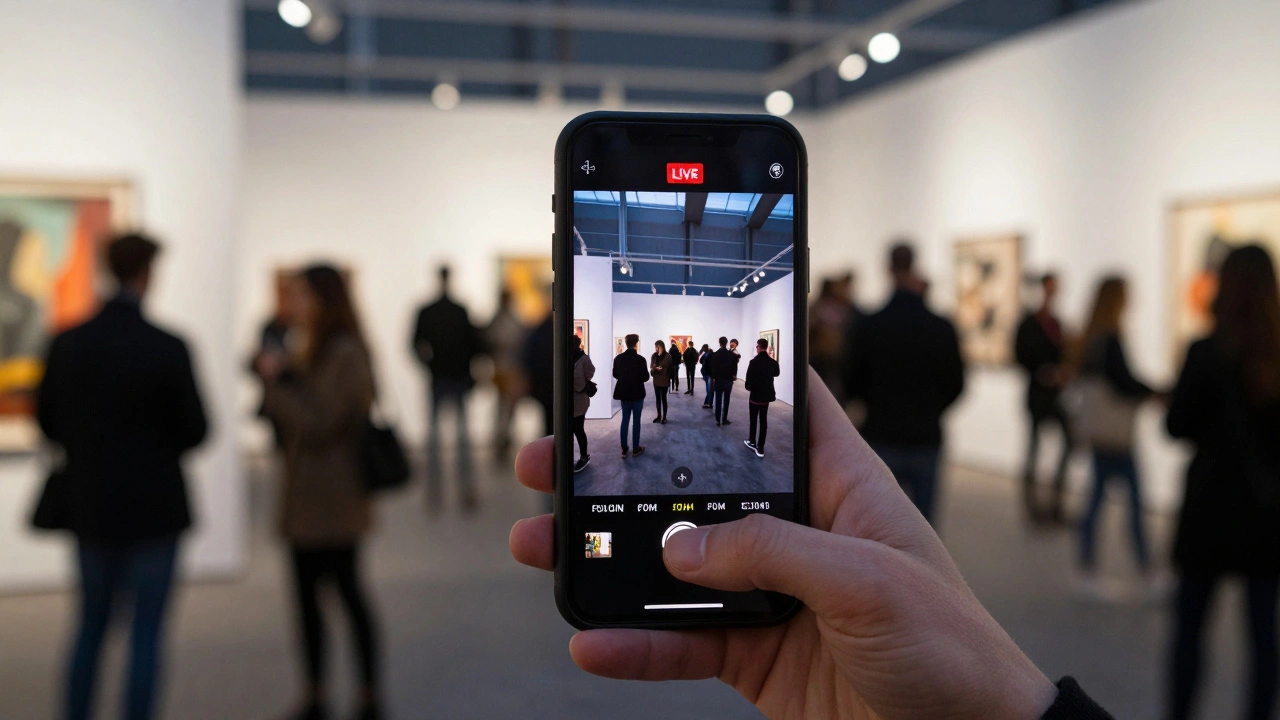
A static photo of a painting is fine, but a live video of you explaining the brushwork or showing the scale of a piece creates an emotional connection. Live Streaming is the real-time transmission of video and audio over the internet, commonly used on platforms like Instagram and TikTok to engage audiences instantly . The goal isn't to sell the piece on the screen-it's to make the viewer want to see it in person.
Try a "Booth Walkthrough" on Instagram Live. Start by showing the bustling atmosphere of the fair, then pivot to your booth. Point out a specific detail on a canvas that doesn't translate well in photos-maybe the texture of a heavy impasto or the way a metallic leaf catches the light. Mention exactly where you are located (e.g., "I'm at Booth B12, right next to the main entrance"). This gives people a physical destination and a reason to visit.
Another powerful move is the "Flash Sale" or "Preview" stream. Go live 30 minutes before the fair officially opens to the public. Show a piece that you know will go fast and tell your followers, "This is the first piece I'm showcasing today; come grab it before the doors open." This creates urgency and ensures you have a line of people waiting for you.
Timing Your Content for Maximum Impact
You can't just post once and hope for the best. You need a content cadence that follows the energy of the fair. Most artists make the mistake of only posting during the event, but the work starts weeks prior. Use Content Scheduling to ensure you aren't glued to your phone while you should be talking to clients.
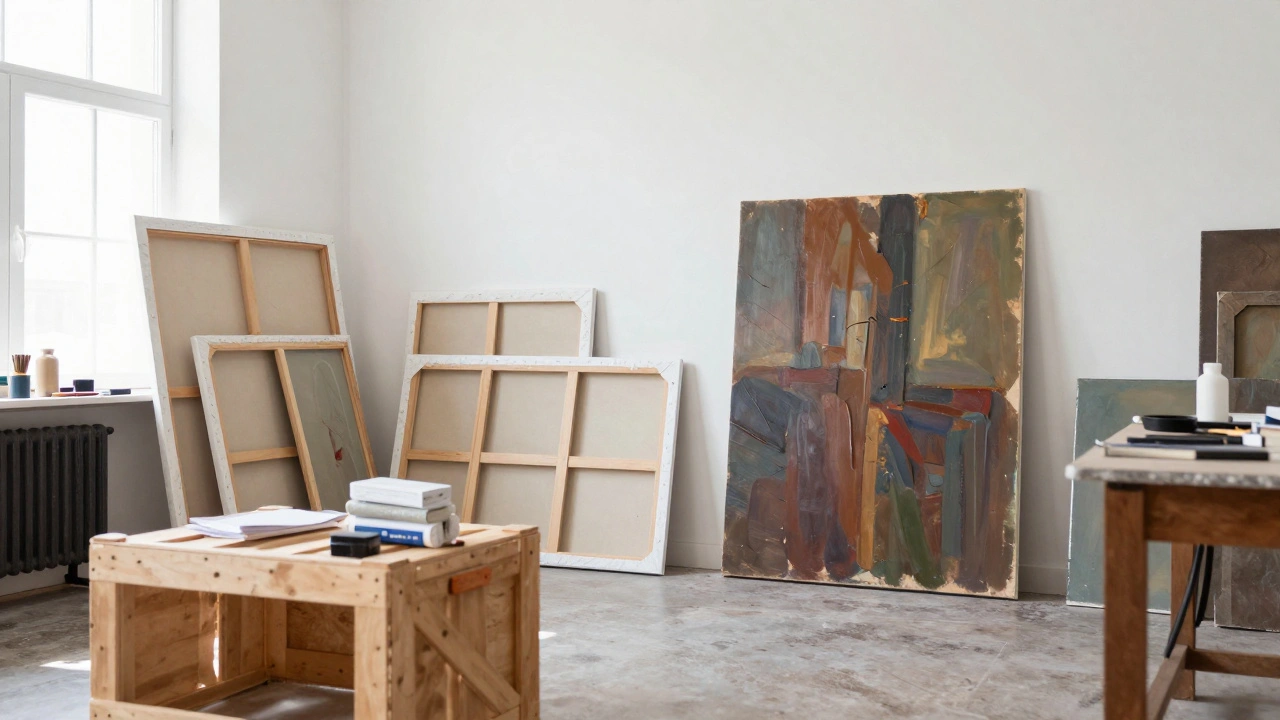
In the buildup phase (two weeks before), share "behind the scenes" content. Show the crates being packed, the sketches for the booth layout, or the final varnish being applied to a painting. This builds anticipation. During the fair, shift to high-frequency, low-production content. Use Instagram Stories for quick updates, a photo of a sold piece with a "SOLD" sticker (which signals high demand to others), or a quick clip of a conversation with a happy collector.
After the fair, don't just disappear. The "Post-Fair Wrap-up" is where you convert casual likes into long-term followers. Post a carousel of your favorite moments and a thank-you note to everyone who visited. This is also the perfect time to post the pieces that didn't sell, framing them as "Available again after a successful show."
Engaging the Ecosystem
An art fair is a community, not just a competition. If you only promote yourself, you're ignoring a massive growth opportunity. One of the fastest ways to grow your reach is to engage with other artists and galleries in the same space. This is called cross-pollination.
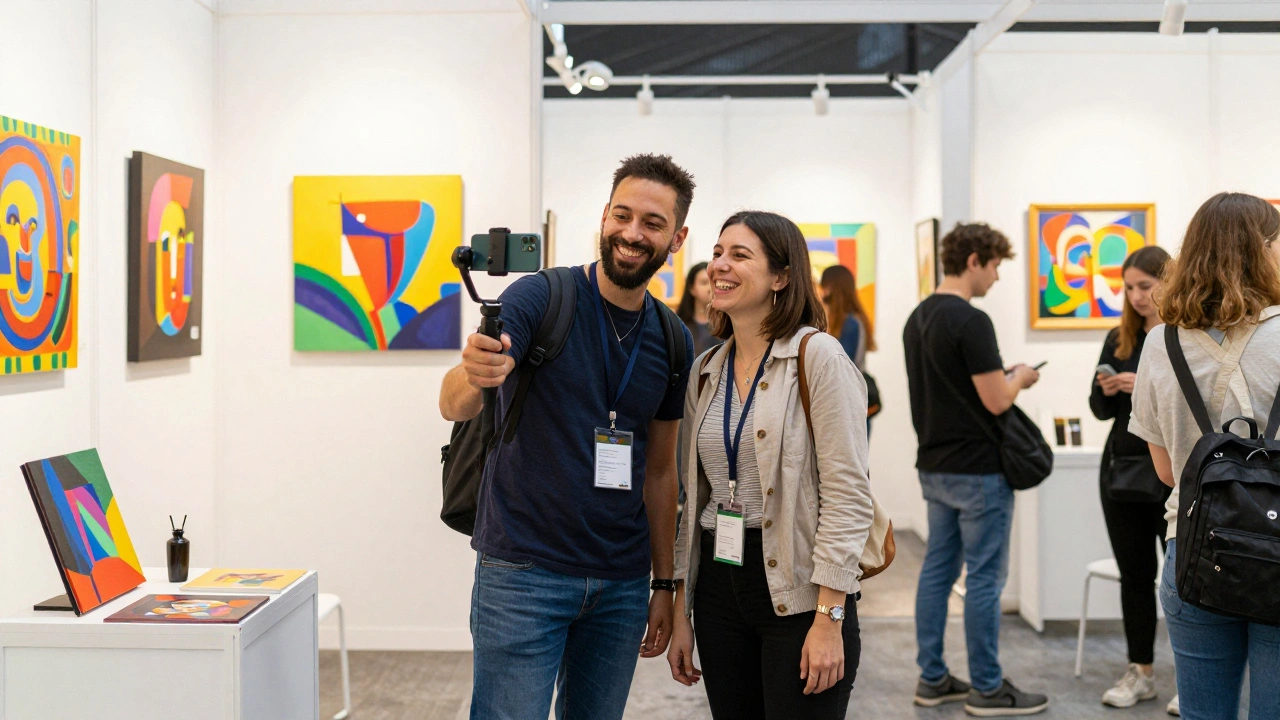
Spend 15 minutes a day liking and commenting on posts from other exhibitors using the event hashtag. When you support another artist's work publicly, their followers-who are already interested in art-are more likely to click on your profile. You can even collaborate on a "Fair Tour" video, where you and another artist visit each other's booths and interview one another about your process. This puts you in front of two different audiences simultaneously.
Don't forget to tag the fair organizers. Most large fairs have a dedicated social media manager whose entire job is to repost high-quality content from exhibitors. If you take a stunning photo of the venue or a creative reel of your setup and tag the official account, there's a high chance they'll share it to their thousands of followers. This is free advertising that carries the endorsement of the event itself.
Common Pitfalls to Avoid
Avoid the "Ghost Booth" syndrome. This happens when an artist is so focused on their phone, filming content and checking likes, that they ignore the person standing right in front of them. Your social media should be a tool to get people to your booth, not a replacement for the interaction. Set specific times for posting-maybe 10 minutes every few hours-so you can remain present with your visitors.
Another mistake is over-editing. In a gallery setting, a perfectly polished photo is great. At an art fair, people want authenticity. They want to see the chaos of the crowd, the raw energy of the opening night, and the real-life scale of the work. Avoid heavy filters that change the color of your art; collectors need to see the actual hues they are buying. Stick to natural lighting and honest captures.
How many hashtags should I use per post?
While platforms vary, a mix of 5 to 10 highly targeted tags is usually better than 30 random ones. Focus on one event tag, two location tags, and three to five tags that describe your specific art style or medium. This tells the algorithm exactly who should see your work without looking like spam.
What is the best time to go Live during a fair?
The best times are usually just before the doors open (to create anticipation) and during the peak afternoon rush (to show the energy of the crowd). Keep these sessions short-10 to 15 minutes-to maintain a high pace and keep the viewers engaged.
Do I need a tripod for my Live streams?
A small, portable tripod or a gimbal is highly recommended. Shaky footage can be distracting and makes the art look less professional. However, a handheld "vlog style" approach can work if you are moving quickly through the fair to show the atmosphere.
Should I announce the prices of my art in social media posts?
It depends on your target market. For mid-range and accessible art, listing prices can remove a barrier to entry and attract more buyers. For high-end fine art, it's often better to say "DM for pricing" or "Price available upon request" to start a direct conversation with a potential collector.
How do I handle the lack of Wi-Fi at some fair venues?
Don't rely on venue Wi-Fi, which often crashes when thousands of people connect. Use a reliable mobile data plan. If you're doing a long Live stream, consider a dedicated mobile hotspot to ensure your connection doesn't drop mid-sentence.
Next Steps for Your Social Plan
If you have a fair coming up in the next month, start your "buildup" phase today. Take a photo of your current studio progress and post it with a caption announcing the dates of the event. Once you're on-site, create a simple checklist: one morning "welcome" story, one afternoon "highlight" live stream, and one evening "thank you" post. By treating your digital presence as a companion to your physical booth, you turn a few days of exhibiting into a month of marketing momentum.