Social Media Content Calendar for Art Galleries: 90-Day Ideas
You’re staring at a blank Instagram grid. The next exhibition opens in three weeks, but your feed looks like it hasn’t been touched since the last solstice. Sound familiar? Most gallery owners and curators struggle with the same problem: they know social media content calendars drive sales, but creating consistent, engaging posts while managing artists, shipping, and events feels impossible. You don’t need more theory; you need a plan that actually works when you’re busy hanging frames.
This isn’t about posting every day just to say you did. It’s about strategic visibility. A well-planned Social Media Content Calendar is a structured schedule of planned posts designed to maximize engagement and conversion over a specific period helps you stay ahead of algorithm changes and keeps your audience warm between exhibitions. We’ve broken down a 90-day strategy specifically for art galleries, moving from pre-launch hype to post-show retention.
Why Your Gallery Needs a Structured Plan
Without a calendar, you’re reacting. You post when you have time, which usually means you skip the best times or forget key dates. Data from recent industry reports suggests that galleries with consistent posting schedules see up to 40% higher engagement rates than those who post sporadically. But consistency alone isn’t enough. You need variety.
Think of your feed as a digital lobby. If it’s all one type of content-just finished paintings-it gets boring. If it’s all behind-the-scenes chaos, it lacks polish. A calendar lets you balance these elements. It ensures you’re not just shouting into the void but telling a story that leads someone from "I saw this" to "I bought this."
| Pillar | Goal | Frequency (Weekly) |
|---|---|---|
| Artist Spotlight | Build connection & trust | 1-2 posts |
| Exhibition Teasers | Create anticipation | 3-4 posts |
| Educational Value | Establish authority | 1 post |
| Community & Events | Drive foot traffic | As needed |
Days 1-30: Building Anticipation Before the Show
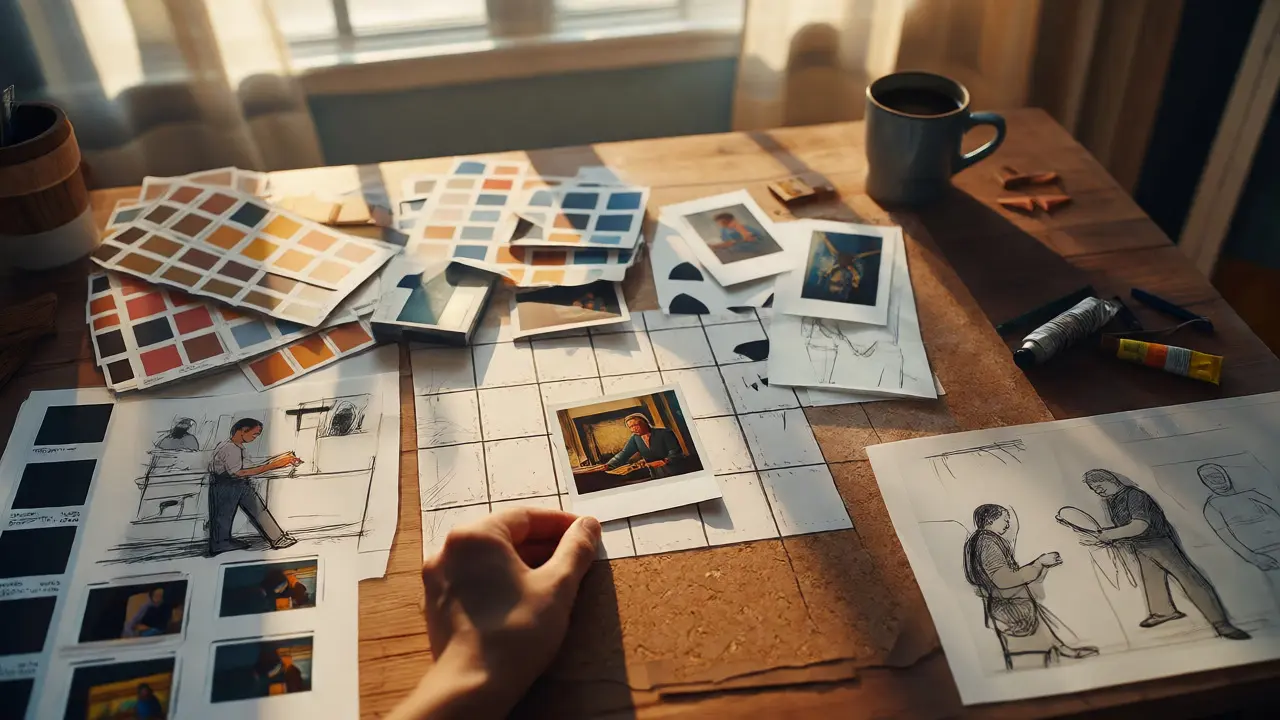
The first month is about laying groundwork. Don’t just announce the show; make people feel involved in its creation. Start by introducing the artist, not just their work. People buy from people, especially in the art world where personal connection matters.
- Week 1: The Artist’s Origin Story. Share a photo of the artist in their studio. Ask them to share a pivotal moment that changed their style. Use captions that invite comments: "What was the first piece you ever loved?"
- Week 2: Process Shots. Post videos of the artist mixing colors or sketching. Raw, unpolished footage often outperforms high-production clips because it feels authentic. Show the mess. Show the mistakes.
- Week 3: The Selection Process. How did you choose these pieces? Did you visit the studio? Was there a debate? Sharing the curation process makes the final selection feel exclusive and thoughtful.
- Week 4: Early Bird Access. Announce a private viewing date for collectors on your email list. Promote this heavily on social media to grow your subscriber base. "Join our list for early access" is a powerful call-to-action.
During this phase, use hashtags strategically. Mix broad tags like #ContemporaryArt with niche ones like #PortlandArtScene or #EmergingArtist. This helps you reach both general enthusiasts and local buyers.
Days 31-60: The Exhibition Launch and Peak Engagement
Now the doors are open. The energy shifts from anticipation to celebration. Your goal here is to capture the buzz and convert online interest into physical visits and sales.
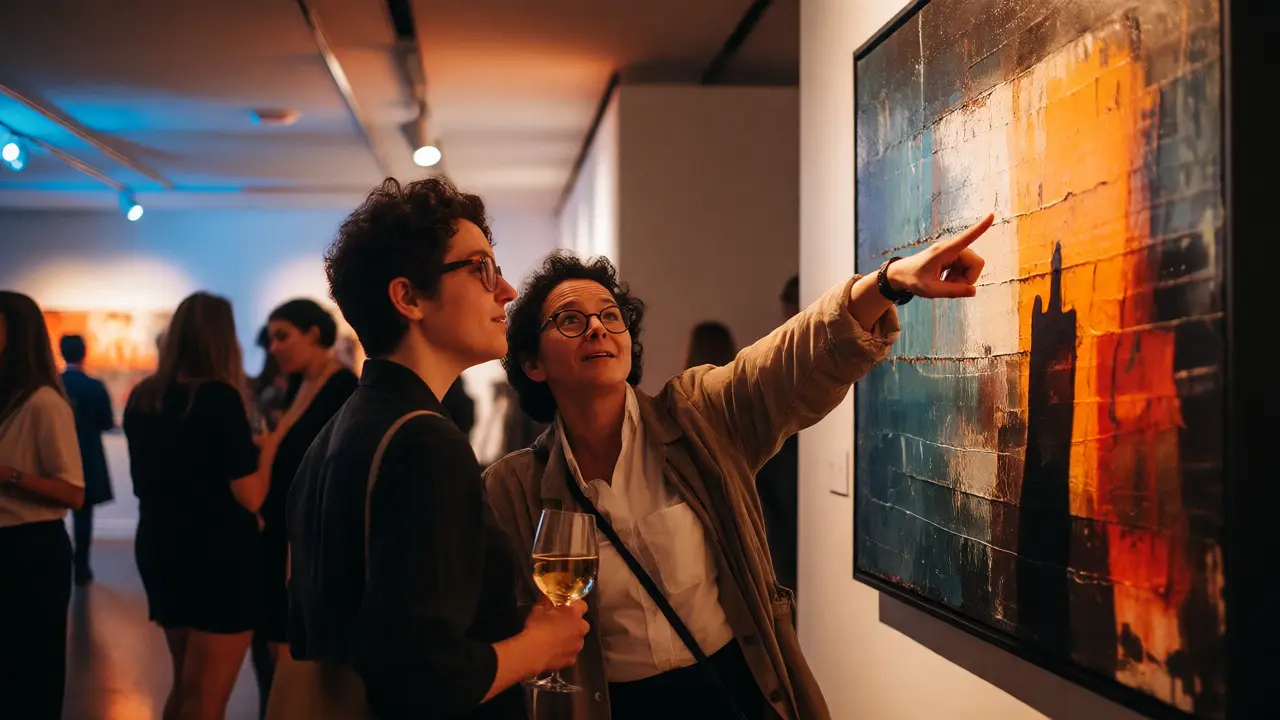
Start with a strong launch event recap. But don’t just post photos of wine glasses. Capture moments of interaction. Did someone stare at a painting for ten minutes? Did two strangers start talking about color theory? These human moments sell the experience better than any static image.
- Live Stories: Go live during opening night. Walk viewers through the space. Answer questions in real-time. This creates urgency and FOMO (fear of missing out) for those who couldn’t attend.
- User-Generated Content (UGC): Encourage visitors to tag you. Repost their stories. It’s free social proof. When someone else says your gallery is worth visiting, it carries more weight than when you say it.
- Detail Shots: Post close-ups of textures, brushstrokes, or framing details. High-quality macro shots allow online viewers to appreciate craftsmanship they might miss in person.
- Collector Testimonials: If a piece sells, ask the buyer why they chose it. "I loved how the light hits the blue tones" is a compelling reason that resonates with other potential buyers.
Mid-month, consider a "Meet the Artist" Q&A session. Collect questions from your followers beforehand. This drives engagement and gives you content for several posts. Record the session and clip the best answers for Reels or TikTok.

Days 61-90: Sustaining Interest and Driving Sales
The novelty has worn off. The opening night crowd has moved on. Now you need to keep the momentum going without being annoying. This is where education and scarcity come into play.
Shift your focus to the remaining inventory. Highlight specific pieces with new angles. Maybe pair a painting with a book recommendation or a music playlist. Contextualize the art in daily life.
- "Last Chance" Posts: Be honest about availability. "Only two pieces left from this series." Scarcity drives action.
- Educational Series: Explain a technique used in the exhibition. Why does this artist use impasto? What is the historical context of this style? Position your gallery as an educational resource, not just a shop.
- Behind the Scenes of Shipping: Show how art is packed and shipped. Many online buyers worry about damage. Seeing careful packing builds confidence.
- Upcoming Preview: Start teasing the next exhibition. Keep the cycle alive. Never let the feed go silent after a show ends.
Use this period to analyze what worked. Which posts got the most saves? Saves are a strong signal of intent. If detail shots get saved, do more of those. If artist interviews get shares, double down on video content.
Practical Tips for Execution
You don’t need expensive tools to manage this. Simple apps can help you visualize the grid and schedule posts. But technology won’t fix bad content. Here are a few rules of thumb based on years of working with galleries:
- Batch Your Work: Spend one day a week shooting and writing. Don’t try to create content daily. It’s inefficient and stressful.
- Repurpose Everything: One studio visit can yield five Instagram posts, three TikToks, and one blog article. Maximize your effort.
- Engage Back: Social media is a conversation. Reply to comments. DM people who save your posts. Build relationships, not just followers.
- Localize Your Hashtags: If you’re in Portland, use #PDXArt. If you’re in New York, use #NYCArtScene. Local tags drive local traffic, which is crucial for gallery visits.
Remember, the goal isn’t perfection. It’s presence. A slightly imperfect post that goes up on time is better than a perfect post that never happens. Consistency builds trust, and trust builds sales.
How often should an art gallery post on social media?
Aim for 3-5 high-quality posts per week on Instagram, plus daily Stories. On LinkedIn, 1-2 professional updates per week suffice. Quality always beats quantity; a single well-crafted post with good photography will outperform five rushed snapshots.
What is the best time to post for art galleries?
Generally, evenings between 7 PM and 9 PM local time perform well as people unwind. However, check your specific analytics. If your audience is collectors, weekend mornings might work better. Test different times for two weeks and stick with what generates the most engagement.
Do I need to pay for ads to promote exhibitions?
Not necessarily, but it helps. Organic reach can be limited. Boosting your top-performing organic posts by $5-$10 can significantly increase visibility among local art lovers. Focus on retargeting website visitors or promoting event pages to nearby users.
How do I handle negative comments on social media?
Stay professional and polite. Art is subjective, so disagreement is normal. Respond calmly, acknowledge their perspective, and move on. Avoid arguments. If a comment is spam or abusive, delete and block. Your community standards matter.
Should I use AI-generated images for my gallery feed?
Be cautious. Collectors value authenticity. Using AI for background edits or resizing is fine, but avoid using AI-generated art unless you clearly label it. Misleading followers can erode trust. Always prioritize real photos of actual artworks.