SMS Marketing for Art Galleries: How to Use Text Campaigns to Sell Art
Key Takeaways for Gallery Owners
- Instant reach: SMS hits the pocket, not the spam folder.
- Exclusivity: Texting creates a "VIP" feeling for high-net-worth collectors.
- Urgency: Perfect for flash sales or last-minute exhibition reminders.
- Compliance: You must have explicit opt-in consent to avoid legal trouble.
Why Texting Works Better Than Email for Art Sales
Email is where newsletters go to die. For an art gallery, an email is a formal invitation; it's polite, but it's easily ignored. A text message is a conversation. When you use Mobile Marketing, you're bypassing the filters and landing in the same space where your clients talk to their families. For a gallery, this creates an intimacy that mirrors the one-on-one experience of a private viewing.
Think about the psychology of a collector. They aren't just buying a canvas; they're buying access and status. By sending a text that says, "I thought of you for this new piece by [Artist]," you aren't just marketing-you're curating a relationship. This direct line allows you to move a lead from "interested" to "sold" in a fraction of the time it takes to exchange five emails.
Building Your Collector Text List
You cannot simply upload a list of phone numbers you've gathered over ten years and start blasting messages. That is a fast track to being blocked and potentially facing fines under TCPA (Telephone Consumer Protection Act) regulations. You need a clean, legal opt-in process.
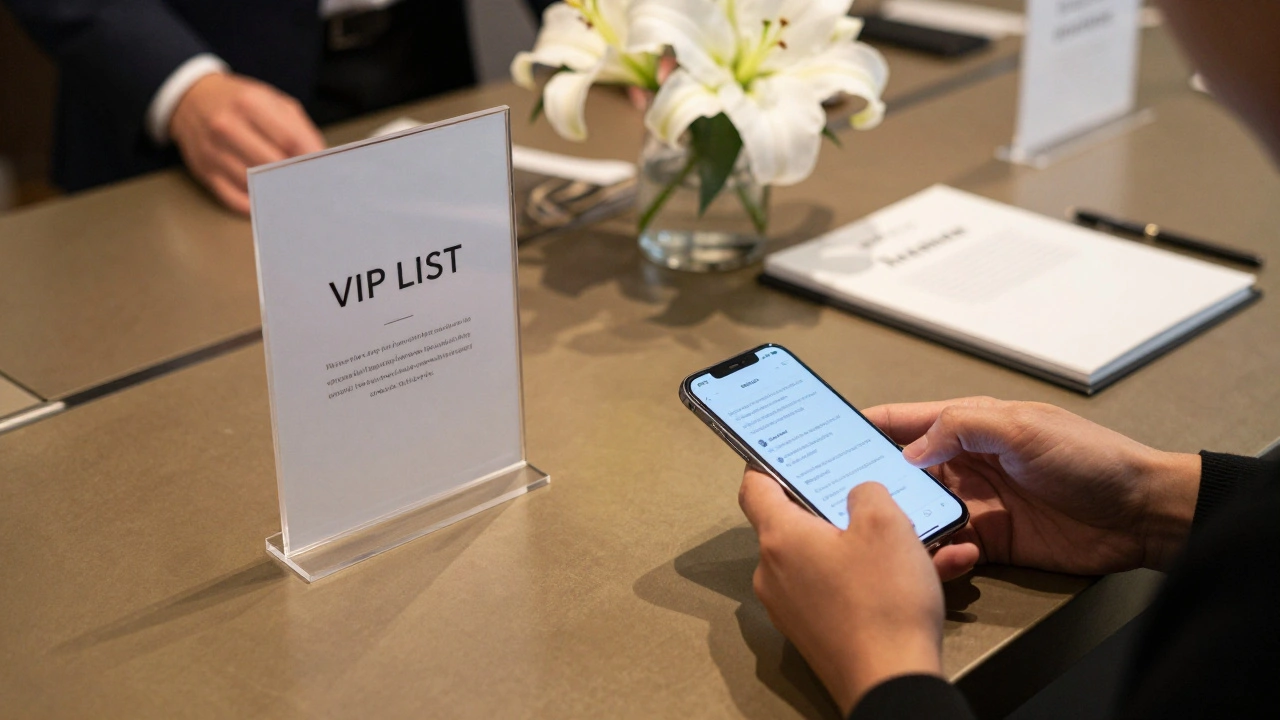
The best way to grow your list is through "Value-Exchange Opt-ins." Instead of asking people to "join your list," offer them something exclusive. For example, place a small, elegant sign at your front desk or next to a high-interest piece that says, "Text 'VIP' to [Number] to get early access to new arrivals." This qualifies the lead immediately-they aren't just visitors; they are people who want first dibs on the art.
You can also integrate this into your CRM (Customer Relationship Management) system. When a client fills out a physical guest book during an opening, include a checkbox that specifically asks for permission to send SMS updates. Make sure it is a separate checkbox from the email list to keep your legal bases covered.
Types of Text Campaigns That Actually Sell Art
Not all texts are created equal. If you send too many, you become a nuisance. If you send too few, they forget you. The secret is to mix transactional utility with high-emotional appeal.
The "First Look" Campaign: This is the gold standard for galleries. Send a high-quality image of a new piece to your top 10 collectors before it even hits the gallery floor. Use a message like: "Hi Sarah, just unpacked a new piece by [Artist]. It reminded me of your collection. Want to see a photo before the public opening on Friday?" This triggers the scarcity reflex.
The Event Reminder: Most people forget about gallery openings until the day of. A simple reminder sent 24 hours before the event increases attendance by as much as 30%. Keep it brief: "Looking forward to seeing you tomorrow at 6 PM for the [Exhibition Name] opening!"
The "Last Chance" Alert: When a show is winding down and you have a few pieces left, a text is the perfect tool to clear inventory. "Last two pieces remaining from the [Artist] series. Text me if you'd like a price list before we close on Sunday." This creates a genuine sense of urgency without sounding like a clearance sale at a department store.
| Feature | Email Marketing | SMS Marketing |
|---|---|---|
| Open Rate | 20% - 30% | 90% - 98% |
| Response Time | Hours to Days | Minutes to Hours |
| Tone | Formal / Broadcast | Personal / Conversational |
| Primary Use | Newsletters, Long-form updates | Urgency, VIP access, Reminders |
Avoiding the "Spammy" Trap: Rules of Engagement
The biggest fear gallery owners have is looking "cheap." Art is a luxury good, and luxury brands don't spam. To maintain your prestige, you must follow a strict set of boundaries. First, never use generic templates. If a message looks like it was sent to 500 people, it loses its value. Use the client's name and mention their specific tastes.
Second, respect the clock. Never send a marketing text before 9 AM or after 8 PM. A collector getting a ping about a painting at 11 PM is an annoyance, not a luxury experience. Third, always provide an easy way out. Every new subscriber should receive a message telling them how to stop receiving texts (e.g., "Text STOP to unsubscribe").
Focus on the Conversion Rate rather than the volume. Sending one thoughtful, personalized text to five key collectors is infinitely more valuable than sending one generic blast to 500 people. Your goal isn't to get "clicks"; it's to get a "Yes, I'll take it" or "I'm coming by at 4 PM."
Tools and Tech for Gallery Texting
You don't need a massive tech stack to start. Depending on the size of your roster, you have three main paths. For very small galleries with under 50 VIPs, a professional smartphone using a dedicated business line (like Google Voice) is often enough. This keeps your personal number private while allowing you to maintain a conversational tone.
For mid-sized galleries, a SMS Gateway or platform like SimpleTexting or TextMagic is better. These tools allow you to segment your list. You can tag collectors by their interests-for example, tagging some as "Contemporary" and others as "Impressionist"-so you only send relevant art alerts to the right people.
If you're running a high-volume operation with multiple locations, integrating SMS into a full-scale Marketing Automation platform is the way to go. This allows you to trigger texts based on behavior-like sending a "Thank You" text automatically two days after a purchase is completed.
The Future of Art Sales: Multimedia Messaging
While standard SMS is great, MMS (Multimedia Messaging Service) is where art galleries truly shine. Sending a high-resolution photo or a 10-second video walk-around of a sculpture provides a level of detail that text alone cannot. A video showing the texture of the paint or the way a sculpture catches the light is a powerful emotional hook.
We are also seeing a shift toward "Conversational Commerce." Instead of just sending a link to a website, galleries are using texts to handle the entire negotiation. "The piece is $4,500. If you're interested, I can send you a secure payment link right here in the chat." By reducing the friction between seeing the art and paying for it, you significantly increase your closing rate.
Is SMS marketing too aggressive for high-end art collectors?
Not if it's positioned as a VIP service. Collectors value exclusivity and speed. If you frame the text list as a "Private Preview Circle" where they get first access to new works, it feels like a perk rather than an advertisement. The key is personalization and low frequency.
How often should a gallery send text messages?
Less is more. For general updates, once every two to four weeks is plenty. For VIP lists, only text when there is a genuine piece of news, such as a new acquisition or an exhibition invite. Over-texting leads to immediate opt-outs.
Do I need a special app to start texting my clients?
For a handful of clients, your phone's native messaging app works. However, for a growing list, use an SMS marketing platform. These tools provide legal compliance (opt-out management), scheduling, and the ability to see who has actually read your messages.
What is the best time of day to send art alerts?
Generally, mid-morning (10 AM to 11 AM) or early evening (6 PM to 7 PM) works best. Avoid the early morning rush or late-night pings. Test different times with small segments of your list to see when your specific collectors are most responsive.
How do I handle payments via text?
The safest way is to send a secure checkout link from a provider like Stripe, PayPal, or your gallery's own e-commerce site. Never ask a client to text you their credit card details, as SMS is not a secure channel for financial data.
Next Steps for Your Gallery
If you're feeling overwhelmed, start small. Pick your top 20 most loyal clients and ask them personally if they'd like to be on your "First Look" text list. Once you see the immediate response and the spike in engagement, you can expand to a formal opt-in system at your front desk.
For those already using a CRM, audit your data. Find the phone numbers you already have and send a polite "re-engagement" email first, asking them to opt-in to your new SMS service. This ensures you start your campaign with a group of people who are actually excited to hear from you.