Skylights and Daylighting: Control Natural Light for Art
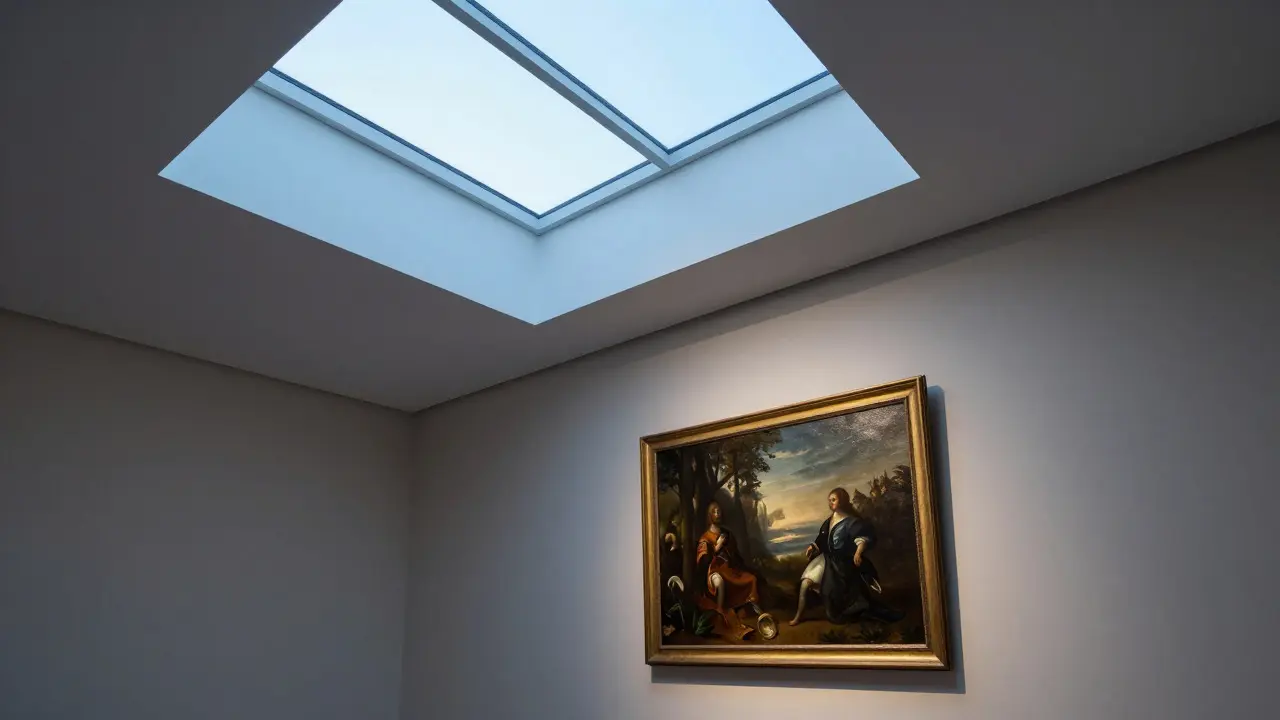
Imagine walking into a gallery where the sunlight hits a 17th-century oil painting at a sharp angle. It looks stunning for about ten minutes. Then you notice the canvas fading slightly faster than it should. This is the daily dilemma for curators and designers working with Daylighting is the use of natural light in architectural spaces to reduce energy consumption and enhance human well-being. For artists and collectors, however, that same natural light carries a hidden cost: ultraviolet (UV) radiation that breaks down pigments and weakens paper fibers. The challenge isn't just about blocking light; it's about controlling it. You want the warmth and depth that only the sun provides, but you need the precision of a lab environment. Getting this balance right requires understanding how light behaves, what materials protect your work, and how modern technology allows you to tune the atmosphere without sacrificing authenticity.
Why Natural Light Is Both a Gift and a Threat
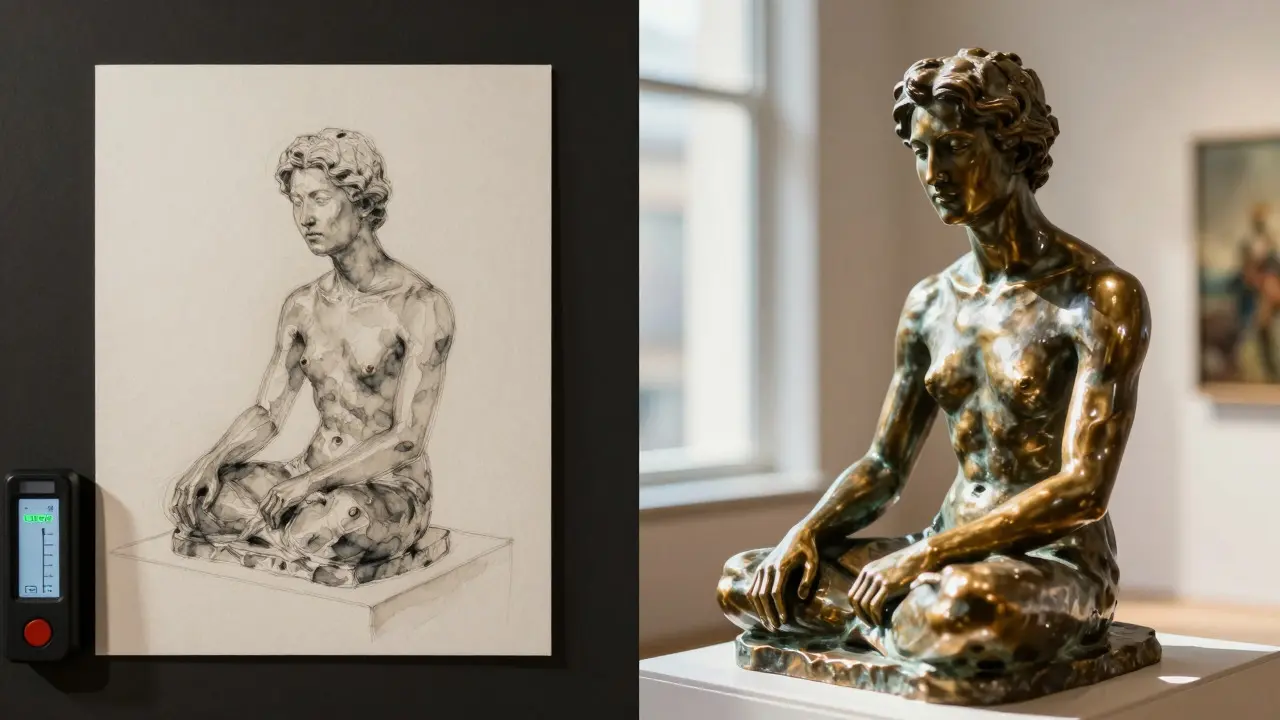
Natural light changes throughout the day. In the morning, it’s cool and blue-rich. By midday, it’s intense and white. In the evening, it turns warm and orange. This dynamic quality makes artwork look alive in ways artificial lighting often struggles to replicate. But that variability is exactly what conservators fear. A painting exposed to direct afternoon sun receives significantly more energy than one seen under soft morning glow. The primary enemy here is UV radiation. While invisible to the human eye, UV rays carry enough energy to break chemical bonds in dyes, inks, and binders. Paper yellows. Acrylics become brittle. Watercolors bleed. According to conservation standards, most works on paper should be limited to specific lux levels, but the spectral composition matters just as much. If you’re displaying a watercolor sketch next to a robust bronze sculpture, their lighting needs are completely different. The sketch needs protection; the bronze doesn’t care about UV but might reflect glare annoyingly.
The Role of Skylights in Gallery Design
Skylights are roof windows or transparent panels installed in roofs to allow natural light to enter interior spaces. They are the most effective way to bring high-quality daylight into a space because they capture light from above, reducing shadows and creating an even distribution. However, unfiltered skylights are dangerous for delicate art. Without intervention, a standard glass skylight can transmit up to 50% of UV radiation. Modern skylight systems for art spaces aren't just holes in the roof. They are engineered assemblies. You have options like:
- Fixed Skylights: Best for consistent ambient light. No moving parts means no risk of accidental opening or dust entry.
- Ventilated Skylights: Allow airflow, which helps control humidity, but require careful sealing to prevent dust and insects.
- Electrically Operated Skylights: Can be programmed to open or close based on temperature or light intensity, offering automated control over the amount of daylight entering.
Filtering and Controlling the Light Path
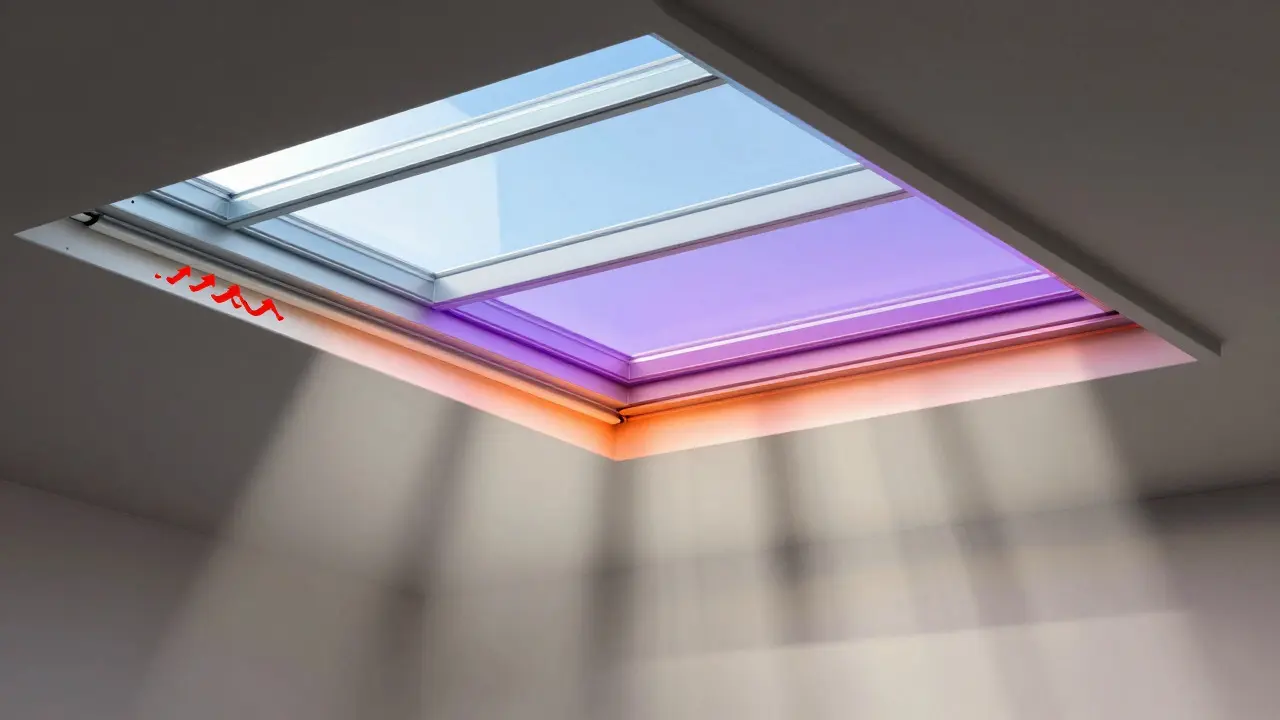
Once the light enters, you need to manage it before it hits the artwork. This is where UV Filters are specialized coatings or films that block ultraviolet radiation while allowing visible light to pass through. Most modern glazing units include UV-blocking layers as standard, but older installations may not. If you’re retrofitting an existing space, adding a UV film to the inner pane of a skylight can cut UV transmission by over 98% without significantly dimming the visible light. But UV is only half the battle. You also need to manage heat and glare. Solar heat gain can raise indoor temperatures, causing wood frames to expand and contract, which leads to cracking. Low-E (Low Emissivity) coatings help here. These microscopic metal oxides reflect infrared heat back outside while letting visible light in. It’s a win-win: cooler room, less thermal stress on the art, and maintained brightness. For glare control, consider the angle of incidence. Direct sunlight hitting a varnished painting creates a mirror-like reflection that obscures detail. To fix this, you can use external shading devices like louvers or awnings. Internal solutions include baffles or diffusers mounted beneath the skylight. These break up the direct beam into softer, scattered light. Think of it like a cloud covering the sun-you get the illumination without the harshness.
Comparing Lighting Strategies for Different Media
Not all art is created equal when it comes to light sensitivity. Oil paintings on canvas are relatively tough. Works on paper, such as watercolors, pastels, and photographs, are highly sensitive. Textiles and tapestries fall somewhere in between. Here’s a quick comparison of how different media respond to daylight and what controls are typically recommended:
| Media Type | Sensitivity Level | Recommended Lux Limit | Primary Risk | Key Control Measure |
|---|---|---|---|---|
| Oil Paintings | Low-Medium | 300-500 lux | Glare, Heat | Anti-glare coatings, Low-E glass |
| Watercolors / Pastels | High | 50-150 lux | Fading, Yellowing | UV filters, Diffusers, Rotating displays |
| Photographs | Very High | 50 lux | Emulsion degradation | Minimal exposure time, Strong UV blocking |
| Textiles / Tapestries | Medium-High | 50-150 lux | Dye loss | Indirect lighting, Shade cloths |
Notice the drastic difference in lux limits. A photograph needs far less light than an oil painting. If you display both under the same skylight, you’ll likely damage the photo unless you use heavy filtration or limit its display hours. This is why many museums rotate fragile pieces every few months, giving them time in the dark to recover.
Technology: Smart Glass and Automated Systems
Manual controls are fine for small studios, but for larger galleries or collections, automation is a game-changer. Electrochromic glass, often called smart glass, can change its tint in response to an electrical signal. When the sun gets too strong, the glass darkens automatically, reducing light levels without needing mechanical shutters. This technology is becoming more accessible and is particularly useful for south-facing skylights in the Northern Hemisphere, where the sun is lower in the sky during winter and higher in summer. Sensors play a crucial role here. Photosensors measure the amount of daylight entering the space. If the level drops below a certain threshold, electric lights can kick in to maintain consistency. If the level spikes due to a sudden clear sky, the system can activate shades or adjust HVAC to prevent overheating. This integration of daylight harvesting with artificial backup ensures that the viewing experience remains stable regardless of weather conditions.
Practical Steps for Implementing Daylighting Safely
If you’re planning a new installation or renovating an existing space, follow these steps to ensure your art stays safe while enjoying natural light:
- Assess Your Collection: Identify which pieces are most sensitive. Create a map of your space noting where each piece will hang or sit relative to light sources.
- Choose the Right Glazing: Specify double-pane units with Low-E coatings and UV-blocking films. Ask for data sheets showing total solar heat gain coefficient (SHGC) and UV transmittance percentages.
- Install Shading Devices: Use exterior louvers or interior diffusers to break up direct beams. Avoid simple blinds that create striped shadows on the walls.
- Monitor Conditions: Invest in a basic lux meter and UV meter. Check readings weekly, especially after seasonal changes. Keep logs to track long-term exposure.
- Rotate Displays: For highly sensitive items, limit display time to three months per year. Store them in the dark during the rest of the cycle.
Common Mistakes to Avoid
Even experienced designers make errors when dealing with daylight. One common mistake is assuming that "more light is better." In reality, too much light causes visual fatigue for viewers and accelerates degradation for the art. Another error is ignoring indirect light. Bounced light off white walls can still contain significant UV and visible energy. Painting walls in neutral, matte tones helps absorb excess light rather than reflecting it onto artworks. Also, don’t forget about maintenance. Dust on skylights reduces light transmission unevenly, creating patterns that can be distracting. Regular cleaning schedules are essential. Finally, avoid mixing incompatible lighting technologies. If you combine daylight with warm-toned incandescent bulbs, the color rendering can shift dramatically, making colors look unnatural. Stick to high-CRI (Color Rendering Index) LED sources for any supplemental lighting.
FAQ
Do I need UV filters if I already have Low-E glass?
Yes. Low-E coatings primarily reflect infrared heat. While some Low-E glasses offer partial UV blocking, they are not guaranteed to block 100% of UV radiation. Always verify the UV transmittance rating on the product specification sheet. For valuable art, assume you need dedicated UV filtering unless proven otherwise.
How much does a skylight increase energy costs?
Properly designed skylights with Low-E coatings actually reduce cooling costs in summer by reflecting heat. In winter, they can provide passive solar heating. However, poor insulation around the skylight frame can lead to heat loss. Ensure professional installation with proper flashing and air sealing to maximize energy efficiency.
Can I use sheer curtains to filter daylight?
Sheer curtains can reduce glare and soften light, but they do not reliably block UV radiation. Their effectiveness varies by fabric type and thickness. For critical conservation, use purpose-made UV-filtering films or specialized textile shades rated for UV protection.
What is the ideal orientation for a skylight in an art gallery?
North-facing skylights (in the Northern Hemisphere) provide the most consistent, shadow-free daylight throughout the day. South-facing skylights offer more light but require more aggressive shading control. East and West skylights receive intense low-angle light in the morning and evening, respectively, which can be difficult to manage. North is generally preferred for uniformity.
How often should I check light levels in my gallery?
Check light levels monthly using a calibrated lux meter. Also perform checks after major weather events or seasonal transitions. If you have automated sensors, review their logs quarterly to ensure accuracy. Consistent monitoring helps you catch gradual shifts that might indicate equipment failure or changing environmental conditions.