Senior-Friendly Museum Visits: A Guide to Accessibility and Comfort

Have you ever walked into a grand museum, felt the weight of history around you, and then realized your feet are screaming in protest after twenty minutes? Or maybe you looked at a small placard next to a masterpiece and couldn't quite make out the text without squinting? For many older adults, these aren't hypothetical annoyances; they are real barriers that turn a potentially inspiring day out into an exhausting ordeal. But here’s the good news: museum accessibility has improved dramatically over the last decade. You don’t have to choose between seeing great art and staying comfortable.
The goal isn’t just to get through the door. It’s to enjoy the experience fully. Whether you’re planning a trip for yourself or helping a parent navigate their first visit to a major institution in years, understanding how to optimize comfort and access changes everything. We’re talking about more than just ramps. We’re talking about seating strategies, sensory considerations, and smart planning that respects physical limits while maximizing cultural enrichment.
Why Traditional Museum Layouts Fail Seniors
Museums were often designed with young, able-bodied visitors in mind. Think about the typical layout: long, open galleries with polished floors that offer zero traction if you use a cane. Lighting is often dimmed to protect artifacts, which creates high contrast issues for aging eyes. And let’s be honest about the benches-many are placed sporadically, leaving huge gaps where standing is the only option.
For seniors, fatigue sets in faster due to reduced stamina or joint pain. A standard two-hour tour can become physically punishing if you haven’t accounted for rest points. The cognitive load is also higher. Navigating complex floor plans, reading dense interpretive panels, and managing crowds require mental energy that diminishes with age or conditions like early-stage dementia. When the environment fights against your body, you spend less energy looking at the art and more energy fighting discomfort.
This mismatch leads to what experts call "museum fatigue," a specific type of exhaustion caused by standing on hard surfaces, visual strain, and information overload. Recognizing this phenomenon is the first step toward beating it. By adjusting expectations and tools, you can transform a stressful outing into a relaxing cultural immersion.
Planning Your Visit: The Pre-Trip Checklist
Success starts before you leave the house. Many seniors skip this step, assuming they’ll figure it out on site. That’s a mistake. Modern museums vary wildly in their amenities, so doing five minutes of research saves hours of frustration.
- Check Accessibility Statements: Every reputable museum now publishes an accessibility guide online. Look for specifics: Are elevators available in all wings? Is there wheelchair rental? Do they offer large-print guides?
- Time Your Arrival: Crowds are the enemy of comfort. Weekday mornings, right when doors open, are usually quietest. This means easier navigation, shorter lines, and better chances of finding a seat near exhibits.
- Book Timed Tickets: Avoiding entry queues reduces standing time. Some museums even offer "quiet hours" specifically designed for visitors who need lower noise levels and less stimulation.
- Identify Restrooms and Cafés: Knowing exactly where the nearest restroom is located relieves anxiety. Same goes for food options. Dehydration and low blood sugar exacerbate dizziness and fatigue.
If you’re traveling from Portland, Oregon, or elsewhere in the Pacific Northwest, note that some institutions offer free admission days for seniors, but these often draw larger crowds. Weigh the cost savings against the potential stress of navigating packed halls.
Navigating Physical Access and Mobility Aids
Physical barriers are the most obvious hurdle, but they’re also the easiest to mitigate with the right tools. Most major museums comply with the Americans with Disabilities Act (ADA), meaning ramps, wide doorways, and accessible restrooms are standard. However, compliance doesn’t always equal comfort.
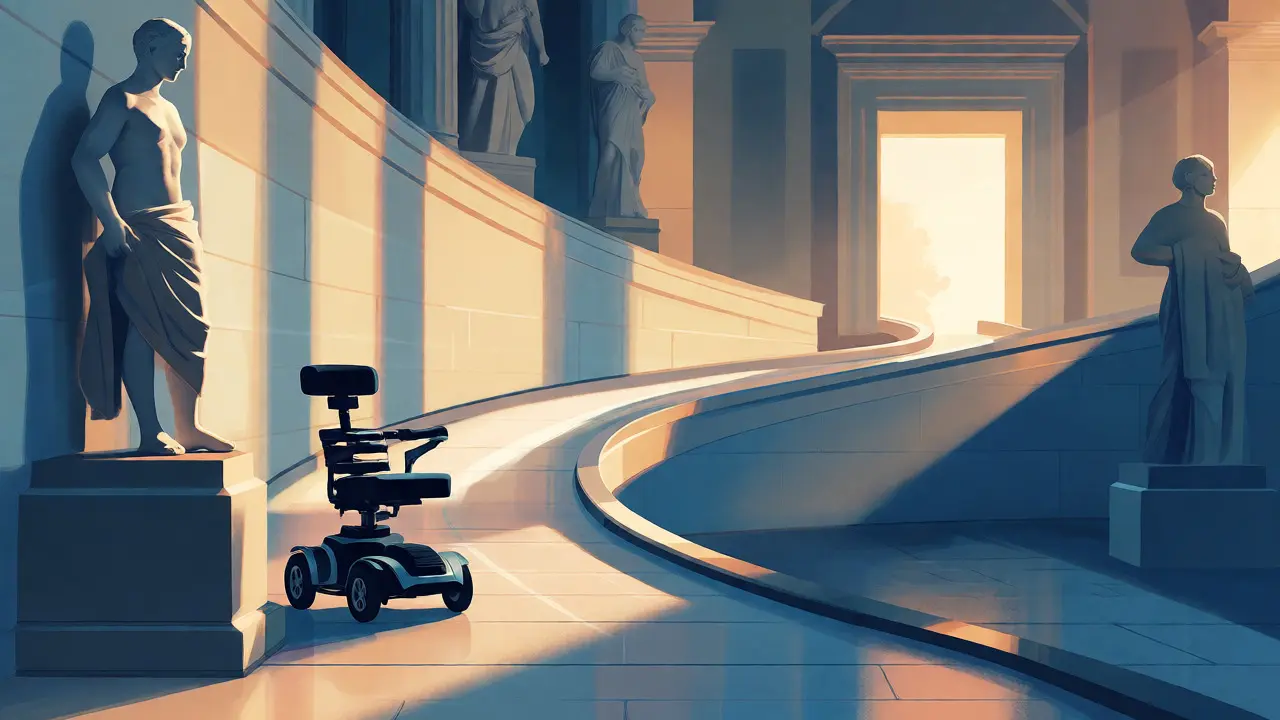
Consider bringing your own mobility aids. While many museums lend wheelchairs or scooters, they might not fit your specific needs or be available during peak times. If you use a walker, ensure its wheels are suitable for smooth museum floors-some rubber grips stick too much, making turning difficult. Conversely, slick wheels might slide on polished stone.
| Aid Type | Best For | Museum Considerations |
|---|---|---|
| Standard Wheelchair | Full-time users or those with significant endurance limits | Check elevator access; narrow aisles in historic buildings may be tight |
| Rollator/Walker | Those needing stability but still walking short distances | Ensure brakes work well; look for models with seats for quick rests |
| Folding Scooter | Longer distances within large campuses | Battery life matters; check if charging stations are available |
| Cane/Trekking Poles | Mild balance issues | Rubber tips recommended to prevent slipping on polished floors |
Don’t hesitate to ask staff for assistance. Docents and security guards are often trained to help visitors find accessible routes. If a gallery feels too crowded or the path is blocked, ask them for a quieter alternative route. They know the building better than any map.
Visual and Auditory Accommodations
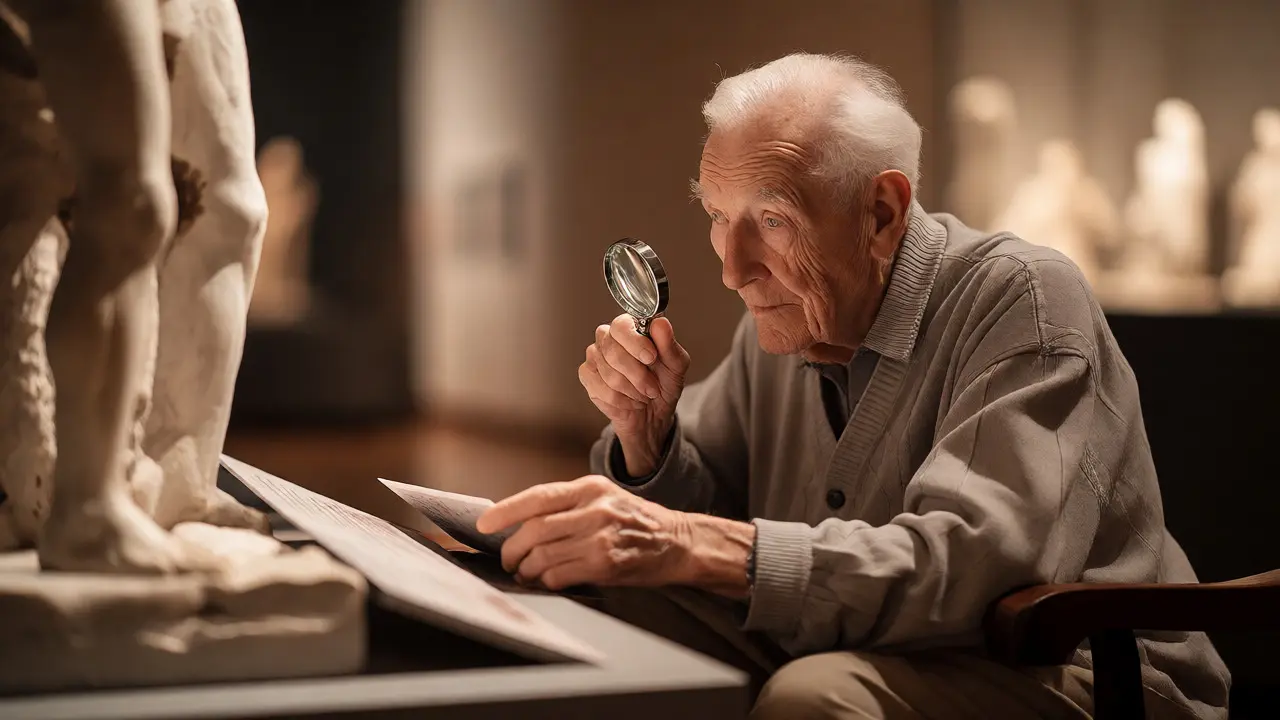
Sensory issues are frequently overlooked. As we age, our vision and hearing change. Glare from spotlights can wash out details for someone with cataracts. Background noise from children or audio guides can make spoken descriptions unintelligible for those with mild hearing loss.
Most modern museums address this with assistive technology. Check if the venue offers:
- Audio Descriptions: Narrated tracks that describe visual elements for visually impaired visitors.
- Hearing Loops: Induction loops in theaters or lecture halls that transmit sound directly to hearing aids.
- Large Print Materials: Available at info desks, sometimes as downloadable PDFs you can print beforehand.
- Adjustable Lighting: Some interactive exhibits allow you to control light levels.
If you wear glasses, consider bringing a pair with anti-reflective coating. It makes a surprising difference when viewing glass cases under bright spots. Also, take breaks in naturally lit areas to rest your eyes. Staring at dark paintings in dim rooms strains the ciliary muscles, leading to headaches.
Comfort Strategies: Clothing, Footwear, and Breaks
Your outfit choice dictates your comfort level. Museums are climate-controlled, often kept cool to preserve artifacts. What feels fine outside might feel freezing inside. Dress in layers. A light cardigan or shawl can save you from shivering while sitting still.
Footwear is non-negotiable. Leave the fashion sneakers at home. Wear shoes with excellent arch support and cushioning. Hard-soled dress shoes will punish your joints after thirty minutes. If you’re prone to swelling, avoid tight laces. Compression socks can also help reduce leg fatigue during long periods of standing or slow walking.
Pacing is key. Adopt the "sit-and-view" method. Instead of walking past every exhibit, pick three to five pieces you really want to see. Find a bench nearby, sit down, and study them thoroughly. This approach reduces total steps taken while increasing engagement depth. It turns a marathon into a series of meaningful moments.
Leveraging Staff and Special Programs
Many museums run programs specifically for seniors. These aren’t just charity gestures; they’re curated experiences designed for slower pacing and deeper discussion.
- Silver Tours: Guided tours led by docents who speak clearly, move slowly, and pause frequently for questions.
- Art Therapy Sessions: Small group activities focused on discussing feelings evoked by art, often held in seated settings.
- Memory Cafés: Designed for individuals with dementia and their care partners. These events prioritize social connection over factual learning.
Ask the front desk about these offerings. They often require pre-registration but provide a supportive environment where no one rushes you. Staff members are generally eager to help. Don’t be shy about saying, "I’d prefer to start in the wing closest to the entrance to avoid long walks." They will accommodate you.
Post-Visit Care and Reflection
The visit doesn’t end when you leave the building. Post-visit recovery is part of the process. Hydrate immediately. Eat a balanced meal to replenish energy. Take off your shoes and elevate your legs if possible.
Reflect on the experience. Did the seating strategy work? Was the lighting manageable? Use this feedback to plan your next outing. Maybe next time you’ll bring a magnifying glass or try a different time slot. Each visit teaches you what works best for your body.
Remember, visiting a museum should enrich your life, not deplete it. With proper preparation and a focus on comfort, you can enjoy world-class art and history without the physical toll. It’s about adapting the environment to your needs, not forcing yourself to adapt to theirs.
Do all museums have wheelchair rentals?
Not all do, though most major institutions do. Smaller, historic sites may lack space for storage. Always check the museum's website under 'Visitor Information' or 'Accessibility' before arriving. If they don't offer rentals, consider bringing a lightweight folding wheelchair or scooter.
Are service animals allowed in museums?
Yes, under the ADA, service animals are permitted in all public areas of museums. Emotional support animals are not guaranteed entry unless the museum has a specific policy allowing them. Always carry documentation if required by local laws or specific museum policies.
What is the best time of day for seniors to visit a museum?
Weekday mornings shortly after opening are ideal. Crowds are smaller, staff are fresh, and natural light is often best for viewing. Late afternoons can also be quiet, but energy levels may be lower. Avoid weekends and holidays if possible.
Can I bring my own snacks and water?
Policies vary. Many museums prohibit food and drink in galleries to protect artifacts but allow them in designated lobby areas or cafés. Some offer sealed water bottle exceptions. Check the specific rules; having your own hydration helps manage blood sugar and fatigue.
How do I handle museum fatigue?
Museum fatigue is caused by standing, visual strain, and decision-making. Combat it by taking frequent seated breaks, limiting your visit to 1-2 hours initially, focusing on a few key exhibits rather than trying to see everything, and wearing comfortable shoes.
Are there discounts for seniors?
Yes, most museums offer reduced admission fees for visitors aged 65+. Some offer free admission on specific days. Bring a valid ID to verify age. Membership programs often pay for themselves after just a few visits per year.