Self-Representation: Direct-to-Collector Sales Strategies for Artists

Most artists lose control of their narrative the moment they hand over a key to a gallery. You know your work better than anyone, yet you often feel like a guest in your own career. Self-representation flips this dynamic. It means you decide who sees your work, what it costs, and how the sale happens. In 2026, with digital tools at your fingertips, selling directly to collectors is not just a backup plan; it is a primary business model that builds deeper connections and higher margins.
Why Go Direct?
The traditional gallery model typically takes a 50% commission on sales. That leaves you with half the revenue to cover materials, studio rent, and living expenses. When you sell directly, you keep 100% of the sale price (minus payment processing fees). This isn't just about money; it's about autonomy. You choose which pieces go out to market, when they are available, and who buys them. There is no pressure to produce work that fits a specific commercial trend just to please a gallerist. Instead, you build a brand that reflects your true artistic voice.
Building Your Digital Presence
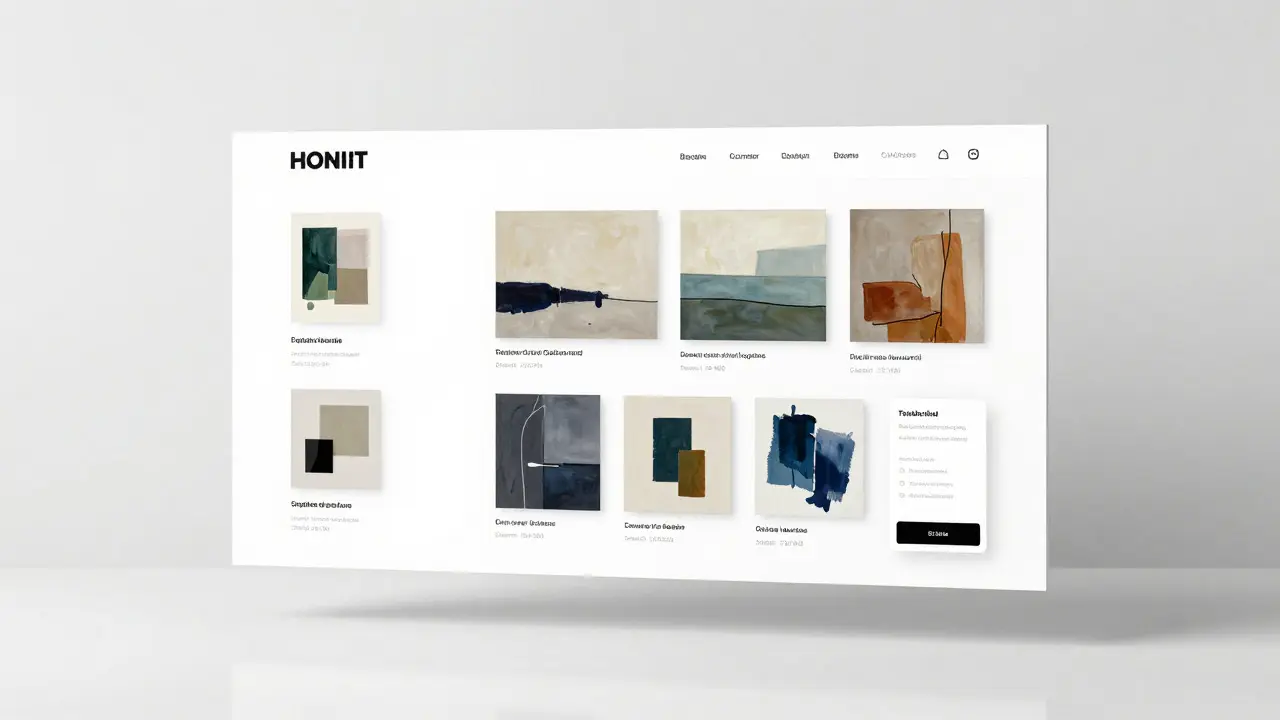
Your website is your storefront. It needs to be more than a portfolio; it must function as a shop. Visitors should be able to see high-resolution images, read detailed descriptions, and check out securely. Platforms like Shopify or Big Cartel offer user-friendly interfaces for non-coders. But the platform matters less than the content. Every page needs to tell a story. Who are you? What drives your creative process? Why does this specific piece matter? Collectors buy into the artist’s vision, not just the object on the wall.
- High-Quality Photography: Use natural light and neutral backgrounds. Show the texture of the paint or the grain of the wood. Include scale references, like a hand or a standard object, so buyers understand the size.
- Storytelling Captions: Don’t just list dimensions. Explain the inspiration behind the piece. Did it come from a personal experience? A specific location? Connect the emotional dots.
- User Experience: Ensure your site loads fast on mobile devices. Most initial browsing happens on phones. If the checkout process takes more than three clicks, you will lose sales.
Pricing Without a Gallery
| Feature | Traditional Gallery | Direct-to-Collector |
|---|---|---|
| Commission | 50% | 0% (only processing fees) |
| Control Over Pricing | Negotiated with Gallery | Fully Autonomous |
| Customer Data | Owned by Gallery | Owned by Artist |
| Marketing Effort | Shared/Managed by Gallery | Fully Managed by Artist |
| Relationship Depth | Mediated | Direct & Personal |
The Power of Email Marketing
Social media is great for discovery, but email is where the money is made. Social algorithms change daily; your email list belongs to you. Start building this list from day one. Offer a free digital guide, a discount code, or early access to new collections in exchange for an email address. Once you have subscribers, send consistent updates. Not every email needs to be a hard sell. Share studio progress, behind-the-scenes videos, or stories about your inspirations. This keeps you top-of-mind. When you launch a new series, your email list is your first audience. They are already interested in your work, making them the highest-converting segment of your potential customers.
Networking Beyond the Studio
Self-representation does not mean isolation. You still need to be seen. Attend local art fairs, open studios, and community events. These face-to-face interactions build trust faster than any digital ad. When people meet you, they invest in you. Introduce yourself to interior designers and architects in your city. They are constant buyers for clients who want unique pieces. Offer them a small commission (10-15%) for referrals. This creates a B2B channel that supplements your direct consumer sales. Also, consider joining artist cooperatives. Co-ops allow you to share space and resources while maintaining individual branding and direct sales rights.

Managing Logistics and Shipping
One of the biggest pain points for direct sellers is shipping. Damaged goods lead to unhappy collectors and bad reviews. Invest in proper packaging materials. Bubble wrap, foam board, and sturdy boxes are non-negotiable. For large pieces, use professional art shippers. Get quotes from at least three providers. Always insure the shipment for its full retail value, not just the replacement cost. Communicate clearly with the buyer about transit times and tracking numbers. A proactive update saying "Your package has shipped and here is the tracking link" reduces anxiety and builds professionalism.
Common Pitfalls to Avoid
Many artists stumble because they try to do everything alone without systems. Do not let administrative tasks eat up your creative time. Batch your tasks. Spend Monday mornings on social media, Tuesday afternoons on email newsletters, and Wednesdays on packaging orders. Keep separate books for your art business. Track income and expenses meticulously. Taxes can surprise you if you haven't been setting aside funds. Finally, avoid perfectionism. You don't need a perfect website before you start selling. Launch, gather feedback, and iterate. The best strategy is the one you actually execute consistently.
Frequently Asked Questions
Is self-representation harder than getting a gallery?
It requires more upfront effort in marketing and administration, but it offers greater long-term stability and profit. Galleries provide exposure but take significant control and revenue. Self-representation demands entrepreneurial skills but rewards you with full ownership of your brand and customer relationships.
How much should I charge for my art if I am just starting out?
Use the square-footage method as a baseline. Multiply the area of the piece by a material cost factor (e.g., $50-$100 per sq ft) and add your labor value. Research comparable artists to ensure your price is competitive but not undervalued. Starting slightly lower to build momentum is acceptable, but avoid deep discounts that devalue your work.
What is the best platform for selling art online?
Shopify and Big Cartel are popular choices for their ease of use and integration with payment processors. Etsy is good for smaller, accessible pieces but has higher fees and less brand control. For high-end works, a custom website with a secure checkout system allows for the most professional presentation and data ownership.
Do I need to pay taxes on art sales?
Yes. Art sales are considered business income. You must report all revenue and deduct legitimate business expenses like materials, shipping, and software subscriptions. Set aside a percentage of each sale (typically 25-30%) for taxes to avoid end-of-year surprises. Consult a tax professional familiar with creative industries for advice specific to your region.
How can I find collectors who appreciate my style?
Target your marketing toward communities that align with your aesthetic. Use hashtags on Instagram and Pinterest that reflect your subject matter. Engage with other artists in your niche. Attend local exhibitions and network with interior designers. Building a consistent visual identity helps the right collectors find you organically.