Security Incident Reporting for Art Galleries: A Practical Guide
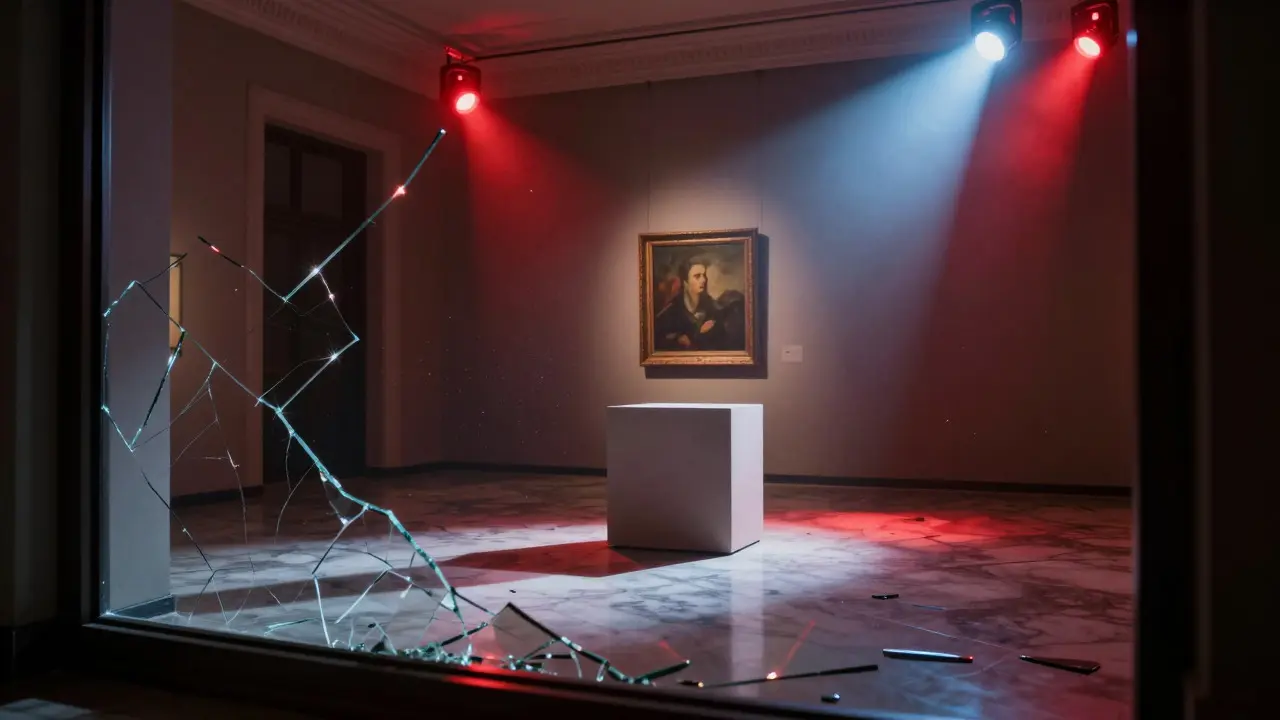
Imagine this: it’s 2:00 AM on a Tuesday. The alarm at your gallery goes off. You rush over to find a shattered window and a missing painting worth $450,000. In the next 24 hours, you aren’t just dealing with shock; you’re dealing with police reports, insurance adjusters, and potential liability claims. If your documentation is messy or late, that payout could shrink by 30% or more. Security Incident Reporting is the structured process of documenting, communicating, and analyzing breaches in physical or digital safety within an art institution. It’s not just about filling out a form after the fact; it’s the backbone of your risk mitigation strategy.
Most gallery owners treat security as a "set it and forget it" task. They install cameras, hire guards, and move on. But when something goes wrong, the lack of a clear reporting protocol creates chaos. This guide breaks down exactly how to handle incidents-from minor thefts to cyber leaks-so you can protect your assets and your reputation.
Why Standard Business Protocols Fail in Galleries
You might think, "I’ll just use the same incident log my retail store uses." That’s a mistake. Retail focuses on high-volume, low-value items. Galleries deal with low-volume, ultra-high-value assets where provenance is everything. A stolen print isn’t just a lost product; it’s a broken chain of custody that affects the artist’s legacy and the collector’s trust.
In the art world, Provenance is the documented history of ownership and authenticity of an artwork. When an incident occurs, if your records don’t clearly link the artwork to its last verified location, insurers may argue depreciation or even deny the claim. Furthermore, digital incidents are rising. With Cybersecurity becoming a top threat, a data breach exposing client emails isn’t just an IT issue; it’s a privacy violation that can lead to lawsuits under GDPR or CCPA.
The 5-Step Incident Response Protocol
When an incident happens, panic is natural, but procedure saves money. Here is the step-by-step workflow every gallery should adopt:
- Secure the Scene: Do not touch anything. If it’s a physical break-in, keep doors locked. If it’s a digital leak, isolate affected servers. Take photos immediately using your phone before moving anything. These initial images are crucial for police evidence.
- Notify Key Stakeholders: Call the police (for crimes) and your insurance broker (for coverage). Don’t wait until morning. Most policies require notification within 48 hours to avoid penalties.
- Document Everything: Use a standardized incident report template. Record who was present, what time the incident started, and the exact condition of the damaged or missing items.
- Preserve Digital Evidence: For cyber incidents, save logs. For physical ones, export CCTV footage to a secure cloud drive immediately. Hard drives fail; cloud backups don’t lie.
- Conduct a Root Cause Analysis: Once the dust settles, ask *why* did this happen? Was the lock faulty? Did an employee leave a door open? Was the firewall outdated? Fix the root cause, not just the symptom.
Physical vs. Digital Incidents: What to Track
Not all incidents look the same. Your reporting metrics need to reflect the specific risks of each type. Below is a comparison of what data points matter most for each scenario.
| Category | Physical Incidents (Theft, Damage) | Digital Incidents (Breach, Leak) |
|---|---|---|
| Primary Evidence | CCTV footage, witness statements, police report numbers | Server logs, IP addresses, email headers |
| Asset Verification | Serial numbers, unique markings, pre-incident photos | Data encryption status, access control lists |
| Financial Impact | Replacement cost, loss of sale revenue | Legal fees, customer compensation, downtime costs |
| Regulatory Body | Local Police Department | Data Protection Authority (e.g., ICO, FTC) |
| Notification Deadline | Usually 48-72 hours to insurer | 72 hours to regulator (GDPR standard) |
Notice the difference in deadlines. While police reports can take days to finalize, regulatory bodies like the Information Commissioner’s Office (ICO) in the UK expect you to notify them within 72 hours of *becoming aware* of a personal data breach. Missing this window can result in fines up to 4% of global turnover.

Building Your Incident Report Template
You don’t need a lawyer to create a good template, but you do need consistency. A robust report should include these five core sections:
- Incident Metadata: Date, time, location, reporter name, and incident ID number.
- Narrative Description: A factual, chronological account of events. Avoid opinions like "the guard was lazy." Stick to facts: "Guard left post at 10:15 PM for 20 minutes."
- Asset Inventory: List every item affected. Include title, artist, year, medium, dimensions, and current valuation. Attach recent condition reports if available.
- Action Taken: Who responded? What immediate steps were taken to mitigate further damage?
- Follow-Up Requirements: Deadlines for insurance claims, legal reviews, or staff training sessions.
Keep this template in a shared, accessible folder. When stress is high, people forget details. Having a pre-filled structure ensures nothing slips through the cracks.
The Role of Insurance in Reporting
Your insurance policy is a contract, and incident reporting is part of fulfilling that contract. Many galleries hold Fine Art Insurance, which covers transit, storage, and display risks. However, insurers often exclude losses caused by "gross negligence." If your incident report shows that you ignored a known vulnerability (like a broken lock reported three months ago), they might use that against you.
To stay protected, maintain a Risk Register. This is a living document that lists all known vulnerabilities and their status. If you report a cracked window frame to maintenance and fix it within a week, you have proof of due diligence. If you ignore it for six months, that “known risk” becomes a liability. Insurers love transparency; they hate surprises.

Common Pitfalls to Avoid
Even experienced curators make mistakes during incidents. Here are the three most common traps:
- Waiting Too Long: Thinking you have time to gather all information before notifying the insurer. In reality, early notification allows the insurer to send experts while the scene is fresh.
- Blaming Staff Immediately: Jumping to conclusions before the investigation is complete. Premature blame can discourage honest testimony from employees who fear retaliation.
- Ignoring Cyber Hygiene: Assuming that because you’re a small business, hackers won’t target you. Small galleries are prime targets because they often have less sophisticated IT defenses than large corporations.
Next Steps for Your Gallery
Don’t wait for a disaster to test your systems. Start with a tabletop exercise. Gather your team, pick a hypothetical scenario (e.g., "A fire alarm goes off during a private viewing"), and walk through your response plan. Where do you get stuck? Who calls whom? How long does it take to find the insurance certificate?
Update your templates annually. Review your CCTV retention policy (most insurers recommend keeping footage for at least 90 days). Ensure your staff knows where the incident forms are stored. Security isn’t just about locks and alarms; it’s about culture. When everyone understands their role in reporting, your gallery becomes resilient.
How long should I keep security incident records?
It is best practice to keep incident records for at least seven years. This aligns with the statute of limitations for many civil lawsuits and satisfies most insurance audit requirements. For digital records, ensure they are backed up securely to prevent data loss.
Do I need to report minor incidents like a scratched frame?
Yes. Minor incidents help identify patterns. If you have multiple scratches near the entrance, it might indicate a handling issue or a structural weakness. Documenting small issues builds a history of due diligence, which protects you in larger claims later.
Who should be included in the incident response team?
Your team should include the gallery director, head of operations, IT manager (or external consultant), and your insurance broker. For smaller galleries, the director and one trusted assistant may suffice, but having a defined list prevents confusion during emergencies.
What is the difference between an incident and an accident?
An accident is usually unintentional and isolated, like dropping a vase. An incident often implies a failure in system or process, such as a theft due to poor lighting. Both must be reported, but incidents require a deeper root cause analysis to prevent recurrence.
How does cybersecurity affect art gallery operations?
Cybersecurity impacts operations by protecting client data, payment information, and digital catalogs. A breach can halt sales, damage reputation, and trigger regulatory fines. Integrating cyber protocols into your general security reporting ensures comprehensive protection.