Seasonal Gallery Events: A Guide to Holiday and Special Occasions
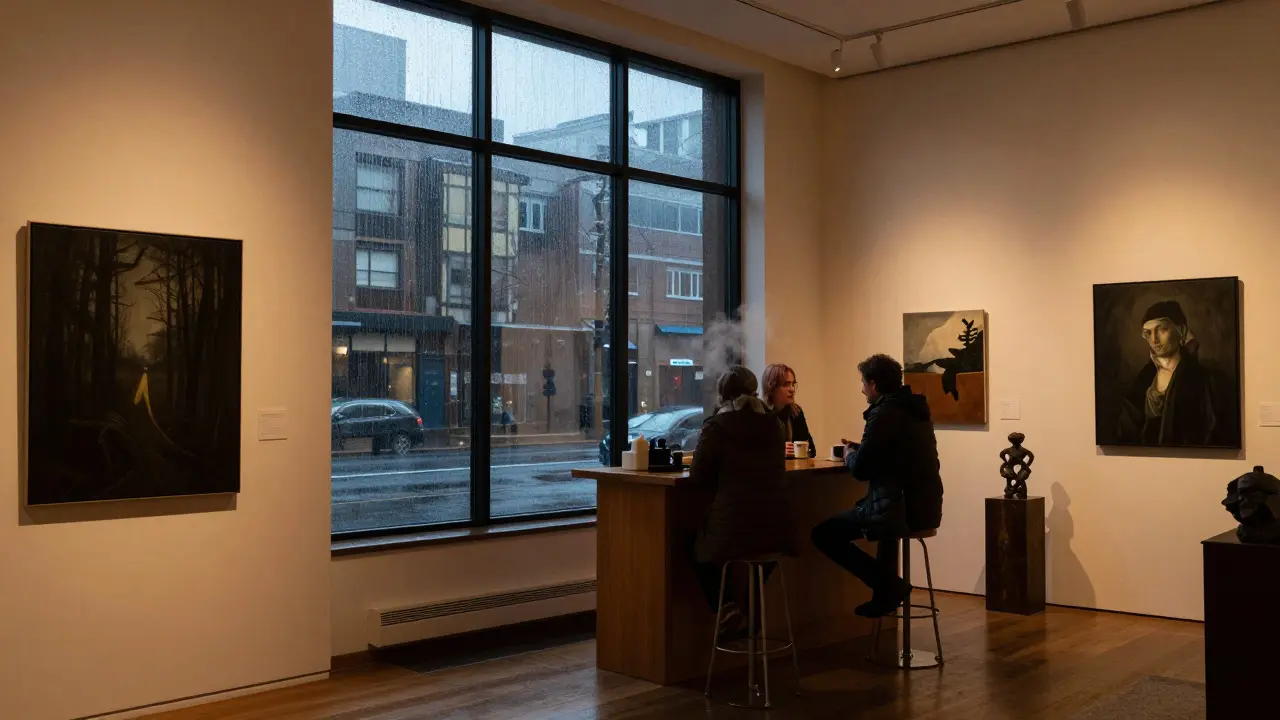
Walking into a gallery in December feels different than walking in on a Tuesday in July. The air is crisper, the lighting is warmer, and the walls are filled with work that speaks to something specific in the collective mood. Seasonal Gallery Events are curated exhibitions and public programs timed to align with cultural holidays, meteorological shifts, or significant community milestones. They are not just displays of art; they are social anchors for cities like Portland, Oregon, where the art scene thrives on these rhythmic pulses.
If you are an artist looking for exposure, a collector hunting for unique pieces, or simply someone who wants to avoid the crowded tourist traps during peak travel times, understanding how these events work is key. You don't need to be an expert to appreciate them, but knowing what to expect can transform a casual walk-in into a meaningful experience. Here is what actually happens when galleries shift their focus for the season, and how you can make the most of it.
Why Galleries Change Their Focus by Season
Galleries are businesses, yes, but they are also cultural institutions. The primary driver behind seasonal programming is audience behavior. In the Pacific Northwest, the weather dictates a lot. From November through February, indoor activities become the default. This creates a surge in foot traffic for indoor venues. Galleries capitalize on this by curating collections that resonate with the interiority of winter-darker palettes, introspective themes, or cozy, tactile works.
Conversely, spring and summer bring outdoor energy. Many galleries in neighborhoods like Alberta Arts District or Pearl District open their doors wider, host evening viewings, and integrate their spaces with street festivals. The goal is to match the emotional state of the viewer. When people are thinking about renewal in April, abstract expressionism might take center stage. When they are preparing for gifting in December, representational works or decorative objects often see higher demand. It is a subtle dance between commerce and culture that has been refined over decades of local practice.
The Holiday Calendar: What to Expect
The holiday season is the biggest commercial window for most commercial galleries. However, "holiday" doesn't just mean Christmas. It encompasses a broader stretch from late October through early January. Each month brings its own flavor:
- October (Halloween & Fall): Expect darker, more whimsical themes. Many contemporary artists explore surrealism or horror aesthetics during this time. It is also a common time for "first looks" at new annual series.
- November (Thanksgiving): This is often a quieter month for sales but a busy one for installations. Galleries prepare for the rush. If you visit, you will likely find fewer crowds and more staff available for conversation. It is the best time to ask detailed questions about provenance or technique.
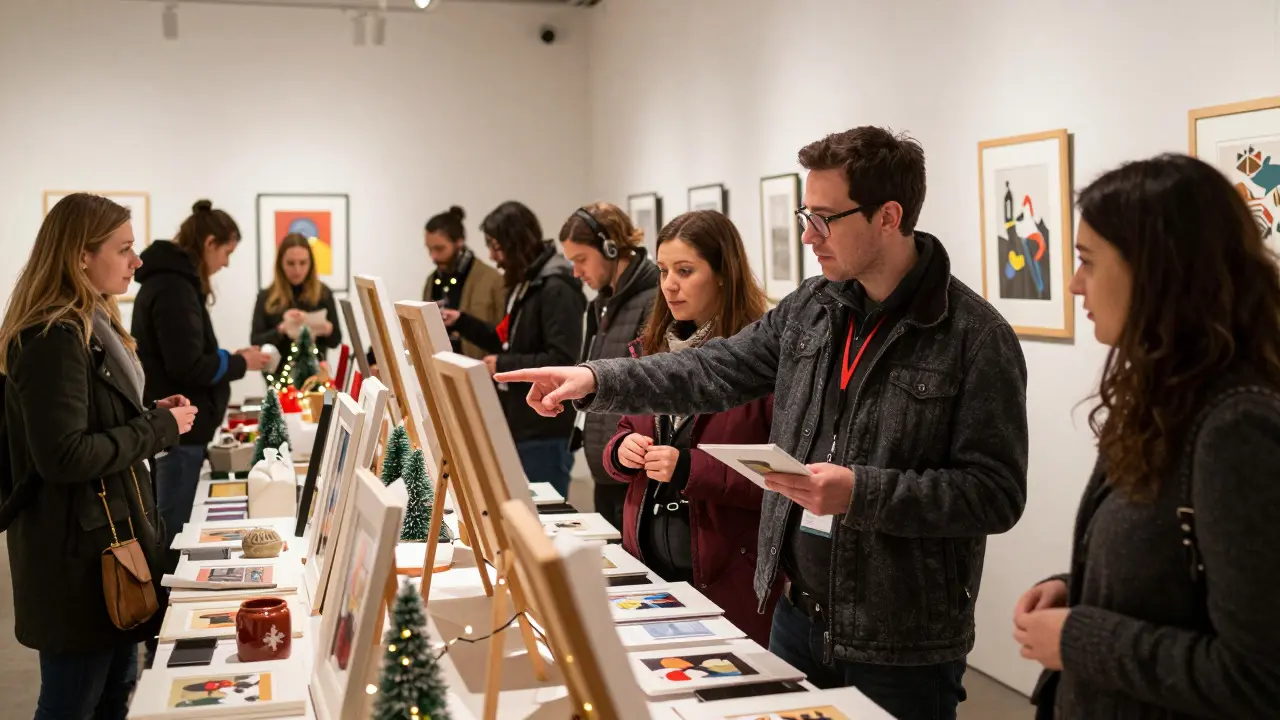
- December (Holiday Gift Guide): The pressure is on. Prices may be fixed, but availability drops quickly. Many galleries extend hours on weekends to accommodate gift shoppers. Look for smaller, portable works that are easier to wrap and ship.
- January (New Year): A reset. This is when galleries unveil their year-long program. It is less about buying and more about planning. You will see press releases, artist talks, and preview nights for the upcoming months.
In Portland specifically, the transition into winter is marked by the rain. Galleries know this. They invest heavily in climate control and lighting because visitors want to feel warm and dry inside. The ambiance is part of the product. Don't underestimate the role of the coffee bar or the seating area; it is where the real conversations happen.
Special Occasions Beyond Holidays
Not every event is tied to a date on the calendar. Some are driven by specific occasions or community needs. These are often more intimate and offer a deeper connection to the local scene.
Artist Open Studios
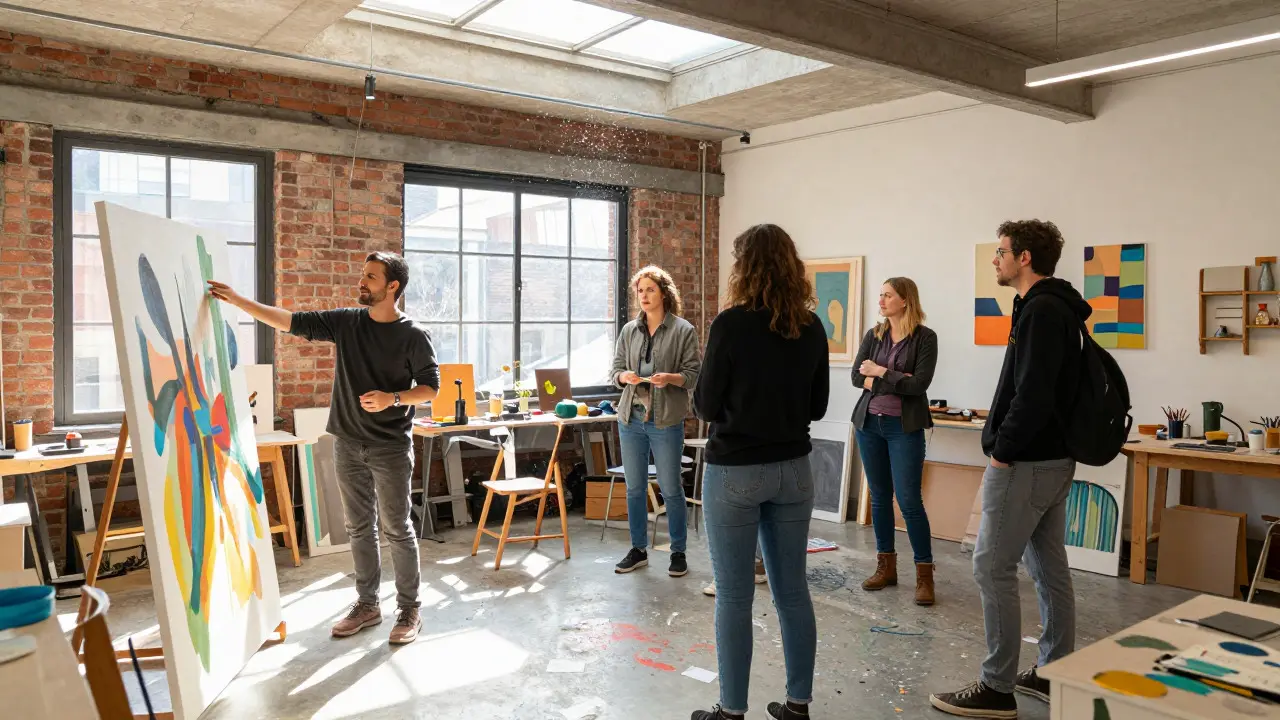
While technically separate from traditional white-cube galleries, Artist Open Studios are a critical part of the seasonal ecosystem. Usually held in May or June, these events allow artists to show work directly in their studios. For buyers, this removes the middleman markup. For collectors, it offers insight into the creative process. It is a rawer, less polished experience than a gallery opening, but often more rewarding if you are interested in supporting emerging talent.
Anniversaries and Milestones
Galleries celebrate their own birthdays. A 10th or 25th anniversary exhibition is a major event. These shows often feature retrospective works from the gallery's history alongside new commissions. They attract serious collectors and critics who want to assess the institution's legacy. If you are building a long-term collection, these events are valuable benchmarks for quality and consistency.
Community Benefit Nights
Many independent galleries host benefit events for local causes, such as housing initiatives or environmental conservation. These nights often include live music, food trucks, and auctions. The art on the walls might be mixed media or collaborative projects. The vibe is communal rather than transactional. It is a great way to meet other locals and understand the social fabric of the neighborhood.
How to Navigate Seasonal Exhibitions Effectively
Visiting a gallery during a special occasion requires a slightly different approach than a routine visit. Here is how to get the most out of your time there.
- Check the Calendar First: Most reputable galleries publish their seasonal calendars online. Look for "Preview Nights" or "Opening Receptions." These are usually free and offer a chance to meet the curator before the general public arrives.
- Time Your Visit Wisely: Avoid the first hour after opening on a Saturday during the holidays. That is peak chaos. Aim for a weekday afternoon or a Sunday morning. You will have better access to the staff and the artwork.
- Ask About Availability: During high-demand seasons, popular pieces sell fast. If you see something you like, ask the docent if it is reserved. Do not assume it is available until you confirm.
- Bring Cash for Small Works: While credit cards are standard, some smaller, limited-edition prints or objects are priced for quick impulse buys. Having cash can speed up the process and sometimes unlock small discounts for immediate payment.
Also, pay attention to the wall text. During special occasions, curators often write longer, more narrative labels. They explain the context of the piece within the theme of the season. Reading these can provide a richer understanding of the work than just looking at the visual elements.
Comparison of Event Types
To help you decide which type of event fits your goals, here is a breakdown of the main categories of seasonal gallery events.
| Event Type | Typical Timing | Primary Goal | Best For | Cost Level |
|---|---|---|---|---|
| Holiday Exhibition | Nov - Jan | Sales & Gifting | Gift Buyers | Variable |
| Anniversary Show | Varies | Celebration & Legacy | Collectors & Critics | High |
| Open Studios | Spring/Summer | Direct Sales & Access | Emerging Artists' Fans | Low-Medium |
| Benefit Night | Year-Round | Fundraising & Community | Local Supporters | Donation-Based |
Common Pitfalls to Avoid
Even experienced visitors can make mistakes during peak seasons. One common error is assuming that all seasonal art is temporary. Sometimes, a piece shown in a holiday exhibit remains in the gallery's permanent inventory for months afterward. Ask the staff about the duration of the exhibition.
Another pitfall is ignoring the digital component. Many galleries now use augmented reality or QR codes to provide extra context. Scanning these can reveal video interviews with the artists or behind-the-scenes footage. It adds depth without requiring you to read dense text.
Finally, do not let the festive atmosphere cloud your judgment. Just because a painting has snowflakes in it does not mean it is high-quality. Evaluate the technical skill, composition, and personal resonance as you would any other work. The season is the frame, not the content.
Frequently Asked Questions
Are seasonal gallery events expensive?
Entry to most seasonal gallery events is free. The cost only comes into play if you decide to purchase a work. Prices vary widely based on the artist's reputation and the size of the piece. There are always options at different price points, from small prints under $100 to large canvases in the thousands.
When is the best time to buy art in Portland?
Late November and early January are often considered the best times. In November, galleries are clearing space for new stock, so you might find negotiable prices on older works. In January, after the holiday rush, galleries may offer discounts on remaining holiday-themed pieces to make room for spring collections.
Do I need to dress formally for a gallery opening?
No. Portland has a very casual art culture. Comfortable shoes are essential because you will be standing for a while. Smart casual attire is appropriate, but you will see everything from jeans and t-shirts to suits. The focus is on the art, not the fashion.
Can I touch the artwork?
Generally, no. Unless the piece is specifically designed for interaction or the label says "Please Touch," keep your hands in your pockets. Oils from skin can damage paper works and photographs. If you are unsure, ask a docent or staff member.
What should I do if I see a piece I like but cannot afford it?
Ask about print editions or smaller works by the same artist. Many galleries carry multiple formats of a single concept. Alternatively, join the gallery's email list. They often notify subscribers when a similar piece becomes available or when an artist releases new, lower-priced work.