School Group Visits to Galleries: A Guide to Partnerships and Planning
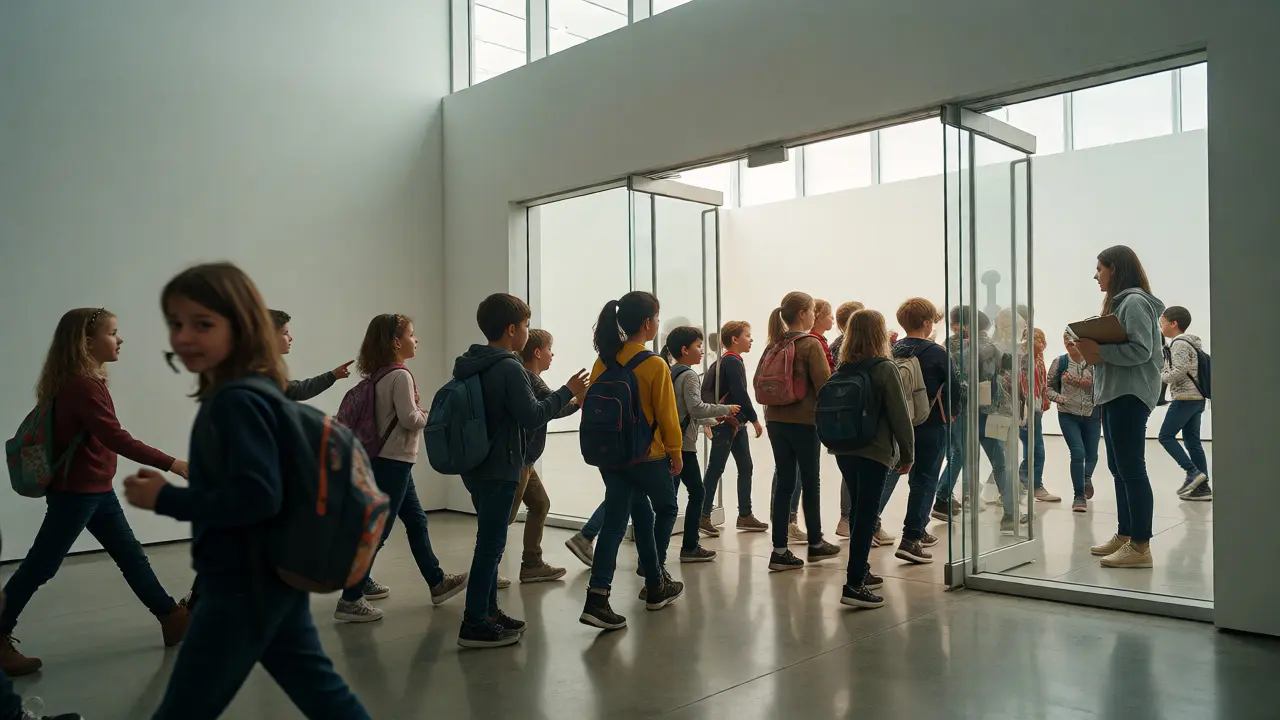
Picture this: twenty restless ten-year-olds flood into a quiet gallery space. One kid is eyeing the fire exit, another is asking if they can touch the sculpture, and you’re trying to remember where you put the permission slips. It’s chaotic, sure. But it’s also the moment where art education either clicks or crashes. School group visits are not just about getting kids out of the classroom; they are high-stakes educational events that require serious logistical muscle and creative partnership. If you’re a teacher, an artist, or a gallery coordinator, you know that a successful visit doesn’t happen by accident. It happens because someone planned for the chaos.
Why Galleries Need Schools (And Vice Versa)
Let’s be real: galleries need audiences, and schools need experiential learning. The relationship isn’t charity; it’s symbiosis. For a gallery, students represent future patrons and critical thinkers. For teachers, a gallery offers a break from textbooks and a chance to make abstract concepts concrete. But this synergy only works if both sides understand what the other needs. Teachers aren’t just looking for a place to burn off energy before lunch. They need alignment with their curriculum. Galleries aren’t just opening doors; they’re curating experiences. This means moving beyond the "look but don't touch" model toward interactive engagement. When a school group arrives, they bring specific learning objectives. If the gallery fails to meet those, the visit becomes a wasted afternoon. Conversely, if teachers treat the gallery like a playground, the institution loses its educational authority. The sweet spot is in the middle: structured freedom.
The Pre-Visit Partnership Model
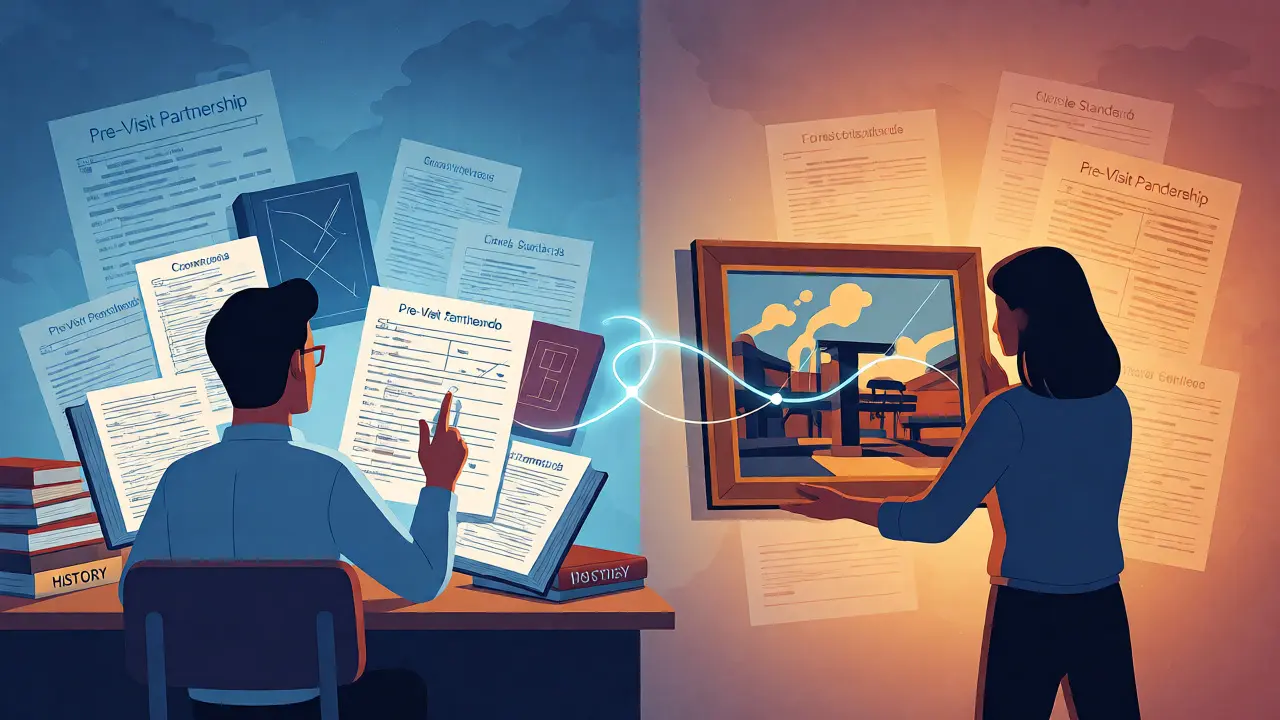
You cannot wing this. The most successful visits start months in advance, not the morning of the trip. Think of it as building a mini-partnership. Before booking the bus, have a conversation. What unit are the students covering? Is it geometry? History? Social justice? Share your lesson plan with the gallery educator. Good galleries will tailor a tour to fit your syllabus. Maybe you’re studying the Industrial Revolution? Ask them to focus on artworks depicting labor or machinery. This pre-visit dialogue transforms a generic tour into a targeted lesson.
- Curriculum Mapping: Identify which state standards your visit supports. Most galleries track these metrics for grant funding.
- Pre-Visit Materials: Request digital resources beforehand. Let students see the artwork online so they arrive with questions, not just curiosity.
- Role Definition: Clarify who leads the discussion. Does the docent lead, or does the teacher facilitate while the docent provides context?
Logistics That Save Your Sanity
Planning is where dreams go to die if you ignore the details. You need a checklist that covers everything from bathroom breaks to bus parking. Here is the hard truth: most gallery spaces were designed for adults, not groups of thirty children. You need to negotiate access. Can your group use a specific entrance? Where do the coats go? Who watches the bags? These small friction points can derail a visit faster than a boring painting.
| Category | Action Item | Who Handles It |
|---|---|---|
| Transportation | Confirm bus drop-off zone and parking availability | Tour Coordinator |
| Accessibility | Verify wheelchair ramps and elevator access for all exhibits | Gallery Staff |
| Supervision | Maintain 1:5 ratio for elementary, 1:10 for high school | Teacher/Aides |
| Timing | Allow 15 minutes buffer for security checks and coat storage | All Parties |
Engagement Strategies Beyond the Tour
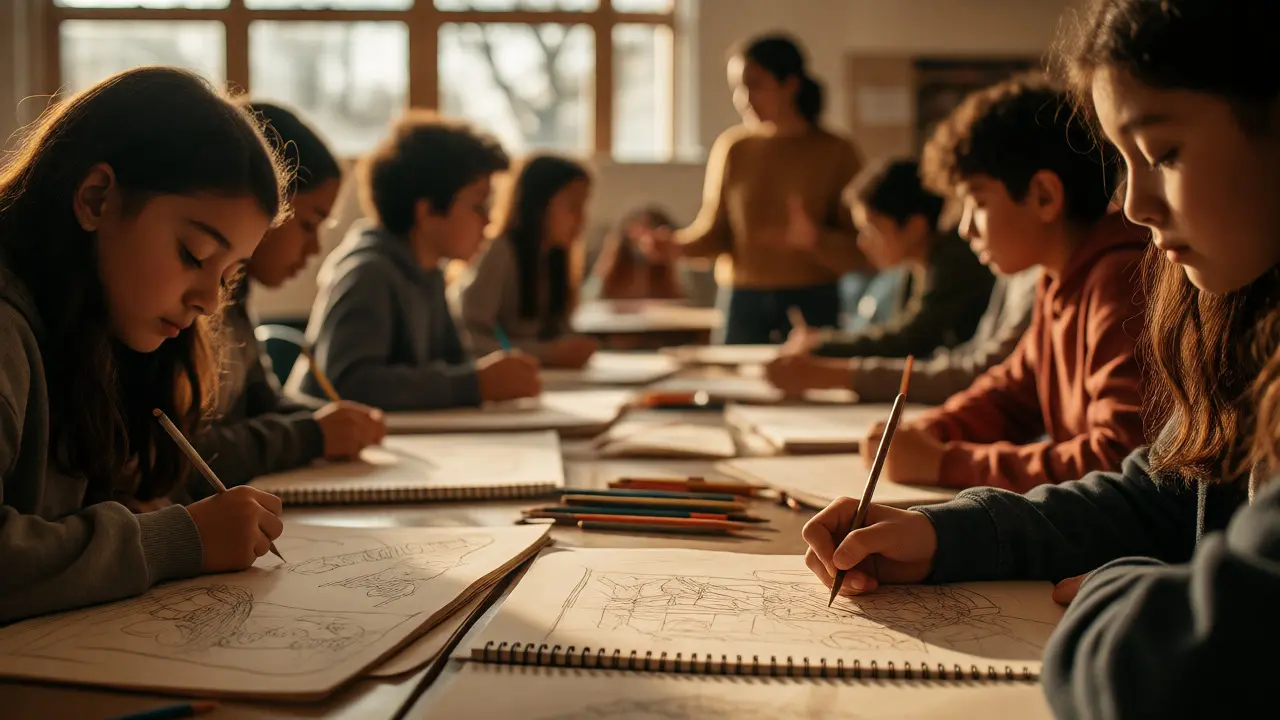
Standing around listening to a guide talk about brushstrokes gets old fast, especially for middle schoolers. You need active engagement. Modern gallery education has moved toward inquiry-based learning. Instead of telling students what they are seeing, ask them what they think. Use techniques like "See, Think, Wonder." Have students sketch one detail instead of trying to copy the whole piece. Sketching slows them down and forces observation. It turns passive viewers into active detectives.
Consider incorporating a scavenger hunt element. Give them a card with three specific things to find. This gives them agency and keeps them moving through the space without wandering aimlessly. For older students, debate works well. Pick a controversial piece and split the group: half defend it, half critique it. Suddenly, art history feels alive and relevant.
Post-Visit Integration
The visit ends when you leave the building, but the learning shouldn’t stop there. Many teachers make the mistake of treating the field trip as an isolated event. Connect it back to the classroom immediately. Have students write a reflection letter to the artist. Or better yet, have them create their own art inspired by what they saw. This reinforces the neural pathways formed during the visit. Galleries often provide post-visit kits or follow-up workshops. Take advantage of them. Some institutions even offer digital portfolios where students can upload their work and get feedback from gallery educators. This continuity builds long-term relationships between the school and the cultural institution.
Funding and Budget Realities
Let’s talk money. Field trips are expensive. Bus rentals, admission fees, substitute teachers-it adds up. Many public galleries offer free or discounted entry for schools, but transportation costs remain a barrier. Look for grants specifically designed for arts integration. Organizations like the National Endowment for the Arts or local community foundations often fund these trips. Partner with parent-teacher associations for fundraising. Frame it as an investment in literacy and critical thinking, not just "fun day out." Data shows that students who engage with arts regularly perform better in reading and math. Use that statistic when pitching to your principal or school board.
How many chaperones do we really need for a gallery visit?
The general rule of thumb is one adult for every five students in elementary school and one for every ten in high school. However, if your group includes students with special needs or behavioral challenges, increase this ratio. Galleries often require chaperones to sign liability waivers, so ensure you have enough volunteers who are cleared to enter the facility.
Can students take photos inside the gallery?
It depends entirely on the exhibition. Permanent collections often allow photography without flash, while special loan exhibitions may prohibit it due to copyright restrictions from lending museums. Always check the specific policy for the exhibit you are visiting. If photos are allowed, remind students that phones should be silenced and used sparingly to avoid disrupting the atmosphere for other visitors.
What should we do if a student misbehaves during the tour?
Address it quietly and immediately. Remove the student from the immediate area with a chaperone rather than stopping the entire tour. Most galleries have a code of conduct that prohibits running or loud voices. Establish these rules clearly before entering the gallery space. Prevention is easier than correction, so set expectations at the bus or in the lobby.
Are school visits worth it for high school students?
Absolutely, but the approach must change. High schoolers respond poorly to childish tours. Focus on career connections, social issues, or historical context. Invite them to critique the curation itself. Ask why certain pieces were chosen over others. This level of analysis respects their intellectual maturity and makes the visit feel like a professional development opportunity rather than a babysitting service.
How far in advance should we book a gallery visit?
For large groups, book at least four to six weeks in advance. Popular galleries fill up quickly, especially during spring semester. Smaller groups might get away with two weeks, but you risk limited availability for guided tours. Booking early also allows time for the gallery to prepare tailored materials or arrange for a specialist educator to lead the session.