Salvage and Recovery in Art Insurance: Post-Loss Steps Guide
Understanding Salvage in Fine Arts Coverage
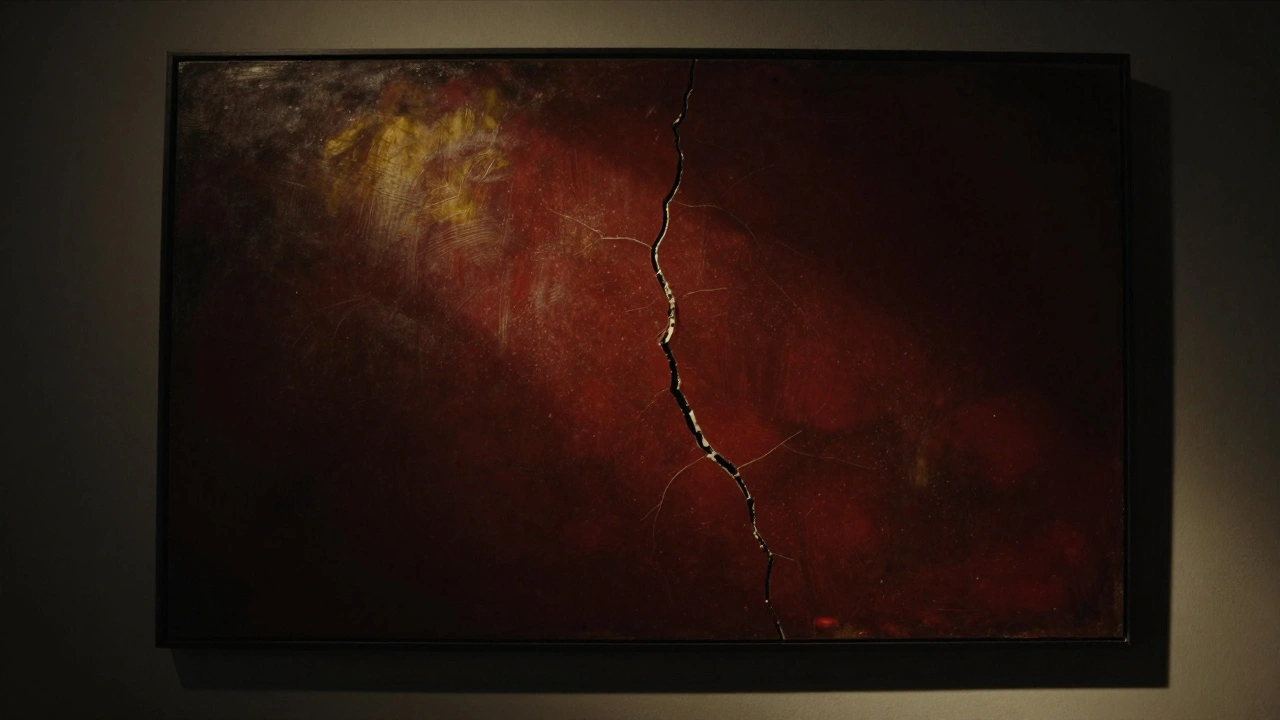
When a valuable painting cracks or a sculpture chips, the immediate reaction is panic. However, for anyone holding a policy, the next phase matters just as much as the initial alarm. You are dealing with Art Insurance, specialized coverage designed to protect fine arts assets against damage, theft, and destruction. One of the most confusing aspects of these policies involves salvage rights. What happens to the broken object once the adjuster arrives?
The insurer often wants the rights to whatever remains. This isn't about greed; it is about recouping losses. When you file a claim, the policy usually states that ownership of the damaged item transfers to the carrier upon settlement payment. This concept is known as Salvage Rights, the legal entitlement of an insurance company to retain ownership of a damaged insured property after compensating the policyholder. If you want to keep the piece for sentimental reasons or potential restoration, you must negotiate this early.
Deciding Between Total and Partial Loss
Not every damaged piece results in a full payout. Determining whether an item is a total loss or eligible for partial repair dictates everything. Insurers assess the cost of repair against the market value of the work.
If the restoration cost exceeds a certain percentage of the appraised value, they declare a total loss. For example, if a $50,000 contemporary sculpture needs repairs costing $30,000, some policies trigger a total loss declaration. In other cases, if the damage is superficial, like a frame break, it falls under Partial Loss, damage that allows the insured item to be restored rather than replaced or fully paid out.
- Total Loss: Item is beyond economic repair or stolen entirely.
- Partial Loss: Item can be repaired to its pre-loss condition.
- Constructive Total Loss: Repair costs exceed the item's remaining value.
This distinction changes your interaction with the carrier. With a partial loss, you have leverage. You can request permission to hire your preferred conservator instead of using the insurer's approved vendor list. This choice significantly impacts how well the work is returned to its original state.
The Role of the Claim Adjuster
You will meet a professional whose job is to minimize the payout while verifying the damage. This person is the Claim Adjuster, an official who investigates insurance claims and settles them for an insurance company. They are often generalists, meaning they may know cars and homes better than Renaissance oils.
This is why hiring an independent consultant is crucial during the inspection. An expert conservator acts as your advocate during the assessment. They provide documentation that proves the scope of damage beyond what an untrained eye sees. Without this third-party report, the adjuster might underestimate the necessary work, leaving you with an insufficient settlement for actual repairs.
In 2026, many carriers now require digital documentation before any physical touch. Photographs must show serial numbers, previous condition reports, and environmental data. Ensuring your evidence aligns with these modern verification standards speeds up the Claim Process, the structured procedure for reporting an incident and receiving financial compensation from an insurer.

Financial Mechanics of Salvage
If you decide to keep the damaged item rather than letting the insurer take it, the math shifts. You agree to a reduced settlement. The carrier pays you the full agreed value minus the residual value of the wrecked art.
This deduction is called Salvage Value, the estimated worth of the damaged property after an insurance claim is paid. For high-end works, this calculation is messy. An abstract expressionist canvas with paint loss still holds significant value due to provenance. A mass-produced print has almost zero salvage value once torn.
| Damage Type | Typical Outcome | Salvage Retained By |
|---|---|---|
| Fire Smoke Damage | Total Loss | Insurer |
| Minor Frame Crack | Repair Only | Owner |
| Tear in Canvas | Negotiable | Can Buy Back |
| Severe Water Staining | Total Loss | Insurer |
Buying back the salvage allows you to attempt repairs yourself or sell the debris. Sometimes the materials alone are valuable. Old bronze sculptures or antique wood panels often fetch money as scrap metal or material sources, offsetting the payout reduction.
Subrogation and Third-Party Liability
Sometimes the damage wasn't random. Maybe a contractor drilled through a wall near a display, or a neighbor's fire spread. In these cases, the insurance company doesn't just pay and move on. They exercise Subrogation, the right of an insurer to seek compensation from a responsible third party after paying a claim.
This means the insurer sues the negligent party to recover their money. As the policyholder, you cannot sue separately for the same damages once they step in. Your focus shifts to cooperating with their legal team. Documentation becomes evidence. This process can drag on for years, especially with large institutions or complex liability laws in jurisdictions like New York or London.
Your cooperation is legally required under the policy terms. Hindering subrogation efforts can void future coverage. Keep communication lines open with your carrier regarding any potential liable parties identified during the investigation.
Conservation and Restoration Ethics
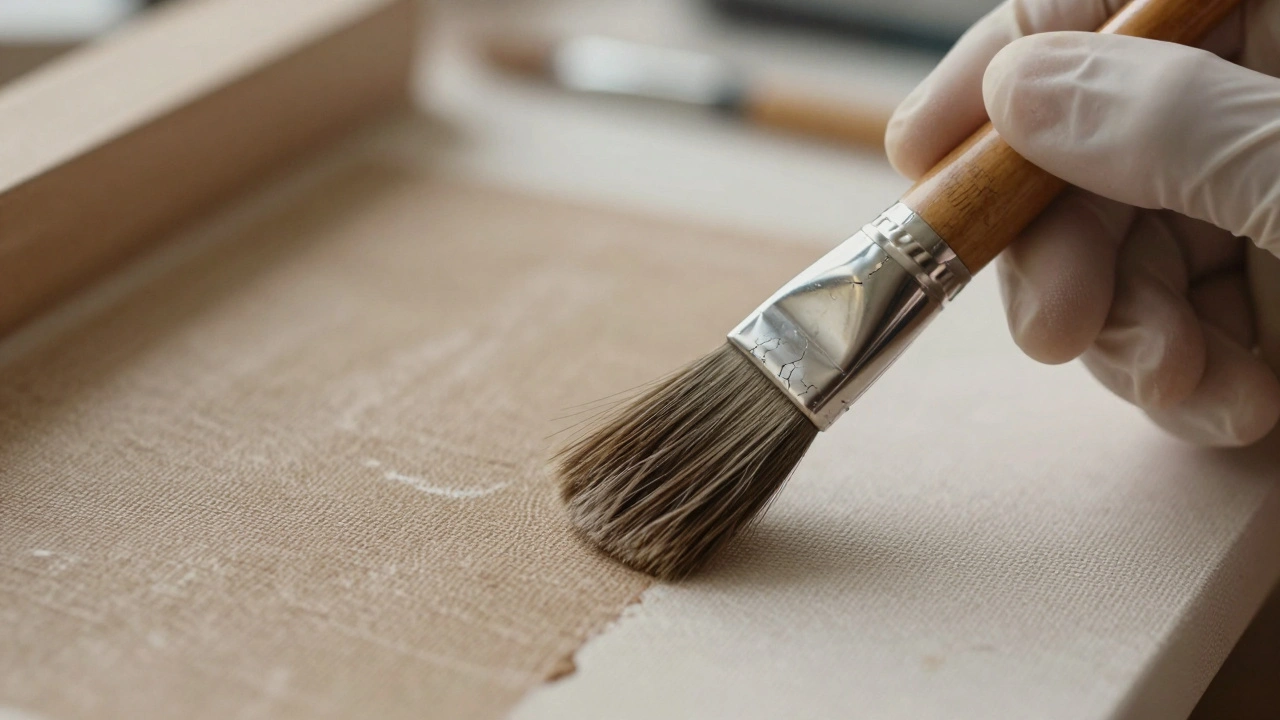
Restoring art isn't like fixing a car bumper. It requires ethical adherence to museum standards. The goal is reversibility. Any glue or varnish added today must be removable tomorrow without harming the original pigment.
Conservation, the practice of preserving cultural heritage objects, such as artworks, through scientific study and skilled treatment professionals follow strict codes of ethics set by bodies like the American Institute for Conservation. Your insurer should require these certifications when authorizing repairs.If you ignore these standards to save money, the value of the piece drops permanently. Future buyers will detect non-professional intervention. High-end appraisal firms discount works with poor conservation history significantly. Prioritize quality over speed when signing off on repair invoices.
Navigating the Timeline
A common pitfall is rushing the paperwork. Policies have specific deadlines for notification. Waiting too long to report water damage because you hope it dries naturally can be grounds for denial. Once you identify a loss, call immediately.
Standard timelines typically involve:
- 24 Hours: Initial notification to broker or carrier.
- 30 Days: Submission of formal proof of loss form.
- 6 Months: Final settlement agreement deadline.
Delays affect the ability to mitigate further damage. Courts view neglect differently than accidental delay. Keeping a log of every phone call, email, and visit is essential for your records.
Managing Expectations on Value
Remember that insurance values based on replacement cost at the time of purchase. Market appreciation isn't always guaranteed. Agreed Value policies protect you best here. These lock in the valuation at inception so disputes later are minimal.
Fluctuations in the market mean that Appraisal, the professional estimation of an item's monetary value for insurance or sale purposes documents need frequent updates. Annual reviews prevent gaps in coverage limits. If an artist gains fame between purchase and loss, ensure your binder reflects the new status.
Can I refuse to give the salvage to the insurance company?
Yes, but the payout will decrease. If you elect to retain ownership of the damaged item, the insurer deducts the estimated salvage value from your settlement check. You then own the risks associated with repairing or disposing of the piece yourself.
Who chooses the restoration expert?
Policies often specify approved vendors. However, many high-value contracts allow you to submit a proposal for your preferred conservator for review. The insurer retains approval rights to ensure the work meets standards.
Does salvage value cover the deductible?
No. The salvage value is deducted from the total claim amount separately. Your deductible is still applied as per your policy terms before any net settlement calculation occurs.
How long does the salvage negotiation last?
Usually, this is decided within the final settlement offer. Negotiating salvage retention extends the timeline slightly as the carrier needs to document the residual value assessment formally.
What if I buy back the salvage and it gets destroyed later?
Once the salvage is yours, the claim is closed. Further damage requires a separate new policy or coverage extension. The original claim does not cover subsequent incidents regarding the salvaged property.