Sales Interview Questions for Hiring Gallery Staff
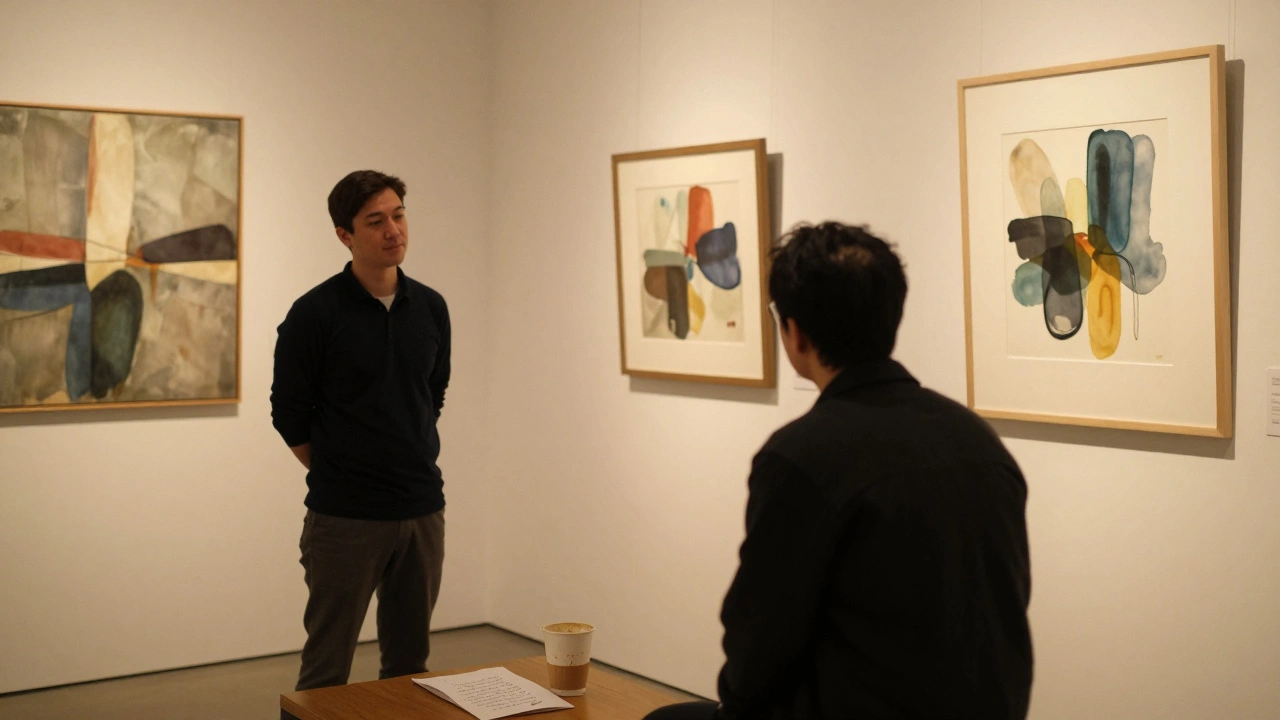
Why Sales Skills Matter More Than You Think in Art Galleries
Running an art gallery isn’t just about hanging beautiful pieces on the wall. It’s about connecting people to art they didn’t know they needed. The person who greets your visitors, explains the artist’s story, and helps them see value in a $12,000 painting? That’s your salesperson. And if you’re hiring gallery staff without testing real sales ability, you’re leaving money-and relationships-on the table.
Unlike retail or tech sales, gallery sales are slow, emotional, and deeply personal. Buyers aren’t looking for the cheapest option. They’re looking for meaning, authenticity, and trust. That’s why generic sales questions like "How do you handle objections?" won’t cut it. You need questions that reveal how a candidate thinks about value, connection, and patience.
What to Look for in a Gallery Sales Staff Member
Good gallery staff don’t just push sales. They build relationships. They remember names. They notice when someone lingers in front of a piece for more than 30 seconds. They know when to speak and when to step back.
Here’s what separates the best from the rest:
- Emotional intelligence: Can they read a person’s body language and adjust their approach?
- Art knowledge without arrogance: Do they understand the artist’s process, or do they just repeat brochures?
- Patience with uncertainty: Art buyers often take months to decide. Can they stay engaged without being pushy?
- Authentic curiosity: Do they ask questions because they care, or just to close a sale?
If your candidate answers every question with a script, walk away. The best gallery staff are natural storytellers, not sales robots.
Top 8 Sales Interview Questions for Gallery Staff
1. Tell me about a time you helped someone buy something expensive for the first time.
This isn’t about the sale. It’s about the process. Did they listen? Did they explain why the item was worth it? Or did they just talk over the buyer’s hesitation?
Look for answers like: "I noticed she kept going back to the watercolor. I didn’t mention the price. Instead, I asked what emotion she felt looking at it. She said it reminded her of her grandmother’s garden. I shared how the artist painted it during her own mother’s illness. She bought it that day."
2. How would you handle a visitor who says, "I love this piece, but I’m not sure I can afford it?"
A bad answer: "We have payment plans."
A good answer: "I’d ask what about the piece speaks to them. Then I’d share the artist’s story-the time it took to create, the materials used, the exhibition history. Sometimes, people don’t realize they’re not just buying art. They’re investing in a legacy. I’d help them see that."
The right response shows they understand art as an emotional purchase, not a financial one.
3. What’s the most unusual question you’ve ever been asked by a buyer?
This reveals curiosity and adaptability. Did they shut down a weird question? Or did they lean in?
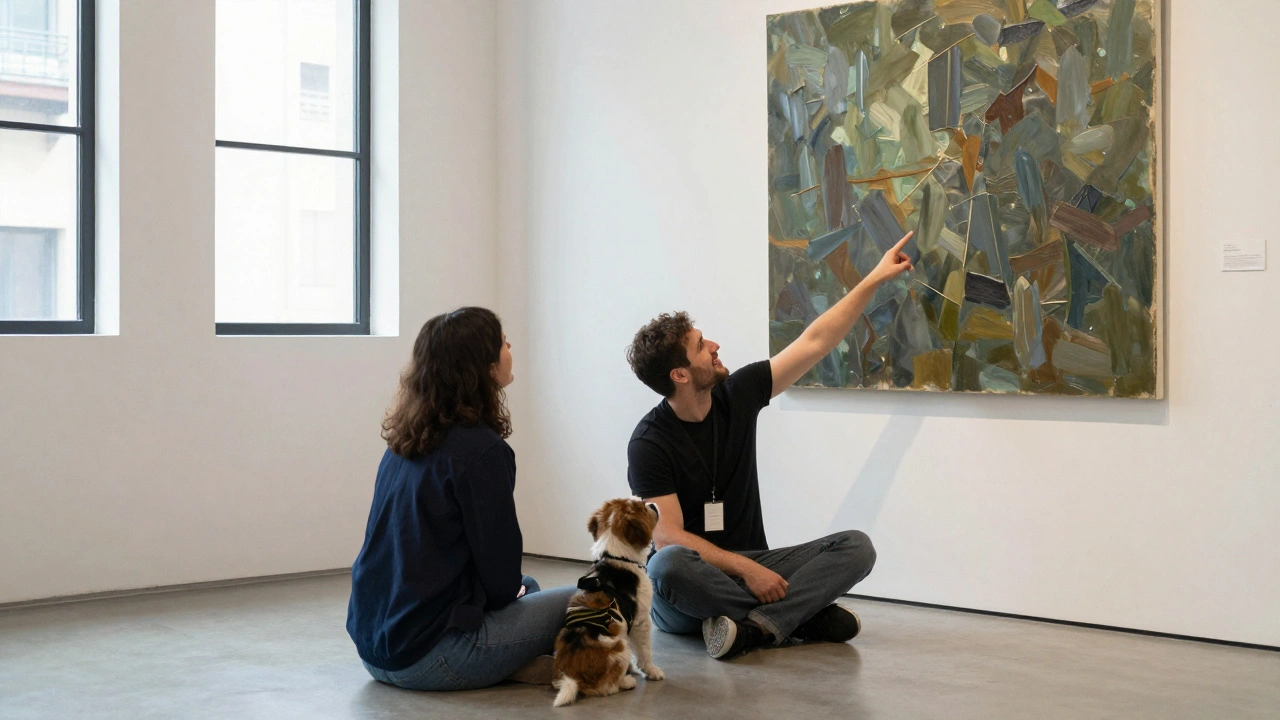
One candidate told me a buyer asked, "Can I bring my dog to see it?" Instead of laughing, they said, "Of course. Art should be lived with." They brought the dog in, let the buyer sit on the floor with them both, and ended up closing the sale. That’s the kind of flexibility you want.
4. Describe how you’d introduce a new artist to a regular customer who’s never heard of them.
This tests whether they can bridge familiarity and discovery. The best answers involve personalization: "I’d check their past purchases. They liked abstract landscapes. This artist uses similar brushwork but adds texture with crushed stone. I’d bring in a sample swatch and say, ‘You’ve always responded to movement-this takes it further.’"
They’re not just selling art. They’re extending a collector’s story.
5. How do you keep track of what a buyer cares about?
CRM tools are useless if the staff doesn’t remember details. Don’t just ask if they use Salesforce. Ask how they remember.
One top hire said: "I write notes in my phone right after the visit. Not just ‘likes blue paintings.’ I write, ‘Wants something that feels like a quiet storm-mentioned her late husband’s coastal cabin.’" That’s the kind of detail that turns a one-time buyer into a lifelong collector.
6. What’s something you’ve learned from a customer that changed how you sell?
The best salespeople learn as much as they teach. Look for answers like: "A woman told me she didn’t buy art because she felt it was for rich people. I realized I’d been assuming everyone saw it the same way. Now I start every conversation with, ‘What’s your relationship with art?’ That opens the door."
That’s humility. That’s growth. That’s what you need.
7. Walk me through how you’d handle a buyer who’s interested but keeps delaying.
Art sales take time. A candidate who says, "I’d follow up weekly" isn’t wrong-but they’re not great. The best say: "I don’t follow up on a schedule. I follow up on a trigger. If they mentioned a gallery opening next month, I’ll send a photo of the new piece with, ‘Thought of you-this one reminded me of your comment about texture.’"
It’s not about persistence. It’s about relevance.
8. If you had to choose between closing a sale today or building trust for a bigger sale in three months, which would you pick-and why?
This is the ultimate test. The answer isn’t about ethics. It’s about strategy.
Strong candidates say: "I’d build trust. One long-term collector is worth ten one-time buyers. I’ve seen galleries lose clients by pushing too hard. The ones that thrive? They’re patient. They’re present. They become part of the buyer’s life."
Red Flags to Watch For
Here are signs you’re talking to someone who won’t last:
- They talk more about commissions than connection.
- They can’t name a single artist beyond the gallery’s most famous one.
- They say things like, "I just need to hit my number."
- They treat the gallery like a retail store, not a cultural space.
One candidate told me, "I used to sell jewelry. I’ll treat art the same way." That’s a red flag. Jewelry is a purchase. Art is a commitment.
What to Ask About Their Art Knowledge
You don’t need them to be an art historian. But you do need them to care enough to learn.
Ask: "Which local artist’s work do you admire right now, and why?"
Or: "What’s a recent exhibition you saw that stayed with you?"
Don’t accept "I don’t know much about art." That’s not ignorance-it’s disinterest. The best gallery staff are lifelong learners. They read artist interviews. They visit studios. They follow art blogs. If they don’t, they won’t connect.

Final Thought: You’re Hiring a Guide, Not a Salesperson
Art galleries don’t need people who can close deals. They need people who can open minds.
Every great gallery has one thing in common: the staff who make visitors feel like they’re not just buying a painting-they’re joining a conversation. That’s what you’re hiring for. Not a sales target. A relationship.
Mini Checklist: What to Look for in Your Next Hire
- Can they recall personal details from a past conversation?
- Do they talk about art as emotion, not price?
- Do they ask more questions than they answer?
- Do they seem genuinely curious about the artist’s story?
- Do they understand that patience isn’t a delay-it’s part of the process?
Do gallery staff need formal sales training?
Not necessarily. Many of the best gallery salespeople come from hospitality, education, or even museum roles. What matters isn’t certification-it’s emotional intelligence and genuine interest in art. That said, training in active listening, value-based selling, and CRM use can help. Focus on hiring for attitude and then build the skills.
How do I test a candidate’s art knowledge during the interview?
Bring in a piece from your collection you haven’t promoted yet. Ask them to describe it-not in terms of price or technique, but in emotion. What story do they see? How would they explain it to someone who’s never seen anything like it? Their interpretation reveals more than any quiz ever could.
Should I hire someone who’s passionate about art but has no sales experience?
Yes-if they show curiosity, empathy, and the ability to learn. Many top gallery staff started as volunteers. Passion + teachability > sales jargon. Look for people who read artist bios, attend artist talks, and ask thoughtful questions. Those traits can be trained. A scripted salesperson can’t.
What CRM tools work best for art galleries?
Many galleries use HubSpot or Salesforce with custom fields for collector preferences, past purchases, and personal notes. But the tool doesn’t matter if the person using it doesn’t remember that Mrs. Chen loves abstract ceramics because her grandmother was a potter. The best CRM is a human memory backed by a simple note system.
How do I know if my current staff are good at sales?
Look at retention, not just revenue. Do repeat buyers come back because they love the art-or because they love the staff? Ask collectors: "Who made you feel understood?" The names that come up are your real sales stars. Track those interactions. They’re your best metric.