Relocating an Art Gallery: How to Plan a Smooth Move
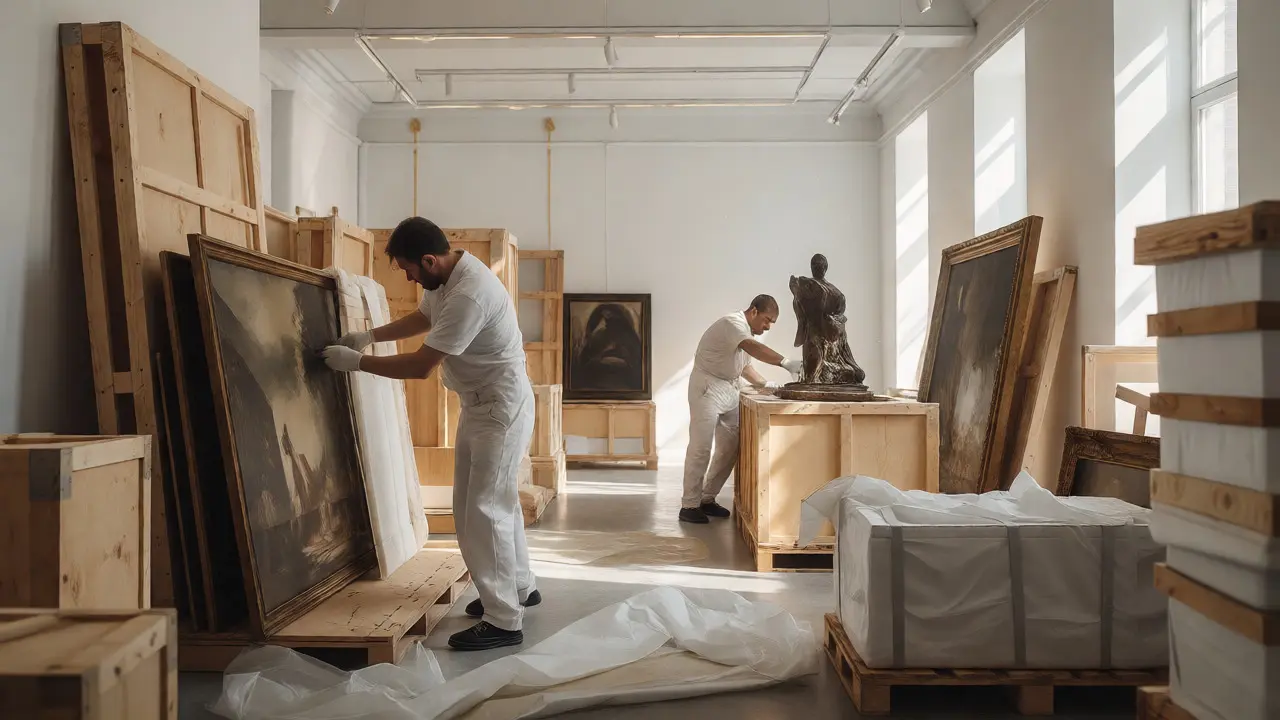
Moving a living room is hard. Moving a art gallery is a different beast entirely. You aren't just hauling furniture; you're transporting irreplaceable assets that can shatter from a single vibration or fade under the wrong light. If you've ever watched a mover drop a crate of ceramics, you know the panic isn't just about money-it's about history.
Most gallery owners underestimate the logistical nightmare of a move until they're standing in an empty white cube with boxes everywhere. The difference between a chaotic scramble and a seamless transition comes down to preparation. It’s not about luck; it’s about treating your inventory like the fragile, high-value cargo it actually is. Here is how you get from Point A to Point B without losing your mind-or your masterpiece.
Why Standard Movers Fail Art Galleries
You might think hiring a local moving company is the obvious choice. They are cheaper, and they have trucks. But standard movers operate on volume logic. They stack things tight to maximize space. In the world of fine art logistics, stacking is a death sentence for anything unframed or improperly crated.
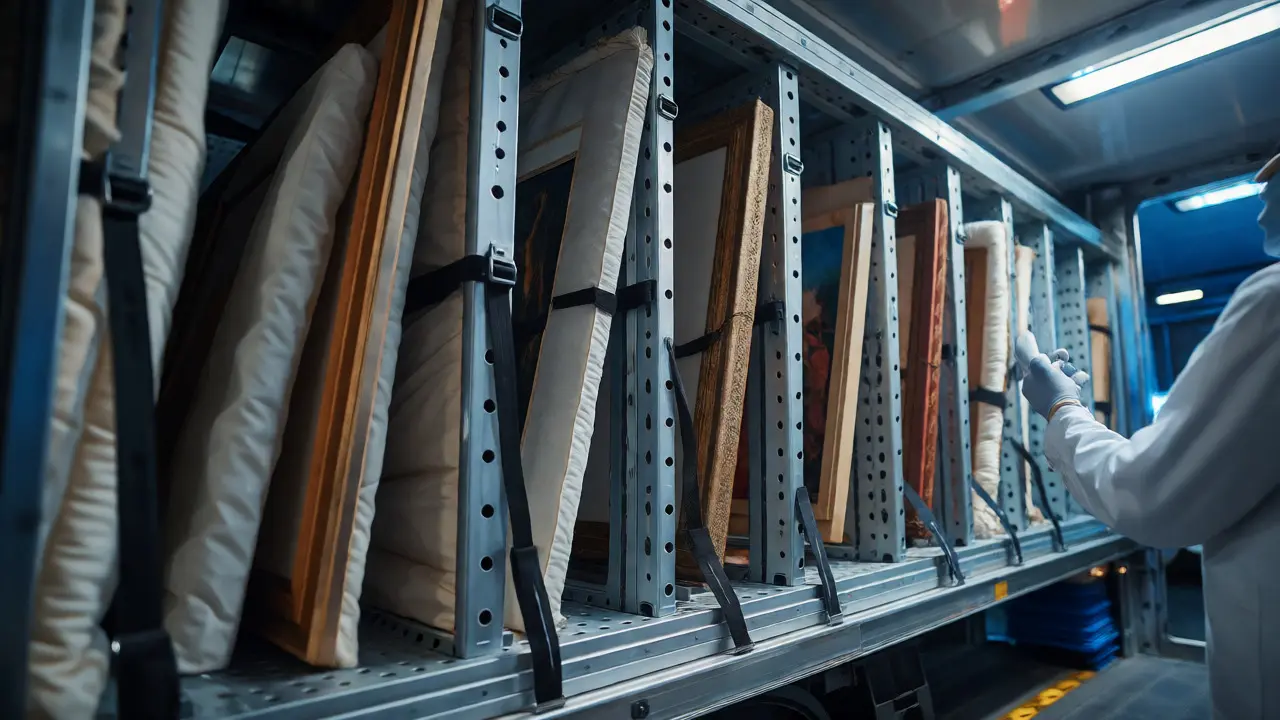
Regular crews don’t understand climate control. They don’t know why humidity matters when you’re moving oil paintings across town in July. And they certainly don’t treat a canvas wrapped in bubble wrap as sacred. When you hire generalists, you risk damage that insurance might cover financially but can never repair emotionally or aesthetically. Specialized art handlers use custom crates, acid-free materials, and vehicles with air-ride suspensions to dampen road vibrations. That distinction saves you thousands in potential restoration costs later.
Inventory and Valuation Before You Pack
Before a single brush touches a box, you need a complete audit. This isn’t just for insurance; it’s for peace of mind. Create a detailed manifest that includes:
- Title and Artist: Obvious, but essential for tracking.
- Medium and Dimensions: Oil on canvas? Bronze sculpture? Frame dimensions matter more than artwork dimensions for packing.
- Condition Report: Take high-resolution photos of every piece, front and back, before packing. Note existing cracks, chips, or frame damage.
- Estimated Value: Current market value, not what you paid ten years ago.
If you’re moving internationally, this step is critical for customs. You’ll need provenance documents ready to go. For domestic moves, this list becomes your checklist during unpacking. If a painting arrives with a new scratch, you need proof it wasn’t there before. Digital backups of these reports should live in the cloud, not just on a laptop in the truck.
The Packing Protocol: Materials Matter
Bubble wrap is often a villain in art preservation. Why? Because plastic can react with certain varnishes and paints over time, especially if trapped against the surface. Instead, pros use glassine paper or acid-free tissue to protect the face of the work. Then, they add a layer of foam or polyethylene foam for cushioning.
Framed works require corner guards-those little cardboard or plastic triangles that prevent dings on the frame edges. Unframed canvases should be rolled (if large) or laid flat in sturdy wooden crates lined with foam. Sculptures are the trickiest. Each one needs a custom mount inside its crate so it doesn’t shift. If you’re DIY-ing this part, buy professional-grade materials. Don’t skimp on tape or padding. Cheap materials fail under stress, and stress happens when someone trips while carrying a heavy crate.
| Material | Best For | Risk Factor | Cost Efficiency |
|---|---|---|---|
| Glassine Paper | Oil paintings, pastels | Low (acid-free) | High |
| Bubble Wrap | Frames, sculptures | Medium (chemical reaction) | Medium |
| Custom Wooden Crates | High-value, international | Low (structural) | Low (expensive) |
| Styrofoam Blocks | Ceramics, glass | Medium (crumbling) | High |
Logistics: Timing and Climate Control
When you move matters almost as much as how you move. Avoid extreme weather days if possible. High heat can soften wax-based mediums; freezing cold can make varnish brittle. If you must move in Portland’s rainy season or summer heat waves, ensure your transport vehicle has active climate control. Passive insulation isn’t enough for long drives.
Schedule the move during off-peak hours. Early morning or late evening reduces traffic, which means less vibration and fewer stops. Every stop-and-start puts stress on stacked crates. Also, consider the route. Avoid roads known for rough pavement or construction detours. A smooth ride is a safe ride. If you’re using a third-party carrier, ask specifically about their suspension systems. Air-ride suspension is non-negotiable for serious collections.
Insurance Coverage: Read the Fine Print
Your standard business liability policy probably doesn’t cover transit damage adequately. You need a specific rider for “transit” or “in-transit coverage.” Most carriers offer limited liability based on weight, not value. If your $50,000 painting weighs five pounds, you might only get reimbursed $10 per pound-$50 total. Yikes.
To fix this, purchase full-value protection. It costs more, but it guarantees replacement cost if the item is destroyed or irreparable. Document everything again at delivery. Open crates in front of the movers if possible. Sign off on condition only after inspection. Once you sign, you’ve accepted the state of the goods. Don’t let fatigue rush this step.
Setting Up the New Space
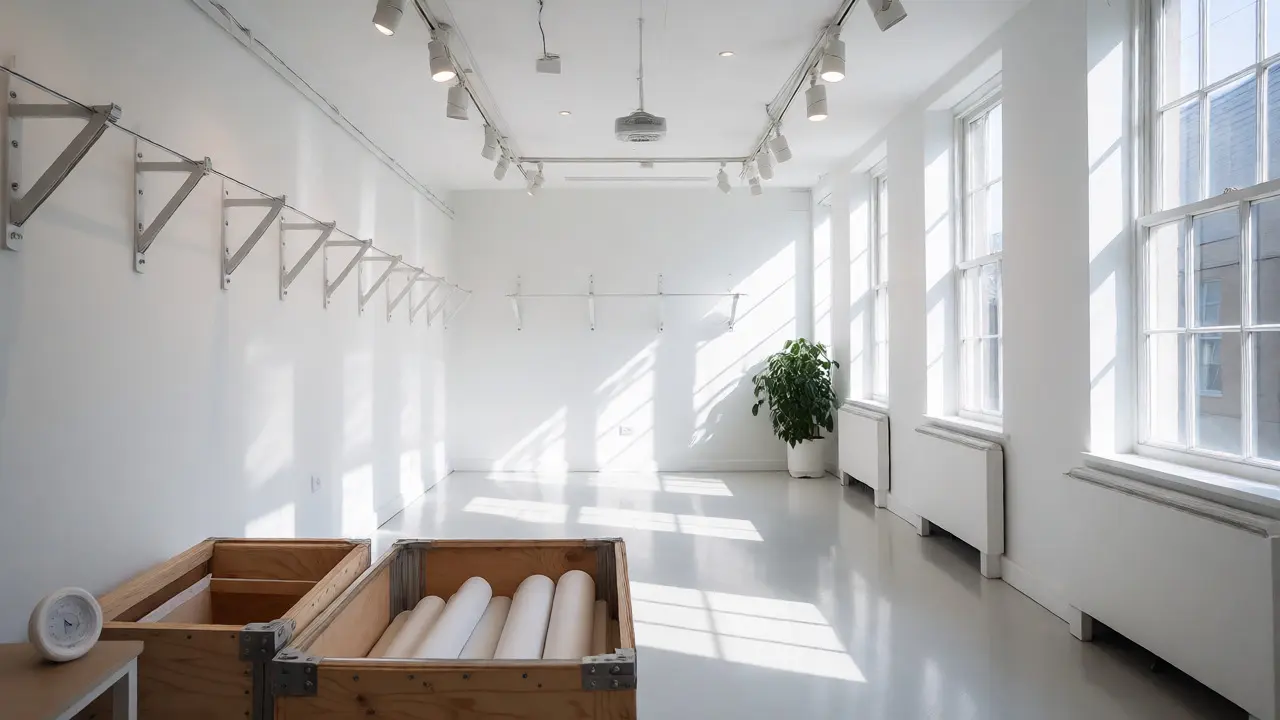
Arrival is only half the battle. Your new space needs to be ready before the art lands. Lighting is crucial. Check UV filters on windows immediately. Natural light fades pigments faster than you think. Adjust humidity levels to match the previous environment-ideally between 45% and 55%. Sudden changes cause wood frames to warp and canvas to sag.
Install hanging systems before unpacking. Whether you use French cleats, wire systems, or museum rails, having them ready prevents hasty drilling into drywall later. Test the load capacity of your walls. Plaster and lath behave differently than modern drywall. Use anchors rated for the weight of your heaviest pieces plus a safety margin.
Common Pitfalls to Avoid
Don’t pack small items loosely in boxes labeled “miscellaneous.” Label every box with contents, orientation (“This Side Up”), and destination room. Don’t forget administrative records. Contracts, artist agreements, and sales records need to move safely too. Losing paperwork can stall payments from collectors.
Another mistake? Ignoring the staff. Your team knows where everything is. Involve them in the planning phase. Their insights on workflow bottlenecks in the old space can help design a better layout in the new one. A gallery isn’t just walls and art; it’s people and processes. Align those before you hang a single picture.
How far in advance should I start planning a gallery move?
Start at least three to six months ahead. This allows time to secure specialized movers, update leases, notify artists and clients, and handle any necessary renovations or lighting upgrades in the new space. Rushing leads to mistakes, especially with custom crating lead times.
Do I need special insurance for moving art?
Yes. Standard homeowner or business policies often exclude or limit coverage for items in transit. Purchase a specific transit rider or a standalone fine arts insurance policy that covers all-risk damage during packing, loading, transport, and unpacking.
Can I move framed art without removing the glass?
It depends. For smaller, less valuable pieces, leaving the glass on is acceptable if properly taped (with X-pattern tape) and padded. For larger or high-value works, remove the glass to prevent breakage from pressure or vibration. Always consult with a conservator for significant pieces.
What is the ideal humidity level for storing art during a move?
Aim for 45-55% relative humidity. Consistency is key. Rapid fluctuations cause expansion and contraction in materials like wood, canvas, and paper, leading to cracking or warping. Use hygrometers to monitor conditions in both storage areas and transit vehicles.
Should I hire professional art handlers or regular movers?
For any collection of significant value, hire professional art handlers. They possess specialized equipment (air-ride trucks, custom crates), training in handling techniques, and insurance tailored to high-value goods. Regular movers lack the expertise to mitigate risks like vibration, temperature shifts, and improper stacking.