Regional Art Markets: Geographic Differences, Trends, and Investment Opportunities in 2026
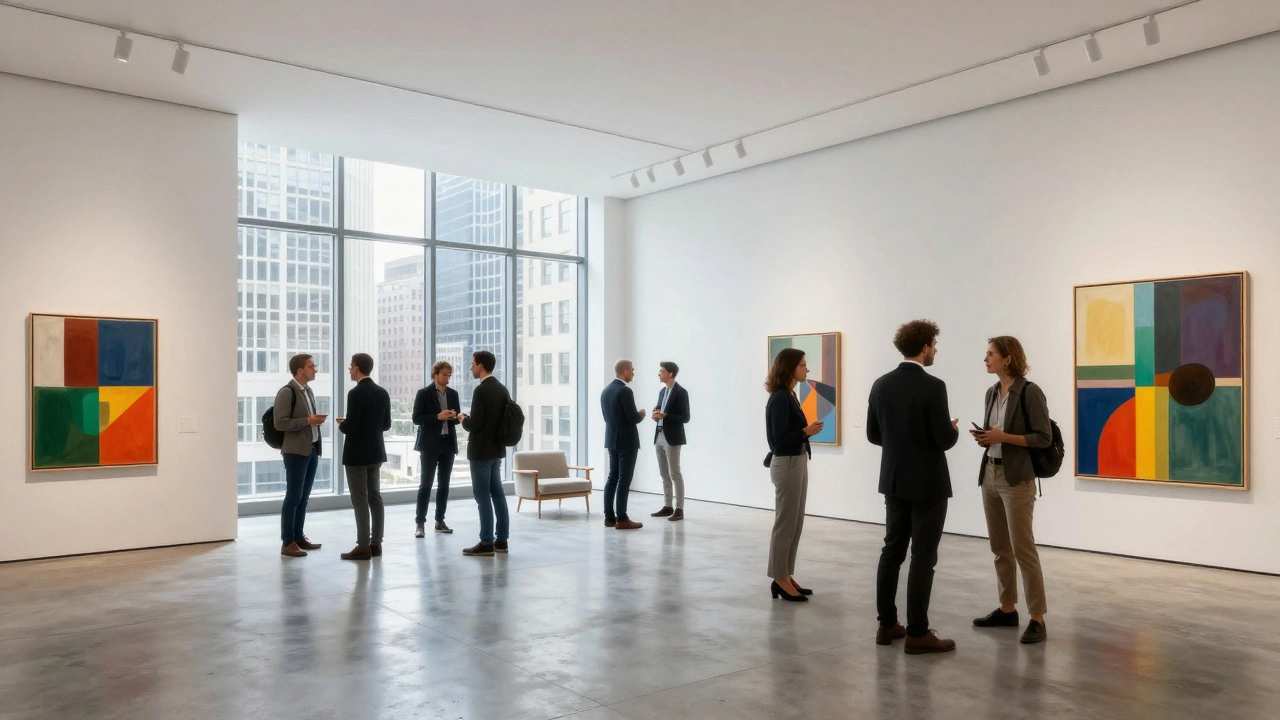
For decades, the narrative of the global art market was simple: if you wanted to buy serious work or sell for top dollar, you looked at New York, London, or Geneva. Those cities dominated auction results, gallery openings, and collector attention. But that map is no longer accurate. In 2026, the center of gravity has shifted. Wealth, taste, and institutional support are spreading across continents, creating distinct regional ecosystems with their own rules, prices, and opportunities.
If you are a collector, investor, or artist trying to navigate this landscape, understanding these geographic differences is not just academic-it’s financial. A painting by a rising star in Lagos might appreciate differently than one in Berlin due to local infrastructure, tax laws, and cultural demand. Ignoring these nuances means missing out on significant value or making costly mistakes. This guide breaks down how major regions differ, where the money is flowing, and how you can spot opportunities before they become mainstream.
The Shift from Hubs to Networks
The traditional model relied on centralized hubs. Galleries in Chelsea or Mayfair acted as gatekeepers. Today, we see a networked structure. Digital platforms have democratized access, but physical presence still matters for trust and logistics. The key change is that regional centers now operate semi-independently while remaining connected globally. For example, Dubai has positioned itself as a bridge between East and West, hosting fairs like Art Dubai that attract buyers from Asia, Europe, and North America without requiring them to travel to London or New York.
This decentralization creates arbitrage opportunities. An artist recognized in Seoul may be unknown in Paris, allowing early collectors to acquire works at lower prices before international recognition drives up values. However, it also increases complexity. You need to understand local market dynamics, including how galleries operate, what collectors value, and how legal frameworks affect transactions.
North America: Stability and Speculation
New York remains the largest single market by volume, driven by established institutions, wealthy collectors, and a robust secondary market. Prices here are generally higher and more stable, reflecting mature demand. The focus is often on blue-chip artists-names already proven in auction records. For investors, this offers lower risk but potentially slower growth compared to emerging scenes.
Outside New York, cities like Los Angeles and Miami present different profiles. Los Angeles has a strong contemporary scene with ties to the entertainment industry, leading to unique cross-over interests. Miami, boosted by Art Basel, attracts high-net-worth individuals seeking lifestyle integration with collecting. These markets are more speculative, with rapid price fluctuations based on trends and social media visibility.
- New York: High stability, premium pricing, focus on established names.
- Los Angeles: Contemporary focus, celebrity influence, diverse mediums.
- Miami: Event-driven, luxury lifestyle integration, volatile pricing.
When buying in North America, consider transaction costs. Sales tax varies significantly by state, impacting final prices. Additionally, estate planning considerations differ, affecting long-term holding strategies.
Europe: Heritage Meets Innovation
Europe’s art market is fragmented yet deeply influential. London continues to lead in auction turnover, particularly for Old Masters and Impressionist works. Its strength lies in historical depth and regulatory clarity. Buyers benefit from well-established provenance research services and legal protections against forgery.
In contrast, Berlin and Paris offer contrasting approaches. Berlin is known for experimental practices and younger artists, often supported by public funding and alternative spaces. Prices here are lower, offering entry points for those willing to take risks on unproven talent. Paris combines heritage with modernity, leveraging its museum network to boost contemporary relevance. French VAT rules provide advantages for certain types of sales, making it attractive for strategic acquisitions.
| City | Primary Focus | Price Level | Key Advantage |
|---|---|---|---|
| London | Old Masters, Impressionism | High | Regulatory clarity, auction dominance |
| Berlin | Contemporary, Experimental | Low-Medium | Public funding, emerging talent |
| Paris | Heritage + Contemporary | Medium-High | VAT benefits, cultural prestige |
Collectors should note that EU regulations impact cross-border movements. Export licenses may be required for culturally significant works, adding time and cost to transactions.
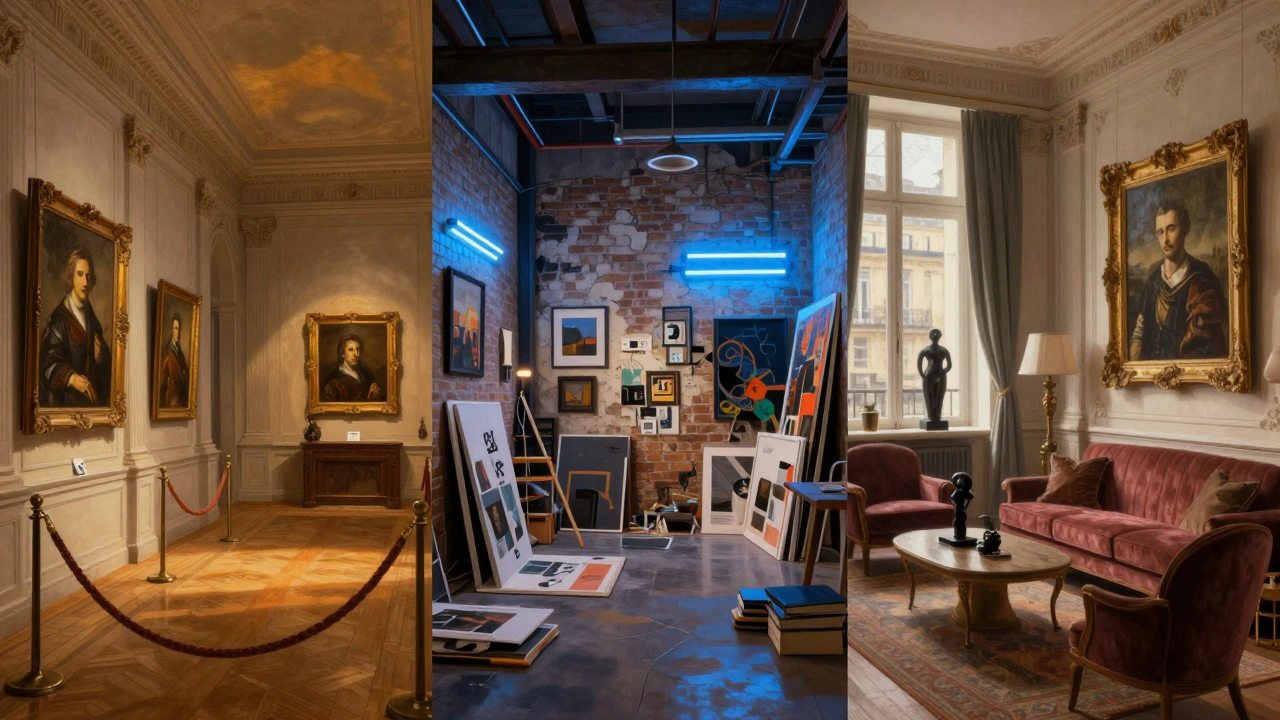
Asia: Rapid Growth and Cultural Pride
Asia represents the fastest-growing segment of the global art market. Driven by rising wealth and national pride, countries like China, South Korea, and Japan are investing heavily in domestic talent and institutions. Shanghai and Hong Kong host major auctions, while Seoul emerges as a hub for K-culture-infused art.
Chinese collectors increasingly prioritize local artists, shifting away from Western-centric tastes. This trend boosts prices for Chinese contemporary and traditional ink paintings. Similarly, South Korean artists benefit from global interest in K-pop and film, creating new pathways for international exposure. Japanese markets remain conservative, valuing craftsmanship and minimalism, which appeals to niche but loyal buyer bases.
Opportunities lie in identifying artists who blend local traditions with global appeal. For instance, an artist incorporating traditional techniques into digital formats may resonate both domestically and internationally. However, political sensitivities can affect market stability, so thorough due diligence is essential.
Africa and Latin America: Untapped Potential
Regions like Nigeria, South Africa, Brazil, and Colombia are gaining traction through vibrant creative communities and increasing institutional support. Lagos, Johannesburg, São Paulo, and Bogotá are developing dynamic scenes characterized by bold expressions and social commentary.
These markets offer high-growth potential but come with challenges. Infrastructure gaps-including limited auction houses, fewer insurance options, and less transparent pricing-can complicate transactions. Yet, early engagement allows collectors to build relationships with artists and galleries before prices rise sharply.
Supporting initiatives such as biennales and residencies help legitimize these scenes. Participating in events like the Venice Biennale’s national pavilions or local festivals provides visibility. Investors should look for artists with strong narratives tied to identity, migration, or environmental issues, themes that resonate globally.
Digital Influence on Regional Dynamics
Technology reshapes how regional markets function. Online platforms enable buyers to discover artists outside their geography, reducing reliance on physical proximity. Social media amplifies voices from smaller cities, allowing breakthroughs without traditional gatekeeping.
NFTs introduced new complexities. While initial hype subsided, blockchain technology persists for authentication and royalties. Artists in regions lacking formal copyright enforcement find value in smart contracts ensuring ongoing compensation. This innovation levels playing fields, giving creators in underserved areas greater control over their careers.
Virtual exhibitions also expand reach. A gallery in Nairobi can showcase work to audiences worldwide, attracting collectors who might never visit physically. This reduces barriers to entry but requires careful curation to maintain credibility.
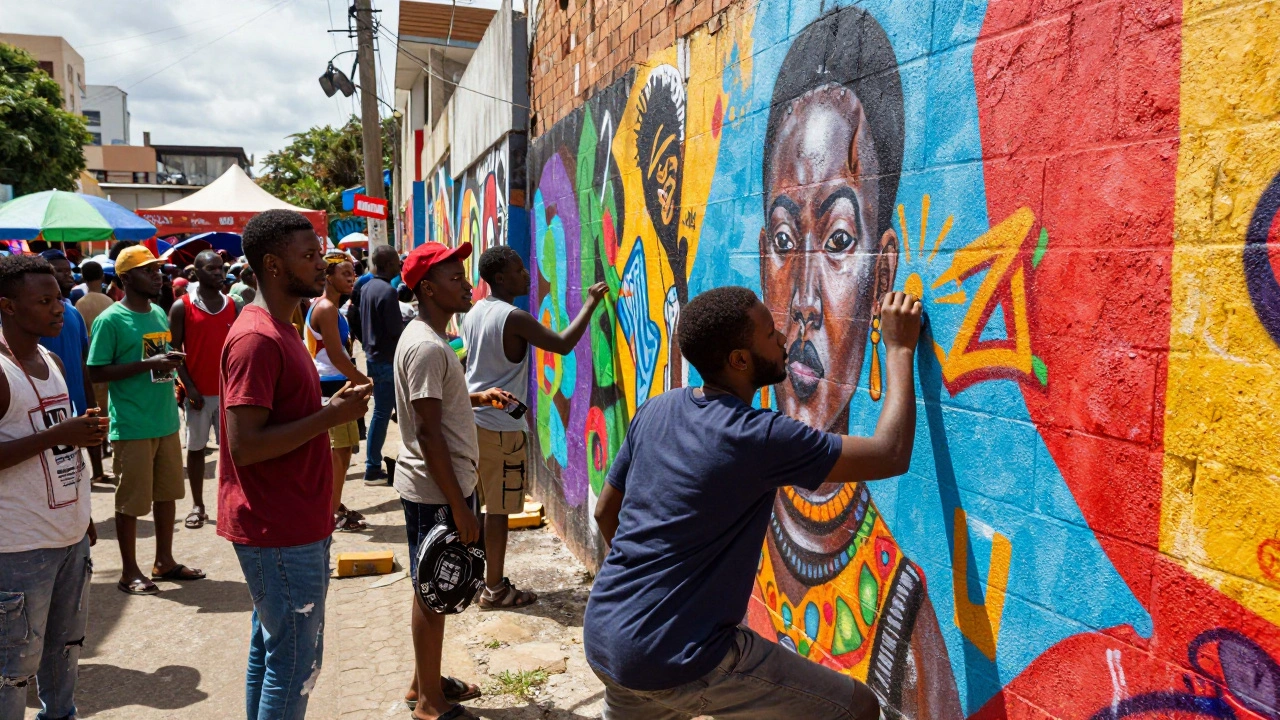
Strategic Approaches for Collectors and Investors
To capitalize on regional differences, adopt a structured approach. Start by defining your goals: Are you seeking financial return, cultural contribution, or personal enjoyment? Each objective influences strategy.
- Diversify Geographically: Spread investments across multiple regions to mitigate risks associated with local economic shifts.
- Engage Locally: Build relationships with gallerists, curators, and artists in target areas. Personal connections yield better insights and deals.
- Monitor Institutional Activity: Track museum acquisitions and exhibition histories. Works featured in reputable institutions gain legitimacy and value.
- Understand Legal Frameworks: Familiarize yourself with taxes, import/export rules, and contract norms in each jurisdiction.
- Leverage Technology: Use online databases and analytics tools to track performance metrics and identify undervalued segments.
Avoid chasing trends blindly. Just because a region gains media attention doesn’t mean immediate profitability. Conduct thorough research, consult experts, and align purchases with long-term vision.
Risks and Considerations
Every market carries inherent risks. Currency fluctuations affect purchasing power; exchange rate swings can erode profits when repatriating funds. Political instability disrupts supply chains and discourages foreign investment. Cultural misunderstandings lead to missteps in interpretation or presentation.
Fraud remains a concern, especially in less regulated environments. Verify provenance meticulously, using third-party authentication services where available. Insurance coverage may be harder to secure in emerging markets, necessitating alternative protection strategies.
Environmental factors matter too. Climate change impacts preservation conditions, influencing storage requirements and transportation costs. Sustainable practices enhance reputation and ensure longevity of collections.
Conclusion: Navigating Complexity with Confidence
The fragmentation of the global art market presents both challenges and rewards. By understanding regional characteristics, you position yourself to make informed decisions aligned with your objectives. Whether focusing on established centers or exploring frontier territories, success depends on adaptability, knowledge, and patience.
Remember, art transcends borders, but markets respect boundaries. Respect those distinctions, engage authentically, and let curiosity guide your journey. The future belongs to those who embrace diversity and recognize opportunity beyond familiar horizons.
What defines a regional art market?
A regional art market refers to the localized ecosystem of artists, galleries, collectors, institutions, and regulations within a specific geographic area. It operates with distinct preferences, pricing structures, and operational norms influenced by cultural, economic, and political factors unique to that location.
How do I identify emerging art hubs?
Look for signs of increased activity: new gallery openings, participation in international fairs, government funding for arts programs, and growing collector interest. Monitor social media buzz, academic publications, and reports from organizations tracking cultural development. Cities showing sustained momentum rather than fleeting trends indicate genuine emergence.
Why should I diversify my art collection geographically?
Geographic diversification mitigates risks tied to local economies, politics, and cultural shifts. It exposes you to varied artistic styles and narratives, enriching your collection aesthetically and financially. Early engagement in underrepresented regions can yield higher returns as those markets mature.
What role does technology play in regional art markets?
Technology enhances accessibility through online sales, virtual exhibitions, and blockchain-based authentication. It enables global discovery of local talent, reduces dependency on physical presence, and supports fair compensation via smart contracts. However, it also demands vigilance against fraud and requires adaptation to digital literacy standards.
Are there legal risks in buying art internationally?
Yes, international purchases involve varying tax regimes, export/import restrictions, and differing consumer protection laws. Always verify documentation, seek professional advice on compliance, and ensure contracts specify dispute resolution mechanisms. Proper preparation minimizes exposure to unexpected liabilities.
How do cultural differences impact art valuation?
Cultural context shapes perception of significance, rarity, and aesthetic merit. Works resonating with local histories or identities command stronger demand within their origin regions. Understanding these nuances helps predict appreciation trajectories and avoids misjudging worth based solely on external benchmarks.
Can small-scale artists in emerging markets achieve global recognition?
Absolutely. With strategic promotion, inclusion in curated shows, and alignment with universal themes, artists from any region can reach wider audiences. Platforms like Instagram, TikTok, and specialized art blogs amplify visibility, enabling breakthroughs independent of traditional gatekeepers.
What resources help track regional art market trends?
Reports from Art Basel/UBS Index, TEFAF Research Institute, and local cultural ministries provide data-driven insights. Industry newsletters, podcast interviews with insiders, and attendance at trade fairs offer qualitative perspectives. Combining quantitative analysis with firsthand observation yields comprehensive understanding.