Queer Contemporary Art: A Guide to Histories, Icons, and Currents

Walk into any major gallery today, and you will likely see work that challenges the binary. Queer contemporary art is no longer a niche sidebar; it is central to how we understand modern visual culture. But what exactly defines this space? It isn’t just about who the artist is. It is about how they use form, color, and narrative to dismantle norms, celebrate fluidity, and reclaim history. From the coded whispers of the mid-20th century to the bold, unapologetic statements of today, this movement has reshaped the art world.
If you are looking to understand this landscape, you need more than a list of names. You need to understand the evolution from secrecy to visibility, the key figures who broke barriers, and the digital currents shaping the future. This guide breaks down the essential histories, icons, and trends you need to know.
The Shift from Code to Clarity
To grasp where queer contemporary art stands now, you have to look at where it started. For decades, queer artists could not be open about their identities without risking their careers or safety. So, they developed a language of codes. Think of the surrealist imagery of Leonard Cohen, though primarily a musician, influenced visual artists who used mythological references to mask desire. In the 1950s and 60s, artists like Robert Mapplethorpe was an American photographer known for his black-and-white portraits and nudes that challenged societal taboos regarding sexuality and race. began pushing boundaries, but even then, the line between "art" and "pornography" was weaponized against them.
The turning point came with the AIDS crisis of the 1980s. Art became activism. Groups like ACT UP used graphic design as a protest tool. The red ribbon, the silence=death slogan-these were not just symbols; they were urgent demands for survival. Artists like Keith Haring was a pop artist whose bold, graffiti-style drawings addressed social issues including HIV/AIDS awareness and anti-apartheid. and Felix Gonzalez-Torres was a Cuban-American conceptual artist known for his minimalist installations that explored love, loss, and the ephemeral nature of life. turned personal grief into public monuments. This era shifted the focus from hidden subtext to direct political engagement. It established that queer art is not just about aesthetics; it is about existence.
Icons Who Redefined the Canvas
While the movement is collective, certain individuals acted as catalysts. These icons did not just paint pictures; they changed the conversation. Here are three pivotal figures whose work remains foundational.
| Artist | Primary Medium | Key Contribution | Notable Work |
|---|---|---|---|
| Nan Goldin | Photography | Documented underground queer and drug scenes with raw intimacy, challenging voyeurism. | The Ballad of Sexual Dependency |
| Catherine Opie | Photography | Reclaimed portraiture to normalize queer families and leather culture. | Self-Portrait/Cutting |
| Zanele Muholi | Photography/Video | Visual activist documenting Black LGBTQIA+ lives in South Africa. | Being series |
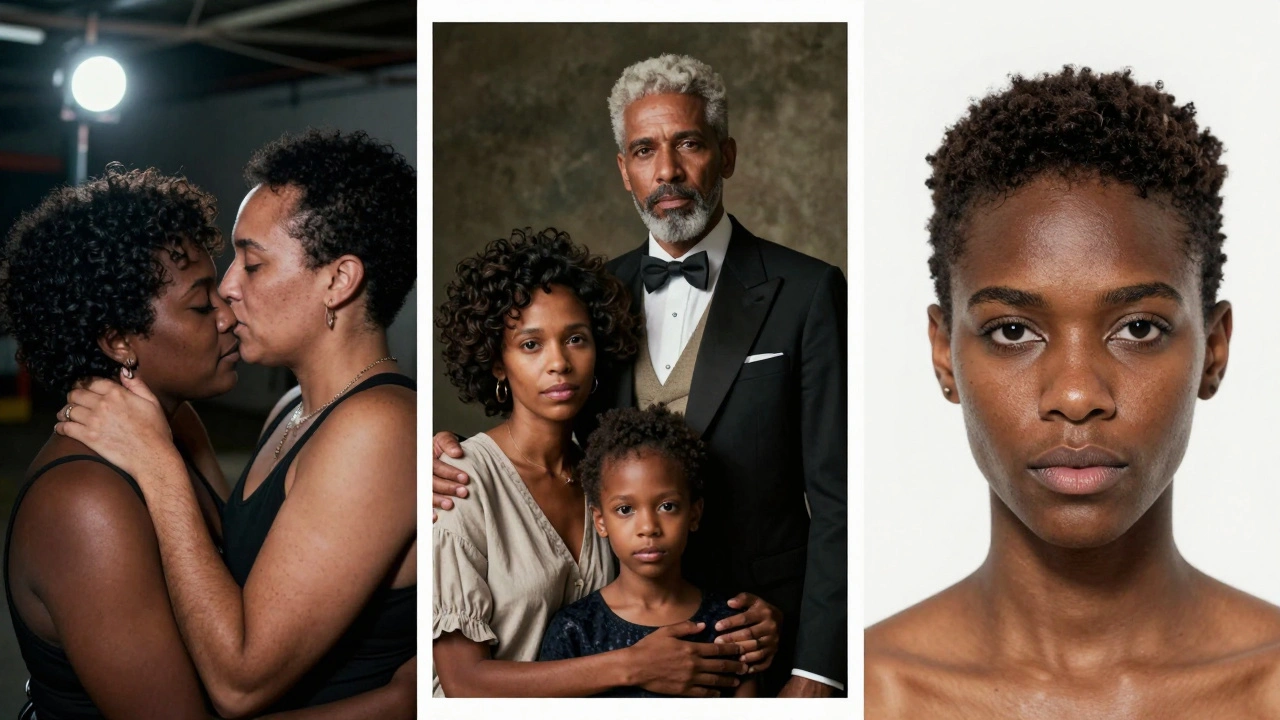
Nan Goldin’s The Ballad of Sexual Dependency is perhaps the most important photographic slide show ever made. It didn’t ask for permission. It showed love, violence, and addiction in real time. Catherine Opie took that intimacy and applied it to community structures, showing queer parents, friends, and partners with the dignity usually reserved for historical figures. Then there is Zanele Muholi, who brings a global perspective. By focusing on Black lesbians and transgender individuals in South Africa, Muholi highlights intersectionality-how race, gender, and sexuality overlap to create unique forms of oppression and resilience.
Current Trends: Beyond Identity Politics
Today, the conversation has evolved. While representation remains crucial, many contemporary artists are moving beyond simply stating their identity. They are exploring abstraction, technology, and ecological themes through a queer lens. This shift reflects a generation that grew up with more visibility but faces new complexities.
One major current is the rise of queer abstraction. Artists like Tourmaline is a filmmaker and video artist known for exploring memory, trauma, and Black queer history through experimental narratives. (though often working in film) influence visual artists who reject literal representation. Instead of showing a same-sex couple, they might use color theory to evoke the feeling of longing or dissonance. This approach argues that queerness is a way of seeing, not just a demographic category.
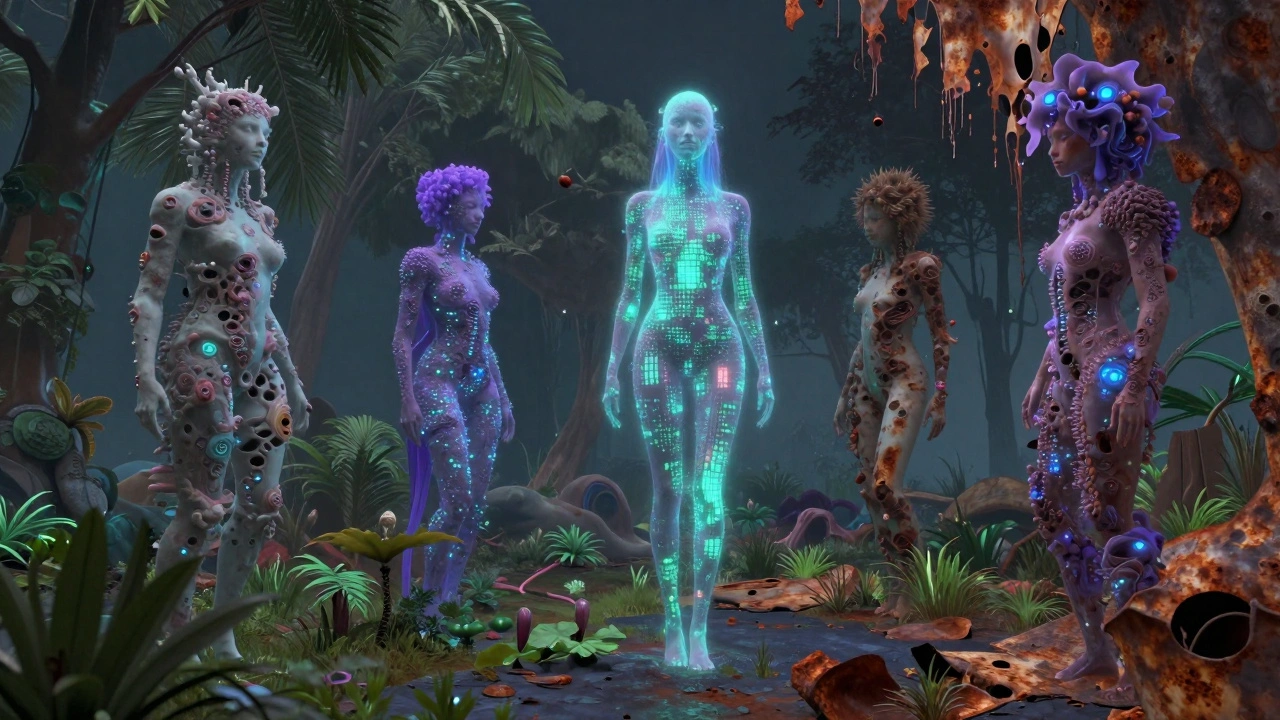
Another significant trend is the integration of digital media. With the rise of NFTs and virtual reality, queer artists are creating spaces that exist outside physical constraints. Digital avatars allow for fluid gender expression that is impossible in the physical world. Artists are building virtual galleries where bodies can change shape, size, and form instantly. This isn’t just tech for tech’s sake; it’s a continuation of the desire for self-determination that has always driven queer art.
Finally, there is a growing focus on eco-queer theory. Artists are linking the destruction of the natural world with the policing of gender and sexuality. Works often feature hybrid creatures or decaying landscapes to suggest that rigid categories-both biological and social-are unsustainable. This connects personal identity to planetary health, expanding the scope of queer art from the individual to the existential.
How to Engage with Queer Contemporary Art
If you want to support this movement, start by looking closely. Don’t just look for gay or lesbian subjects. Look for work that disrupts your expectations. Ask yourself: Who is being centered? Who is being erased? How does the material itself challenge norms?
- Visit Independent Galleries: Major museums are catching up, but independent spaces often take bigger risks. Look for galleries that specialize in underrepresented voices.
- Follow Artists on Social Media: Many queer artists bypass traditional gatekeepers by sharing their process directly on Instagram or TikTok. This gives you insight into their daily practice and current projects.
- Read the Context: Queer art often relies on historical references. If you don’t understand the reference, look it up. The deeper context enriches the experience.
- Support Collectives: Individual artists are vital, but collectives drive systemic change. Organizations like the Queer Art Forum provide resources and networking opportunities that sustain the ecosystem.
Remember, engaging with queer art is an active process. It requires you to question your own assumptions. It asks you to sit with discomfort. But it also offers joy, connection, and a vision of a world where everyone can exist fully.
The Future of Visibility
As we move further into the 2020s, the definition of queer art continues to expand. It is becoming less about a specific community and more about a methodology-a way of questioning power, hierarchy, and fixed identities. Younger artists are blending genres, mixing sculpture with performance, and code with canvas. They are less interested in fitting into the "queer box" and more interested in exploding it.
This evolution ensures that queer contemporary art will remain dynamic. It won’t become static or safe. As long as there are people fighting for the right to define themselves, there will be art that reflects that struggle and triumph. The history is written, but the story is still being told.
What is the difference between queer art and LGBTQ+ art?
While often used interchangeably, "LGBTQ+ art" typically refers to work created by individuals within those specific identity groups. "Queer art" is broader and more theoretical. It includes work that challenges normative structures of gender and sexuality, regardless of the artist's personal identity. Queer art is often more focused on deconstructing binaries and questioning power dynamics.
Why is the AIDS crisis considered a turning point for queer art?
The AIDS crisis forced queer artists out of the shadows. It transformed art from a private exploration of identity into a public act of political resistance and mourning. Artists had to confront death, government neglect, and social stigma head-on, leading to a more direct, urgent, and activist-oriented style of creation.
Who are some emerging queer artists to watch in 2026?
Keep an eye on artists like Tourmaline for experimental film, and younger photographers like Rania Matar who explore diaspora and identity. Also, look for digital-native artists using VR and AI to explore gender fluidity. The scene is rapidly evolving, so following independent curators and online platforms is the best way to find new talent.
How can I identify queer coding in older artworks?
Look for recurring motifs such as classical mythology, pastoral scenes, or intense male-male friendships depicted in homoerotic ways. Artists like Freud or Caravaggio often used these codes to express desire safely. Research the artist's biography and the cultural climate of the time to uncover hidden meanings.
Is queer contemporary art only for queer audiences?
Absolutely not. Like all great art, it speaks to universal human experiences: love, loss, freedom, and belonging. While it provides specific representation for queer communities, its exploration of identity and resistance resonates with anyone who has felt marginalized or questioned societal norms.