Protecting Art in Licensing: Watermarks and Tracking Strategies

Every artist who has ever shared a high-resolution file with a potential client knows the fear. You send over that beautiful illustration, and three months later, you see it on a t-shirt at a local market, uncredited and unpaid. It’s not just annoying; it’s expensive to chase down. In the world of art licensing is the process of granting permission to use creative works for specific purposes, often involving fees or royalties, protecting your intellectual property isn't optional-it's survival. But how do you balance visibility with security? Do you hide the art behind a blurry veil, or do you trust the system? The answer lies in combining visible deterrents like watermarks with invisible technology known as digital fingerprinting.
The Real Cost of Unlicensed Use
Before we talk about tools, let’s look at why this matters financially. When an image is stolen without a license, you lose immediate revenue. But the bigger loss is the time spent enforcing your rights. According to recent industry reports from the Copyright Alliance, small creators spend an average of 40 hours per year just identifying and contacting infringers. That’s nearly two full-time jobs lost to administrative chaos. For a freelance illustrator earning $50 per hour, that’s $2,000 gone before you even get paid for the original commission. The goal of protection isn’t just to stop theft; it’s to reduce the friction of enforcement so much that most users simply choose to buy the license because it’s easier than finding the source.
Visible Watermarks: The First Line of Defense
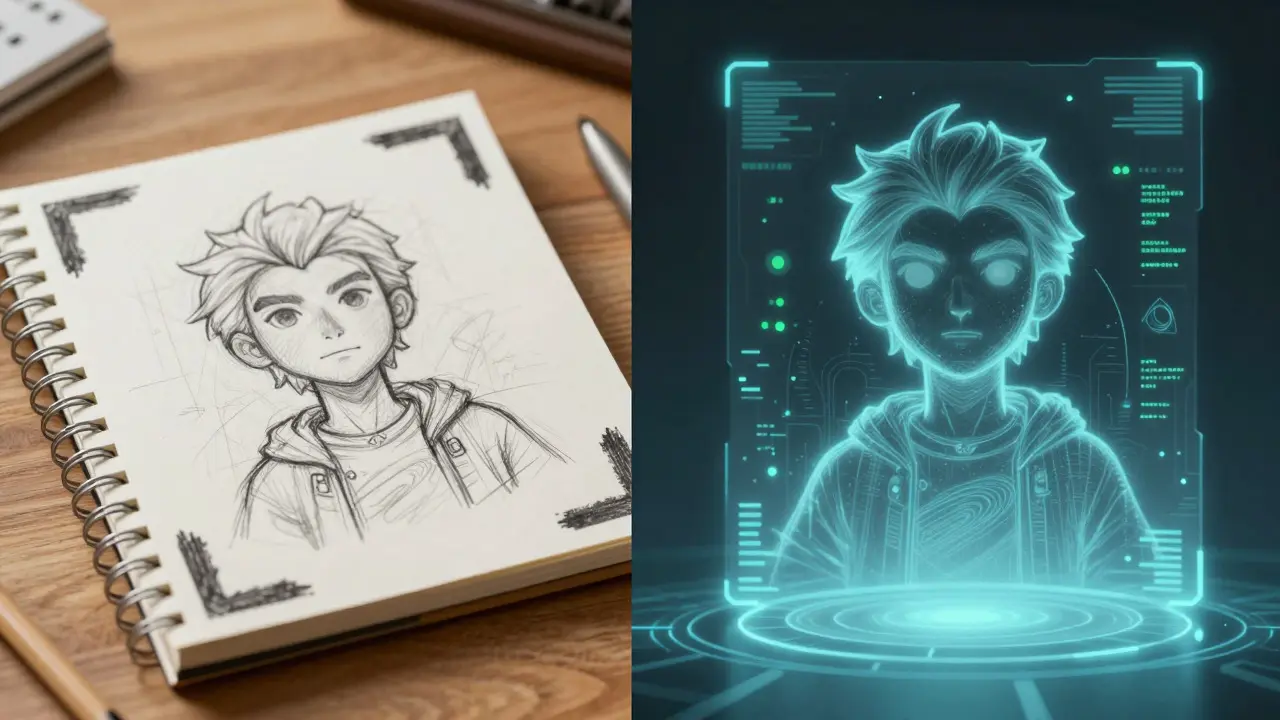
Visible watermarks are graphic overlays placed on top of an image to indicate ownership or preview status. They are the most traditional method of protection. Think of them as the "Do Not Enter" signs on your artwork. There are two main types: center watermarks and corner watermarks. Center watermarks cover the focal point of the image, making it unusable for print or web design until the license is purchased. Corner watermarks are subtler, usually containing the artist's name or logo, serving as a constant reminder of authorship.
However, watermarks have a downside. They can be perceived as cluttered. If you watermark every single thumbnail on your portfolio site, clients might feel like they are looking through a screen door. The key is consistency. Use a transparent PNG overlay with your logo at 30-50% opacity. This ensures the art remains viewable but clearly marked. Never use JPEG compression to add watermarks, as this degrades image quality. Instead, use vector-based text or logos that scale perfectly regardless of resolution.
Invisible Tracking: Digital Fingerprinting
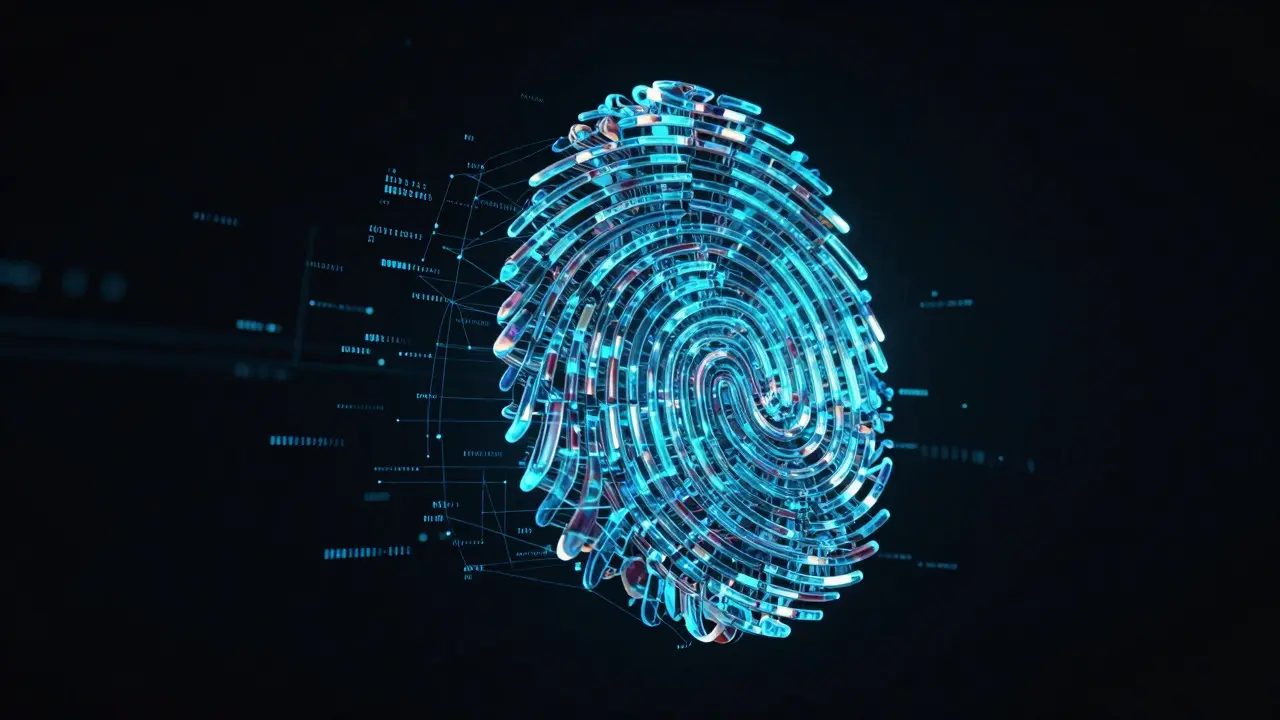
What if you could track an image even after the watermark is removed? That’s where digital fingerprinting is a technique that embeds unique metadata or subtle pixel changes into a file to identify its origin and usage history comes in. Unlike visible marks, these are imperceptible to the human eye. Companies like Digimarc and Markview use algorithms to alter specific pixels in a way that survives resizing, cropping, and even slight color adjustments. If someone steals your image, removes the watermark, and posts it on Instagram, a reverse image search powered by fingerprinting technology can still trace it back to your original upload.
This technology is particularly useful for high-value commercial assets. If you are licensing a character design for a movie poster, you want to know exactly where it ends up. Fingerprinting creates a permanent record. When combined with blockchain-based registries, these fingerprints become tamper-proof proofs of ownership. This moves the conversation from "I think this is mine" to "Here is the cryptographic proof."
Metadata: The Silent Guardian
Many artists overlook the power of standard file metadata. Every image file contains EXIF data (Exchangeable Image File Format) and IPTC data (International Press Telecommunications Council). While EXIF data is often stripped when images are uploaded to social media platforms, IPTC fields are more robust. These fields allow you to store copyright information, credit lines, and contact details directly inside the file. Tools like Adobe Lightroom and Photoshop make it easy to batch-edit this data. Before sending any file to a client, ensure the "Copyright Notice" field is filled out with your legal entity name and the "Artist" field lists your name. If a file is shared without a contract, this metadata serves as a secondary layer of evidence in legal disputes.
Strategic Placement: Where to Protect
Not all images need the same level of protection. A quick sketch shared on Twitter needs less security than a final render intended for a global advertising campaign. Here is a practical framework:
- Portfolio Thumbnails: Low-res, heavy corner watermark. Goal: Attract clicks, deter direct downloads.
- Client Previews: Medium-res, center watermark with contract terms. Goal: Show value, prevent misuse during negotiation.
- Licensed Deliverables: High-res, no visible watermark, embedded invisible fingerprint and full metadata. Goal: Clean usage, traceable ownership.
This tiered approach saves time. You don’t waste hours creating complex overlays for every draft. You focus your protective efforts where the financial risk is highest.
Comparison of Protection Methods
| Method | Visibility | Removal Difficulty | Best For | Cost |
|---|---|---|---|---|
| Visible Watermark | High | Moderate (Photoshop) | Portfolios, Previews | Low |
| Digital Fingerprinting | None | Very Hard | Commercial Assets | Medium-High |
| Metadata Embedding | None | Easy (File Strip) | All Files | Free/Low |
| Blockchain Registry | None | Impossible | High-Value IP | Variable |
Common Pitfalls to Avoid
One major mistake is relying solely on watermarks. If you only use a visible mark, anyone with basic photo editing skills can remove it. Another error is inconsistent branding. If one image has a logo in the bottom left and another has text across the center, it looks unprofessional. Create a master template for your watermarks and stick to it. Finally, don’t forget to update your contracts. Your technical protections should align with your legal terms. If your license allows "web use only," ensure your fingerprinting service flags non-web resolutions as potential infringements.
Next Steps for Artists
Start small. Pick your five most valuable pieces and apply a consistent watermark today. Then, export those files with full IPTC metadata. Once that habit is formed, consider investing in a fingerprinting service for your next big commercial project. Protection is not a one-time task; it’s an ongoing part of your business workflow. By blending visible cues with invisible tech, you create a net that is hard to escape and easy to enforce.
Do watermarks actually stop people from stealing art?
They stop casual thieves. Most people who steal art are not trying to remove a complex watermark; they just want a quick fix for their blog or social media. A clear watermark signals that the art is owned and licensed, which deters low-effort theft. For professional thieves, watermarks are easily removed, which is why you need invisible tracking methods too.
What is the best free tool for adding watermarks?
GIMP is a powerful free alternative to Photoshop that handles layers and transparency well. Canva also offers free watermarking features for smaller images. For batch processing, IrfanView is a lightweight Windows tool that can apply watermarks to hundreds of files at once.
Can digital fingerprints survive social media compression?
Yes, modern fingerprinting algorithms are designed to be robust against compression, resizing, and cropping. Platforms like Instagram and Facebook compress images heavily, but services like Digimarc are built to withstand these changes. Always test your fingerprinting solution with a sample image run through a social media uploader to verify detection rates.
Should I watermark my final deliverables sent to clients?
Generally, no. Clients expect clean files for production. Instead, send a watermarked preview for approval, then deliver the clean file with embedded metadata and invisible fingerprinting upon payment. This keeps the working relationship smooth while maintaining your ownership trail.
How does blockchain help in art licensing?
Blockchain provides a decentralized, immutable record of ownership and transaction history. When you register an NFT or use a blockchain-based registry, every transfer of rights is recorded permanently. This makes it harder for buyers to claim ignorance about previous licenses or restrictions, providing a stronger legal footing for artists.