Protect Your Art Gallery from Noise and Vibration Near Transit Hubs and Clubs
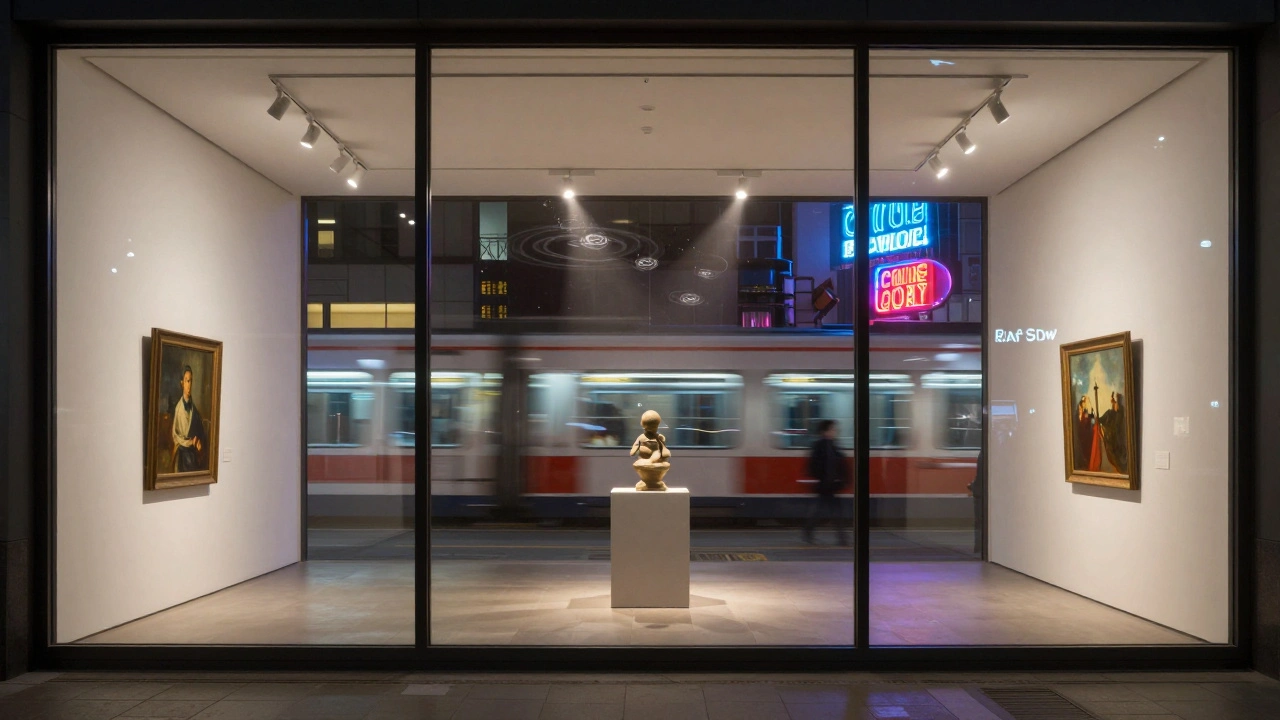
Imagine investing millions in a stunning downtown gallery space, only to discover that every morning, rumbling bus engines shake your paintings off the wall. Or worse-late-night bass from a nearby club distorts the silence your exhibits demand. This isn't hypothetical. In 2023, Portland's Pioneer Courthouse Square saw two galleries relocate due to unmanaged transit vibrations. Let's cut through the noise about protecting gallery real estate.
Where Do Noise and Vibration Risks Actually Hide?
Transit lines and nightlife districts create predictable but overlooked dangers for art spaces. Light rail trains generate low-frequency vibrations detectable up to 500 feet away. Bus depots produce peak decibel levels of 85dB during rush hour. Clubs operating past midnight often trigger building-wide tremors at 140Hz frequencies. Even "quiet" streets aren't safe-a single subway line crossing can reduce property values by 12% per National Association of Realtors data. Portland's Broadway district alone hosts seven major galleries within 200 meters of MAX Light Rail tracks. Understanding your site's specific exposure points prevents costly surprises later.
How Vibrations Ruin Art Installations
Glass sculptures shatter under sustained micro-vibrations. Oil paintings develop hairline cracks in canvases after months of exposure to transit frequencies. Digital installations malfunction when speakers pick up ambient hum from underground utilities. Consider the case study of Vancouver's Contemporary Art Museum, where three major exhibits required $40,000 in repairs following new light rail construction. Curators report that even minor constant vibrations degrade viewer experience-audience dwell time drops 30% in noisy environments according to Artforum's 2024 visitor behavior study. Your artworks deserve stable foundations as much as financial investment does.
Soundproofing Techniques That Actually Work
| Method | Noise Reduction (dB) | Vibration Control | Cost Range |
|---|---|---|---|
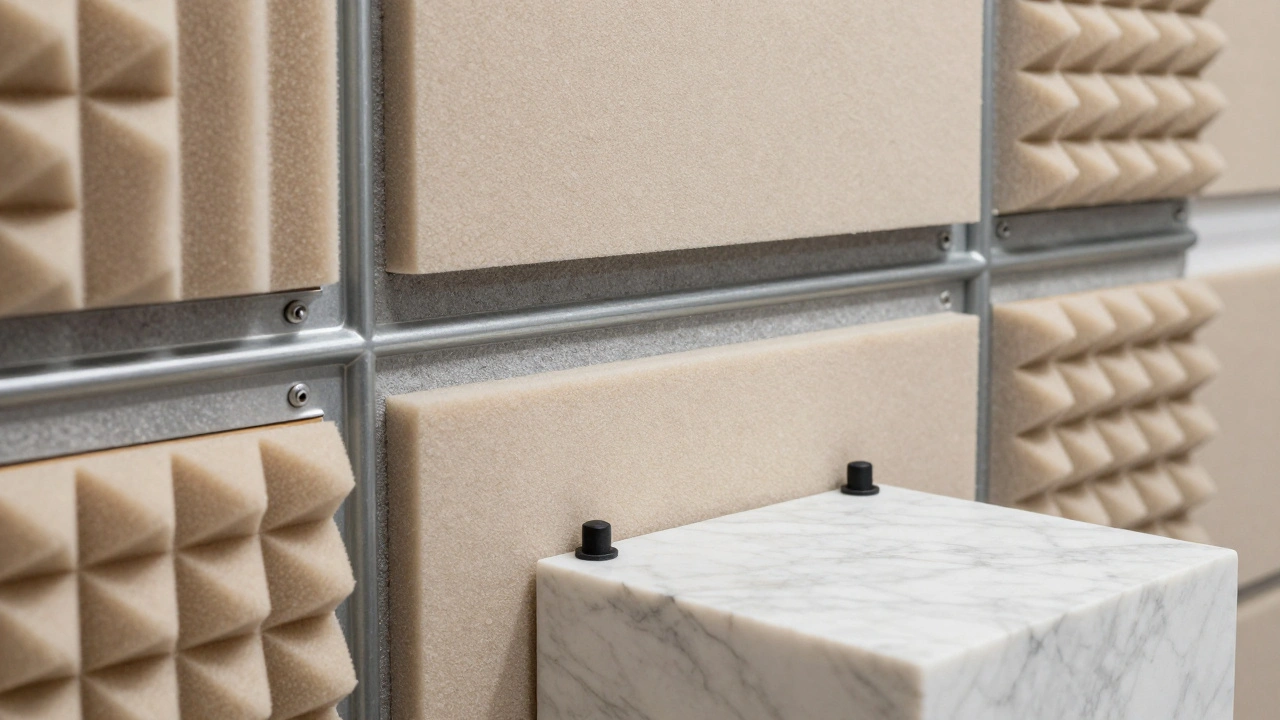
| Resilient Channel Walls | -25dB | Medium | $15-25/sq ft |
| Acoustic Underlay Flooring | -15dB | High | $10-18/sq ft |
| Active Noise Cancelling Panels | -30dB | Low | $30-50/sq ft |
| Isolation Piers for Display Cases | Variable | Excellent | $200-500/unit |
Beyond standard insulation, installers often miss critical details. Sealing gaps around HVAC vents matters as much as wall treatments. Portland-based studio Acoustics Works recommends combining mass-loaded vinyl with decoupled drywall systems for optimal results. Remember: passive methods block airborne noise while isolation mounts handle structure-borne vibrations. Most budget-friendly solutions fail because they address only one type of transmission. Professional acoustic consulting pays for itself when preventing exhibition cancellations.
Navigating Local Zoning Rules
Municipal codes vary wildly regarding noise enforcement. Portland's Chapter 13.10 ordinance limits commercial music venues to 55dB outdoors between 10 PM-6 AM-but doesn't address industrial transit noise. Seattle allows up to 60dB daytime noise in mixed-use zones adjacent to galleries. California's Proposition 99 provides strict liability rules for vibration damage claims over $5,000. Always request Environmental Impact Statements before signing leases near transit infrastructure. Some cities require pre-construction vibration modeling; others offer nothing beyond complaint-response mechanisms. Knowing your leverage helps negotiate protective lease terms.
Tenant Agreements That Protect Your Space
Standard leases rarely mention acoustic safeguards. Add clauses specifying maximum allowable dB levels during operating hours. Require landlords to maintain sound barriers when adjacent properties undergo renovation. For example, New York City mandates written vibration testing reports before any subletting changes occur. Establish baseline measurements using calibrated equipment at occupancy start. Document everything-the cost of proving damage exceeds prevention by 40% according to Insurance Information Institute records. Have lawyers review easement language covering future transit expansions affecting your space.
Community Pressure Points You Can Leverage
Neighbors care deeply about neighborhood character preservation. Portland's Arts Commission maintains a public database of permitted venue modifications. Attend planning commission meetings proactively-speakers who present data get priority consideration. Join coalitions like Downtown Eastside Business Improvement Districts which lobby for balanced development policies. Share anonymized monitoring data with neighbors facing similar challenges. Collective advocacy led to revised noise standards in Brooklyn's Williamsburg corridor after gallery owners documented cumulative impacts. Sometimes political capital outweighs technical fixes.
Monitoring Systems Worth Investing In
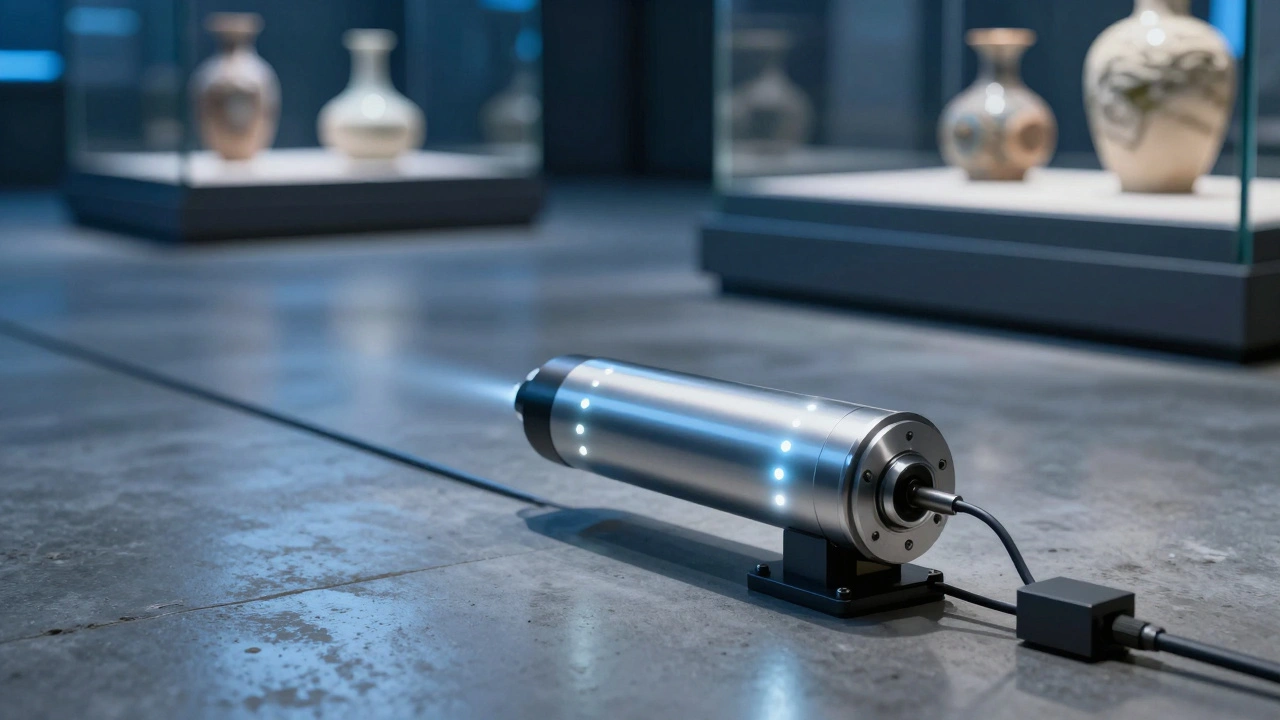
Vibration Sensors provide continuous threat detection. Modern devices log amplitude, frequency, and duration automatically. Connect them to cloud dashboards for real-time alerts. Devices like Geophone Systems Model GVS-400 measure ground motion down to 0.001 inches per second. Installation costs $3,000-8,000 depending on coverage area. Pair sensors with smart lighting controls to dim displays when excessive vibrations occur. Many insurance companies now offer premium reductions for documented monitoring programs.Regular professional audits remain essential though. Annual third-party assessments cost $5,000-12,000 but prevent false security. Calibrate instruments against industry standards monthly. Keep raw data accessible for potential litigation support. Technology bridges awareness gaps until permanent solutions materialize.
Can I legally restrict neighbor club operations?
Generally no unless violating permits. Focus on lease terms instead. Document patterned disruptions then petition city officials collectively.
Do soundproofing warranties cover installation errors?
Only certified contractors offer performance guarantees. Verify credentials beforehand-most cheap DIY kits void manufacturer protections.
How much does proper acoustic treatment increase rent costs?
Typically adds $5-12/sq foot annually in premiums. Weigh against avoided artwork damage expenses ranging $10K-50K per incident historically.
What's the fastest way to verify hidden vibration sources?
Hire firms specializing in forensic acoustics. They deploy portable arrays mapping energy distribution across floors/walls within days.
Does insurance cover progressive vibration damage?
Most policies exclude gradual deterioration. Purchase separate mechanical breakdown endorsements explicitly naming vibratory stress factors.