Preventive Conservation for Art: Practical Strategies to Stop Damage Before It Starts
Preventive Conservation for Art: Practical Strategies to Stop Damage Before It Starts
Josh Lacy 17 August 2026 0 Comments

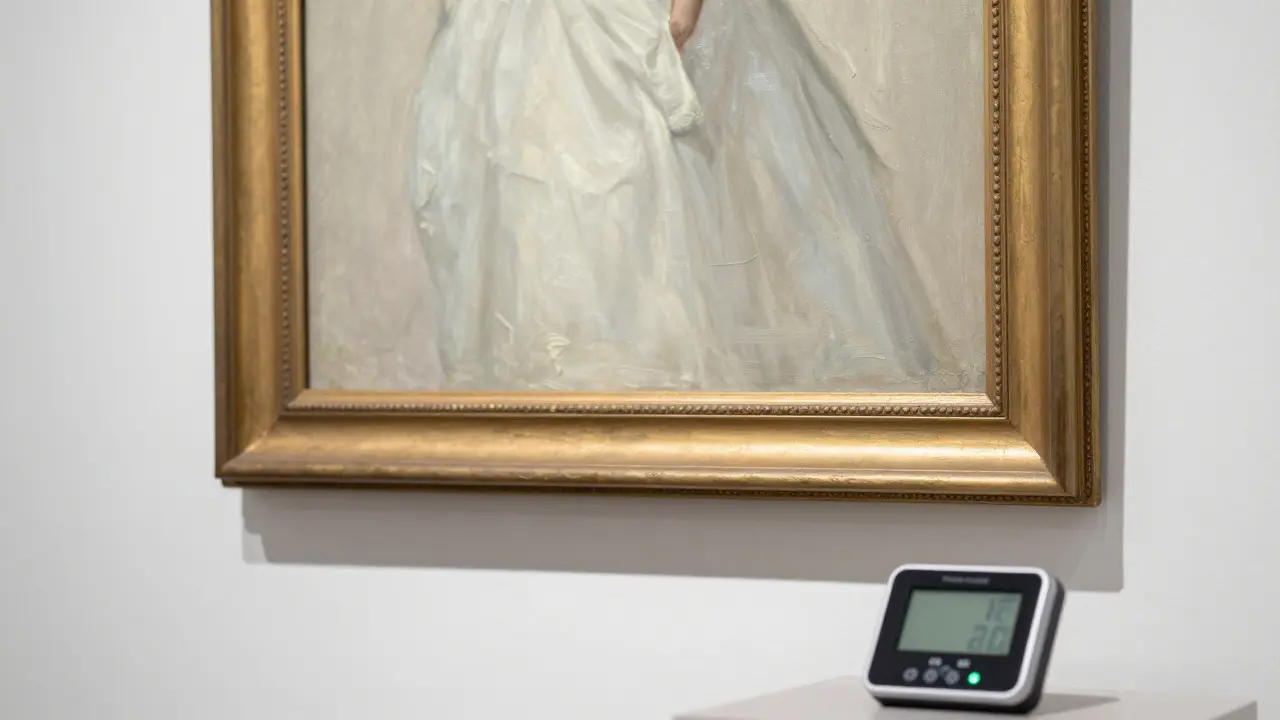
Imagine a $50 million oil painting cracking because the humidity in its gallery dropped by just 5% during a winter heating cycle. Or a rare manuscript yellowing not from age, but because it was stored near a window that let in too much UV light. These aren't hypothetical disasters; they are daily realities for curators and collectors who rely on Preventive Conservation is a proactive approach to preserving cultural heritage by controlling environmental factors rather than repairing damage after it occurs. Unlike restorative conservation, which fixes what is already broken, this method focuses on stability. It treats the environment as the primary enemy, using data-driven controls to keep artifacts in a state of suspended animation. The core philosophy is simple: if you stop the cause, you don't need the cure. This shifts the burden from expensive, invasive repairs to steady, low-cost monitoring. For institutions ranging from the Smithsonian to private home collections, this strategy saves money and preserves the original integrity of the work. But how do you actually implement it? It requires understanding the specific vulnerabilities of different materials and creating a stable microclimate around them. ### The Environmental Trifecta: Light, Humidity, and Temperature To prevent damage, you first have to understand what causes it. Three factors drive most deterioration: light exposure, relative humidity (RH), and temperature fluctuations. Each interacts with material properties in distinct ways. Ignoring any one of these creates a weak link in your preservation chain. Light is the most aggressive factor for organic materials. Paper, textiles, and dyes fade when exposed to photons. The standard metric is lux-hours. For highly sensitive items like watercolors or silk, the limit is often 50 lux at 150 lux-hours per year. That’s dimmer than a typical office setting. If you’re displaying a medieval tapestry, you might rotate it out every six months to let the fibers recover. Digital displays can help here, allowing visitors to view high-resolution images while the physical object rests in the dark. Relative Humidity affects dimensional stability. Wood expands when wet and contracts when dry. Paper buckles under high RH and shrinks under low RH. The ideal range for mixed media collections is usually between 45% and 55% RH. Why this narrow band? Because below 40%, paper becomes brittle and prone to cracking. Above 60%, mold spores become active, and metals may corrode. You don’t need perfect stability, but you need consistency. A swing of ±5% is generally acceptable, but a sudden spike to 70% during a rainy season can trigger immediate biological growth. Temperature drives chemical reaction rates. Higher temperatures accelerate oxidation and hydrolysis. However, temperature itself is less damaging than rapid changes. A steady 20°C (68°F) is safer than fluctuating between 15°C and 25°C. Why? Because temperature swings often correlate with humidity swings. As air warms, its capacity to hold moisture increases, lowering RH. As it cools, RH rises. This seesaw effect stresses flexible materials like canvas and leather. ### Material-Specific Vulnerabilities Not all art reacts the same way to environmental stress. A marble statue is largely indifferent to humidity, but a wooden sculpture is extremely sensitive. Understanding the chemistry of your collection allows you to tailor your preventive measures.

Sensitivity of Common Art Materials to Environmental Factors
Material Type Primary Risk Factor Ideal RH Range Illuminance Limit (Lux) Key Prevention Strategy
Paper & Photographs Light Fading, Acid Hydrolysis 35-50% 50-150 UV filtering, buffered folders
Oil Paintings Craquelure, Varnish Yellowing 45-55% 200-300 Stable temp, avoid direct sun
Wood Sculptures Cracking, Warping 45-55% 200-300 Humidity buffering, sealed cases
Metal Objects Corrosion, Tarnish <45% N/A Low RH, inert packaging
Textiles Fading, Insect Damage 45-55% 50 Rotation schedules, pest monitoring
Paper is particularly vulnerable to acidic degradation. Over time, lignin in wood-pulp papers breaks down, causing yellowing and brittleness. This process speeds up in warm, humid conditions. To counter this, conservators use alkaline buffers-often calcium carbonate-in storage folders. These neutralize acids before they reach the paper. For photographs, silver-based prints are sensitive to sulfur compounds, so storing them near rubber bands or certain plastics can cause blackening. Archival polypropylene sleeves are the standard solution here. Metals tell a different story. Iron objects rust in the presence of oxygen and moisture. Keeping RH below 45% significantly slows this reaction. Copper and bronze tarnish due to sulfur gases in the air. Using activated charcoal or copper-zeolite filters in storage cabinets can absorb these pollutants. Aluminum, conversely, corrodes in both very high and very low humidity, making it tricky to store. It thrives best in a moderate, stable environment with minimal pollutant exposure. ### Monitoring Systems: From Hygrometers to Data Loggers You can’t manage what you don’t measure. Visual inspection isn’t enough to catch slow-moving environmental drift. You need continuous data. Modern preventive conservation relies on digital data loggers that record temperature and RH at regular intervals, often every 15 minutes. A basic setup involves placing sensors in key locations: inside display cases, in storage rooms, and near HVAC vents. The goal is to identify hot spots and cold spots. For example, a corner of a room near an exterior wall might drop to 35% RH in winter, while the center stays at 50%. Knowing this allows you to adjust local conditioning or move sensitive items away from that zone. Data analysis is where the real value lies. Look for trends, not just current values. A gradual decline in RH over three months indicates a failing dehumidifier or a leak. Sudden spikes suggest door openings or equipment failure. Many institutions now use cloud-based platforms that send alerts via email or SMS when thresholds are breached. This proactive alert system prevents small issues from becoming catastrophic losses. ### Packaging and Storage Best Practices Storage is where most of your collection lives, so it deserves as much attention as display areas. The golden rule of storage is: acid-free, inert, and breathable. For flat works on paper, use unbuffered tissue for photographs and buffered tissue for paintings. Enclose them in acid-free folders made from 100% cotton rag. Avoid manila folders, which contain lignin and acids. For three-dimensional objects, padded trays lined with Tyvek or clean cotton provide shock absorption without introducing harmful chemicals. Cabinets should be built from metal or solid wood painted with non-off-gassing paints. Particle board and plywood release formaldehyde and other volatile organic compounds (VOCs) that can damage sensitive materials. If you must use wood, ensure it is seasoned and sealed properly. Ventilation is crucial; stagnant air traps pollutants. Small fans or open gaps in cabinet doors can help circulate air without causing turbulence. ### Pest Management: Integrated Pest Management (IPM) Insects and rodents are silent destroyers. Booklice, silverfish, and carpet beetles feed on starches, glues, and natural fibers. Traditional fumigation is toxic and difficult to execute in occupied buildings. Instead, museums use Integrated Pest Management (IPM). IPM combines prevention, monitoring, and targeted treatment. First, seal entry points and reduce clutter. Second, place sticky traps in strategic locations to monitor activity. If pests are detected, isolate the affected area. Treatment options include anoxic chambers (which remove oxygen), freezing (for small objects), or targeted insecticide application. The key is to treat the source, not just the symptoms. Regular inspections of incoming acquisitions are critical, as new items often bring hitchhikers into the collection. ### Emergency Preparedness: When Things Go Wrong Despite your best efforts, accidents happen. Floods, fires, and power outages test your preventive systems. Having a disaster plan ready before the crisis hits can save hours of panic. Start with a risk assessment. Identify your most valuable and most fragile items. Create a list of priorities for rescue. Keep emergency supplies on hand: plastic sheeting, tarps, fans, dehumidifiers, and silica gel. Train staff on basic response protocols. Who shuts off the water? Who calls the insurer? Who contacts the conservator? During a flood, speed is essential. Move items to higher ground. Don’t stack wet books; lay them flat to prevent distortion. Use fans to dry slowly, avoiding rapid drying that causes warping. For fire, smoke residue is corrosive. Clean surfaces immediately with appropriate solvents, following conservator guidelines. Documentation is vital throughout. Take photos of damage and note timestamps for insurance claims. ### Cost-Benefit Analysis of Preventive Strategies Many collectors hesitate to invest in climate control because the upfront costs seem high. But when you compare the cost of a $10,000 HVAC upgrade against a $100,000 restoration bill, the math favors prevention. Preventive conservation is an investment in asset longevity. Consider the lifecycle cost. A painting that cracks requires cleaning, inpainting, and varnish removal-a process that can take weeks and alter the original surface. A painting that remains stable requires only routine dusting and occasional condition checks. Over 50 years, the cumulative savings are substantial. Additionally, stable environments increase the marketability of your collection. Buyers and insurers prefer items with documented care histories. Small steps yield big returns. Adding UV filters to windows costs a few hundred dollars but protects thousands in artwork value. Buying archival boxes instead of cardboard saves pennies per item but prevents decades of acid damage. These incremental changes build a robust preservation culture without requiring massive capital expenditure. ### Frequently Asked Questions

What is the ideal humidity level for most art collections?

For mixed collections containing paper, wood, and canvas, a relative humidity (RH) range of 45% to 55% is generally recommended. Metals may require lower levels, below 45%, to prevent corrosion. Stability is more important than hitting a precise number; avoid rapid fluctuations.

How much light is safe for oil paintings?

Oil paintings can typically withstand 200 to 300 lux of illumination. This is brighter than the limits for paper or textiles. However, direct sunlight should always be avoided, as UV rays cause irreversible fading and heat buildup. Use UV-filtering glass or film on windows to protect displayed works.

Do I need a climate-controlled room for my home collection?

Not necessarily. A dedicated room helps, but localized control is effective. Use sealed display cases with desiccants or humidity buffers for sensitive items. Keep large pieces away from exterior walls, radiators, and windows. Monitor conditions with affordable data loggers to ensure stability without full-room HVAC upgrades.

What materials should I avoid in art storage?

Avoid materials that off-gas volatile organic compounds (VOCs). This includes particle board, plywood, rubber bands, PVC plastics, and some foams. Use acid-free paper, polypropylene sleeves, and cotton cloth instead. Test new materials with a photoactivity test kit if you are unsure about their safety.

How often should I inspect my collection for pests?

Inspect your collection quarterly, or at least twice a year. Check behind frames, inside drawers, and in storage corners. Place sticky traps in storage areas and check them monthly. Inspect all incoming items thoroughly before integrating them into your main collection to prevent introducing new infestations.