Pre-Purchase Art Authentication Checklist for Buyers
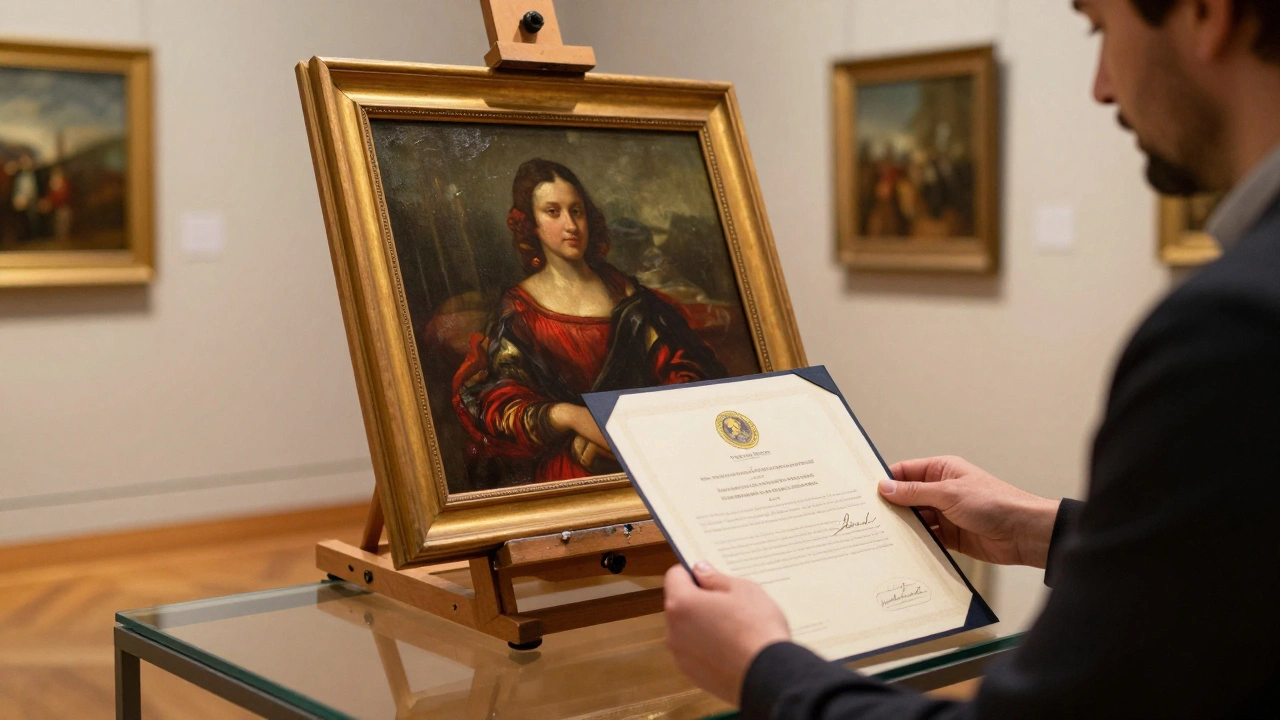
You might think spotting a fake painting is easy because you saw it on a movie once. The reality? The art market moves quietly, and forgeries get sophisticated every year. In 2026, technology helps, but human judgment still matters most when you hand over your money.
This isn't about scaring you away from buying art. It's about protecting your investment. Whether you're grabbing a print online or bidding on a vintage oil at an auction house, you need a solid plan. Here is your practical checklist to verify work before signing checks.
Understanding the Core Concept
Art Authentication is the formal process of verifying the origin, authorship, and age of an artwork to establish its legitimacy. Also known as Art Verification, it involves cross-referencing historical records, physical evidence, and expert opinion. Without this step, you are essentially gambling. Many people walk into a gallery assuming the wall label tells the truth. Sadly, labels can contain errors, and sometimes they are intentional deceptions.
The goal here is simple: confirm the piece comes from the artist's studio and matches their typical methods. If you skip this, you might end up with a "studio work" created by assistants rather than the master themselves, which changes the value significantly.
Certificates and Documentation
First, ask for the paperwork. Every legitimate transaction should come with documentation. The most critical document is a Certificate of Authenticity issued by a recognized authority confirming the genuineness of a work of art. The certificate often includes photos, dimensions, medium, date, and unique serial numbers. Check who signed this certificate. A note from the artist is gold. If the artist has passed away, look for signatures from their estate or foundation.
In 2026, many artists use digital ledgers alongside physical papers. You might see a QR code linked to a Blockchain Art Registry a decentralized record system used to track ownership and authenticity of creative works. This provides an immutable trail of ownership history. Verify that the digital record matches the physical certificate details. Discrepancies here are major red flags.
Investigating Provenance
Documentation alone isn't always enough. You must trace the journey of the object. This is called Provenance the documented history of ownership and location of an artifact or work of art. It serves as evidence of legitimacy. Think of it like a resume for the painting. Who owned it? Was it sold at auction? Did it hang in a museum?
- Look for invoices dating back decades.
- Check exhibition histories recorded in catalogues.
- Search past auction records online using the title or lot number.
- Verify names in the chain of custody against public databases.
If there are gaps in the timeline, especially from the 1940s through the 1980s, ask why. Missing years don't prove a forgery, but they make the story harder to verify.
Physical Examination Steps
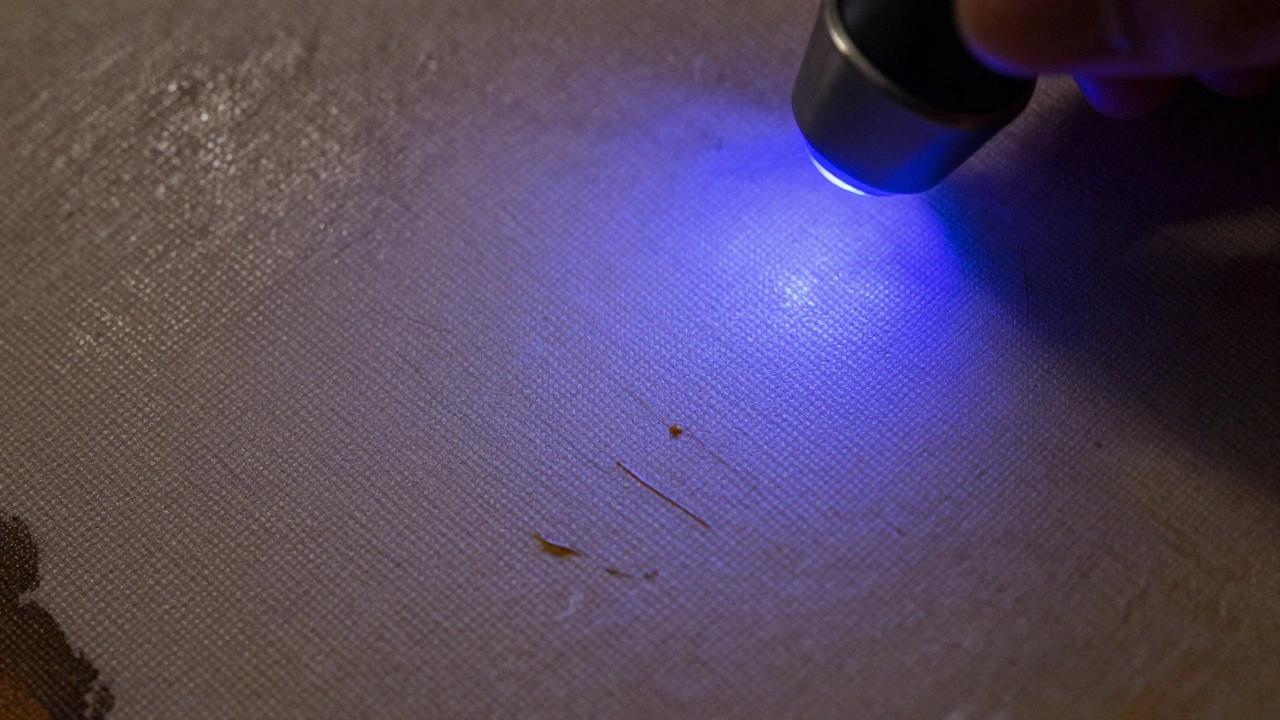
Sometimes, you can tell by looking closely at the materials. Older frames often reveal clues about the era of creation. Examine the back of the canvas or stretcher bars. Old glue stains, museum tape, or handwritten inventory numbers can indicate the piece has been handled professionally for years.
Use tools available to anyone. UV light reveals restoration work. Modern paints glow under ultraviolet lamps, while older varnish absorbs UV differently. If a painting claims to be from the 1920s but glows brightly like modern acrylic, pause immediately.
| Feature to Check | What Indicates Authenticity | Red Flags |
|---|---|---|
| Signature Style | Consistent stroke pressure and placement | Trembling lines or overly perfect repetition |
| Pigment Aging | Natural cracking patterns (craquelure) | Fake cracks painted over fresh varnish |
| Corners/Edges | Wear consistent with age | Over-restoration or pristine edges on old frames |
| Labeling | Archival backing labels with dealer info | Glossy printer stickers that peel easily |
Don't touch the surface with bare hands. Skin oils damage paint layers. Wear cotton gloves if handling is necessary.
Identifying Potential Forgeries
Art Forgery the act of falsely attributing an artwork to a specific artist to increase its value. Forgers often mimic style perfectly but miss material consistency. High-value markets like Impressionism and Abstract Expressionism attract skilled counterfeiters. They might buy authentic canvas or wood from the era and paint over it.
A common trick in the late 2020s involved using AI-generated signatures. While digital files are easier to detect, physical paintings require forensic testing. If a piece costs thousands and offers no scientific guarantee, consider it risky.
When to Hire Experts
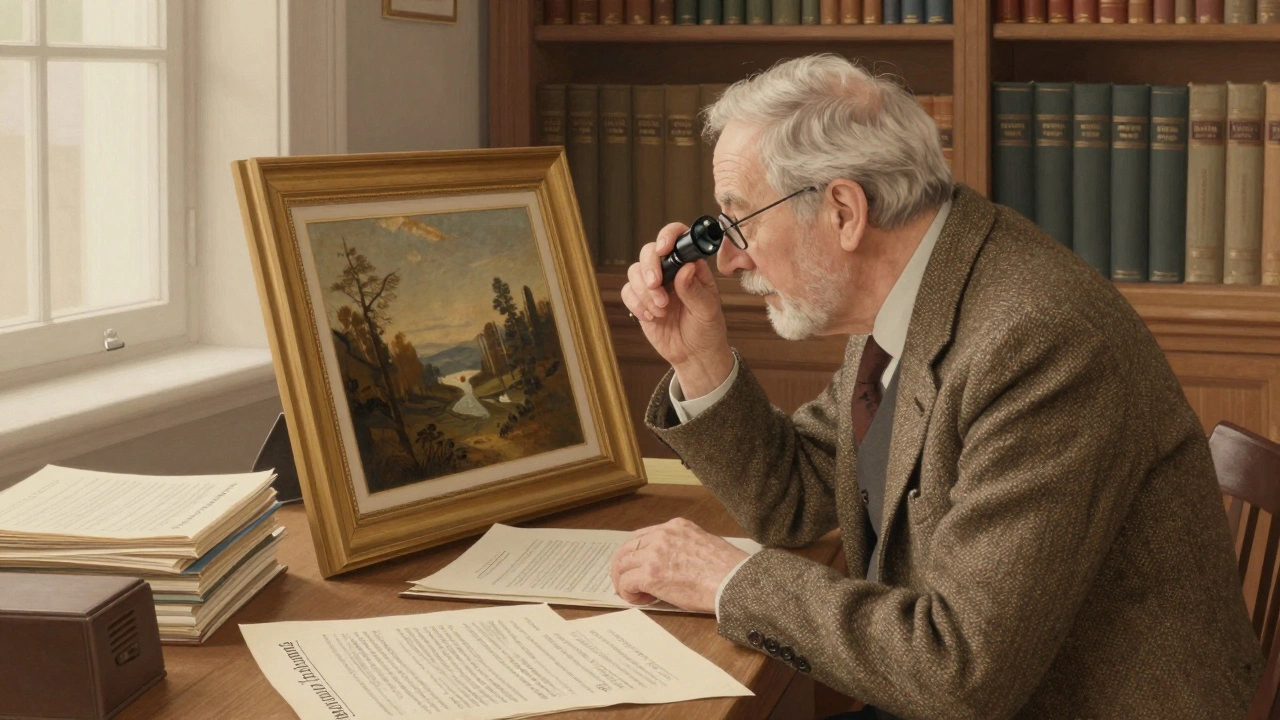
You cannot be an expert in everything. Sometimes, you need professional help. An Art Appraisal an evaluation of an item's value conducted by a qualified specialist. Appraisers provide condition reports and estimated market value. Appraisals differ from valuations. For insurance, you need a formal appraised value. For authentication, you want a specific opinion on authorship.
Hire someone affiliated with a certified organization, such as members of the International Society of Appraisers. Ask for references from previous clients. Do not let the seller recommend the expert unless you have verified their independence.
Auction House Safeguards
Buying through established channels offers more protection than private sales. Major firms vet items before they go under the hammer. However, even reputable venues disclaim liability for authenticity in certain cases.
Auction House a business that conducts public sales of goods, often including fine art and antiques. They offer catalogs and buyer premiums. Read the condition report thoroughly. Terms like "attributed to" mean the seller believes it was made by the artist but cannot guarantee it. This lowers the price but raises the risk.
Always register for the sale early. Online bidding platforms are convenient in 2026, but verify identity requirements before placing bids. Never bid on a lot until you have seen the physical condition report or high-resolution images.
Legal Protection and Returns
Contracts matter. Before you finalize payment, check the return policy. A standard rule of thumb is demanding a thirty-day window to inspect the work by an independent third party. If the contract says "sold as seen," you take all risks.
Ensure you receive a receipt with the full purchase price. This protects resale value later and helps with tax deductions. Also, ask for a warranty of title. This guarantees the seller actually owns the piece and has the legal right to sell it.
How much does a formal authentication cost?
Costs vary widely depending on the artist and method. Simple visual opinions range from $500 to $2,000. Scientific testing like carbon dating or pigment analysis can exceed $5,000. Always get a written quote upfront.
Can insurance companies verify art authenticity?
No. Insurers rely on your documentation. They insure the asset against theft or damage, not its legitimacy. If you buy a fake, the insurer will not pay out because the declared value was fraudulent.
Is a certificate of origin the same as a certificate of authenticity?
Not always. A certificate of origin confirms where an item was produced geographically. Authenticity confirms who created it. Both are valuable, but only one proves artistic authorship.
What should I do if I suspect a fraud after purchase?
Contact your seller immediately. Gather all documentation. Consult a lawyer specializing in art law. Time limits exist for restitution claims, so acting quickly within statutory periods is essential.
Do artists keep records of their work?
Many serious artists maintain studio ledgers listing titles, dates, and mediums. Their estates or galleries often digitize these lists. Contacting the artist directly or their official representative is the most reliable verification method.