Pre-Fair Outreach: How to Secure Collector and Press Appointments
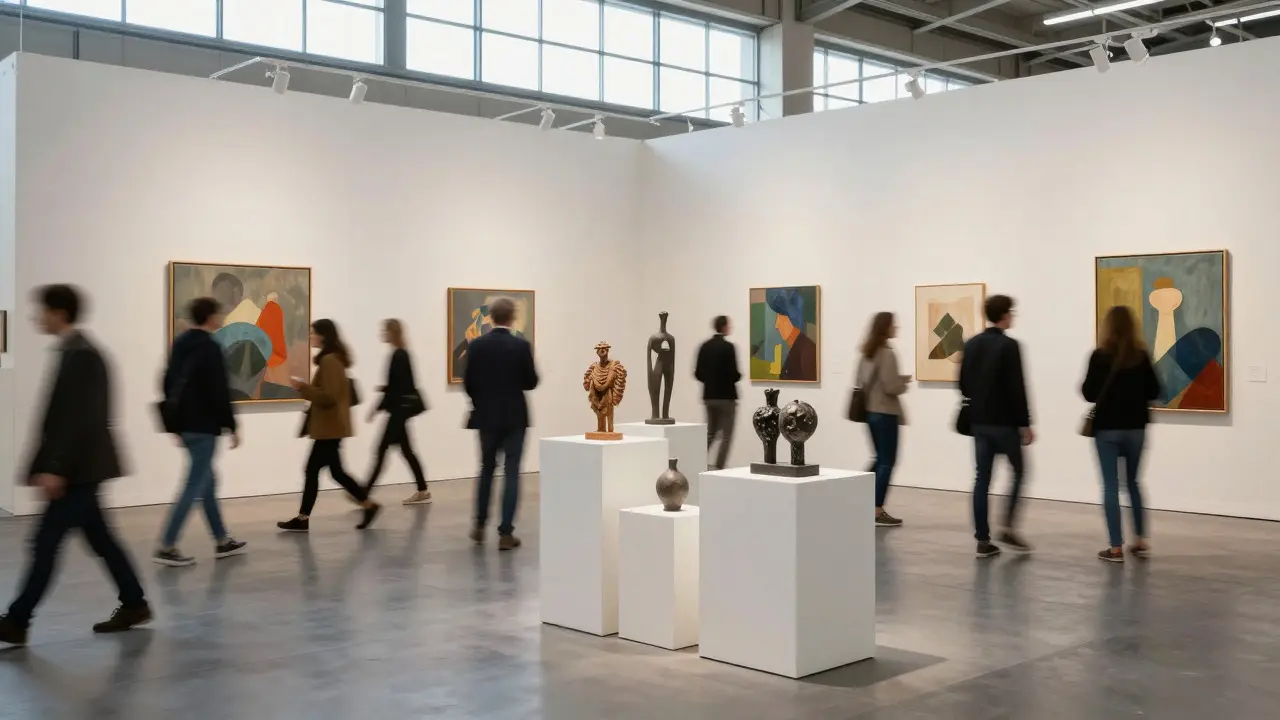
Imagine walking into a major art fair with your booth set up, but zero confirmed meetings. You have the inventory, you have the staff, but no one is coming to talk. This is the nightmare scenario for many galleries. The difference between a successful fair and a quiet weekend isn't just about having great work; it's about the invisible work done weeks before you even pack your crates. That invisible work is pre-fair outreach.
Most people think the fair starts when the doors open. In reality, the most critical conversations happen in the days leading up to that moment. If you wait until the floor opens to cold-call collectors or email journalists, you're competing against hundreds of other galleries doing the same thing. By then, their calendars are full, and their attention spans are shot.
The Real Purpose of Pre-Fair Outreach
Pre-fair outreach is not just about filling a calendar. It is about curating your experience at the fair. When you schedule an appointment with a collector, you control the environment. You can prepare specific works, know what they are interested in, and ensure the right person from your team is present. It transforms a chaotic browsing session into a targeted business transaction.
For the press, it’s even more critical. Journalists are busy bees during fair week. They have dozens of pitches hitting their inbox daily. If you haven’t secured a slot beforehand, you’re relying on them stopping by your booth out of random curiosity. That rarely happens. A scheduled sit-down ensures your narrative gets told accurately and on your terms.
| Factor | Cold Approach (Walk-in) | Scheduled Appointment |
|---|---|---|
| Collector Attention | Low (distracted, rushing) | High (focused, prepared) |
| Press Coverage Chance | Very Low (random stop-by) | Medium-High (dedicated time) |
| Staff Efficiency | Reactive (responding to interruptions) | Proactive (structured workflow) |
| Inventory Prep | General display | Tailored selection per client |
Building Your Target List: Who Actually Matters?
A common mistake is sending the same generic email to everyone. Instead, you need a segmented list. Not every collector buys contemporary abstracts, and not every journalist covers emerging artists. Precision beats volume every time.
Start with your past clients. Who bought from you last year? Who visited your last show? These people already trust your curation. Reach out to them first. Then, look at who has collected similar artists. If you represent a young sculptor, target collectors who own work by established mid-career sculptors. Use data from previous fairs to identify which booths had high foot traffic from your demographic.
For the press, narrow it down by beat. Don’t pitch a local newspaper if you are targeting international institutional buyers. Focus on art magazines, online platforms like Artnet is a leading digital platform for art news and market data, or niche blogs that specialize in your genre. Check their recent coverage. Did they write about a competitor? That’s a green light.
The Art of the Email: Short, Specific, Human
Your email needs to do one job: get a reply. Keep it under 150 words. Subject lines should be clear, not clickbaity. “Booth #42 - [Artist Name]” is better than “You won’t believe this!”
In the body, mention why you are contacting them specifically. “We noticed you collected [Artist X] last year, and our new piece by [Artist Y] shares that aesthetic.” For press, reference a specific article they wrote. “Your piece on minimalism was insightful; we have a new work that fits that conversation perfectly.”
Always include a direct link to your portfolio or a specific image of the work. Do not make them search for it. Offer three specific time slots for a call or meeting. “Are you free Tuesday at 10 AM or Wednesday at 2 PM?” reduces back-and-forth emails. End with a soft CTA: “Let me know if this sounds interesting, and I’ll send over more details.”
Leveraging Digital Tools for Scheduling
Emails alone aren’t enough. You need a system to manage these interactions. Most serious galleries use CRM software like Artlogic is a cloud-based management system for galleries and museums or Tableau is a data visualization tool often used for tracking sales trends to track who has replied and who hasn’t. If you don’t have a CRM, a simple spreadsheet works, but keep it updated daily.
Use scheduling links like Calendly to let people book directly. But for high-value collectors, a personal touch is still better. A phone call after the initial email shows effort. If they don’t answer, leave a voicemail that is friendly and brief. “Hi Sarah, it’s Josh from Gallery X. Just sent an email about our upcoming fair participation. No pressure, but I’d love to chat if you have 5 minutes.”
Managing the Calendar: Avoiding Bottlenecks
Once you start getting replies, the real challenge begins: logistics. You cannot have two major collectors at your booth at the same time. One will feel ignored. Schedule gaps between appointments. Give yourself 15-20 minutes of buffer time to reset, grab coffee, or prep the next presentation.
Group appointments geographically if possible. If you have two meetings in the same wing of the fair, schedule them back-to-back with a short break. This saves walking time and keeps your energy up. Assign specific staff members to specific appointments. The person who knows the artist’s biography best should be the one leading the conversation.

Preparing for the Meeting: It’s Not Just About Sales
Before each appointment, review the person’s history. What did they buy? What did they post on social media? If a collector recently shared a photo of a blue painting, bring a blue painting to the front of the booth. Personalization wins deals.
For press, prepare a one-page fact sheet. Include key quotes, technical specs, and high-res images. Journalists love having material ready to go. It makes their job easier, and they are more likely to cover you because you saved them time. Bring printed copies. Digital files can get lost in spam folders; paper stays on the desk.
Common Pitfalls to Avoid
- Overbooking: Don’t fill every hour. Burnout is real. Leave white space in your schedule.
- Generic Follow-ups: If someone says “maybe,” follow up once with new information, not just “just checking in.”
- Ignoring Time Zones: If you are emailing collectors in Europe while you are in Portland, Oregon, check the time. Sending an email at 3 AM their time looks lazy.
- No Plan B: What if a key contact cancels? Have a backup list of secondary contacts ready to step in.
Measuring Success Beyond Sales
Don’t judge pre-fair outreach solely by immediate sales. Track engagement metrics. How many people showed up? How long did the conversations last? Did any press outlets publish a story within two weeks? These indicators tell you if your strategy is working for long-term growth.
If you find that 80% of your appointments result in no sale, your targeting might be off. Are you pitching collectors who don’t match your price point? Are you pitching press that doesn’t care about your genre? Adjust your list for the next fair. The goal is refinement, not perfection.
How far in advance should I start pre-fair outreach?
Ideally, start 6 to 8 weeks before the fair. This gives you time to send initial emails, follow up, and secure slots. Waiting until 2 weeks prior leaves little room for negotiation or rescheduling.
Should I offer discounts to secure appointments?
Generally, no. Offering discounts too early signals desperation. Instead, offer exclusivity, such as access to a limited edition piece or a private viewing of a new series. Value trumps price in building relationships.
What if a collector doesn’t show up?
It happens. Send a polite follow-up email within 24 hours thanking them for their interest and attaching the work they discussed. Keep the door open without sounding resentful. Often, they will reschedule later in the week.
Is it worth hiring a PR agency for small galleries?
For very small galleries, DIY is usually more cost-effective. However, if you are entering a top-tier fair like Art Basel or Frieze, a specialist PR firm can help navigate complex media landscapes. For regional fairs, personal outreach is often stronger.
How do I handle press inquiries during the fair itself?
Have a designated press contact who checks emails hourly. Respond quickly with a standard template that includes key info. If a journalist wants an interview, schedule it immediately using your buffer times. Speed is crucial in news cycles.