Power and Cabling Management for Clean Gallery Installations: A Designer's Guide

Nothing kills the vibe of a curated exhibition faster than a tangle of black wires snaking across a pristine white wall. You spend weeks selecting pieces, adjusting sightlines, and perfecting the narrative flow. Then, you plug in the track lighting or the digital display, and suddenly, your minimalist aesthetic is compromised by an ugly mess of cables. This isn't just about aesthetics; it’s about respect for the work and the viewer’s experience.
In modern gallery design, power and cabling management is not an afterthought-it is a foundational element of the architecture. Whether you are outfitting a small boutique studio or a large institutional space, hiding these utilities requires planning, specific hardware, and a bit of creative problem-solving. Let’s look at how to keep those walls clean and your installations professional.
The Hidden Infrastructure: Planning Before You Paint
The secret to invisible cabling starts before you even buy a single lamp. It begins with the electrical plan. Most standard residential wiring runs horizontally between studs or vertically from floor to ceiling. In a gallery, however, you often need power at varying heights-sometimes 8 feet up for wall-washers, sometimes at floor level for pedestals.
If you are renovating, consider installing conduit systems that run behind baseboards or inside crown molding. This allows you to drop power exactly where you need it without drilling new holes later. For existing spaces, you have to work with what you have. Map out every potential fixture location against your existing outlets. If an outlet is only on one side of the room, you might need to run a line through the ceiling void or use surface-mounted raceways that match the wall color.
Think about the load capacity too. Galleries often use high-intensity LED fixtures or interactive digital art pieces. These draw more power than a simple desk lamp. Overloading a circuit can lead to tripped breakers during opening night-a disaster no curator wants to face. Consult with an electrician to ensure your circuits are dedicated to lighting and AV needs, separate from HVAC or kitchen appliances if applicable.
Lighting Solutions That Don’t Show Their Work
Lighting is usually the biggest culprit in cable clutter. Traditional track lighting is visible, which can be stylish in industrial lofts but distracting in classical galleries. The goal here is directional light without the visual noise of the source.
Magnetic track lighting has become a favorite among designers because it sits flush against the ceiling and uses minimal connectors. But even then, you need to manage the power feed. Look for tracks with integrated power injection points so you don’t have dangling cords connecting sections. Alternatively, consider recessed adjustable downlights. They disappear into the ceiling entirely. The downside? You can’t adjust their angle once installed. So, choose fixtures with gimbal heads that allow for precise aiming during setup.
For wall-mounted spots, use low-profile brackets that sit tight against the surface. Avoid bulky housings. And always check the length of the cord coming out of the fixture. Many commercial lights come with 6-foot cords, which is excessive for a fixed position. Trim them to size and secure them neatly within the junction box or behind the artwork frame if possible.
Cable Concealment Techniques for Walls and Floors
When you can’t hide cables inside walls, you must camouflage them on the surface. The key is matching textures and colors precisely.
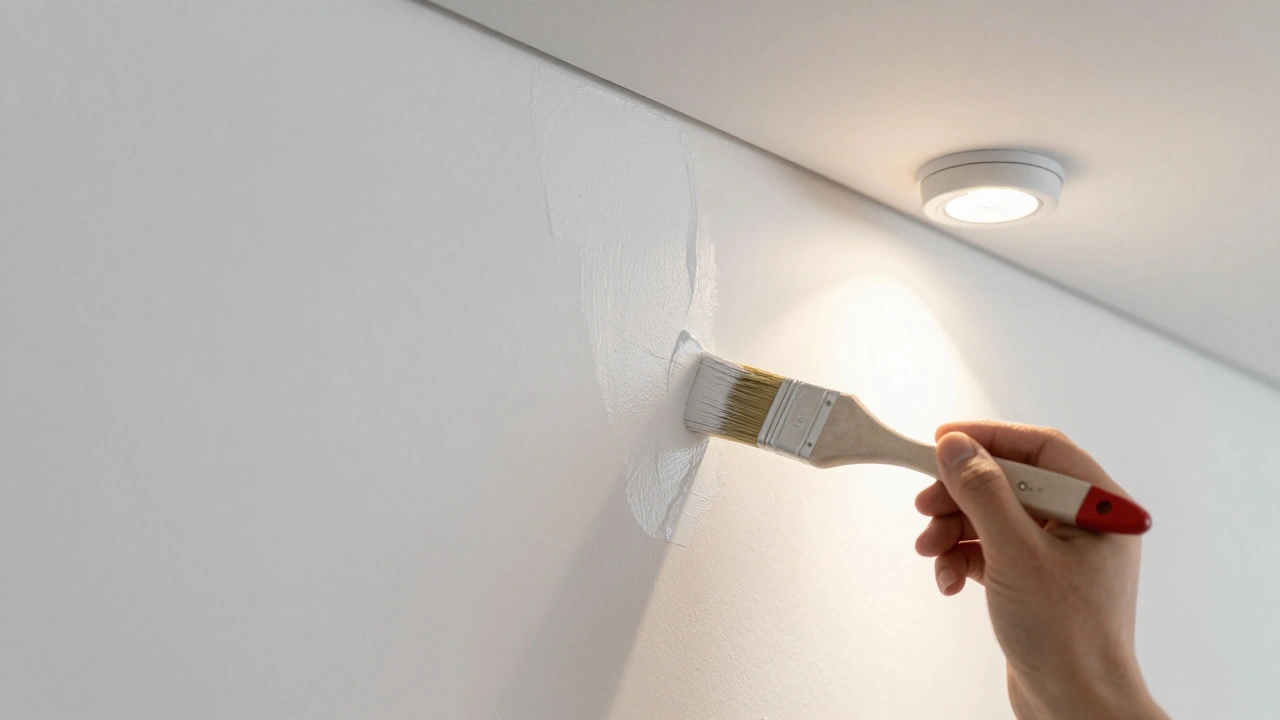
- Paintable Raceways: These are plastic channels that snap over cables. Buy ones labeled as paintable, then mix your wall paint with a little extra gloss to make it durable. Apply a thin layer over the raceway before closing it. From three feet away, it becomes invisible.
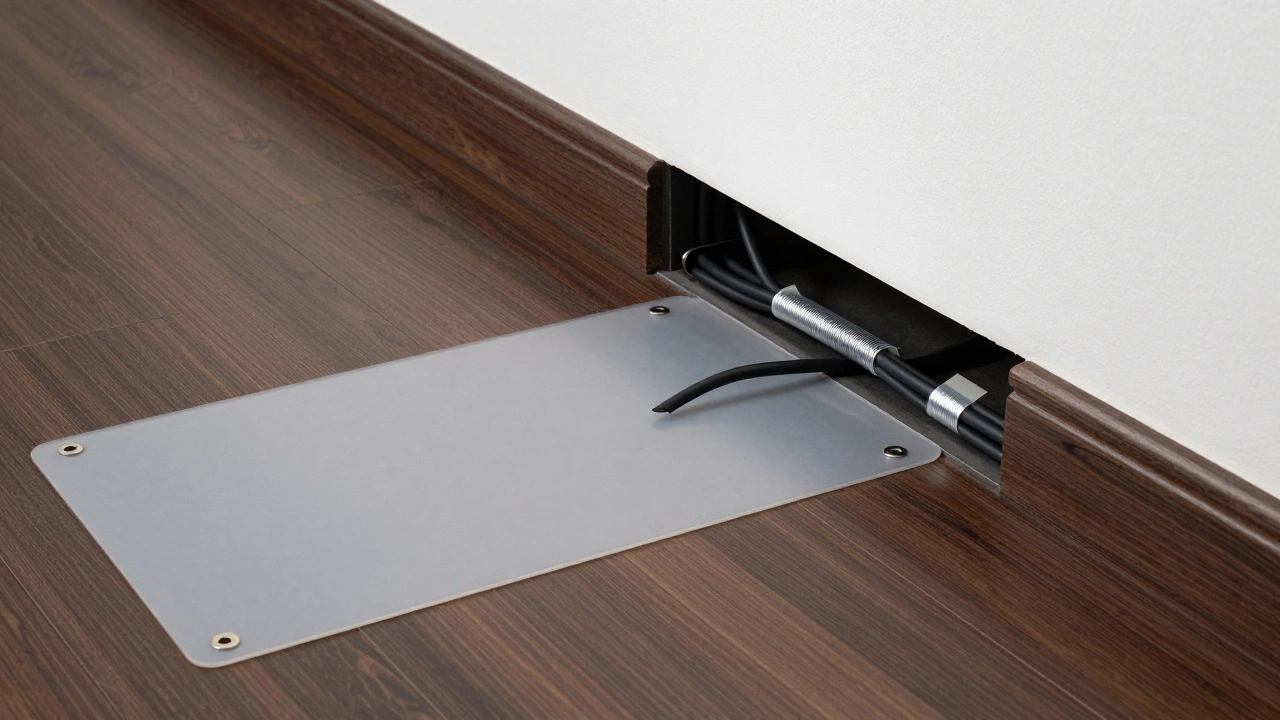
- Baseboard Channels: Run cables along the bottom of the wall, tucked behind baseboards. You may need to trim the top edge of the baseboard slightly to create a gap. Feed the cable through, then reattach. It’s a tiny detail that makes a huge difference.
- Floor Grommets and Ramps: For floor-standing sculptures or pedestals, drill clean holes in the flooring. Use metal grommets to protect the wire edges. Cover the hole with a rubber ramp that matches the floor color. Visitors won’t trip, and they won’t see the wire.
Avoid zip ties wherever possible. They look cheap and temporary. Instead, use velcro straps or adhesive clips that hold cables flat against surfaces. If a cable must hang, bundle multiple lines together with spiral wrap to create a single, sleek line rather than a spaghetti mess.
Managing Digital Art and Interactive Displays
New media art introduces a whole new layer of complexity. Projectors, monitors, speakers, and controllers all need power and data connections. Unlike static paintings, these devices generate heat and require ventilation, which complicates enclosure design.
Build custom enclosures for your electronics. A simple wooden cabinet painted matte black can house a projector and its power brick. Place it in a corner or behind a curtain. Use short HDMI and power cables to connect the device to the display, keeping the run as short as possible. Longer runs increase signal loss and the chance of tangling.
Consider wireless solutions where feasible. Wi-Fi-enabled displays can receive content without Ethernet cables. Battery-powered sensors for interactive installations eliminate the need for permanent wiring altogether. Just remember to schedule regular charging or battery swaps as part of your maintenance routine.
Maintenance and Flexibility for Future Exhibitions
Galleries change. What works for a photography show might not suit a sculpture exhibition. Your cabling system should be flexible enough to adapt without requiring a contractor each time.
Install modular power strips with long cords hidden behind walls or under floors. Leave access panels in strategic locations so technicians can reach switches and fuses easily. Label every cable clearly at both ends. When you’re dismantling one show and setting up another, clear labels save hours of frustration.
Finally, document your setup. Take photos of how cables are routed, which outlets serve which zones, and any custom modifications. Create a simple diagram for future staff. This knowledge transfer ensures that the next curator doesn’t accidentally unplug the security camera while trying to dim the lights.
| Method | Best For | Aesthetic Impact | Difficulty |
|---|---|---|---|
| In-Wall Conduit | New builds/Renovations | Invisible | High (requires pro) |
| Paintable Raceways | Existing walls | Near-invisible | Medium |
| Baseboard Channels | Floor-level power | Invisible | Low-Medium |
| Spiral Wrap + Clips | Temporary setups | Visible but tidy | Low |
Common Pitfalls to Avoid
Even experienced designers make mistakes. One common error is ignoring the thickness of the artwork frame. If you mount a fixture too close to the wall, the frame might block the light or prevent the cable from reaching the outlet. Always measure the depth of your frames and leave at least two inches of clearance.
Another mistake is using generic gray cables. They stand out starkly against white or colored walls. Invest in black or white cables that blend with your environment. Some manufacturers offer colored sleeves that slip over existing wires for a quick fix.
Don’t forget safety. Never run cables under rugs where they can overheat. Ensure all connections are grounded and protected by surge suppressors, especially for expensive digital equipment. A fire hazard is never acceptable, regardless of how pretty the gallery looks.
How do I hide cables for wall-mounted art lights?
The best method is to run cables inside the wall if possible. If not, use paintable raceways that match your wall color. Secure the cable tightly against the wall with adhesive clips, then cover it with the raceway. Paint the raceway last to ensure a seamless blend.
What is the best way to power floor-standing sculptures?
Use floor boxes or grommets drilled directly into the flooring. Connect the sculpture to a nearby outlet via a cable that runs through the floor cavity. Cover the entry point with a rubber ramp to prevent tripping and hide the wire visually.
Can I use extension cords in a gallery?
Extension cords are generally discouraged due to safety and aesthetic concerns. If necessary, use heavy-duty, hospital-grade cords rated for continuous use. Conceal them completely within conduits or under carpets with proper fire-rated padding. Permanent wiring is always preferred.
How do I manage cables for digital art installations?
Bundle all power and data cables together using spiral wrap. Route them through concealed pathways like hollow furniture legs or behind walls. Use wireless technology where possible to reduce physical connections. Keep electronics in ventilated, accessible cabinets.
Is it safe to drill into drywall for cable routing?
Drilling small holes for cable passage is safe if done correctly. Avoid hitting electrical wires or plumbing by using a stud finder. Seal any gaps around cables with firestop caulk to maintain fire ratings. For larger renovations, consult a licensed electrician.