Portfolio Refresh Cycles: Keeping Gallery Artist Work Current
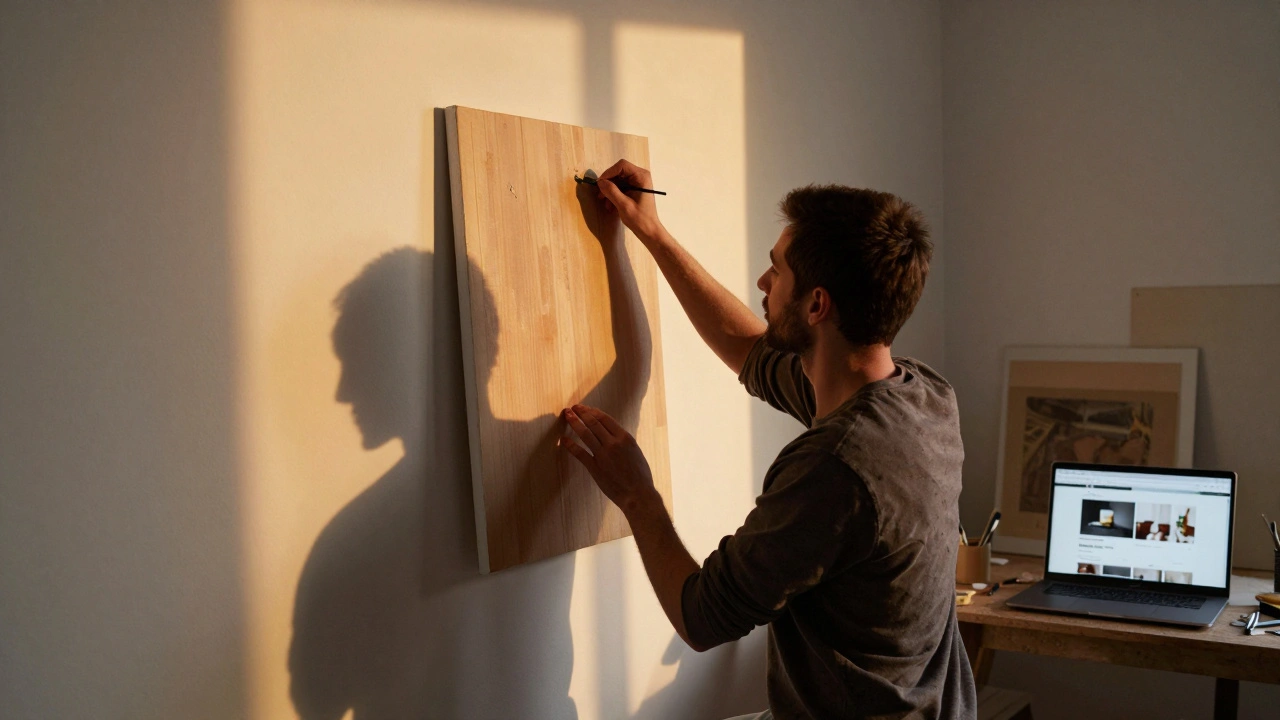
Artists don’t stop creating. But too often, their gallery portfolios do. A portfolio that hasn’t been updated in two years isn’t just outdated-it’s invisible. Galleries, collectors, and curators expect to see what’s new, what’s next, what’s alive. If your artist’s last piece was shown in 2023, and nothing since, you’re not just missing opportunities-you’re eroding credibility.
Why Portfolio Refresh Cycles Matter More Than You Think
Think of an artist’s portfolio like a living resume. It’s not a museum exhibit. It’s a real-time window into their creative momentum. A gallery that reps 15 artists can’t afford to waste time on someone who hasn’t produced new work in 18 months. Buyers don’t buy history-they buy momentum. Curators don’t invite artists for solo shows based on past glory. They invite them because the work is relevant today.
Here’s the hard truth: 68% of galleries report that artists who don’t refresh their portfolios within 12 months lose priority for upcoming exhibitions, according to a 2025 survey of 200 U.S. galleries by the Art Management Institute. That’s not a rumor. That’s a policy.
It’s not about quantity. It’s about continuity. One new piece every three months? That’s enough. But nothing for a year? That’s a red flag.
What a Healthy Refresh Cycle Looks Like
A true refresh cycle isn’t just uploading a new image to a website. It’s a rhythm. A system. A habit built into the artist’s creative process.
Here’s what works:
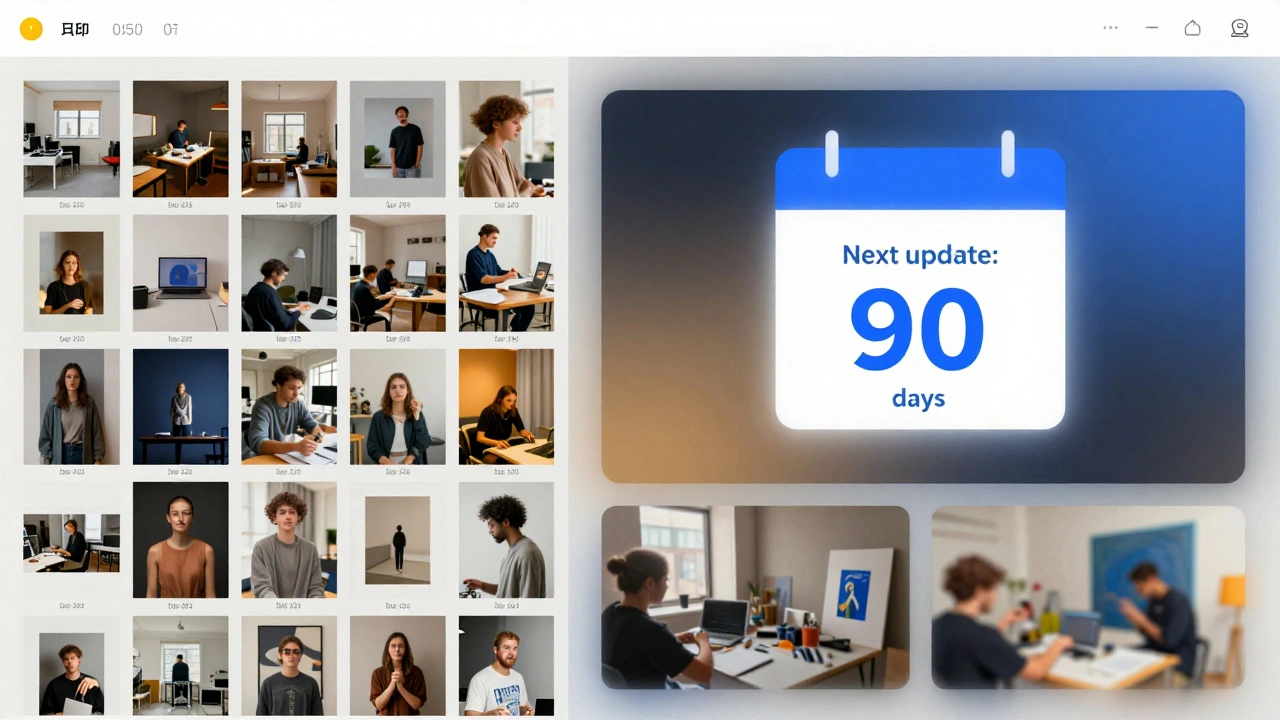
- Every 90 days: Add 1-3 new pieces to the online portfolio. Include high-res images, title, medium, dimensions, and a short statement.
- Every 6 months: Remove 2-4 older pieces that no longer reflect the artist’s current direction. Don’t just archive them-delete them from the main gallery view.
- Every 12 months: Audit the entire portfolio. Is the overall aesthetic consistent? Are there pieces that feel like outliers? Do they tell a coherent story?
Some artists think they need to wait for a "perfect" body of work. That’s a myth. Perfection kills progress. A new sketch, a small study, a color experiment-they all count. What matters is showing that the artist is still thinking, still making, still evolving.
Take painter Lena Ruiz. In 2024, she started posting one small oil painting every 8 weeks. No grand announcements. No press releases. Just a quiet update on her gallery page. Within six months, three collectors reached out saying they’d been watching her work evolve. One bought all six pieces as a set. She didn’t need a solo show. She just needed to keep showing up.
Common Mistakes That Kill Refresh Cycles
Not every artist who tries to refresh succeeds. Here’s where most fail:
- Waiting for a "major" project: If you’re waiting to finish a 30-piece series before updating, you’ve already lost. One piece is better than zero.
- Overloading the portfolio: Having 40+ pieces online makes it hard to see the trajectory. Less is more. Curate ruthlessly.
- Ignoring metadata: If you upload a new painting but forget to add the year, medium, or title, it’s useless to curators. They need context.
- Only updating the website, not the gallery: If your artist’s gallery rep still has old work on their physical walls and digital feed, you’re sending mixed signals.
One gallery owner in Chicago told me bluntly: "I don’t care if they’re famous. If I can’t tell what they’re doing right now, I can’t sell them."
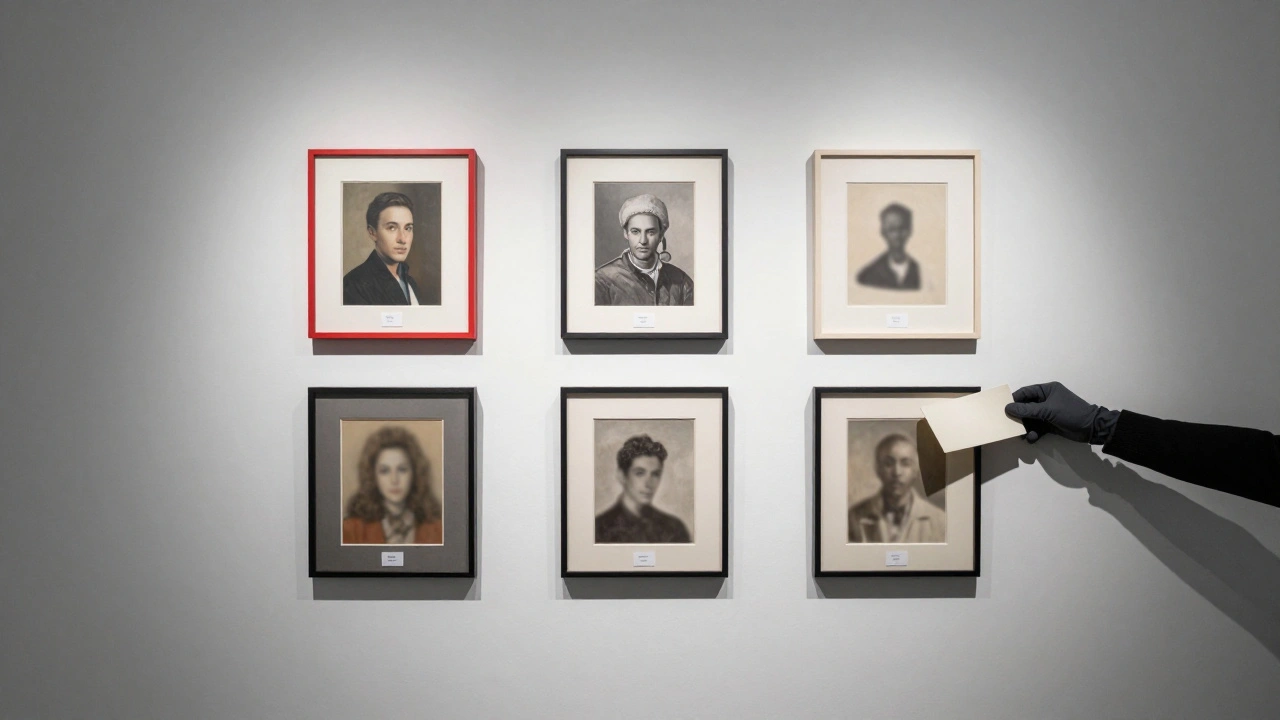
How to Build a Sustainable Refresh Routine
It’s not about discipline. It’s about design.
Start by tying portfolio updates to existing creative habits:
- If the artist finishes a new piece every Friday, schedule the upload for Monday morning.
- If they have studio days every third week, use that time to photograph, caption, and upload new work.
- Set calendar reminders with a simple rule: "No new work? No new upload."
Use tools that make it effortless:
- Google Drive or Dropbox folders labeled "New Work - 2026" with subfolders for each quarter.
- Automated gallery platforms like Artlogic or ArtStation that let you drag-and-drop updates.
- Simple templates for image captions: "[Title], [Medium], [Year] - [2-3 sentence statement]."
And don’t forget the human element. Assign one person-whether it’s the artist, a studio assistant, or a gallery manager-to be the "portfolio keeper." Their job isn’t to curate the art. It’s to make sure the art keeps showing up.
What Happens When You Don’t Refresh
It’s not dramatic. It’s quiet. And that’s why it’s so dangerous.
Without regular updates:
- Collectors forget you exist.
- Curators move on to artists who are active.
- Galleries reduce your exhibition frequency-or drop you entirely.
- Art fairs stop inviting you.
- Press coverage dries up because there’s nothing new to write about.
One sculptor in Portland, Mark Teller, had a 12-year run with a major gallery. He stopped producing new work after 2022. In early 2025, he asked for a solo show. The gallery said no. Not because his work was bad. Because they had no way to show his relevance. He had no new pieces to sell. No new story to tell. He was frozen in time.
He’s still making art. But no one sees it.
Real-World Examples of Effective Refresh Cycles
Let’s look at three artists who nailed it:
- Amara Chen (Mixed Media): Posts one new piece every 60 days. Includes a 30-second video of her working on it. Her Instagram engagement tripled. Two galleries reached out within six months.
- Diego Ruiz (Photography): Every quarter, he releases a limited-edition print series of 10 pieces. Each comes with a handwritten note. Sales increased 40% in 2025.
- Janice Wu (Installation): She doesn’t upload photos. She uploads short site-specific videos of her installations changing over time. Her gallery calls her "the most dynamic artist on our roster."
The pattern? They didn’t wait. They didn’t overthink. They just kept showing up.
Next Steps: Your 30-Day Portfolio Reset
Here’s a simple plan to get started:
- Day 1-5: Go through your current portfolio. Delete anything older than 2023 unless it’s a cornerstone piece.
- Day 6-10: Photograph 3-5 new pieces. Even if they’re small. Even if they’re studies.
- Day 11-15: Write captions for each. Include title, year, medium, and one line about what inspired it.
- Day 16-20: Upload them. Update the gallery’s internal database. Send the new link to your top 10 collectors.
- Day 21-30: Set a calendar reminder: "Update portfolio every 90 days."
You don’t need a studio assistant. You don’t need a PR team. You just need to show up-consistently.
What Comes Next
Once your portfolio is current, the real work begins. Now you can start:
- Applying for juried shows with confidence.
- Pitching to magazines with recent work to reference.
- Building relationships with new collectors who want to follow your evolution.
Art isn’t a product. It’s a practice. And your portfolio? It’s the public record of that practice. Let it reflect the truth: you’re still making. Still exploring. Still here.
How often should an artist update their portfolio?
At minimum, every 90 days. That means adding 1-3 new pieces with proper metadata. This keeps the portfolio alive and signals consistent creative activity. Waiting longer than six months risks losing visibility with galleries and collectors.
Should I remove old work from my portfolio?
Yes-but not all of it. Remove pieces that no longer reflect your current style, technique, or themes. Keep 1-3 cornerstone works that show your evolution. Too many old pieces clutter your narrative and make you look stagnant.
What if I haven’t made new art in months?
Start small. Even a sketch, a study, or a color test counts. Upload it with a note like, "Experimenting with new materials in early 2026." It shows you’re still thinking. Still working. Still engaged. Silence is louder than imperfect work.
Do galleries really care about portfolio updates?
Yes-especially since 2024. A 2025 survey of 200 U.S. galleries found that 68% prioritize artists who update their portfolios every 6-12 months. Those who don’t are often deprioritized for exhibitions, even if they’ve been successful in the past.
Is it better to post frequently or wait for "perfect" work?
Post frequently. Perfection is a myth. Curators and collectors care more about momentum than polish. A rough sketch updated monthly shows more promise than a flawless piece uploaded once a year. Consistency builds trust. Perfection builds silence.