Portfolio Diversity vs Focus: What Galleries Prefer in 2026
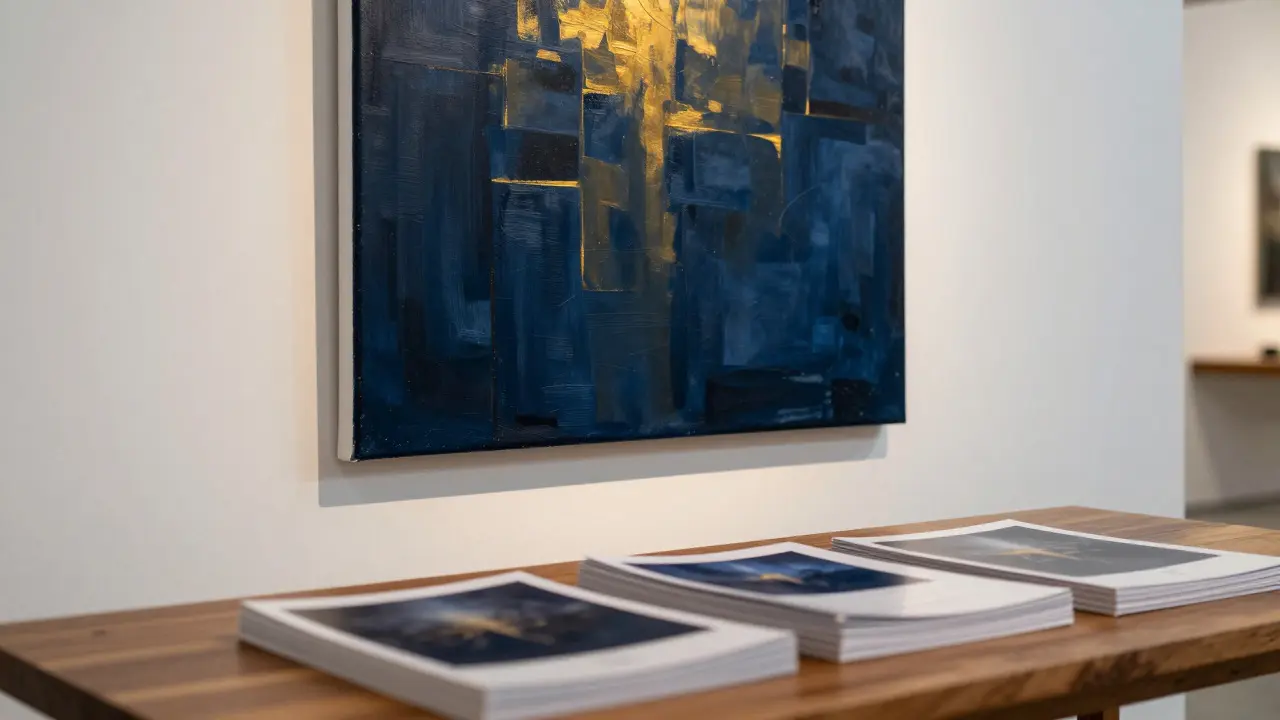
There is a persistent myth that galleries want to see everything you can do. You think showing off your versatility will impress the director. But in the current market, that approach often leads to rejection. The question isn't just about what you can make; it's about what a commercial gallery a business entity that sells art to collectors and institutions for profit can sell consistently.
Galleries are businesses first. They need to move inventory. A collector who buys one abstract piece from you might not want your photorealistic sketches. This disconnect creates friction. When you walk into a meeting or send a digital portfolio, the curator is asking one primary question: Is this artist easy to place? Or is this artist a puzzle I have to solve every time I show them work?
The Business Case for Specialization
Let's look at the numbers. In the secondary market, price consistency drives value. If an artist shifts mediums frequently, their auction results tend to be volatile. Collectors prefer stability. They want to know that if they buy a painting today, it will hold its value in five years. A focused body of work signals maturity and a clear artistic voice.
Consider the concept of Brand Identity the distinct visual and conceptual characteristics that define an artist's public image. Just like a fashion designer, if you change your style every season, customers get confused. If you stick to one aesthetic, loyal followers emerge. Galleries love loyal followers because they reduce marketing costs. You don't have to explain who you are every time. Your name does the work.
However, "focus" doesn't mean "boring." It means coherence. You can explore variations within a theme. You can change scales. You can experiment with materials, as long as the underlying conceptual thread remains visible. The key is recognizability. Can a viewer identify your work in a crowded room? If yes, you have focus. If no, you might be too scattered.
When Diversity Wins
Is specialization always the right answer? Not necessarily. There are specific scenarios where diversity becomes an asset rather than a liability.
- Interdisciplinary Artists: If your practice genuinely bridges sculpture and digital media, and both fields share a common conceptual core, showing both can demonstrate depth. But you must present them as two sides of the same coin, not two separate careers.
- Early Career Stage: If you are still finding your voice, a diverse portfolio shows range. But this is usually for academic settings or small alternative spaces, not major commercial galleries.
- Specific Market Niches: Some galleries specialize in experimental or avant-garde work. For these, innovation matters more than consistency. Here, showing evolution is crucial.
Even in these cases, curation is key. Don't dump everything on the table. Select pieces that highlight the connection between different mediums. Use captions or statements to guide the viewer through the logic. Make the diversity feel intentional, not accidental.

How Curators Evaluate Portfolios
To understand what galleries prefer, you need to step into their shoes. A typical evaluation process involves three stages:
- The Hook (First 5 Seconds): Does the cover image grab attention? Is the style distinct? If the first impression is mixed messages, they may stop looking.
- The Cohesion Check (Next 2 Minutes): Do the images flow logically? Are there jarring jumps in quality or style? Consistency in photography and presentation matters as much as the art itself.
- The Commercial Viability Test (Final Assessment): Who is the buyer? Can we find ten people who would buy this? If the audience is too narrow or too broad, it's a risk.
Notice that "quality" is assumed. We're talking about professional-grade work. The debate is about *marketability*. A technically perfect but stylistically inconsistent portfolio is harder to sell than a slightly less polished but highly coherent one.
Building a Strategy: Focus or Flexibility?
So, how do you decide? Here is a practical framework.
| Strategy | Best For | Risk | Gallery Appeal |
|---|---|---|---|
| Strict Specialization | Established artists, niche markets | Perceived as limited range | High (Easy to sell) |
| Thematic Coherence | Mid-career artists, conceptual work | Requires strong narrative | Medium-High |
| Controlled Diversity | Interdisciplinary practices | Confusing to general buyers | Medium (Needs explanation) |
| Broad Range | Students, emerging artists | Lacks brand identity | Low (Hard to position) |
If you are aiming for top-tier representation, lean toward strict specialization or thematic coherence. Save your experiments for personal projects or smaller venues. Once you have established a reputation, you can broaden your scope without losing credibility.
A good rule of thumb: Your portfolio should tell a story. If the story is "I am an artist who explores light," then all your work, whether painting or installation, should relate to light. If the story is "I make cool stuff," the gallery has no hook to hang their marketing on.
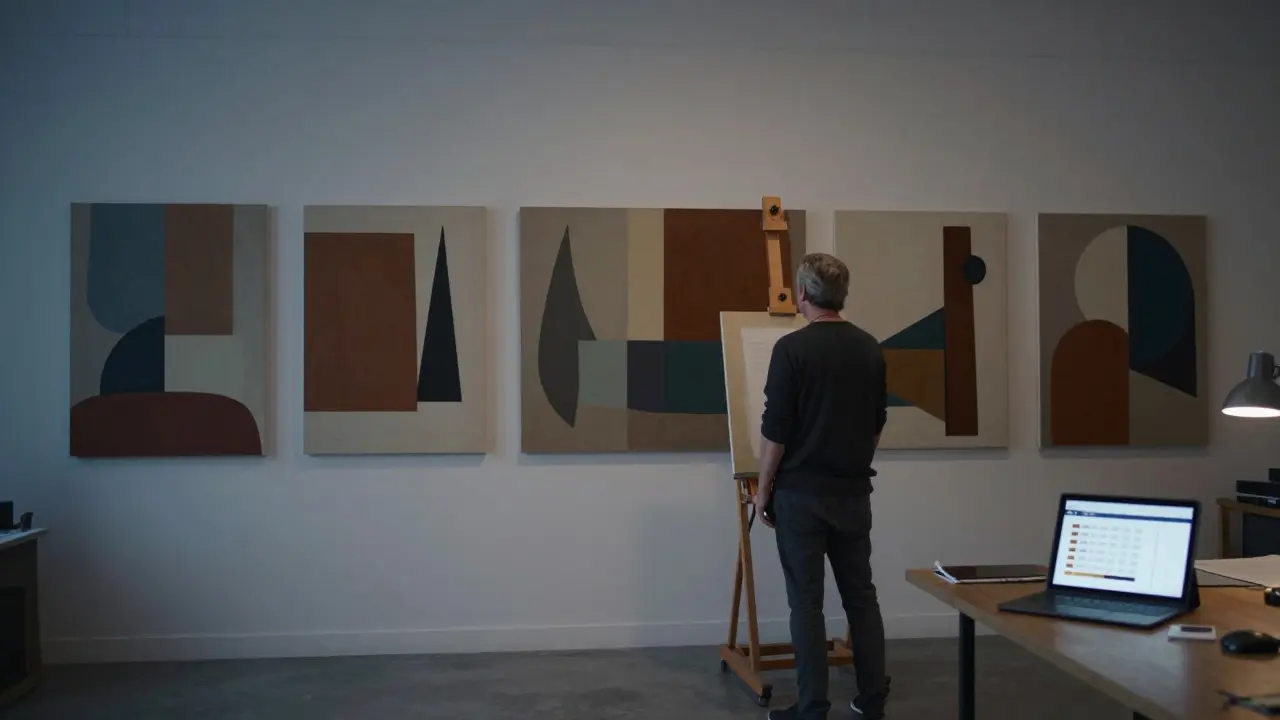
Common Pitfalls to Avoid
Many artists lose out on representation due to avoidable mistakes.
- Inconsistent Photography: Mixing studio shots with casual phone photos looks unprofessional. Keep lighting and angles uniform.
- Too Many Pieces: Quality over quantity. Ten exceptional works beat thirty average ones. Curators are busy; give them the best immediately.
- Vague Artist Statement: Don't use buzzwords. Explain your intent clearly. How does your work connect to broader cultural or social issues? Be specific.
- Ignoring the Secondary Market: Look at auction results for similar artists. If comparable works are selling well, your market exists. If not, you might need to adjust your pricing or positioning.
Also, pay attention to the format. Digital portfolios are now standard. Ensure your website loads fast and is mobile-friendly. Many curators review submissions on tablets or phones during commutes. If your site crashes, you're out.
Future-Proofing Your Career
The art market is shifting. Digital art, NFTs, and immersive experiences are changing what "portfolio" means. But the core principle remains: clarity wins. Whether you are a traditional painter or a digital creator, the gallery needs to know exactly who you are and who your audience is.
As you build your body of work, keep a record of your intentions. Write down why you made each piece. This documentation helps when you need to craft a cohesive narrative later. It also helps you spot patterns in your own work that you might miss in the moment.
Finally, network with other artists. Ask them what worked for them. Did they specialize early? Did they start broad and narrow down? Their experiences can provide valuable insights tailored to your specific medium and region.
In the end, it's not about restricting your creativity. It's about channeling it effectively. A focused portfolio is a tool for communication. It tells the gallery, "Here is my world. Come in and explore." That invitation is far more powerful than a chaotic display of possibilities.
Should I include older work in my portfolio?
Only if it demonstrates a clear progression toward your current style. Older work that looks significantly different can confuse curators. Show the evolution only if it reinforces your current identity.
How many pieces should be in a gallery submission?
Aim for 10-15 high-quality images. This is enough to show range within your focus area without overwhelming the viewer. Include details, context shots, and a few full views.
Does my artist statement matter more than my work?
The work comes first, but the statement provides context. A weak statement can undermine strong work by failing to explain its relevance. Keep it concise, specific, and free of jargon.
Can I change my style after getting representation?
Yes, but communicate it clearly. Major shifts should be announced as new series or exhibitions. Sudden changes without explanation can alienate existing collectors and confuse the gallery's marketing team.
What is the difference between a commercial gallery and a non-profit space?
Commercial galleries operate for profit and focus on sales. Non-profits focus on exhibition, education, and community. Commercial galleries care deeply about marketability and collector demand. Non-profits may accept more experimental or diverse portfolios.