Pop Art’s Legacy: How Commerce and Fine Art Collided
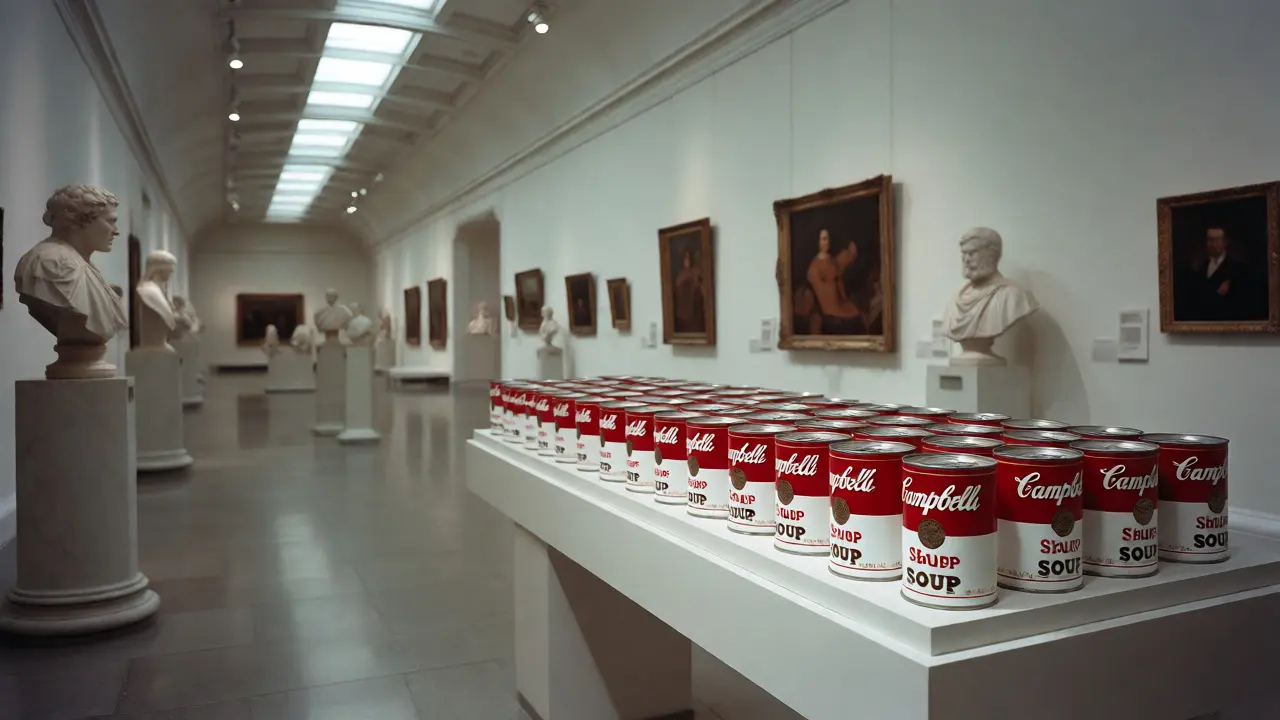
Imagine walking into a museum in 1962. You expect marble busts or solemn landscapes. Instead, you see Campbell’s Soup cans lined up like soldiers on a grocery shelf. It wasn’t just weird; it was a declaration of war against the idea that Pop Art had to be serious to be valuable. This movement didn’t just change what we look at; it changed how we buy, sell, and value creativity itself.
| Artist | Signature Motif | Commercial Strategy |
|---|---|---|
| Andy Warhol | Silk-screened celebrities & products | The "Factory" model for mass production |
| Roy Lichtenstein | Comic book panels & Ben-Day dots | Elevating low-brow media to high art |
| Claes Oldenburg | Giant soft sculptures of food | Turning consumer goods into public monuments |
The Death of the Unique Masterpiece
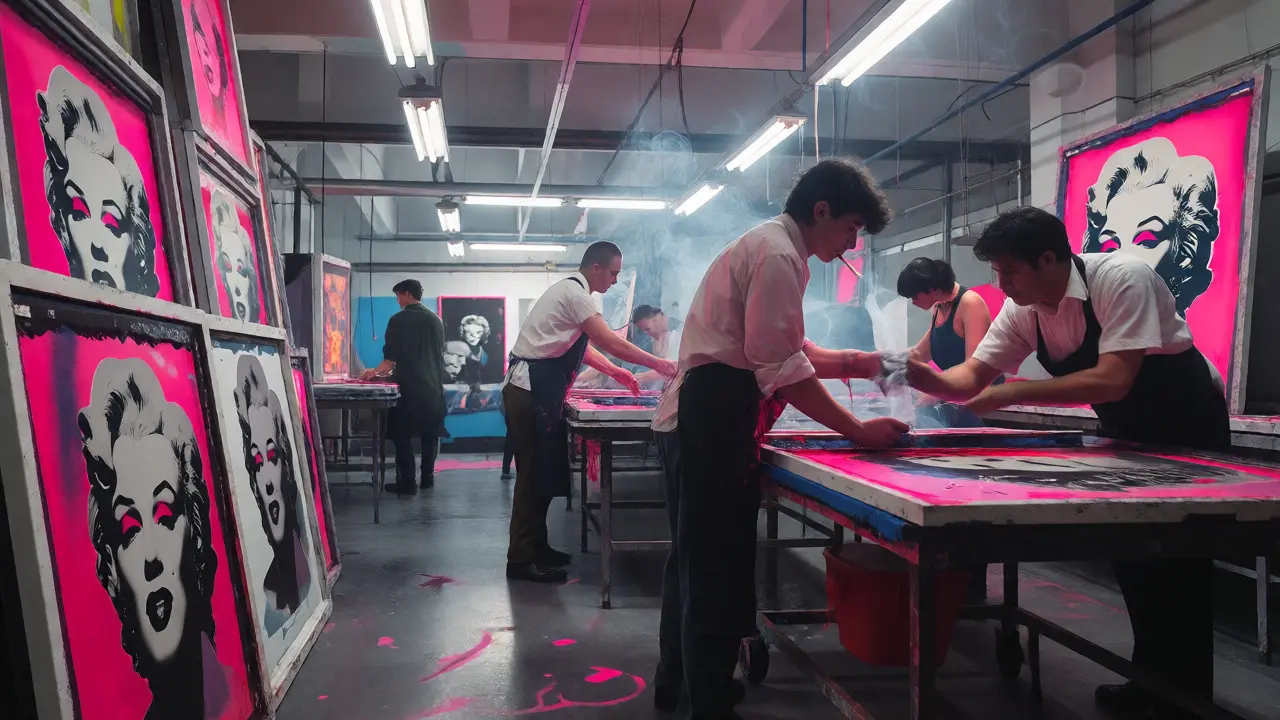
Before Pop Art exploded onto the scene, the art world operated on scarcity. A painting was valuable because one person made it, by hand, over weeks or months. It was precious. Then came Andy Warhol. He famously said, "I want to be a machine." And he acted like one. By using silk-screening techniques borrowed from advertising, Warhol could produce dozens of identical images of Marilyn Monroe or Elvis Presley in an afternoon.
This terrified traditionalists. If art can be copied, is it still art? Warhol argued that yes, it is-because the value lies in the idea and the cultural weight of the image, not the hours spent mixing paint. He turned his studio into "The Factory," where assistants helped create works. It was less a sanctuary for genius and more an assembly line for icons. This shift mirrored the post-war American economy: everything was becoming standardized, branded, and consumed quickly.
Borrowing from the Billboard
You don’t need a degree in art history to spot the DNA of Pop Art. Look at any magazine ad from the 1950s. Bold colors? Check. Simple shapes? Check. Immediate emotional impact? Double check. Artists like Roy Lichtenstein didn’t just mimic ads; they dissected them. He took comic strips-cheap entertainment meant for kids-and painted them with the precision of Renaissance masters.
Lichtenstein used Ben-Day dots, a printing technique used in newspapers to create shading cheaply. By enlarging these dots onto massive canvases, he forced viewers to confront the mechanics of mass media. We consume images without thinking about how they’re made. Pop Art pulled back the curtain. It showed us that our tastes are manufactured. When you see a giant hamburger sculpture by Claes Oldenburg, you aren’t just seeing food; you’re seeing the commodification of hunger itself.
How Marketing Became the New Muse
It’s easy to dismiss Pop Art as lazy copying, but that misses the point. The artists weren’t mocking consumerism; they were documenting it. They understood something crucial: in modern society, brands are more recognizable than religious symbols. The golden arches of McDonald’s hold more immediate meaning for most people than a stained-glass window in a cathedral.
This realization reshaped the art market. Galleries started selling works that looked like merchandise. Collectors began buying pieces that felt familiar. Why? Because familiarity sells. If you recognize the image, you feel a connection to it. That connection drives demand. Today, this dynamic is everywhere. Think about how many luxury fashion brands collaborate with contemporary artists. They know that art adds cachet, while art gains visibility through commerce. It’s a symbiotic relationship born in the 1960s.
The Price Tag Paradox
Here’s the irony: Pop Art criticized consumer culture, yet it became the ultimate consumer product. In recent years, Warhol’s paintings have sold for hundreds of millions of dollars. A soup can, once worth twelve cents, now trades for millions. How does that happen?
It happens because rarity re-emerged. While Warhol produced many copies, only a few survived in pristine condition. The market loves a story of exclusivity wrapped in accessibility. You can buy a poster of a Warhol print for $20. But you can’t buy the original canvas hanging in a private vault in Zurich. The distinction between "art" and "product" blurred so completely that collectors now pay premiums for both.
- Accessibility: Prints allowed everyday people to own "art," democratizing taste.
- Scarcity: Original canvases remained limited, keeping prices high for elites.
- Brand Power: The artist’s name became as valuable as the work itself.
Why Your Feed Looks Like a Gallery
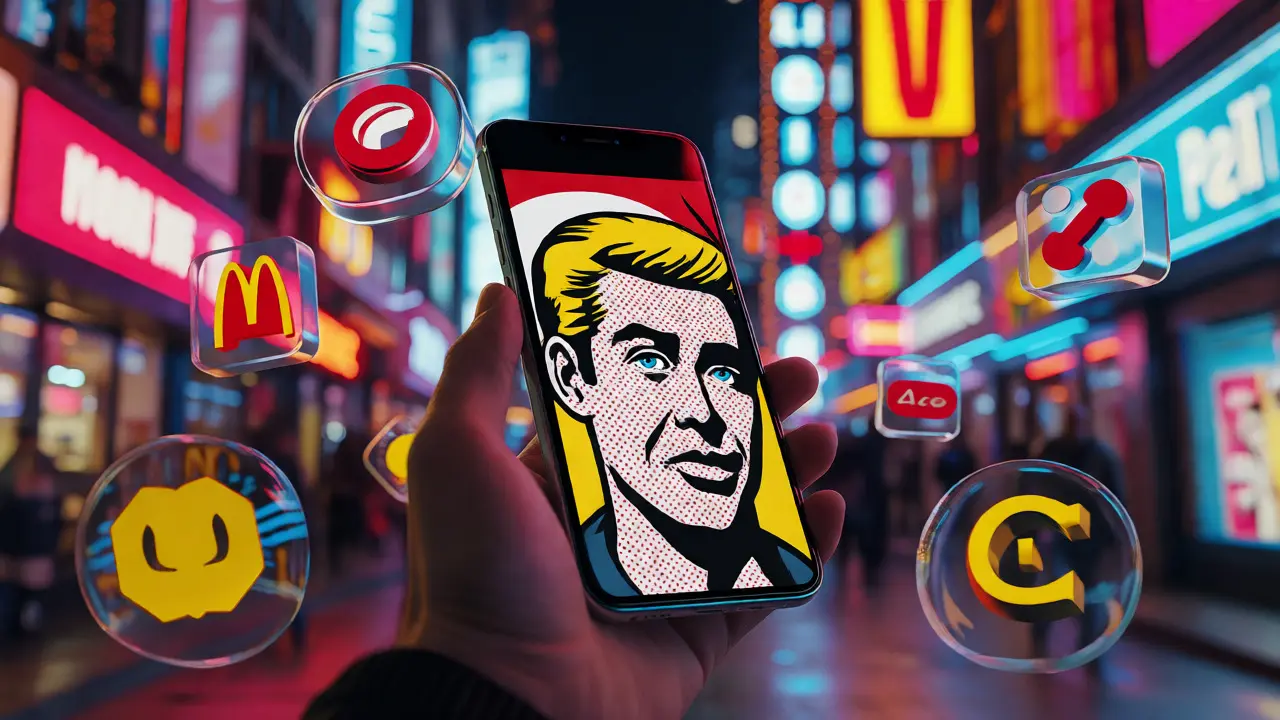
Fast forward to today. Scroll through Instagram or TikTok. What do you see? Bright colors, bold text, curated aesthetics. Influencers pose like models in ads. Brands commission content that looks like editorial photography. This is Pop Art’s legacy living in your pocket.
We no longer distinguish sharply between a piece of content and a piece of art. Both compete for attention. Both rely on visual punch. Both are designed to be shared. The boundary between creator and consumer has dissolved, just as Warhol predicted. We are all curators of our own brand. We edit our lives like Lichtenstein edited comic panels. The tools have changed-from silk screens to smartphones-but the impulse remains the same: to turn daily life into spectacle.
Lessons for Modern Creators
If you’re trying to build a career in creative fields, Pop Art offers three hard truths. First, context matters more than craft. You can execute perfectly, but if your message doesn’t resonate with the current cultural moment, it gets ignored. Second, embrace repetition. Consistency builds recognition. Warhol didn’t fear being repetitive; he leveraged it. Third, don’t shy away from commerce. Making money from your art doesn’t dilute its integrity. It proves its relevance.
The debate isn’t whether art should be commercial. It already is. The question is whether you control that narrative or let the market dictate it. Pop Art taught us that you can ride the wave of consumerism without drowning in it. You can use the tools of advertising to say something profound. Or at least, something memorable.
Was Pop Art considered "real" art when it first appeared?
Initially, critics dismissed it as shallow and commercial. Traditionalists believed art required technical mastery and deep emotion, which they felt Pop Art lacked. However, by the late 1960s, major museums began acquiring Pop works, legitimizing the movement as a critical reflection of post-war society rather than mere decoration.
How did Pop Art change the art market structure?
It shifted focus from unique, handmade objects to reproducible editions. This created a two-tier market: expensive originals for wealthy collectors and affordable prints for the middle class. It also introduced the concept of the "artist as brand," where the creator's persona became a significant part of the artwork's value.
Is there a difference between Pop Art and Street Art?
While both draw from popular culture, Pop Art emerged in galleries and focused on mass media imagery (comics, ads). Street Art, associated with figures like Banksy, originated in public spaces and often carries explicit political or social activism messages. Pop Art celebrated consumerism; Street Art frequently critiques it.
Why are Warhol’s soup cans so famous?
Warhol chose Campbell’s Soup because it was ubiquitous and unchanged for decades. By painting 32 different varieties, he highlighted the monotony of consumer choice. The fame comes from its simplicity-it forces viewers to ask why a mundane object becomes iconic when placed in a gallery context.
Does Pop Art still influence today’s design trends?
Absolutely. Modern branding relies heavily on bold typography, flat colors, and simplified logos-all hallmarks of Pop Art. Digital interfaces often use similar visual languages to ensure quick recognition. The aesthetic preference for "Instagrammable" visuals is a direct descendant of Pop Art’s emphasis on immediate visual impact.