Pest Prevention for Artwork: A Practical Guide to Stopping Insects and Rodents
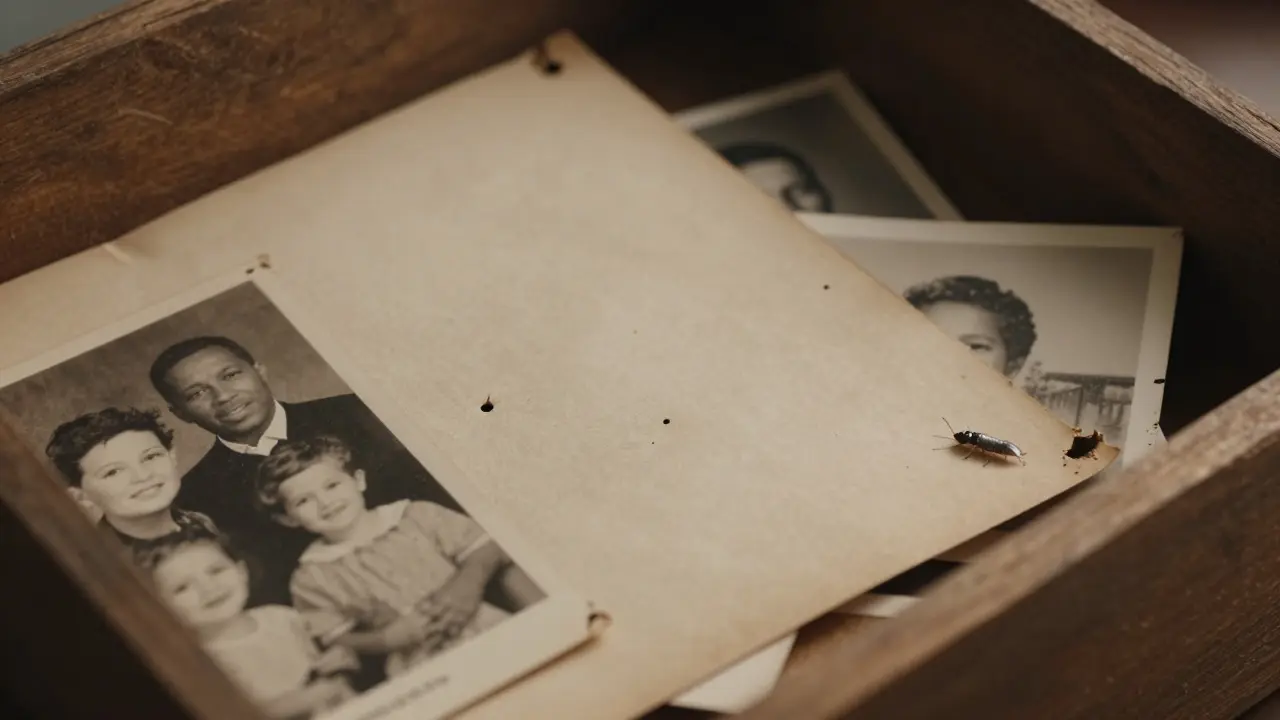
Imagine opening a crate of vintage posters or old family photos only to find tiny holes punched through the paper by booklice or chewed edges from mice. It is a nightmare for any collector or conservator. Pest prevention is the proactive process of identifying, monitoring, and eliminating biological threats like insects and rodents before they cause irreversible damage to cultural objects. Unlike cleaning dust, which is routine, dealing with pests requires understanding their life cycles and environmental triggers. If you ignore them, a single silverfish can destroy a rare first edition in months, while a mouse nest can ruin an entire archive in weeks.
Why Pests Are the Silent Killers of Collections
Most people think about fire or water damage first when protecting art. But pests are insidious because they work slowly and often out of sight. Insect damage manifests as small pinholes, frass (insect droppings), webbing, or distinct feeding patterns. Rodent activity, on the other hand, leaves behind gnaw marks, urine stains, and large-scale structural destruction. The key difference is that insects usually eat cellulose-based materials like paper, wood, and textiles, while rodents chew almost anything soft enough to fit their teeth.
The cost of neglect is high. According to the Association of Art Conservators, biological agents account for nearly 40% of all reported damage in private collections. This isn't just about aesthetics; it's about structural integrity. When termites eat the wooden frame of a painting, the canvas loses support. When mice gnaw through insulation in a storage unit, humidity spikes, leading to mold growth. So, preventing pests is really about controlling the environment they thrive in.
Identifying Your Primary Threats
You cannot fight an enemy you haven't identified. The two main groups you need to watch are insects and rodents. Each has specific species that target different types of artwork.
- Booklice (Psocids): These tiny, wingless insects love high humidity. They feed on starches in paper glue and mold spores. You'll see them as moving specks on books or paperbacks.
- Silverfish: Shiny and fish-shaped, these nocturnal creatures eat cellulose. They are common in damp basements and attics where old documents are stored.
- Woodworms (Anobid beetles): The larvae of these beetles tunnel inside wooden frames and sculptures. You might not see the adult beetle, but the exit holes in the wood are a dead giveaway.
- House Mice: Small, agile, and curious, mice will chew through plastic, wire, and even soft leather bindings. They leave dark, shiny droppings near entry points.
- Rats: Larger and more destructive than mice, rats can chew through copper pipes and thick cables. Their urine has a strong ammonia smell that lingers in enclosed spaces.
Knowing what you're looking for helps you spot problems early. For example, if you see fine powder under a wooden easel, it's likely woodworm frass. If you see grease marks along baseboards, it's probably a rodent trail.
Creating a Barrier: Physical Exclusion Strategies
The most effective way to keep pests out is to stop them from getting in. This is called physical exclusion. It sounds simple, but it requires attention to detail. Start by sealing every gap larger than 1/4 inch. Rodents can squeeze through incredibly small openings.
- Seal Entry Points: Use steel wool and caulk to fill gaps around pipes, vents, and windows. Steel wool is better than foam because rodents can chew through foam easily.
- Install Door Sweeps: Ensure exterior doors have tight-fitting sweeps. Even a small gap at the bottom allows mice to enter.
- Screen Vents: Cover attic and crawl space vents with mesh no larger than 1/8 inch. This stops flying insects and small rodents from entering via air flow.
- Use Acrylic Seals: For display cases, use UV-stable acrylic seals instead of rubber, which degrades over time and creates gaps.
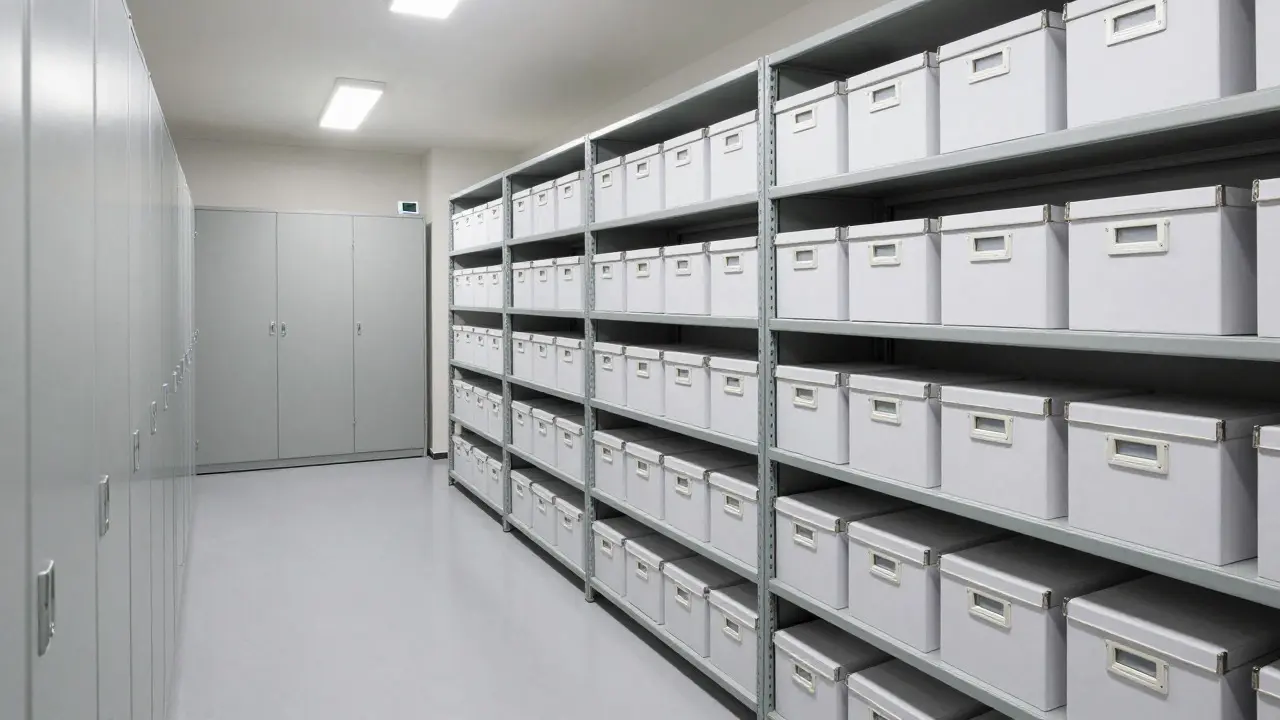
Once the building envelope is secure, focus on the storage containers. Archival boxes should be made of acid-free cardboard or metal. Avoid using regular cardboard boxes, which contain starches that attract booklice. Metal cabinets are ideal for long-term storage of sensitive items, provided they are lined with inert material to prevent corrosion.
Environmental Control: Temperature and Humidity
Pests don't just live in your house; they live in the conditions you create. Most insects prefer temperatures between 68°F and 77°F (20°C - 25°C) and relative humidity above 60%. By adjusting these factors, you make your collection less hospitable to them.
| Condition | Ideal for Art Preservation | Thrives for Pests | Action Required |
|---|---|---|---|
| Temperature | 65°F - 70°F (18°C - 21°C) | 70°F - 80°F (21°C - 27°C) | Use HVAC systems with thermostatic controls |
| Relative Humidity | 30% - 50% | Above 60% | Use dehumidifiers and hygrometers |
| Light Exposure | Low lux levels (50-150 lux) | Varies, but darkness protects nests | Use UV-filtering glass and low-light bulbs |
Monitoring is crucial here. Place digital hygrometers in every room where art is stored. Check them weekly. If humidity spikes after rain or during winter heating, run a dehumidifier immediately. Consistency matters more than perfection. Fluctuating humidity causes paper to expand and contract, making it easier for insects to penetrate the fibers.
Monitoring and Detection Tools
You can't fix what you don't know is there. Regular monitoring is the backbone of any good pest management plan. Professional conservators use integrated pest management (IPM) strategies, which rely on detection rather than immediate chemical treatment.
- Trap Monitoring: Place pheromone traps for silverfish or glue boards for rodents in corners and behind furniture. Check them monthly. Empty traps regularly to avoid attracting more pests.
- Visual Inspections: Do a thorough walkthrough every quarter. Look for signs of damage, droppings, or webbing. Bring a flashlight to check dark corners and behind shelves.
- Digital Logs: Keep a log of temperature, humidity, and any pest sightings. This data helps you identify patterns. For instance, if you always see booklice in July, you know summer humidity is the trigger.
If you find evidence of pests, don't panic. Isolate the affected items immediately. Move them to a clean, dry area away from other collections. This prevents cross-contamination. Then, assess the severity. A few booklice on one book is manageable. A full infestation of woodworms in a cabinet requires professional intervention.
Treatment Options: Chemical vs. Non-Chemical
When prevention fails, you need treatment. The goal is to eliminate the current population without damaging the artwork. Chemical treatments are fast but risky. Fumigation uses gas to kill insects, but it requires moving all items out of the building and can be expensive. Spot treatments involve applying pesticides directly to affected areas, but some chemicals can stain or degrade certain materials.
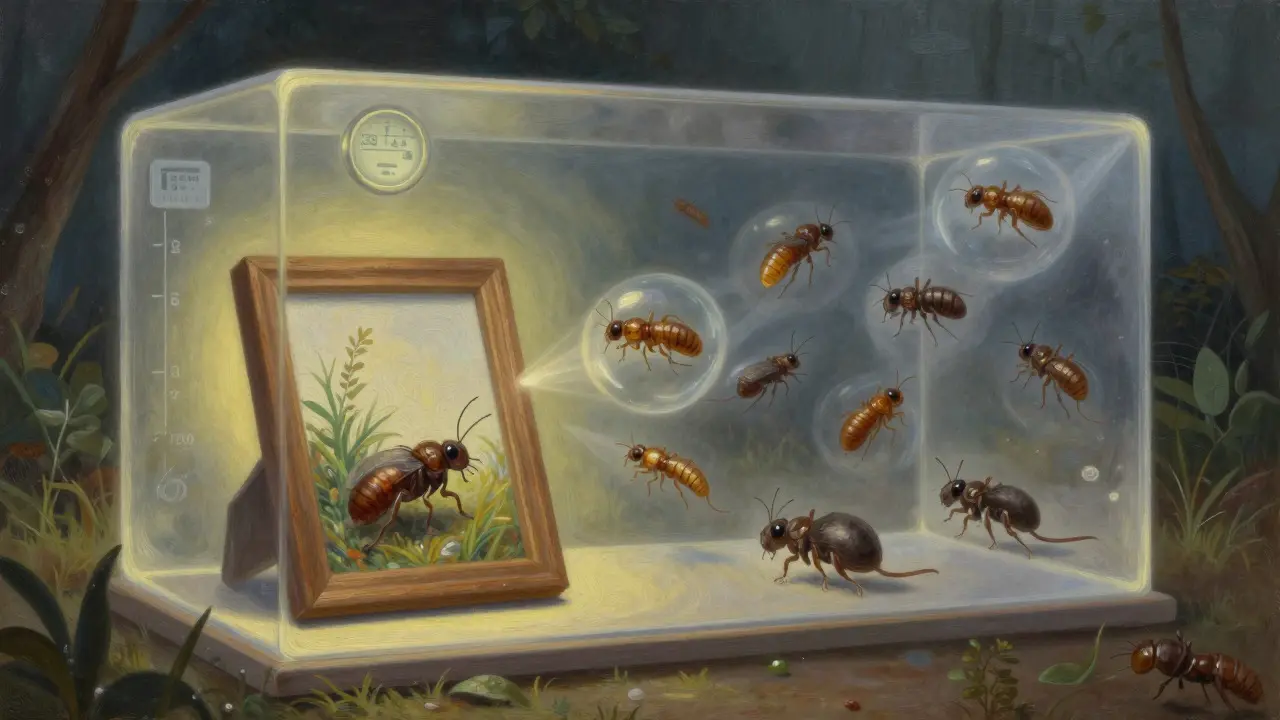
Non-chemical methods are safer for delicate items. Anoxic chambers use oxygen scavengers to remove oxygen from sealed containers, suffocating insects. This works well for books, papers, and small sculptures. Freeze treatment involves placing items in a commercial freezer at -20°F (-29°C) for at least 72 hours. This kills most insect life stages. However, you must acclimate items gradually to avoid condensation damage.
For rodents, trapping is the standard approach. Snap traps are preferred over poison baits because poison kills rodents in hidden places, causing odors and secondary predation issues. Place traps along walls where rodents travel. Use peanut butter or cheese as bait. Check traps daily and dispose of captured rodents promptly.
Maintenance Routine for Long-Term Protection
Pest prevention is not a one-time task; it's a habit. Here is a simple routine you can follow:
- Weekly: Check hygrometers and clean up any food crumbs or spills in storage areas.
- Monthly: Inspect trap monitors and look for new signs of damage. Wipe down shelves with a microfiber cloth to remove dust, which can harbor eggs.
- Quarterly: Conduct a full visual inspection of all stored items. Rotate items so nothing stays in the same spot forever, which helps detect slow-moving damage.
- Annually: Review your HVAC system and filter replacements. Clean gutters and ensure drainage flows away from the building foundation.
Consistency is key. If you stick to this routine, you will catch problems before they become disasters. And remember, the best time to treat pests is when they are few and far between. Waiting until you see swarms means you've already lost significant value.
Can I use household vacuum cleaners to remove pests from artwork?
Yes, but carefully. Use a HEPA-filtered vacuum with a brush attachment on the lowest suction setting. Hold the nozzle slightly away from the surface to avoid pulling loose fibers or paint. Never vacuum wet items or those with flaking surfaces. Vacuuming removes frass and eggs, reducing the food source for surviving insects.
Are essential oils effective against booklice and silverfish?
Essential oils like cedarwood or lavender may repel some insects temporarily, but they are not reliable for long-term control. Their potency fades quickly, and they can leave residues that attract dust. For serious infestations, rely on environmental control and physical barriers instead of scents.
How do I know if my wooden frames are infested with woodworms?
Look for small, round exit holes in the wood. Tap the frame gently; if it sounds hollow, there may be tunnels inside. You might also see fine, powdery sawdust (frass) accumulating below the object. If you find these signs, isolate the piece and consider professional assessment, as woodworms can weaken structural integrity.
Should I store art in plastic bins?
Avoid clear plastic bins for long-term storage, especially in humid climates. Plastic can trap moisture, creating a greenhouse effect that encourages mold and insect growth. If you must use plastic, choose opaque, vented containers and place silica gel packets inside to absorb excess humidity. Acid-free archival boxes are a much safer alternative.
What is the safest way to freeze artworks for pest control?
First, wrap the item in acid-free tissue paper, then place it in a sealed polyethylene bag. Remove as much air as possible. Place the bag in a commercial freezer set to -20°F (-29°C) for at least 72 hours. When removing it, let it thaw slowly in a controlled environment to prevent condensation. Do not freeze items with varnish, oil paintings, or mixed media without consulting a conservator, as freezing can crack certain materials.