Performance Art Today: Bodies, Time, and Ephemeral Works
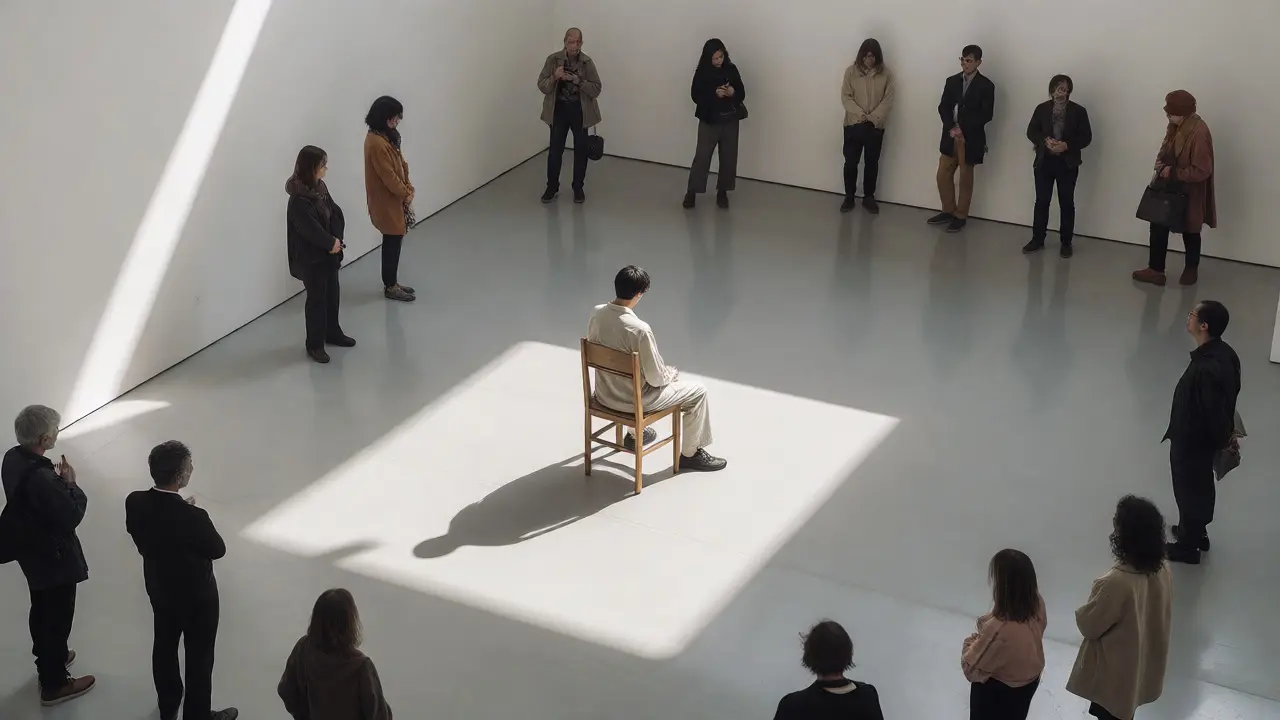
Imagine standing in a gallery, watching someone sit perfectly still for eight hours. No paint, no canvas, just a human body existing in real-time. You might feel awkward. You might check your phone. But you are witnessing one of the most potent forms of modern expression: performance art. Unlike a painting that hangs quietly on a wall, this is art that breathes, sweats, and eventually disappears.
In 2026, we live in an era of digital permanence. Everything is recorded, uploaded, and stored forever. Yet, performance art thrives precisely because it resists this. It reminds us that some experiences cannot be captured by a camera lens. If you have ever wondered why artists choose to use their own bodies as mediums, or how a piece that vanishes after ten minutes holds value, you are asking the right questions. This guide breaks down what makes performance art tick today, from the raw physicality of body art to the philosophical weight of time-based works.
The Core Concept: Why the Body Matters
At its heart, performance art is about presence. The artist is not creating an object; they are creating an event. The medium is the artist's own body, which serves as both the subject and the tool. When Marina Abramović sat across from strangers for months in her iconic piece "The Artist Is Present," she wasn't acting. She was enduring. The vulnerability of the human form creates an immediate, visceral connection with the audience that a marble statue simply cannot match.
This shift from object to action changes how we consume art. You don't look at performance art; you witness it. And because the artist is often pushing their physical limits-standing, dancing, speaking, or remaining silent-the stakes feel real. If a painter makes a mistake, they can scrape off the paint. If a performer faints from exhaustion during a durational piece, that is part of the work. This risk factor adds a layer of authenticity that resonates deeply in our increasingly curated, filtered world.
Ephemerality: The Beauty of Disappearing
One of the hardest concepts for new collectors or viewers to grasp is ephemerality. In traditional markets, value is tied to scarcity and durability. A bronze sculpture lasts centuries. But ephemeral art is defined by its transience. Once the performance ends, the artwork ceases to exist in its original form. All that remains are photographs, videos, scripts, and memories.
Why would anyone pay for something that vanishes? Because the experience itself is the product. Think of it like attending a concert versus buying a vinyl record. The record is a commodity; the concert is a unique moment in time that will never happen again in exactly the same way. In recent years, galleries have adapted by selling certificates of authenticity or rights to re-perform the work. But purists argue that the essence of the art lies in its impermanence. It forces the viewer to be fully present, knowing that if they blink, they might miss the crucial second where the meaning shifts.
Time as a Medium
Time is not just a container for performance art; it is a material. Artists manipulate duration to alter perception. Some pieces last only seconds, like a sudden scream or a splash of water. Others stretch over days or weeks, known as durational performances. These long-form works challenge both the artist and the audience to rethink their relationship with time.
Consider the difference between a five-minute dance and a five-day sit-in. The short piece relies on impact and spectacle. The long piece relies on endurance and repetition. As the hours tick by, the initial novelty wears off, and deeper psychological states emerge. Boredom becomes part of the aesthetic. Fatigue becomes visible. This manipulation of temporal experience allows artists to comment on labor, waiting, and the monotony of daily life. It turns the passive act of watching into an active negotiation with time.
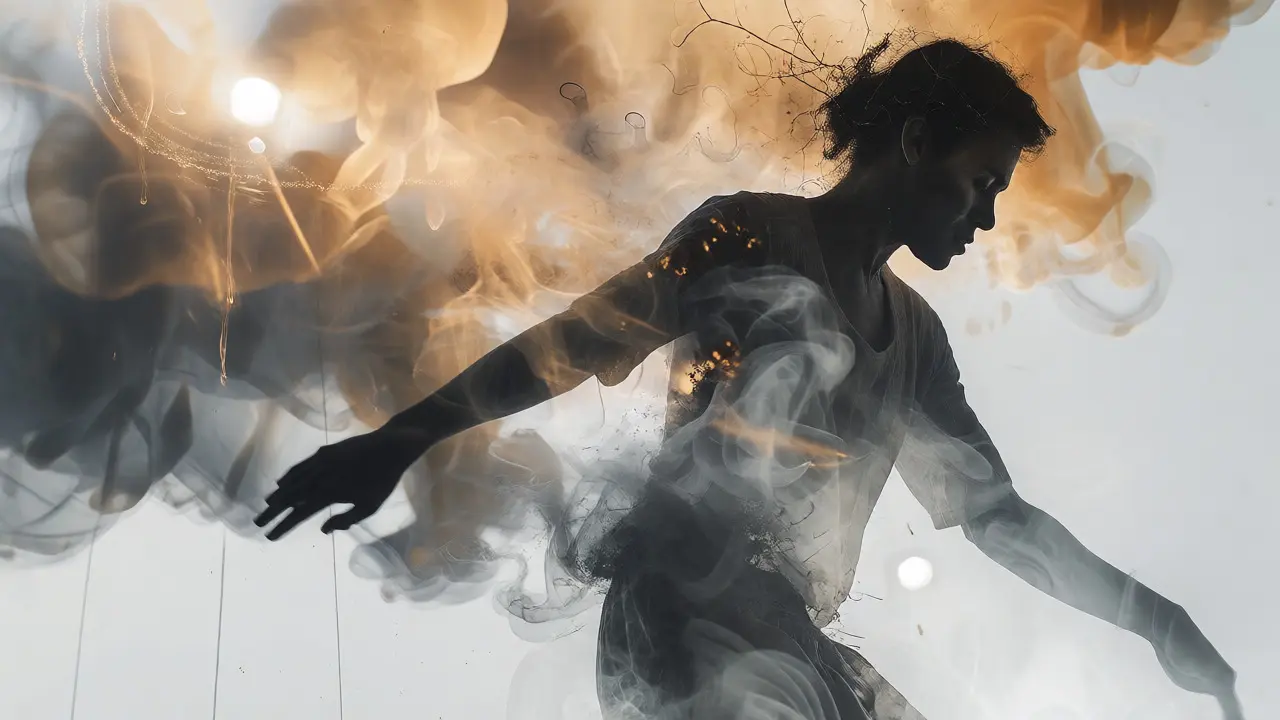
Key Elements of Contemporary Performance
If you want to understand or create performance art, you need to recognize its building blocks. It is rarely just one thing. Most successful contemporary works blend several elements:
- Presence: The undeniable reality of the artist being there. No green screens, no pre-recorded loops (unless that is the specific point).
- Vulnerability: The artist exposes themselves physically or emotionally. This could mean nudity, pain, silence, or public embarrassment.
- Audience Interaction: The line between viewer and participant often blurs. Are you watching, or are you part of the scene?
- Context: Where does it happen? A museum, a street corner, a subway station? The location dictates the rules of engagement.
- Documentation: While the art is live, video and photography serve as artifacts. They are not the art itself, but they keep the conversation alive after the curtain falls.
How to Experience Performance Art Without Awkwardness
Many people avoid performance art because they don't know how to behave. Should you clap? Can you talk? Do you need to stay until the end? Here is a simple cheat sheet for navigating these events without feeling out of place.
| Situation | What to Do | Why |
|---|---|---|
| You arrive late | Enter quietly, find a seat near the back, do not apologize loudly. | Disrupting the flow breaks the immersion for others. |
| You feel bored | Observe your boredom. Notice how time feels different. | Boredom is often an intended effect in durational works. |
| The artist looks at you | Hold eye contact or look away gently. Do not laugh nervously. | Eye contact is a direct channel of communication in this medium. |
| It ends abruptly | Wait a few seconds before moving. Then applaud if appropriate. | Abrupt endings are often designed to leave you unsettled or thoughtful. |
| You don't get it | Ask yourself: How did my body react? Did I feel tense, relaxed, anxious? | Performance art is somatic; your physical reaction is valid data. |
The Market for the Invisible
Buying performance art is tricky. You aren't buying a physical object you can hang in your hallway. Instead, you are often buying a set of instructions, a video installation, or the right to commission a re-performance. Collectors in 2026 are increasingly interested in these "time-based media." Institutions like MoMA and Tate have dedicated departments for preserving these works, which involves keeping detailed records of every iteration.
For emerging artists, this means your portfolio needs more than just photos. You need clear documentation, critical essays, and perhaps a script. For buyers, it means investing in the narrative around the work. The value isn't in the pixels of the video file; it's in the cultural significance of the moment it captured. If you are looking to start collecting, look for artists who have strong archival practices. Good documentation ensures the work survives beyond the night it happened.
Common Pitfalls for New Performers
If you are an artist trying your hand at performance, beware of these traps. First, don't confuse shock value with substance. Doing something weird just to get attention rarely sustains interest beyond the first minute. Second, ignore the technical aspects at your peril. Sound systems fail, lighting glitches, and audiences wander. Rehearse the logistics as much as the concept. Finally, respect your body. Pushing too hard without preparation leads to injury, which can derail a career. Performance art is marathon running, not sprinting.
Is performance art considered fine art?
Yes, absolutely. Since the 1960s, performance art has been firmly established within the fine art canon. It is taught in major art schools, collected by museums, and critiqued in serious academic journals. It challenges the definition of art by prioritizing process and presence over permanent objects.
Can I take photos during a performance?
This depends entirely on the artist and the venue. Many contemporary performances encourage photography to share the experience on social media, while others strictly forbid it to maintain immersion. Always check the program notes or ask staff before raising your phone. Flash photography is almost always prohibited.
How is performance art preserved?
Since the live event is gone, preservation relies on documentation. This includes high-quality video recordings, audio logs, photographs, scripts, costumes, props, and written critiques. Some works are designed to be re-performed by other artists following strict score-like instructions, allowing the piece to evolve over decades.
What is the difference between theater and performance art?
Theater typically involves actors playing characters within a scripted narrative, aiming for illusion and storytelling. Performance art usually features the artist as themselves, focusing on conceptual ideas, real-time existence, and breaking the fourth wall. There is less emphasis on plot and more on the authentic experience of the moment.
Why do some performances seem boring?
Boredom is often intentional. Durational performances aim to make the audience conscious of time passing. By removing entertainment distractions, the artist invites viewers to confront their own patience, discomfort, or awareness of the environment. What feels like nothing happening is often a deep exploration of presence.