Opening Inventory Strategy: Curating Your First Saleable Show
Starting a gallery isn’t about hanging paintings on walls and hoping people show up. It’s about building a collection that tells a story - one that collectors feel they can’t walk away from. Your first saleable show isn’t just a launch party. It’s your first real test: can you read the market, pick work that moves people, and create a moment people remember? If you get this right, you’ll build momentum. Get it wrong, and you’ll be stuck explaining why no one bought anything.
What Makes Art Saleable?
Not all art sells. Not even close. In Portland, where the art scene is strong but saturated, galleries that survive are the ones that understand a simple truth: saleable art connects. It doesn’t have to be expensive. It doesn’t have to be famous. But it must feel personal to someone who walks in.
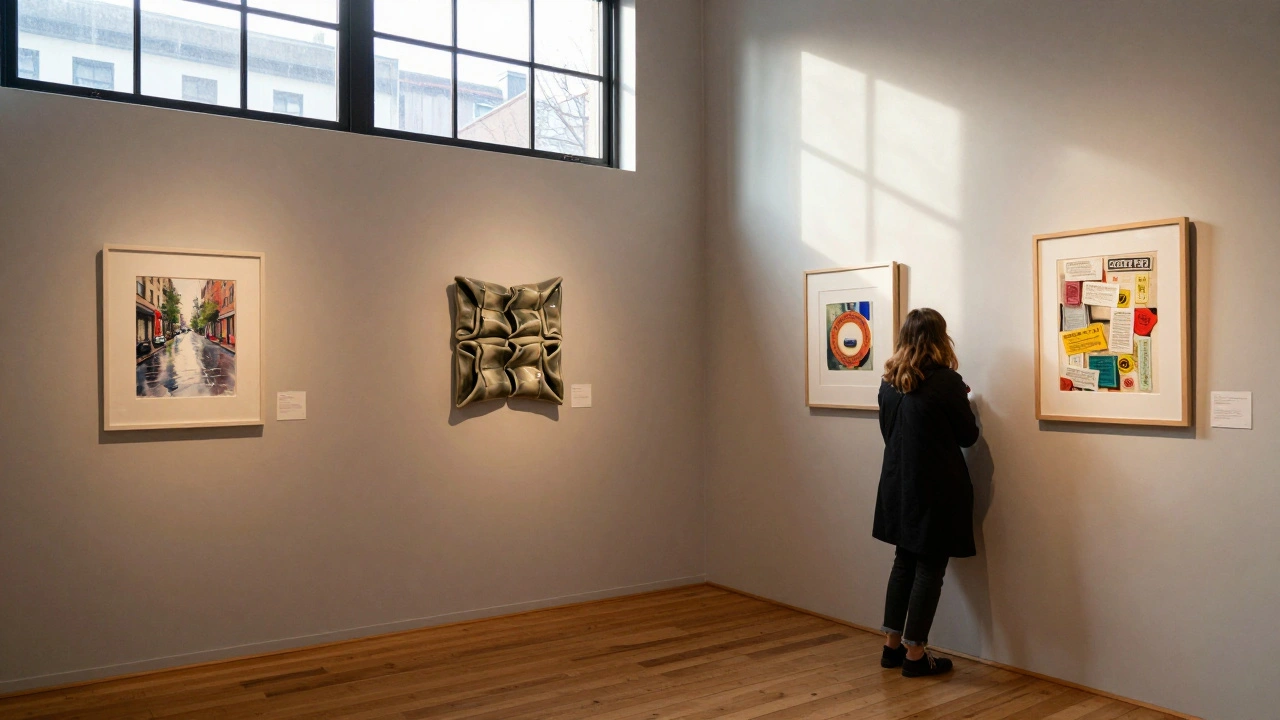
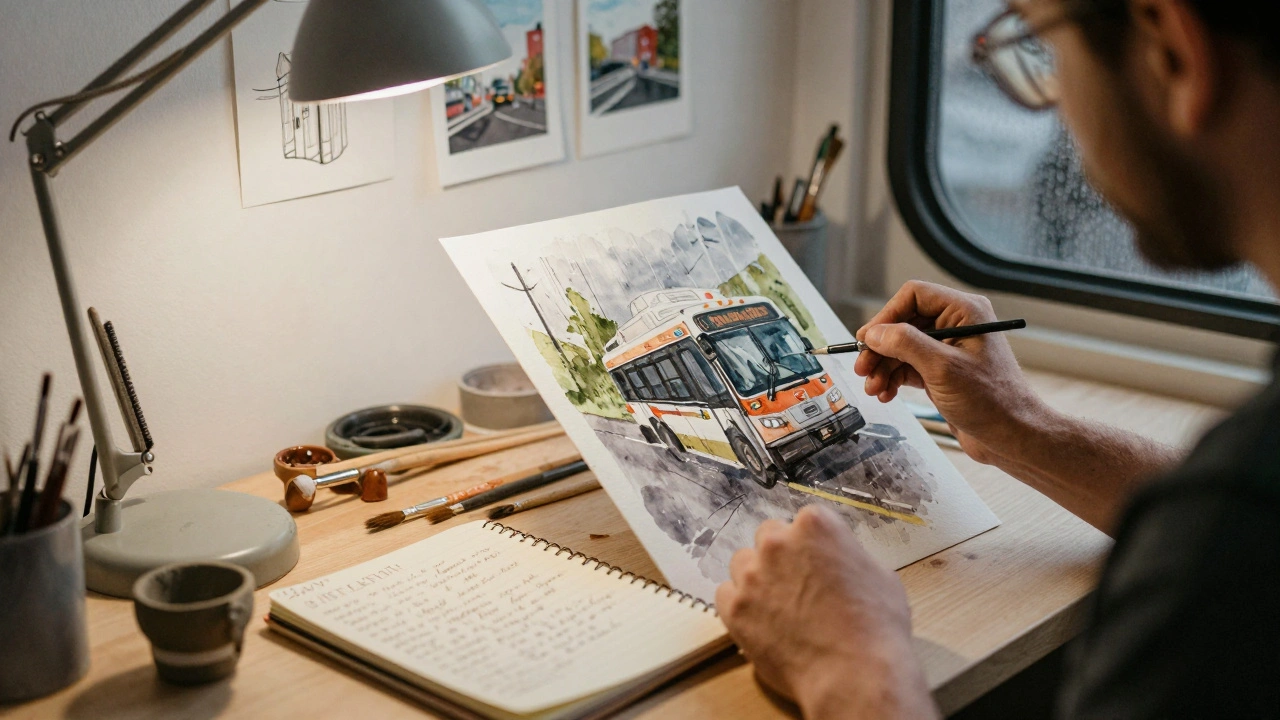
Look at what moved last year’s top-selling pieces at local galleries. A small watercolor of a rainy street in Northeast Portland by a 32-year-old artist sold for $1,800 because the buyer said, “That’s my commute.” A ceramic sculpture of a folded blanket, made by a former textile worker, went for $2,400 because it reminded people of their grandmothers. These weren’t gallery darlings. They were quiet, human moments.
So ask yourself: what emotions are people carrying right now? Stress? Nostalgia? Hope? Your inventory should reflect that. Don’t buy what you think is cool. Buy what someone will feel in their chest when they see it.
Start Small - But Not Too Small
Many new gallery owners make the mistake of trying to fill 1,500 square feet with 50 pieces. That’s overwhelming. It turns your space into a warehouse, not a gallery. Your first show should have between 8 and 12 pieces. That’s enough to show range, but not so much that viewers get lost.
Here’s how to build it:
- 3 pieces from a single emerging artist - enough to show depth
- 2 pieces from a mid-career local artist with a strong following
- 2 pieces from a regional artist with national recognition
- 1 piece from an artist outside Oregon - something unexpected
- 1 piece from a community member who submitted work
- 1 piece you commissioned yourself - something that speaks to your gallery’s mission
This mix gives you credibility, connection, and surprise. It says: we know our scene, but we’re not afraid to stretch.
Price It Right - Or Don’t Price It At All
Pricing is the silent gatekeeper. Too high, and people think you’re pretentious. Too low, and they think the art isn’t valuable. The sweet spot? Around $500 to $3,000 for your first show.
Why that range? Because it’s where first-time collectors start. People who’ve never bought art before don’t drop $10,000 on their first piece. But $800? That’s doable. It’s a car wash, a weekend getaway, a few nights out. It’s a choice.
Some galleries avoid listing prices. They say it’s more mysterious. Don’t do that. It frustrates people. Instead, use a simple system: label each piece with its price and a short line - like “Made in Portland, 2025” or “Inspired by the Columbia River Gorge.” That’s not fluff. That’s context. Context builds trust.
Curate for Connection, Not Trends
Trends fade. Connection lasts. You’ll hear people say, “You should show more abstract work - it’s hot right now.” Ignore them. Abstract art isn’t hot because it’s good. It’s hot because a few influencers said so. And influencers don’t live in your neighborhood.
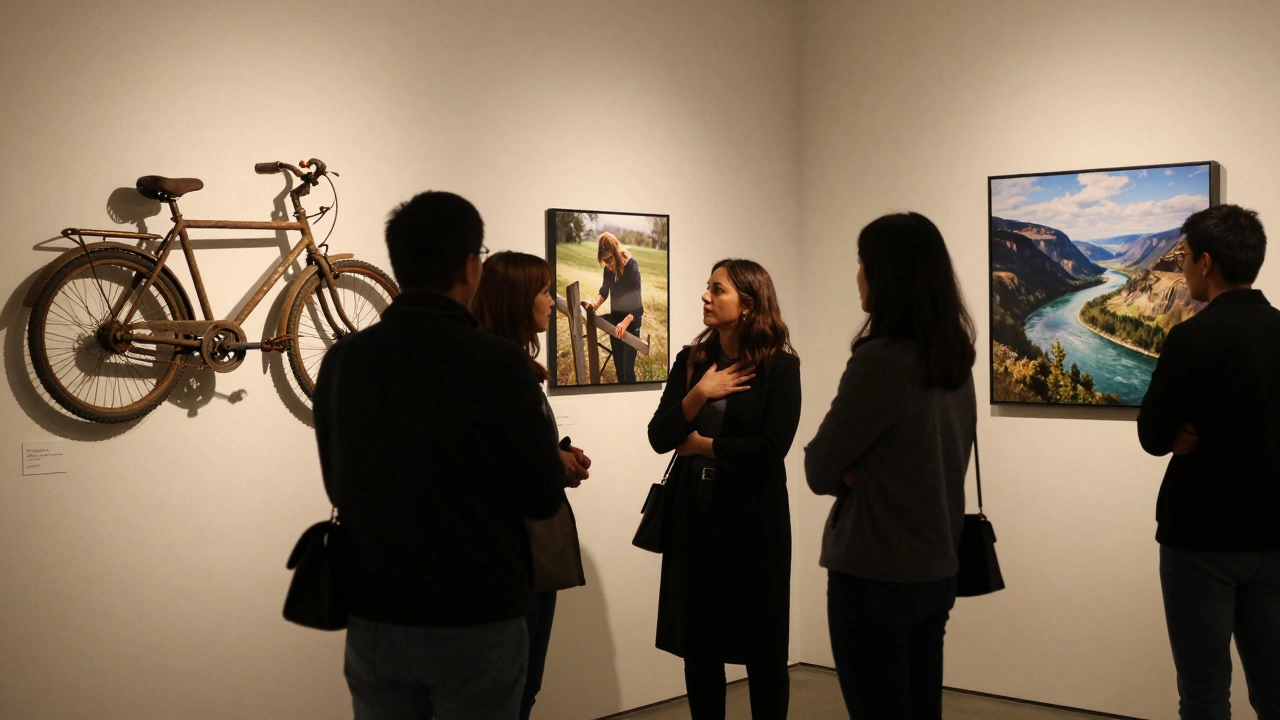
Instead, look for work that feels like it came from a real life. A photograph of a woman fixing her neighbor’s fence. A mixed-media piece using old receipts from a Portland diner. A sculpture made from recycled bike parts. These aren’t trends. They’re truths.
One gallery in Seattle started with a show called “Things We Carried.” Every piece was made from an object someone saved from a move, a breakup, or a loss. They sold out in 11 days. Not because it was flashy. Because it felt like a confession.
Your first show should do the same. Pick work that asks: What did you hold onto?
Build the Story Before the Show
You don’t just hang art and open the door. You build a story. People need to know why this show matters before they even walk in.
Start three weeks before opening:
- Post one short video per week of the artist at work - no music, just hands, tools, silence
- Write a 300-word artist bio for each piece and post it on your website - no jargon, just human language
- Send handwritten notes to 50 local collectors you admire - not asking for sales, just saying: “I’m putting together something I think you’ll care about.”
When you open, people don’t just see art. They feel like they were invited into something private. That’s what turns visitors into buyers.
What Happens After the Show?
Opening night is just the beginning. The real test is what happens next.
If you sold 6 pieces, don’t celebrate like you won the lottery. Celebrate like you passed a test. You now know: what works. What doesn’t. Who’s listening.
Reach out to every buyer. Not to sell them more. But to ask: “What made you choose that piece?” Their answer will shape your next show.
Keep the artists in the loop. Send them photos of the work in their new homes. Ask if they want to do a second show. Most will say yes - if you treat them like partners, not vendors.
And if no one bought anything? Don’t panic. It happens. But don’t blame the artists. Look at your story. Your pricing. Your setup. The art wasn’t the problem. The message was.
Don’t Chase Big Names
You don’t need a famous artist to make your gallery matter. In fact, chasing big names early can sink you. They demand high commissions. They require complex logistics. And their collectors don’t care about your gallery - they care about the artist’s name.
What you need is authenticity. A quiet artist from Gresham who paints birds in abandoned train yards. A ceramicist in Beaverton who uses clay from the Willamette River. A poet who turns her verses into ink-on-paper installations.
These are the people who will build your reputation. Not because they’re famous. But because they’re real.
Your First Show Is a Compass, Not a Destination
Don’t think of this as your big debut. Think of it as your first compass setting. You’re not trying to create a masterpiece collection. You’re trying to learn how to listen.
Every piece you choose, every price you set, every story you tell - it’s data. You’re collecting feedback from the people who matter: the ones who pause, who lean in, who ask, “Who made this?”
When you open your second show, you’ll know more. You’ll have names. You’ll have relationships. You’ll have proof that people don’t just want art. They want meaning.
That’s what saleable inventory really is: not a collection of objects. It’s a collection of moments you helped someone find.