Online Art Criticism: How Social Media and Digital Platforms Changed the Game
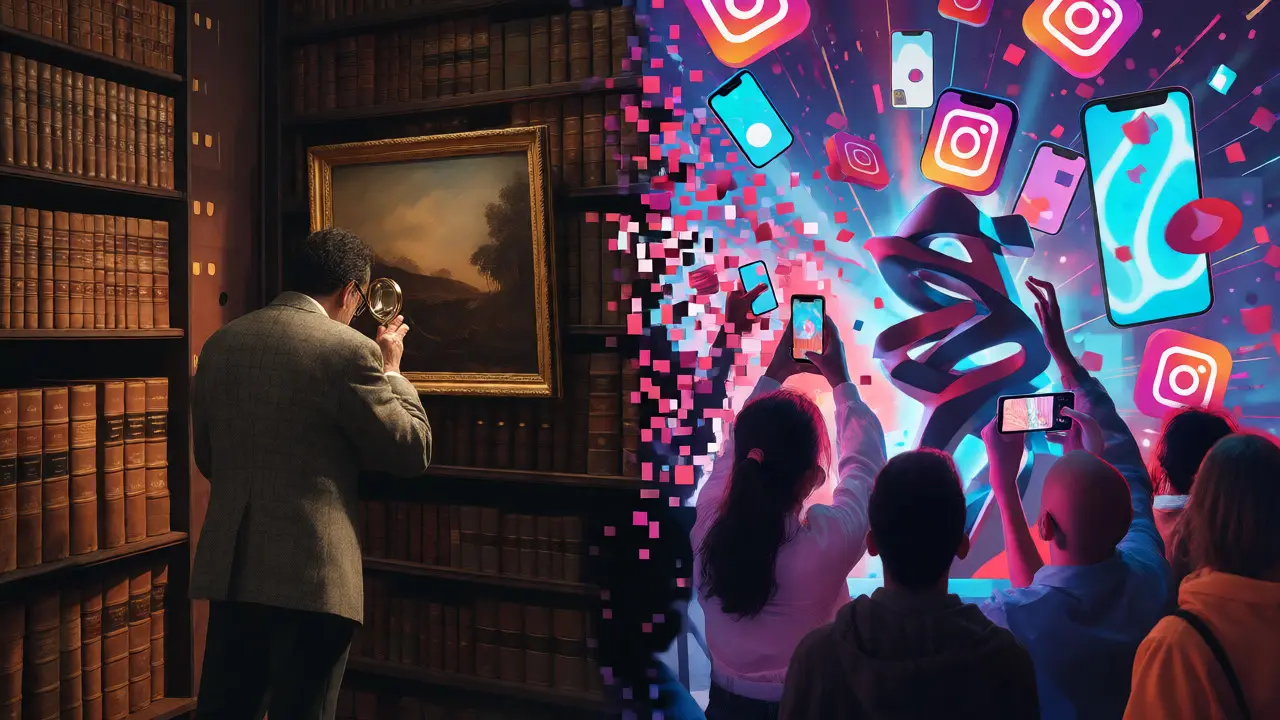
You used to need a degree in art history or a byline in The New York Times to have your opinion on a painting matter. Today? A teenager in Portland with an iPhone and a sharp eye can dismantle a gallery show’s narrative faster than a tenured professor. We are living through the most significant shift in how we talk about art since the invention of the printing press. Online art criticism is the practice of evaluating, interpreting, and discussing visual arts through digital channels like Instagram, TikTok, YouTube, and specialized blogs, rather than traditional print media.
This isn't just about moving words from paper to screens. It’s about power dynamics. Who gets to decide what "good" art is? For decades, that gatekeeping was tight. Now, it’s wide open. And honestly? It’s messy, exciting, and occasionally terrifying for everyone involved.
The Death of the Gatekeeper
Think back to 2010. If you wanted to know if a new artist was worth your time, you checked Frieze, Artforum, or maybe a trusted blog like Hyperallergic. These were the filters. They curated reality. If they didn’t write about you, you basically didn’t exist in the mainstream conversation.
Social Media broke that lock. Algorithms don’t care about your pedigree; they care about engagement. A video of someone mixing paint in a weird way can get two million views while a scholarly essay on the same technique gets twelve reads. This shift forced institutions to adapt. Museums started hiring social media managers before they hired curators. Galleries began tracking follower counts as seriously as sales figures.
The result is a democratization of voice. You don’t need permission to critique anymore. But this freedom comes with a cost: noise. Sifting through genuine insight from viral hot takes has become its own skill set.
Instagram: The Visual Feed as Critique
Instagram is arguably the most influential platform for modern art discourse. Unlike text-heavy blogs, Instagram relies on visual immediacy. The caption becomes the critique, but only if the image stops the scroll first. This changes the nature of criticism itself. Nuance dies here. Complexity is often sacrificed for aesthetic appeal.
Consider the rise of "artfluencers." These aren’t necessarily artists. They are curators of taste. Accounts like @dailyartmag or individual critics who post daily reviews shape what thousands of people see. When these accounts highlight a specific trend-say, neo-surrealism or AI-generated imagery-the market reacts. Prices go up. Gallery shows sell out.
But there’s a trap. The algorithm rewards consistency and polish over depth. An artist might start creating work specifically to look good on a phone screen. Small details vanish. Bold colors and high contrast win. Is this criticism, or is it advertising? The line is blurrier than ever.
TikTok and the Rise of Micro-Criticism
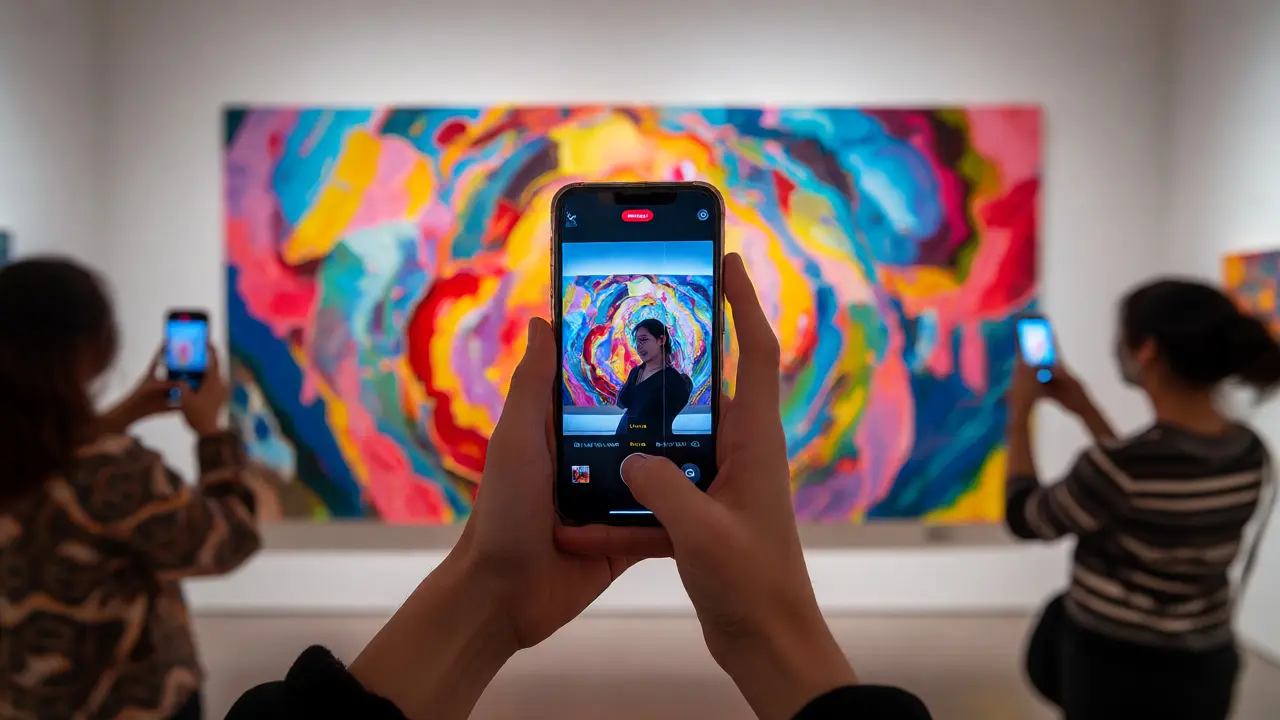
If Instagram is the magazine cover, TikTok is the dinner party gossip. Short-form video allows for rapid-fire commentary. Creators use green screens to point at artworks, overlaying their face and voice directly onto the canvas. It feels personal, urgent, and unfiltered.
This format favors emotional reaction over analytical rigor. "This makes me feel sad" is a valid critique here, even if it lacks historical context. For beginners, this is fantastic. It lowers the barrier to entry. You don’t need to know what "chiaroscuro" means to engage. But for serious collectors, it can be frustrating. Where do you go for deep dives when the content is capped at three minutes?
Yet, some creators bridge this gap. Channels that combine quick edits with solid research are gaining traction. They prove that brevity doesn’t have to mean stupidity. They teach viewers how to look, not just what to think.
YouTube: The Long-Form Resurgence
While short-form video dominates feeds, YouTube remains the home of long-form art criticism. Think of it as the new television documentary series. Channels like Nerdwriter1 or Kara Swallowe offer essays that rival written articles in depth.
Why does this matter? Because complexity needs space. Explaining the socio-political context of a Banksy mural or the technical evolution of Impressionism takes time. YouTube allows critics to build arguments step-by-step. Viewers can pause, rewind, and re-watch. This interactivity creates a different kind of learning experience.
| Platform | Primary Format | Audience Engagement | Critical Depth | Best For |
|---|---|---|---|---|
| Images + Captions | High (Likes/Saves) | Low to Medium | Discovery & Trends | |
| TikTok | Short Video | Viral Potential | Low (Emotional) | Reactions & Accessibility |
| YouTube | Long Video Essays | Watch Time | High | Education & Analysis |
| Blogs/Substack | Text | Comments/Shares | Very High | Niche Deep Dives |
The Economic Impact: Likes vs. Sales
Here’s the uncomfortable truth: online visibility doesn’t always equal financial success. I’ve seen artists with hundreds of thousands of followers struggle to sell a single piece. Why? Because liking a picture is free. Buying it requires commitment.
Digital platforms create a paradox. They provide unprecedented exposure but also devalue the artwork itself. When art is consumed in seconds on a screen, its physical presence diminishes. Collectors worry about authenticity and provenance in a world where images are easily copied and shared without credit.
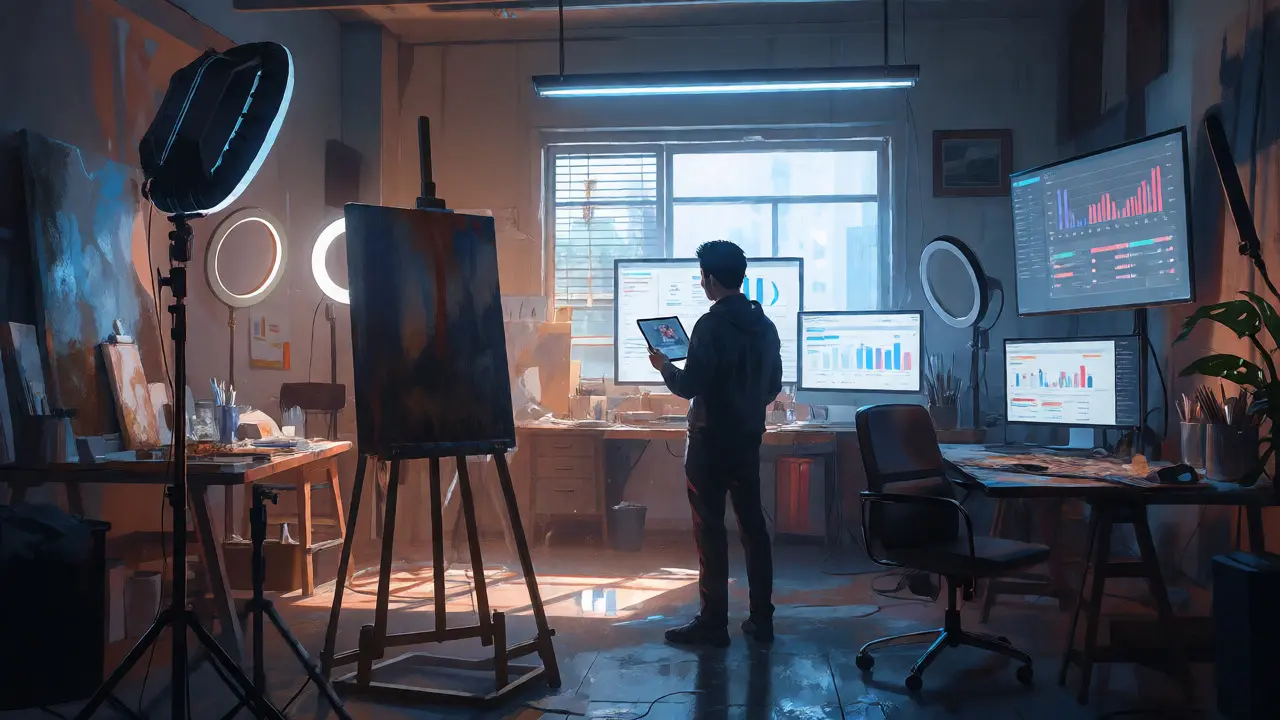
Galleries are trying to fix this by using digital criticism as a funnel. They track which posts drive website traffic. If a critic’s review leads to inquiries, that relationship gets nurtured. If it just gets likes, it’s ignored. The metric has shifted from prestige to conversion.
Authenticity in the Age of AI
We can’t talk about digital platforms without mentioning artificial intelligence. Generative AI tools like Midjourney and DALL-E are flooding feeds with stunning visuals. Critics now have to distinguish between human-made art and machine-generated output. This adds a new layer to criticism: ethical evaluation.
Is it fair to judge a piece based on its creation process? Many argue yes. Others say the final image is all that matters. Online communities debate this fiercely. Comments sections become battlegrounds over copyright, creativity, and labor. This discourse is vital. It forces us to redefine what we value in art.
How to Navigate the Noise
So, how do you find good criticism amidst the chaos? Don’t rely on one source. Build a diet of diverse voices. Follow one academic critic, one practicing artist, and one enthusiastic amateur. Their perspectives will clash, and that friction is where understanding grows.
- Check credentials, but don’t worship them: A PhD doesn’t guarantee good taste. Passion often beats pretension.
- Look for specificity: Vague praise like "this is beautiful" tells you nothing. Look for critics who explain why something works.
- Engage, don’t just consume: Comment. Ask questions. The best insights often come from community discussions, not top-down lectures.
The landscape of online art criticism is still forming. We are watching the rules being written in real-time. What used to be a monologue delivered by experts is now a global conversation. It’s louder, faster, and more inclusive. Whether that’s a good thing depends on how well you learn to listen.
Does social media devalue original art?
Not necessarily, but it changes how it's perceived. While mass reproduction can make originals seem less unique, social media also drives demand for physical objects. Many collectors report discovering artists online and then seeking out their physical work, valuing the tangible experience more because of the digital disconnect.
Can anyone be an art critic today?
Yes, technically. The barrier to entry is low. However, credibility is earned through consistency, knowledge, and clarity. While everyone has an opinion, effective criticism requires articulating why an artwork succeeds or fails, often backed by historical or technical context.
How do galleries use online criticism?
Galleries monitor mentions and tags to gauge interest in their artists. Positive buzz on platforms like Instagram can lead to increased foot traffic and sales. Some galleries actively collaborate with influencers and critics to reach broader audiences beyond traditional collectors.
Is YouTube better than blogs for art criticism?
It depends on the goal. YouTube excels at visual analysis and storytelling, making complex ideas accessible. Blogs allow for deeper textual analysis, easier referencing, and skimmability. Both serve different parts of the critical ecosystem, and many top critics use both formats.
What is the biggest risk of digital art criticism?
Echo chambers and algorithmic bias. Platforms tend to show users content that aligns with their existing preferences, potentially limiting exposure to challenging or unconventional art. Additionally, the pressure for virality can encourage sensationalism over substance.