NFTs in 2026: The Shift from Hype to Sustainable Art Value
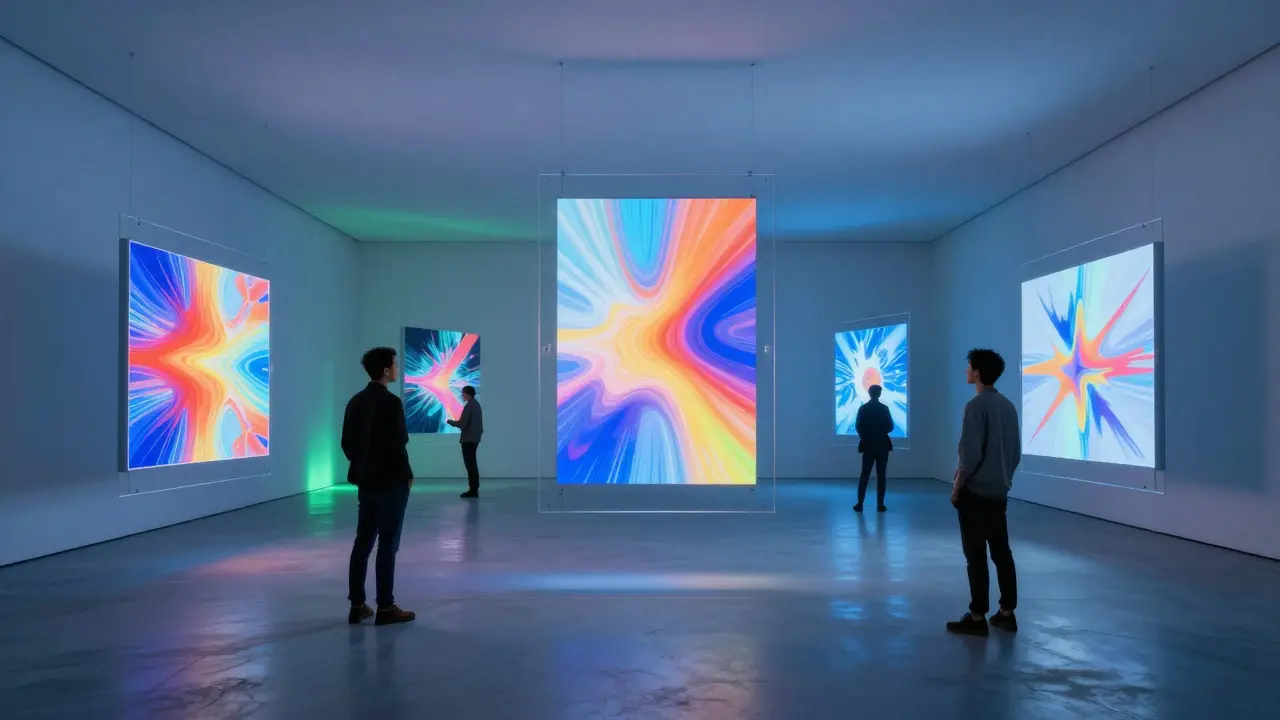
Remember the days when every celebrity was minting a JPEG and gas fees hit three figures just to buy a pixelated monkey? That era is officially over. In 2026, the NFT is a non-fungible token that serves as a certificate of authenticity for digital assets on a blockchain has settled into a quieter, more mature phase. It’s no longer about speculative frenzy; it’s about whether these digital objects hold up as serious art forms and viable investments. For collectors and artists alike, the question isn't "will this moon?" but "does this have lasting value?"
The landscape has changed drastically since the peak of 2021. We’ve moved past the noise of meme coins and viral moments. Now, we are looking at a market where utility, provenance, and environmental responsibility matter more than hype cycles. If you’re entering the space now, you’re not chasing a trend-you’re navigating a complex ecosystem of digital ownership, artist royalties, and evolving technology.
The Environmental Wake-Up Call
For years, critics argued that NFTs were an environmental disaster. They pointed to Ethereum, the dominant platform for most high-value digital art, which used a Proof of Work consensus mechanism. This process required massive amounts of energy to validate transactions, leading to carbon footprints comparable to small countries. But here’s the twist: that argument is largely outdated.
In September 2022, Ethereum underwent its "Merge," switching to a Proof of Stake system. This change reduced the network's energy consumption by roughly 99.95%. Today, minting or buying an NFT on Ethereum costs less energy than boiling a cup of coffee. While other chains like Solana and Polygon also offer low-energy alternatives, the shift has made sustainability a baseline expectation rather than a niche concern. Buyers now check the carbon footprint before checking the price tag.
From Speculation to Curation
The market reality in 2026 is defined by curation. During the boom, anyone could mint anything, leading to a flood of low-quality projects. Many of those projects vanished within months. Now, the surviving projects are those with strong communities, clear utility, or genuine artistic merit.
Consider the difference between a random profile picture project and a curated collection from a renowned digital artist. The former relies on momentum; the latter relies on reputation. Platforms like OpenSea and Foundation have tightened their verification processes. Artists are no longer just uploading files; they are building brands. This shift means that the "blue chip" status of an NFT is now determined by the artist’s track record, similar to how physical art markets value established painters or sculptors.
The Role of Royalties and Ownership
One of the biggest promises of NFTs was automatic royalties for artists. When you sell a physical painting, the gallery takes a cut, but the artist rarely sees money again. With NFTs, smart contracts can enforce a percentage (usually 5-10%) back to the creator on every resale. In theory, this creates a sustainable income stream for digital creators.
In practice, 2026 shows a mixed bag. Some marketplaces allow sellers to bypass royalties, creating friction between artists and platforms. However, top-tier collections still enforce them strictly. For buyers, this matters because it signals a healthy ecosystem where artists are incentivized to keep creating. If royalties disappear, the long-term value of the collection may suffer as the artist moves on to new mediums without support from the community.
Market Volatility vs. Long-Term Value
Let’s be honest: NFT prices are volatile. A piece that sold for $50,000 in 2021 might trade for $5,000 today. Does that mean it’s worthless? Not necessarily. Price and value are different things. In the physical art world, a Picasso doesn’t lose its artistic worth just because the market dips. Similarly, an NFT’s value is tied to its cultural significance, rarity, and the strength of its community.
Investors in 2026 are adopting a longer time horizon. Instead of flipping tokens weekly, they are holding for years, waiting for the narrative to solidify. This approach mirrors how traditional art collectors operate. You buy because you believe in the work, not because you expect an immediate return. The data supports this: while average floor prices have dropped significantly from 2021 peaks, the trading volume of top 100 collections remains stable, indicating a core group of dedicated holders who aren’t leaving.
| Feature | 2021-2022 (Hype Phase) | 2026 (Maturity Phase) |
|---|---|---|
| Primary Driver | Speculation and FOMO | Curation and Utility |
| Energy Cost | High (Proof of Work) | Low (Proof of Stake) |
| Buyer Focus | Quick Flips | Long-term Holding |
| Artist Support | Ad-hoc Mints | Brand Building and Royalties |
| Market Sentiment | Euphoric then Crash | Stable and Selective |
What This Means for Collectors
If you’re thinking about buying an NFT in 2026, here’s what you need to know. First, do your homework. Look at the artist’s history. Have they released consistent work? Do they engage with their community? Second, check the contract. Are royalties enforced? Is the supply fixed? Third, consider the environment. Ensure the project is on a low-carbon chain like Ethereum post-Merge, Solana, or Polygon.
Don’t get caught up in the price charts. Use tools that track holder distribution. If one wallet holds 30% of the supply, that’s a red flag for manipulation. A healthy project has a diverse base of holders. Finally, remember that you are buying a piece of digital culture. It’s not just a file; it’s a membership, a statement, and a part of the internet’s evolving history.
Frequently Asked Questions
Are NFTs still environmentally friendly?
Yes, largely. Since Ethereum switched to Proof of Stake in 2022, energy usage dropped by nearly 99.95%. Most major NFTs are now minted on low-energy networks, making them far more sustainable than during the early days.
Is it too late to invest in NFTs?
It depends on your strategy. If you want quick profits, the easy money is gone. But if you view NFTs as collectible art with long-term potential, now is a good time to find undervalued works from established artists without paying peak hype premiums.
Do I actually own the art when I buy an NFT?
You own the token, which proves authenticity and often grants specific rights (like display or commercial use), but not necessarily the copyright to the image itself. Always check the license terms associated with the specific collection.
Which blockchain is best for buying NFTs in 2026?
Ethereum remains the leader for high-value art due to its liquidity and security. Solana and Polygon are popular alternatives for lower transaction fees and faster speeds, appealing to newer artists and casual collectors.
How do I verify if an NFT project is legitimate?
Check the artist’s social media presence, look for verified badges on marketplaces, review the token contract for royalty settings, and analyze the holder distribution to ensure no single entity controls too much of the supply.