New Art Gallery Mistakes: First-Year Pitfalls and How to Avoid
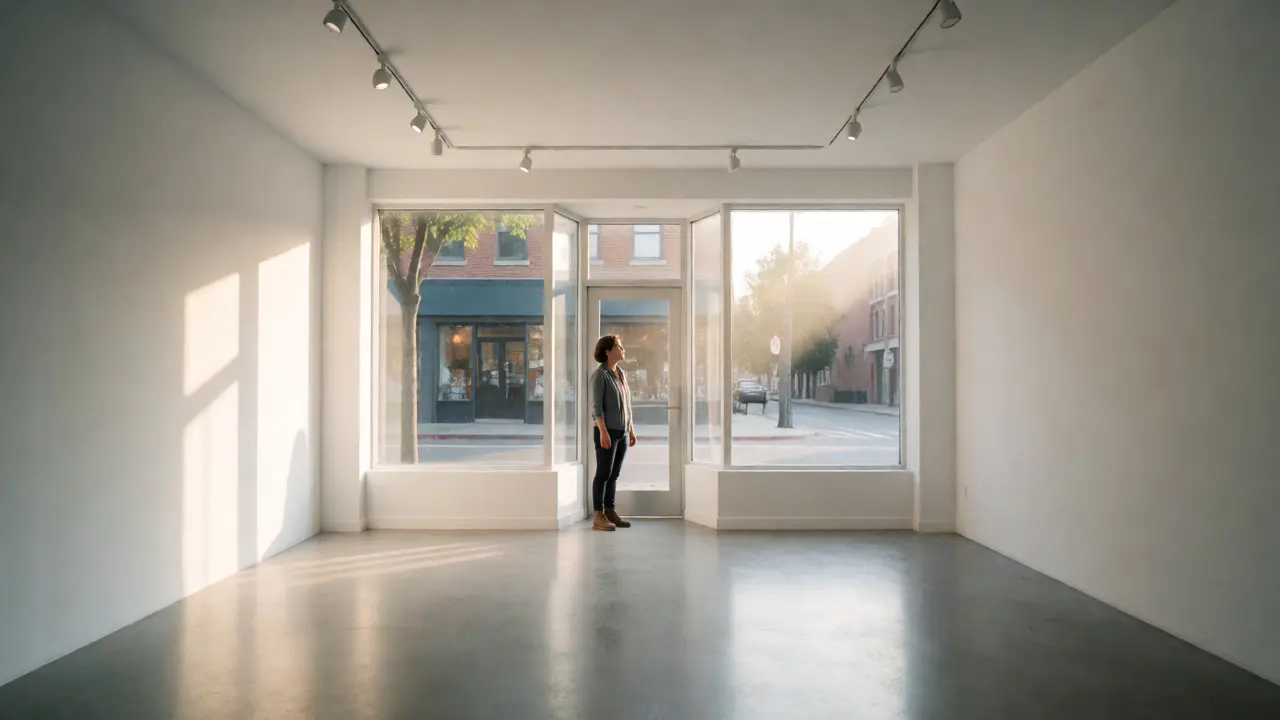
Opening a art gallery is one of those dreams that looks romantic from the outside. You imagine quiet evenings with wine, sophisticated conversations, and the thrill of discovering the next big thing. Then you sign the lease, and reality hits. The paint smells like money leaving your bank account. The silence isn't peaceful; it's terrifying because no one is walking in. Most new galleries fail within the first three years, not because the art is bad, but because the business model was built on hope rather than hard data.
If you are standing at the edge of this cliff in 2026, wondering if you should jump, read this first. I have watched too many friends burn through their savings chasing a passion project that lacked a foundation. This isn't about killing your dream. It is about making sure the dream survives its first birthday party. Let’s look at the specific traps that catch new owners off guard and how you can sidestep them before you even hang the first frame.
The Myth of "If You Build It, They Will Come"
The biggest mistake new owners make is assuming location equals traffic. In retail, maybe. In the art world? Absolutely not. People do not stumble into a gallery by accident unless it is right next to a major tourist trap or a high-end coffee chain. If you pick a spot because the rent is cheap or the neighborhood feels "artsy," you are gambling. A low-rent space in a dead zone will cost you more in marketing dollars than a higher-rent space in a foot-traffic hub.
You need to audit the area like a detective. Stand on the corner for an hour on a Tuesday afternoon and a Saturday evening. Count the people. Are they carrying shopping bags? Are they stopping to look at windows? If the street is empty, your gallery will be empty. It doesn't matter how brilliant your curation is if the door stays closed. Remember, you are not just selling art; you are selling access to a curated experience. If people don't know you exist, you don't exist.
Underestimating the Cash Burn Rate
Let's talk numbers, because this is where the romance dies fastest. New owners often budget for rent and utilities, then think they are done. Wrong. You need to budget for the invisible costs that eat cash flow alive. Insurance for artwork alone can run thousands annually, depending on your coverage limits. Lighting upgrades? That is rarely included in the base rent. Professional photography for every piece? That adds up fast when you rotate inventory monthly.
| Cost Category | Estimated Annual Cost (Small Space) | Why Owners Forget It |
|---|---|---|
| Art Insurance | $1,500 - $3,000 | Assumed landlord covers it (they usually don't). |
| Lighting & Electrical | $800 - $2,000 | Existing fixtures are rarely museum-quality. |
| Marketing & PR | $2,000 - $5,000 | Believing social media is free (it requires time/money). |
| Artist Payments Reserve | Variable | Cash flow gaps between sale and payment. |
Here is a rule of thumb: double your initial operating budget. If you think you need $5,000 a month to keep the lights on, assume you need $10,000 for the first six months while you build momentum. If you cannot survive six months without a single sale, you are not ready to open. The sales cycle in fine art is slow. Collectors take time to trust a new brand. Do not let a dry spell force you to sell pieces at a discount just to cover payroll.
Poor Artist Contracts and Expectations
Your artists are your partners, not your employees. Yet, many new galleries treat them like vendors who just drop off boxes. This leads to drama. Who pays for framing? Who handles shipping damage? When do they get paid? If these questions aren't answered in writing before the first show, you will spend your energy managing conflicts instead of selling work.
A standard consignment split is often 50/50, but this varies based on who brings the buyer. Did you bring the collector through your network? You might keep 60%. Did the artist bring the client? Maybe it's 40% to you. Be transparent. Create a simple contract template that outlines payment terms clearly. For example, state that payments are issued within 30 days of the sale clearing. Ambiguity breeds resentment, and in the small world of local art scenes, word travels fast. One angry artist can poison your reputation before you've even hung a second show.
Ignoring the Digital Footprint
In 2026, if your gallery isn't visible online, you're invisible. But here is the trap: most new owners try to do everything themselves. They set up an Instagram account, post blurry photos, and wonder why no one buys. Social media is not a billboard; it is a conversation. You need to curate your digital presence as carefully as your physical walls.
Invest in good photography. Not smartphone shots. Hire a photographer or learn to use natural light properly. Your website needs to be more than a PDF portfolio. It should allow visitors to inquire directly, view available works, and understand your aesthetic. Use email marketing. Collect emails at every opening night. Send a monthly newsletter that tells a story, not just a list of prices. People buy from people they feel connected to. Show behind-the-scenes clips. Interview your artists. Make the viewer feel like part of the community, not just a wallet.

Misreading the Local Market
Just because you love abstract expressionism doesn't mean your neighborhood does. I saw a gallery in Portland try to sell high-concept conceptual art in a suburb dominated by young families looking for affordable home decor. The mismatch was painful. They had great reviews but zero sales. Why? Because the buyers weren't there.
Spend time researching what sells in your specific zip code. Visit other local shops. Talk to interior designers. Ask them what their clients are asking for. Are they looking for large statement pieces or smaller, affordable prints? Is there a demand for local landscape photography or contemporary sculpture? Align your inventory with local taste, then gently push boundaries once you have established trust. Start with what sells, then introduce what you want to champion. Don't lead with the niche if the market isn't ready for it.
Neglecting Community Building
A gallery is a third place-a space between home and work where people gather. If you treat it solely as a transactional retail store, you miss the point. Successful galleries host events that draw crowds who might not buy art immediately but become loyal followers. Think poetry readings, wine tastings, or talks with local historians.
These events serve two purposes. First, they drive foot traffic. Second, they position you as a cultural hub, not just a shop. When people associate your space with good times and intellectual stimulation, they return. And when they are ready to buy, they think of you first. Don't be afraid to collaborate with neighboring businesses. Partner with a nearby restaurant for a dinner-and-art event. Cross-promote with a local bookstore. Shared audiences are cheaper to acquire than new ones.
Failing to Track Data
Passion doesn't scale; data does. Many new owners rely on gut feeling. "I felt like this painting would sell." Did it? Write it down. Keep a simple spreadsheet tracking inquiries, sales, average ticket price, and visitor demographics. After six months, patterns will emerge. Maybe your mid-range prints ($200-$500) fly off the wall, but your premium originals sit untouched. That is valuable intel. Adjust your purchasing strategy accordingly.
Use a basic POS system that tracks inventory turnover. Know which artists perform best. If Artist A has sold out every show, give them more wall space. If Artist B hasn't sold a piece in four months, have a candid conversation about pricing or style. Data removes emotion from business decisions. It helps you allocate scarce resources-wall space and capital-to where they generate the highest return.

Overlooking Legal and Tax Basics
This is boring but critical. Register your business correctly. Understand sales tax obligations for art in your state. Oregon, for instance, has no general sales tax, but rules vary elsewhere. If you ship art nationally or internationally, you need to understand customs and duties. Also, clarify copyright ownership. Just because you sell a print doesn't mean you own the image rights. Ensure your contracts explicitly state that the artist retains copyright and you have limited usage rights for marketing.
Hire an accountant who understands creative industries. Standard bookkeeping won't cut it when dealing with consignment income, depreciation of assets, and seasonal revenue fluctuations. Getting this wrong can lead to audits that drain your morale and finances. Get it right from day one so you can focus on art.
Key Takeaways
- Location is not enough: Verify foot traffic personally before signing a lease.
- Budget for hidden costs: Double your estimated operating expenses to survive the initial slump.
- Clear contracts: Define payment terms and responsibilities with artists upfront to avoid conflict.
- Digital presence matters: Invest in quality photography and consistent storytelling online.
- Know your audience: Match inventory to local tastes, not just personal preference.
- Build community: Host events to create loyalty beyond transactions.
- Track metrics: Use data to guide inventory and marketing decisions.
Frequently Asked Questions
How much capital do I need to open a small art gallery?
It varies widely, but a realistic range for a small commercial space is $20,000 to $50,000 for initial setup (renovations, lighting, insurance, initial inventory). However, you should also have six months of operating expenses saved separately. Many failures occur because owners run out of cash before reaching break-even.
What is the typical commission rate for art galleries?
The industry standard is 50%, meaning the gallery keeps half the sale price. However, this can range from 30% to 70% depending on the gallery's prestige, the level of promotion provided, and whether the gallery or the artist sourced the buyer. Always negotiate this clearly in your consignment agreement.
Do I need a degree in art history to run a gallery?
No. While knowledge helps, business acumen is more critical. You need skills in marketing, finance, negotiation, and customer service. Many successful gallery owners come from backgrounds in retail, hospitality, or corporate management. You can hire curators or consultants if you lack deep art historical expertise.
How important is having a website for a new gallery?
Crucial. Even if you operate locally, collectors research online before visiting. Your website acts as your 24/7 storefront. It should feature current exhibitions, artist bios, and contact information. Without it, you lose credibility and potential sales from tourists or remote buyers.
What is the biggest reason new galleries close?
Cash flow issues caused by undercapitalization. Owners often underestimate the time it takes to build a client base. They spend heavily on launch events and inventory, then struggle to cover monthly bills during the slow first year. Planning for a longer runway prevents premature closure.
Next Steps for Aspiring Gallery Owners
So, where do you go from here? Before you sign any lease, spend three months working or volunteering in an existing gallery. See the grind. Watch how they handle difficult customers, late shipments, and unpaid invoices. If you still want in, start building your database now. Collect names and emails of potential buyers before you even have a space. Launch a blog or social media page dedicated to your curatorial vision. Test your ideas online. If people engage with your content, they might engage with your walls later.
Finally, find a mentor. Look for a gallery owner who has survived five years or more. Buy them coffee. Ask about their worst mistakes. Their scars are your roadmap. Opening a gallery is a marathon, not a sprint. Pace yourself, watch your cash, and remember that the art is only as valuable as the business that supports it.