Museum Etiquette: Rules and Respect for Visitors
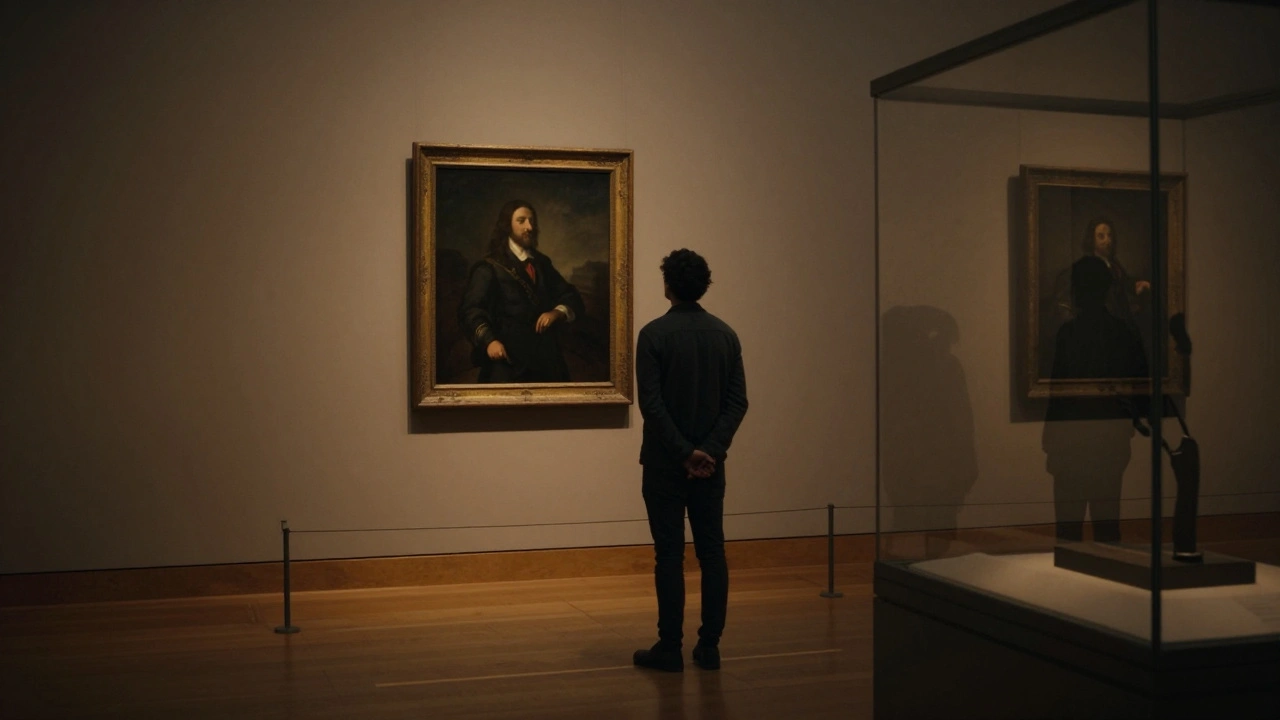
Walking into a museum should feel like stepping into another world-one where history, art, and science come alive. But too often, that quiet magic gets broken by simple mistakes visitors don’t even realize they’re making. You don’t need to be an expert to respect a museum. You just need to know the basics. And no, it’s not about being perfect. It’s about being considerate.
Keep Your Distance
That painting you love? That ancient statue? That fragile textile from the 14th century? They’re not props. They’re irreplaceable. Most museums have a clear line on the floor, usually about two feet away from the display. That’s not a suggestion. It’s a safety line. Even if you’re tempted to lean in for a better look, don’t. A single sneeze, a breath too close, or a stray drop of sweat can damage centuries-old pigments or textiles. In 2023, conservators at the National Gallery in London reported over 200 incidents of damage caused by visitors getting too close-mostly from accidental contact, not vandalism. Keep your hands in your pockets. Let the glass do the talking.
No Flash Photography
You want the perfect shot of the Van Gogh. You raise your phone. You tap the shutter. And then-flash.
It’s tempting. It’s normal. But it’s harmful. Flash photography emits bursts of intense light that fade pigments over time. It doesn’t happen overnight. But museums don’t have infinite budgets to restore art. Every flash adds up. Many museums now use low-light environments on purpose to preserve color. Your phone’s night mode or HDR settings can capture details without damaging the piece. If you’re unsure, look for signs. If there’s a no-photo symbol, respect it. If you see a sign that says “No flash,” take it seriously. You’re not just breaking a rule. You’re helping erase history.
Quiet Voices, Quiet Steps
Museums are not party venues. They’re not open-air lecture halls. They’re spaces designed for quiet reflection. Talking loudly, laughing too hard, or shouting to your friend across the room disrupts others who are trying to connect with the art. Even whispers can be distracting when the room is still. A good rule of thumb: if you’re speaking louder than a library, you’re too loud. Use your phone’s mute button. If you need to talk, step into a lobby or café. And if kids are running? A gentle hand on their shoulder goes further than a raised voice. Museums are for everyone-including the person who wants to stare at a single brushstroke for ten minutes.
Don’t Touch
This one seems obvious. But it happens more than you think. Someone leans on a display case. A child reaches out to touch a replica. A tourist rubs a stone to “feel the history.”
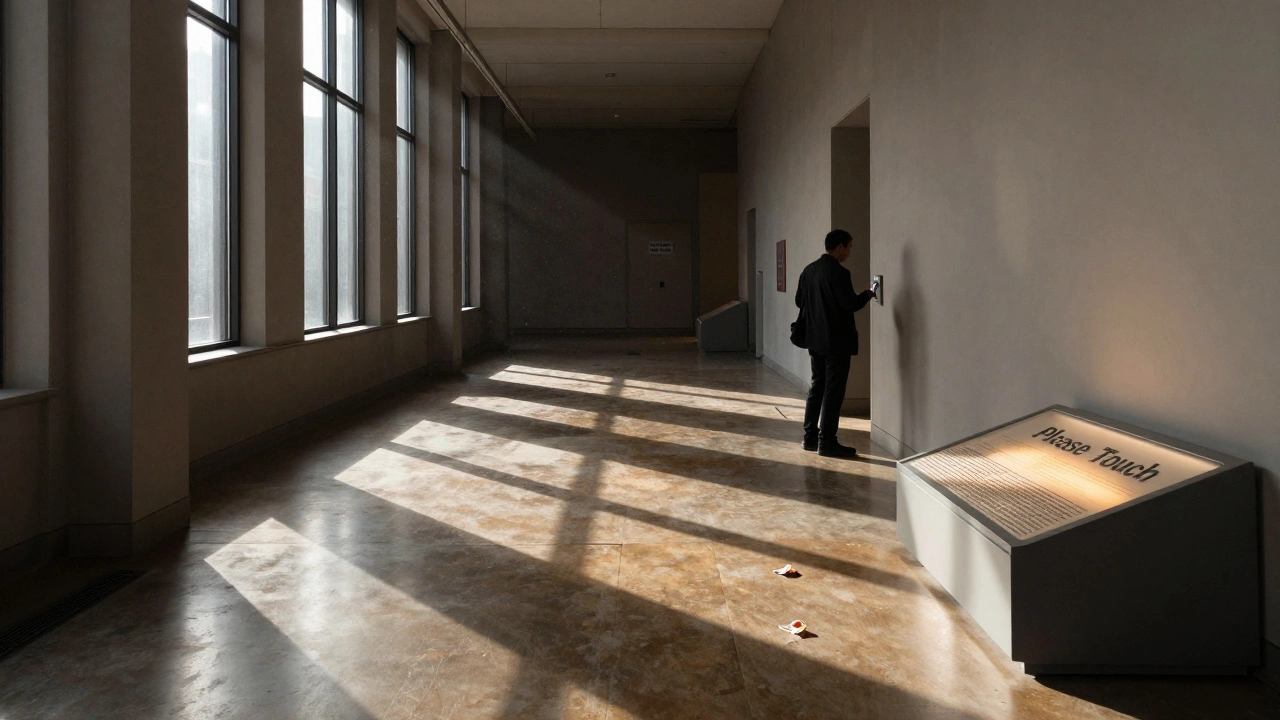
Human skin releases oils. Every time you touch something-even a glass case or a metal railing-you leave behind microscopic residue. Over time, that builds up. It attracts dust. It degrades surfaces. At the Smithsonian’s National Museum of American History, conservators spend hundreds of hours a year cleaning fingerprints from display cases. That’s time they could’ve spent restoring original artifacts. If you’re curious, most museums have tactile exhibits designed for touch. Look for the signs that say “Please Touch.” Everything else? Look, don’t touch.
Follow the Flow
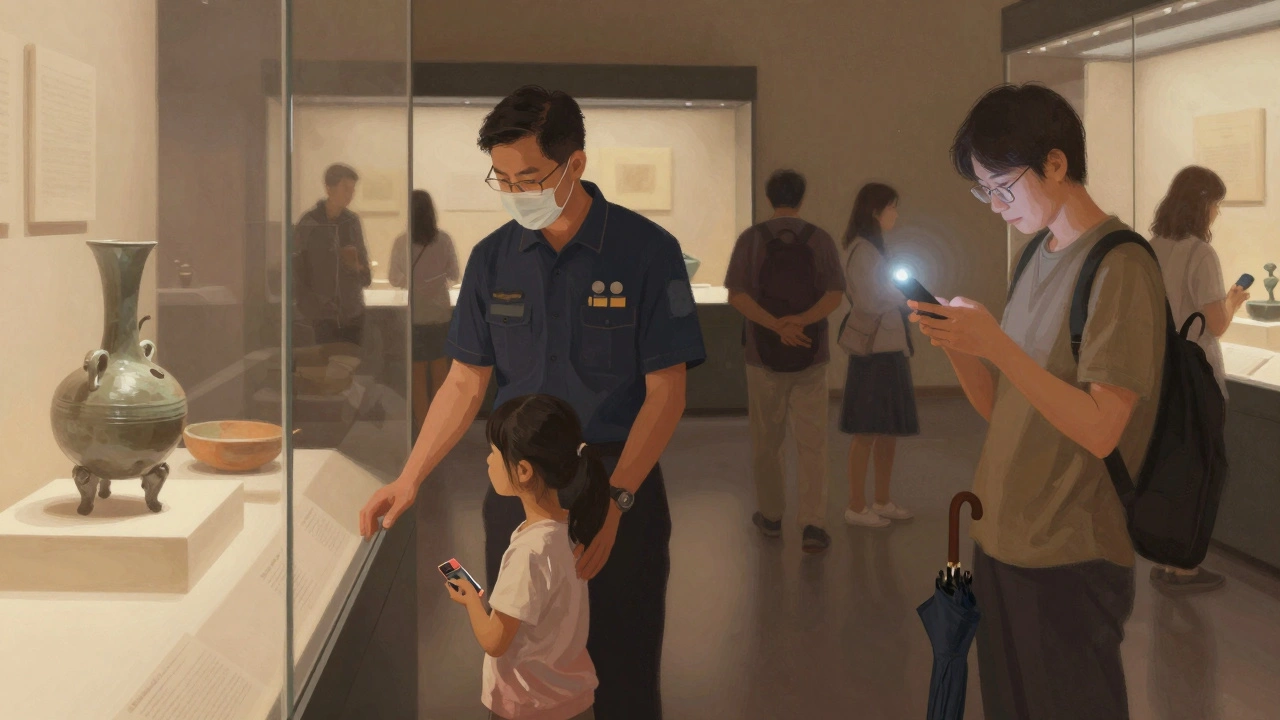
Museums are designed with paths for a reason. The layout tells a story. The order of rooms guides your understanding. Cutting through a crowded gallery to get to the next one doesn’t just annoy people-it breaks the narrative. If you’re in a large museum like the Met or the Louvre, the crowds will naturally form lines. Don’t zigzag. Don’t stop in the middle of a hallway to check your map. Find a bench. Wait. Let people move. If you’re lost, ask a staff member. They’re there to help, not to clear your path.
Respect the Staff
Museum guards, docents, and volunteers aren’t just there to stop you from touching things. They’re educators. They know the stories behind the objects. They’ve studied the history. They’ve trained to protect what’s inside. If they ask you to step back, move along, or stop using your phone, don’t argue. Don’t roll your eyes. Just listen. They’re not being rude-they’re doing their job. And if you have a question? Ask politely. Most will be happy to share a story you didn’t hear in the audio guide.
Leave No Trace
That gum wrapper? That half-eaten sandwich? That water bottle? Don’t leave it behind. Museums don’t have trash cans in every gallery for a reason. Trash attracts pests. Pests damage artifacts. A single mouse can ruin centuries of textile work. Bring your trash with you. Use the bins in the lobby or café. And if you see litter? Pick it up. You don’t need to be a staff member to help keep the space clean.
Be Mindful of Your Belongings
Large bags, backpacks, umbrellas, and strollers can block walkways and accidentally knock over displays. Most museums require you to check large items at the entrance. If you’re carrying a backpack, wear it on your front. If you have an umbrella, keep it closed. If you’re with kids, use a stroller that folds easily. Don’t assume you’re “just being careful.” In crowded spaces, accidents happen fast. A single misstep can cost a museum thousands to repair. And if you’re carrying a camera? Don’t set it on a ledge. Don’t use it as a prop. Treat it like you’d treat a priceless artifact-because someone else might be treating yours the same way.
Photography Isn’t Always Allowed
Some museums allow photos. Others don’t. Some allow photos but ban tripods. Some let you film but not livestream. Always check the rules before you enter. If you’re unsure, ask. Many museums now have digital maps or apps that list which galleries allow photography. If you’re visiting a special exhibit, the rules might be different. A loaned artifact from a private collection might come with strict conditions. Respect those. You’re not just following rules. You’re helping keep art accessible for everyone.
Think Before You Post
That selfie with the Mona Lisa? The TikTok video of you dancing in front of a sculpture? Before you post it, ask: does this add value? Or does it reduce something sacred to a backdrop?
Museums aren’t backdrops. They’re sacred spaces. The people who created these works didn’t intend for them to become Instagram filters. When you treat a museum like a theme park, you’re not just being disrespectful-you’re teaching others that it’s okay to do the same. Be mindful. Be present. Sometimes, the best thing you can do is just look. Really look. And leave without a single photo.
Can I take photos in all museums?
No. Photography rules vary by museum and even by exhibit. Some allow it without flash. Others ban it entirely, especially for loaned or sensitive artifacts. Always check signage or ask staff before taking photos. Many museums now have apps or websites listing photo policies for each gallery.
Why can’t I touch the artifacts?
Human skin naturally releases oils, sweat, and dead skin cells. Even a single touch can leave residue that attracts dust, causes discoloration, or degrades materials over time. Conservators spend hours cleaning fingerprints from display cases. Some artifacts, like ancient textiles or painted surfaces, are so fragile that one touch can cause irreversible damage.
Is it okay to bring food or drinks into a museum?
Almost always, no. Food and drinks can attract pests, cause spills, or leave sticky residue. Most museums have cafés or allow you to eat in designated areas. Bringing in a coffee or snack might seem harmless, but it puts artifacts at risk. If you’re hungry, wait until you reach the café or exit.
What should I do if I see someone breaking museum rules?
Don’t confront them. Instead, quietly notify a staff member or guard. They’re trained to handle these situations. Your intervention could escalate things. Let the professionals do their job. You’re not responsible for policing others-you’re responsible for respecting the space yourself.
Are children allowed in museums?
Yes, but they need supervision. Many museums offer family-friendly exhibits, touch tables, and activity guides. Keep children close. Use strollers where allowed. If they’re running or shouting, gently redirect them. Museums aren’t playgrounds-but they’re not off-limits to kids either. The goal is balance: respect for the space, and space for curiosity.