Museum Donation Etiquette: How Much to Give in 2026
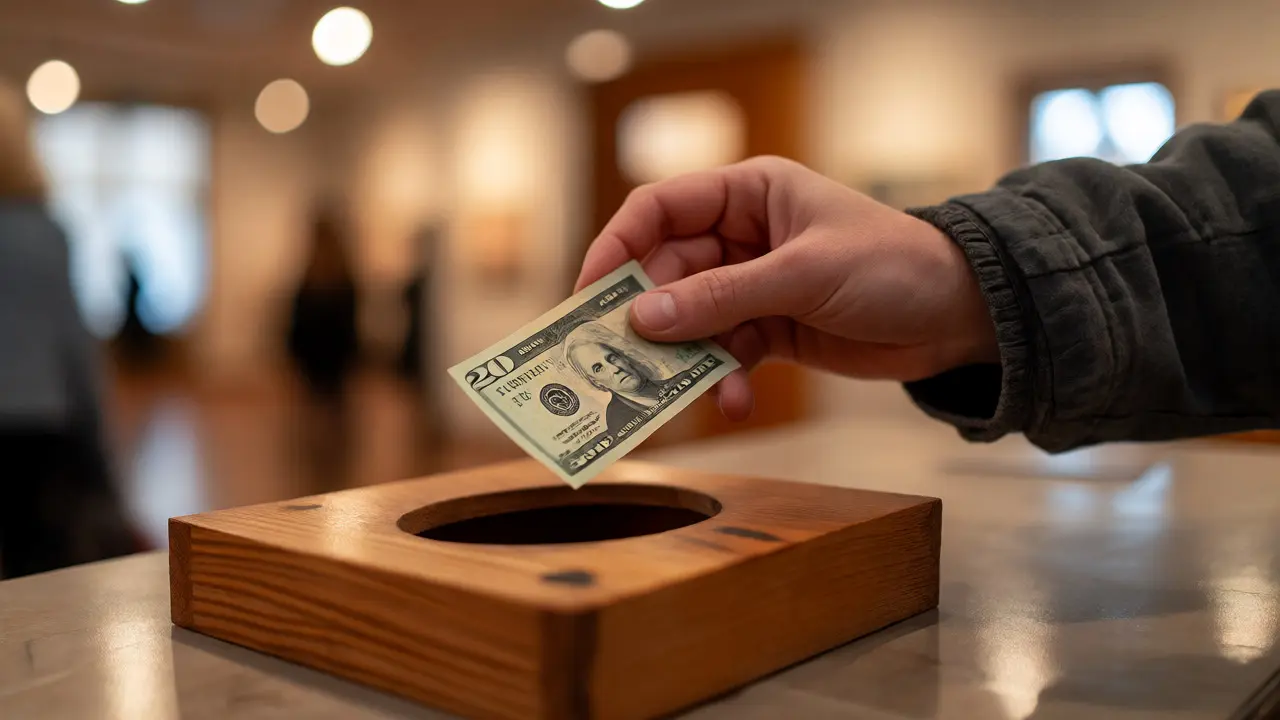
You’re standing at the ticket counter of a local art gallery. The sign says "Suggested Donation: $15." You have a crisp twenty in your pocket. Do you hand over the twenty and get change? Do you just drop the fifteen? Or do you feel that awkward pressure to give more because the docent is smiling at you? It’s a common dilemma. Museum donation etiquette isn't written in stone, but there are unwritten rules that help you navigate these moments without feeling guilty or stingy.
Here is the truth: museums run on tight margins. They aren't like coffee shops where the price covers the beans and the rent. A large portion of their budget comes from grants, endowments, and yes, donations. But that doesn’t mean you need to empty your wallet every time you want to see some old pottery. Let’s break down exactly how much you should be giving, based on what kind of museum you’re visiting and your own financial comfort zone.
The Baseline: What Is "Fair"?
First, let’s define what we mean by a donation. In many cases, especially with smaller community museums or university galleries, there is no fixed ticket price. Instead, they ask for a "suggested donation." This is different from a mandatory entry fee. When it’s suggested, the amount is flexible. However, flexibility doesn’t mean random. There is a social contract here.
A good rule of thumb for 2026 is to match the cost of a standard movie ticket or a nice lunch out. If you wouldn’t blink at paying $20 to see a blockbuster film, $20 is a reasonable baseline for a museum visit. Why? Because both provide entertainment and education. But unlike movies, museums often offer free re-entry, access to archives, and support for preservation efforts that keep history alive.
If the suggested donation is $10, and you can afford it, pay $10. If you can comfortably spare $15 or $20, go ahead. But if $10 is tight for you this month, paying $5 or even $0 (if truly voluntary) is acceptable. The key is honesty. Don’t pretend to be wealthier than you are. Museums prefer steady, honest small donors over one-time big spenders who resent the cost.
Decoding the Signage: Suggested vs. Mandatory
Not all "donations" are created equal. You need to read the fine print before you pull out your cash. Some institutions use the word "donation" loosely to describe what is essentially an admission fee. Here is how to tell the difference:
- Pay-What-You-Wish (PWYW): Truly voluntary. You decide the value. Common in student-run galleries or pop-up exhibits.
- Suggested Donation: The institution recommends an amount to cover costs. You can pay less, but expect to be asked why if you pay significantly below the suggestion (rarely happens, but possible).
- Mandatory Fee Labeled as Donation: Sometimes called a "support fee" or "entry contribution." This is effectively a ticket price. You must pay it to enter. Ignoring this might mean being turned away at the door.
In Portland, for example, places like the Oregon Museum of Science and Industry (OMSI) have clear tiered pricing, while smaller spots like the Contemporary Craft gallery might rely more heavily on suggested donations. Always check the website beforehand. If the site says "Free Admission," believe them. If it says "Donations Welcome," you have leeway.
| Museum Type | Suggested Range | Contextual Notes |
|---|---|---|
| Major National Institution | $25 - $35 | High overhead, world-class collections. Expect crowds and long lines. |
| Regional Art Museum | $15 - $25 | Community-focused. Often includes special exhibit fees separately. |
| University Gallery | $5 - $10 | Educational mission. Students usually get free entry with ID. |
| Historic House / Small Local | $5 - $15 | Often volunteer-run. Your money goes directly to maintenance. |
| Pop-Up / Student Show | $0 - $5 | Networking event vibe. Bring cash for artist purchases instead. |
Factors That Should Change Your Number
Your donation shouldn’t be a static number. It should shift based on the experience you’re getting. Think of it like tipping a waiter. You tip more when the service is exceptional or the meal was expensive. Apply the same logic here.
Special Exhibitions: If you are buying a separate ticket for a blockbuster show-say, a Van Gogh immersive experience or a rare dinosaur skeleton loan-that cost is usually non-negotiable. The general admission donation you add on top should reflect the extra effort the museum put into securing those loans. Adding $5-$10 on top of a special ticket is a classy move.
Guided Tours: Did you join a docent-led tour? These guides are often volunteers or low-paid staff. Their expertise adds massive value to your visit. If you took a 45-minute tour, consider doubling your base donation. If the base was $10, make it $20. You’re acknowledging the human element behind the artifacts.
Gift Shop Spending: This is a pro tip. If you plan to buy a $30 book or a $20 poster, you can lower your entry donation. Many people forget that the gift shop is a major revenue stream for museums. Buying merchandise supports the institution just as much as cash donations. So, if you’re going to splurge on a tote bag, feel free to pay the minimum suggested entry fee.
Who Gets Discounts and Free Entry?
Before you reach for your wallet, check if you qualify for existing discounts. Overpaying when you don’t have to is bad etiquette-it wastes resources you could save for future visits. Most museums offer reduced rates for specific groups. Keep your ID handy.
- Students: Almost always 50% off or free. Bring a valid .edu email or physical card.
- Seniors: Typically defined as 65+ or 62+. Look for senior pricing tiers.
- Military/Veterans: Many institutions honor active duty and veterans with free or discounted entry. Ask politely; don’t assume it’s automatic.
- Local Residents: Some city museums offer free days for zip codes within county limits. Check the FAQ page.
- Bank Memberships: Programs like Blue Star Museums or bank-specific perks (e.g., Chase Explorer Passes) can grant free entry. Have your app ready.
If you fall into one of these categories, take the discount. There is no shame in it. These programs exist to broaden access, not to test your generosity.
When to Give More Than Suggested
There are times when paying the minimum feels wrong. Maybe you spent three hours inside instead of the planned one. Maybe you used the cloakroom, the audio guide, and the café. Or maybe you’re a frequent visitor who benefits from the quiet space to think or work.
If you visit monthly, consider an annual membership. For the price of four or five single tickets, you get unlimited entry, guest passes, and newsletter updates. It simplifies your life and gives the museum predictable income. If you’re a one-time visitor who had an amazing experience, adding $5 or $10 above the suggestion is a great way to say "thank you" without breaking the bank.
Also, consider the cause. If the museum is fundraising for a specific restoration project-like saving a leaking roof or digitizing archives-you might choose to earmark your donation. Ask the front desk if there’s a specific fund. Knowing your $20 went to fixing the HVAC system rather than just general operations makes the transaction feel more meaningful.
Payment Methods and Practical Tips
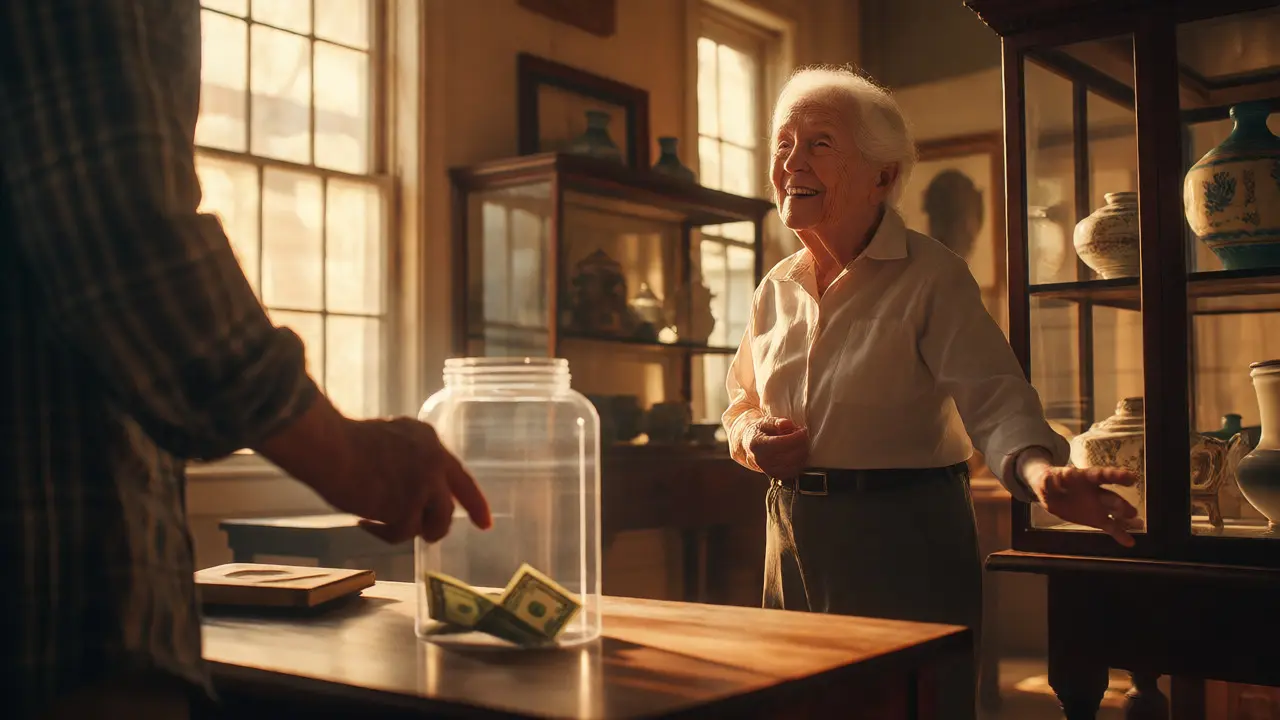
Cash is still king in small museums. Many rural historic sites or tiny galleries lack credit card processors due to high fees. Always carry small bills ($1s, $5s, $10s). Fumbling with a $100 bill for a $5 donation creates friction for everyone.
For larger institutions, digital payments are standard. Venmo, PayPal, or direct online donations are increasingly common. If you’ve already entered and realized you forgot to donate, look for a QR code near the exit or gift shop. Scanning it takes ten seconds. No need to walk back to the counter.
One last thing: receipts. If you’re donating more than the fair market value of the admission (which is hard to calculate), you might claim it as a tax deduction. Ask for a receipt that specifies the donation amount versus the goods/services received. For example, if you paid $50 and got a $20 catalog, only $30 is deductible. Get that clarity upfront.
Final Thoughts on Cultural Giving
Museums are fragile ecosystems. They rely on public trust and public funding. Your donation, however small, signals that you value what they do. It tells the board members, "Keep doing this. We need this place." Don’t stress about hitting a perfect number. Stress about showing up. Attendance numbers matter too. Crowds attract grants. So, even if you give $0, your presence helps. But if you can give $10, do it. It keeps the lights on.
Is it rude to pay less than the suggested donation?
No, it is not rude if the donation is truly voluntary. Staff are trained to accept any amount. However, consistently paying significantly less than suggested may imply you don't value the service. If you can afford it, try to meet the suggestion.
Do I need to tip museum guards or docents?
Tipping is not expected for security guards or general staff. For guided tours, a small tip ($5-$10) is appreciated if the guide provided exceptional insight, but it is never mandatory. Many docents are volunteers and cannot accept tips.
Can I deduct my museum donation on taxes?
Yes, if the museum is a registered 501(c)(3) nonprofit. You can deduct the amount paid above the fair market value of the admission ticket. Keep a receipt that breaks down the payment. Consult a tax professional for specific advice.
What if I forgot to pay at the entrance?
Most museums have honor boxes near exits or gift shops. You can stop by and leave your donation on the way out. If you missed it entirely, most websites allow you to make a post-visit donation online. Honesty is valued highly.
Are memberships worth it for occasional visitors?
Generally, no. If you visit once a year, single tickets are cheaper. Memberships make sense if you plan to visit 3-4 times a year or if you frequently bring guests who also pay full price. Calculate the break-even point before signing up.