Museum Cafés and Gift Shops: Make the Most of Amenities
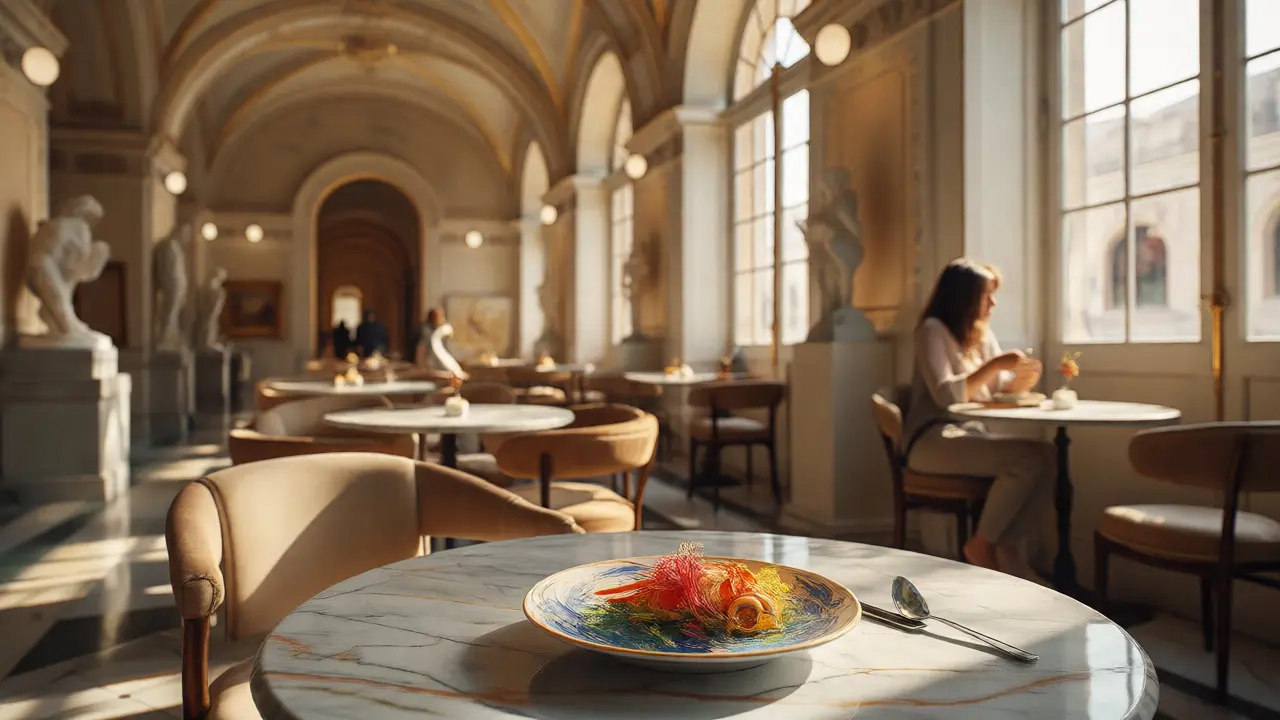
You’ve just spent two hours staring at Impressionist paintings. Your feet ache, your brain is full, and you’re hungry. Instead of rushing out to find a generic chain restaurant or grabbing a sad vending machine snack, you walk into the museum café. This isn’t just a place to eat; it’s an extension of the exhibit experience. Yet most visitors treat these spaces as afterthoughts. They miss the curated menus, the exclusive prints in the shop, and the quiet corners perfect for sketching. If you want to get real value from your ticket price, you need to know how to navigate the museum cafés and gift shops.
The Hidden Value of Museum Dining
Think about the last time you visited a major institution like the Metropolitan Museum of Art or the Smithsonian. Did you eat there? Many people skip the café because they assume it’s overpriced or mediocre. That’s a mistake. Modern museum dining has evolved. Chefs now craft menus that tell a story. At the Louvre, for instance, the Café Marly offers views of the glass pyramid while serving refined French cuisine. It’s not just lunch; it’s part of the atmosphere.
Here’s the trick: look for the "exhibition special." When a museum hosts a blockbuster show-say, on Van Gogh or Egyptian artifacts-the kitchen team often creates limited-time dishes. A recent exhibition on Japanese woodblock prints might inspire a matcha-infused dessert or a bento-style lunch box. These items are usually available only during the run of the show. If you wait until you leave, you can’t buy them again. Check the museum’s website app before you arrive. Most major institutions now list daily specials online. This saves you from wandering around hungry and settling for a stale sandwich.
Also, consider the timing. Museums are busiest between 11 AM and 2 PM. If you hit the café then, expect long lines and noise. Try eating at 3 PM or right when the museum opens. You’ll get better service, quieter tables, and sometimes even off-peak discounts. In Portland, where I live, places like the Portland Art Museum’s Café Pivoine offer a calm respite from the city’s hustle. Sitting there with a coffee feels less like a transaction and more like a pause button on your day.
Navigating the Gift Shop Like a Pro
The gift shop is where budgets go to die. But it doesn’t have to be. The key is distinguishing between "tourist trap" items and genuine keepsakes. Tourist traps are mass-produced mugs with logos printed on them. Genuine keepsakes are often designed by artists, local makers, or educational specialists.
Start by looking for the "curated collection" section. This area usually features higher-quality goods that align with the museum’s mission. For example, a natural history museum might sell field guides written by their own researchers or replica fossils made from sustainable materials. These items have provenance. They connect you to the science behind the exhibits.
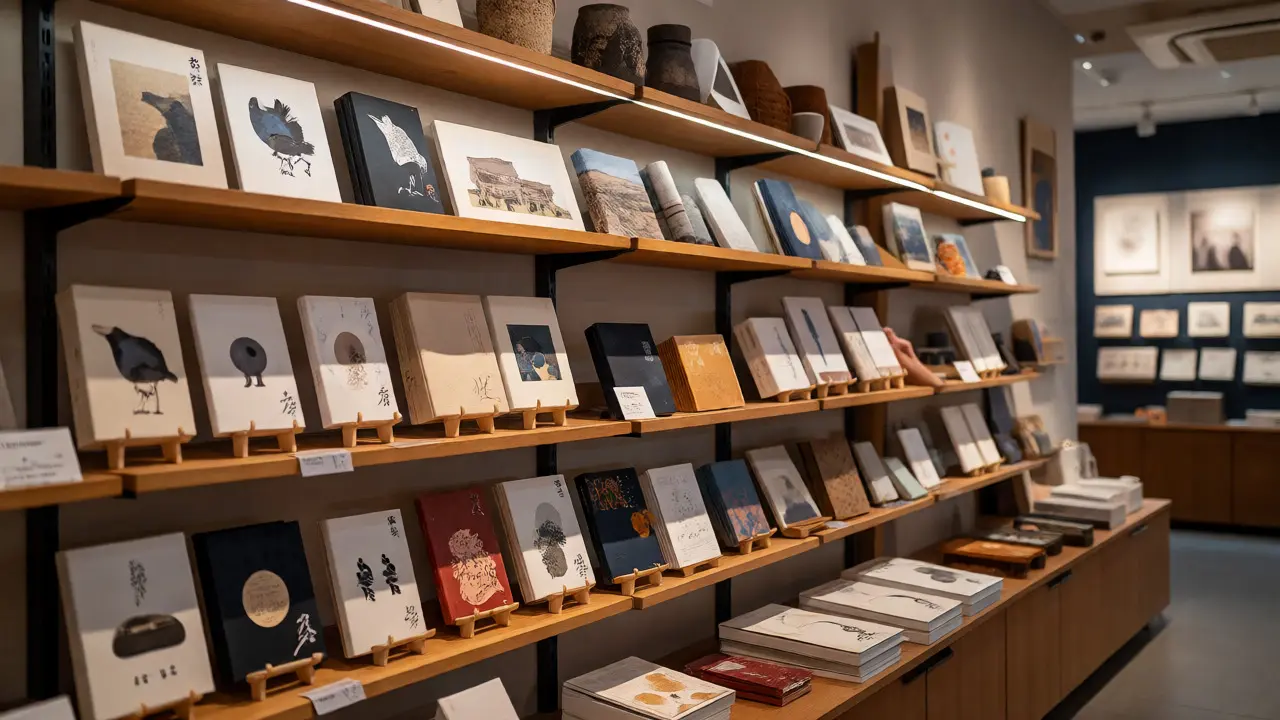
Another strategy: check the back of the shop. Front displays are high-margin impulse buys. The rear sections often hold books, stationery, and art supplies. Books are arguably the best purchase you can make. A well-curated exhibition catalog provides context you couldn’t absorb in a quick glance. Plus, many museums offer member discounts on books. If you plan to visit multiple times, joining the membership program pays for itself in book sales alone.
| Item Type | Typical Price Range | Long-Term Value | Best For |
|---|---|---|---|
| Exhibition Catalog | $25 - $60 | High (Educational) | Deep divers, students |
| Artist Print | $15 - $100+ | Medium-High (Decor) | Home decor enthusiasts |
| Logo Mug | $10 - $18 | Low (Novelty) | Casual gifts |
| Local Artisan Goods | $20 - $50 | Medium (Support Local) | Ethical shoppers |
Membership Perks You Might Be Ignoring
Do you visit museums more than twice a year? Then you should probably be a member. Beyond free entry, memberships unlock tangible benefits in the café and shop. Most institutions offer a 10% to 20% discount on dining and retail purchases. Over a year, this adds up fast.
Consider the math. If you spend $40 on lunch and $60 on gifts per visit, a 15% discount saves you $15 per trip. After four visits, you’ve saved $60. If the annual membership costs $75, you’re almost breaking even just on discounts, plus you get free admission. Some museums also offer "member nights" with complimentary wine tastings or chef-led tours. These events are rarely advertised to the general public but are heavily promoted to members via email newsletters.
In my experience, the biggest perk is access. Members often get early entry to new exhibits. This means you can browse the gift shop before the crowds descend. You’ll find the best selection of limited-edition items before they sell out. Popular prints or collaborative merchandise vanish quickly. Being there at opening gives you first pick.
Dietary Needs and Accessibility
Museum cafés are getting better about inclusivity, but you still need to do your homework. If you have dietary restrictions-gluten-free, vegan, nut allergies-check the menu online beforehand. Look for allergen icons. Not all staff are trained deeply in cross-contamination protocols, so ask specifically if the kitchen uses shared fryers or prep surfaces.
Accessibility matters too. Is the seating area wheelchair-friendly? Are there high chairs for toddlers? Some historic buildings have narrow doorways leading to the café. If you’re traveling with strollers or mobility aids, call ahead. Staff can often reserve a table near the entrance or provide assistance navigating tight spaces. Don’t assume every modern-looking museum has seamless accessibility; older wings can be tricky.
For families, look for kids’ menus that actually offer healthy options. Too many places default to chicken nuggets and fries. Seek out spots that serve fruit plates, yogurt parfaits, or vegetable sticks. Teaching kids to enjoy museum food helps build positive associations with cultural institutions. If your child hates the idea of sitting still in a gallery, let them draw in the café afterward. Many museums provide crayons and paper. It turns the meal into a creative workshop.
Taking Home More Than Just Memories
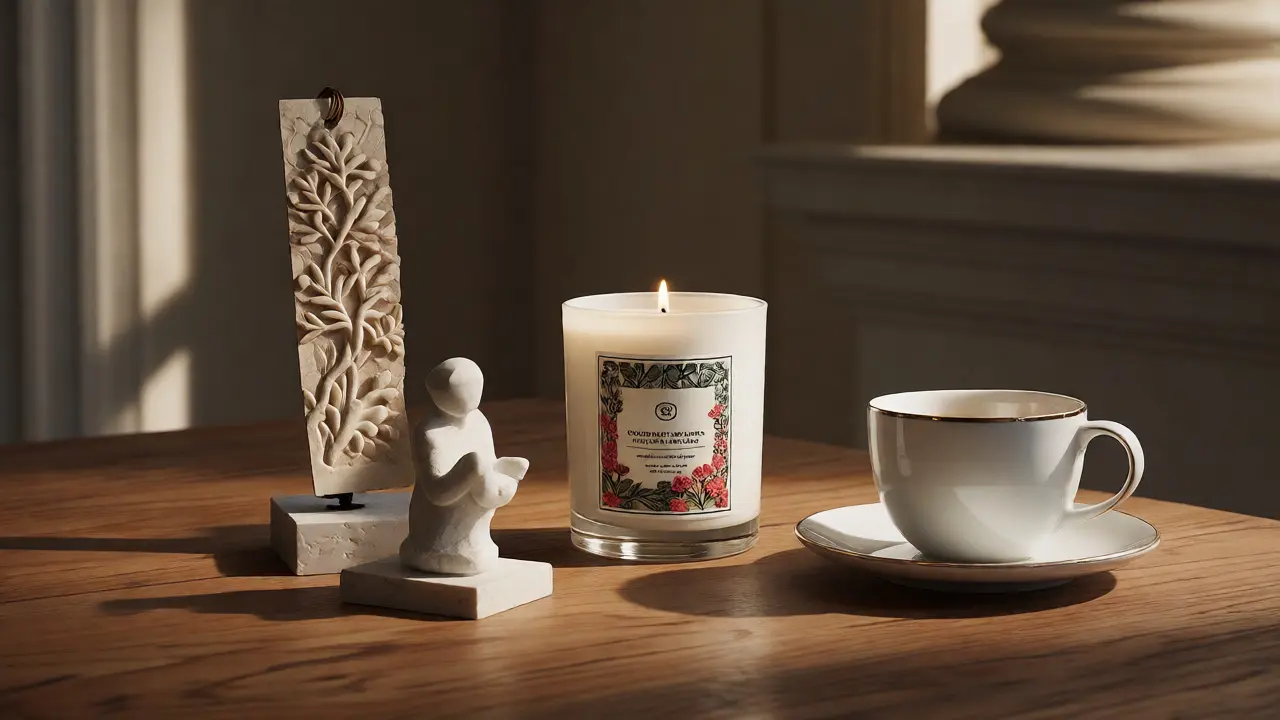
What you take home defines how long the memory lasts. A photo on your phone disappears into the cloud. A physical object triggers recall. Choose items that engage multiple senses. A textured bookmark, a scented candle inspired by garden exhibits, or a tactile replica of a sculpture. These objects anchor the experience in your daily life.
Also, support the museum’s mission. Proceeds from gift shop sales often fund conservation efforts, education programs, and free community days. Buying a tote bag isn’t just fashion; it’s a donation. Look for labels that state where profits go. Transparency builds trust. If a shop sells cheap plastic toys imported from overseas, question the alignment with the museum’s values. Prioritize locally sourced goods. In Portland, for example, many shops feature work from Oregon-based ceramicists and jewelers. This supports the regional economy and ensures unique items you won’t find in airport kiosks.
Finally, don’t rush the checkout. Ask the cashier about upcoming events or new arrivals. They know what’s popular and what’s coming next week. This insider info helps you decide whether to buy now or wait for a better deal. Sometimes, end-of-season sales happen quietly in the back room. A polite inquiry can uncover hidden gems.
Are museum cafes generally expensive?
Yes, they typically charge a premium compared to nearby casual eateries due to convenience and location. However, the quality of ingredients and the ambiance often justify the cost. To save money, look for lunch specials, use membership discounts, or opt for lighter fare like salads and soups instead of full entrees.
Can I bring outside food into a museum cafe?
Usually, no. Most museum cafes prohibit outside food and beverages to maintain hygiene standards and encourage patronage. Exceptions may apply for infant formula, small snacks for children, or medical needs. Always check the specific museum's policy posted at the entrance or on their website.
What is the best thing to buy in a museum gift shop?
Exhibition catalogs and artist-signed prints are widely considered the best value. They offer educational depth and artistic integrity. Additionally, locally made artisan goods support regional economies and provide unique souvenirs that differ from mass-produced tourist items.
Do museum gift shops ship items?
Many larger museums offer shipping services, either in-store or via their online portals. This is particularly useful for fragile items like ceramics or heavy books. Check if shipping fees apply and whether international delivery is available if you are visiting from abroad.
Is Wi-Fi available in museum cafes?
Most modern museum cafes provide free Wi-Fi for patrons. Passwords are often printed on receipts or displayed on signage. This allows visitors to research exhibits further, share photos, or handle emails while enjoying their meal. Speeds can vary depending on crowd size.