Museum Acquisitions: How Institutional Buying Drives Art Prices
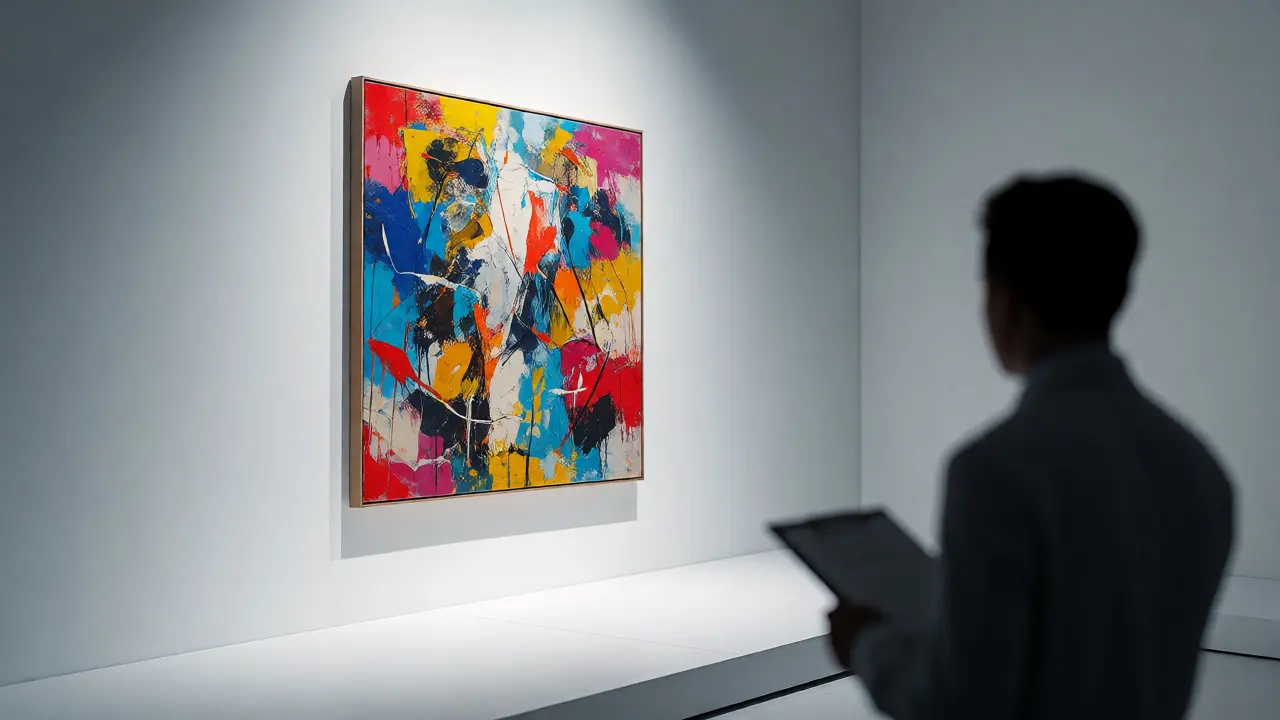
Ever wonder why a painting that sat in a private collection for decades suddenly doubles in value after hanging on the wall of the Metropolitan Museum? It’s not magic. It’s signaling. When a major institution buys a piece of art, they aren’t just adding to their inventory; they are issuing a stamp of approval that ripples through the entire art market. This phenomenon, known as the "museum effect," transforms obscure artists into blue-chip names and turns speculative assets into safe havens.
If you’re an investor, collector, or just curious about how money moves in the high-stakes world of fine art, understanding this dynamic is crucial. You don’t need a PhD in economics to see it happening right now. From the surge in contemporary African art following MoMA’s recent purchases to the steady climb of mid-century modernists after Whitney Biennial features, institutional validation drives demand. But how exactly does this work? And more importantly, can you spot these signals before the price tag skyrockets?
The Psychology Behind Institutional Validation
Art is notoriously hard to value. Unlike stocks, there’s no earnings report or dividend history. The value is largely subjective, driven by consensus. That’s where museums come in. They act as authoritative filters. When MoMA or the Tate Modern acquires a work, they are effectively telling the world: "This artist matters. This period is important."
This isn't just about prestige. It’s about risk reduction. For wealthy collectors, buying art that has been vetted by a museum reduces the fear of buying a dud. It’s a form of social proof. If the curators at the Louvre think it’s worth preserving for centuries, it must be worth paying millions for today. This psychological shift creates a feedback loop. Higher prices attract more attention, which leads to more exhibitions, which further cements the artist’s legacy.
How Acquisition Signals Travel Through the Market
The process usually follows a predictable pattern. First, a curator identifies an emerging trend or an overlooked artist. Next, the museum negotiates a purchase, often at a price significantly lower than what the open market might eventually pay. Then comes the announcement. Press releases, exhibition catalogs, and media coverage follow. Finally, the auction houses react.
Auction data supports this theory. A study by researchers at Duke University found that works included in major museum exhibitions saw an average price increase of 30% within two years. For artists who had never sold above $100,000, a single acquisition by a Tier-1 museum could push their next auction result over the million-dollar mark. This isn’t speculation; it’s historical fact. Look at the trajectory of artists like Kerry James Marshall or Amy Sherald. Their market values didn’t spike because of hype alone; they spiked because institutions validated their place in art history.
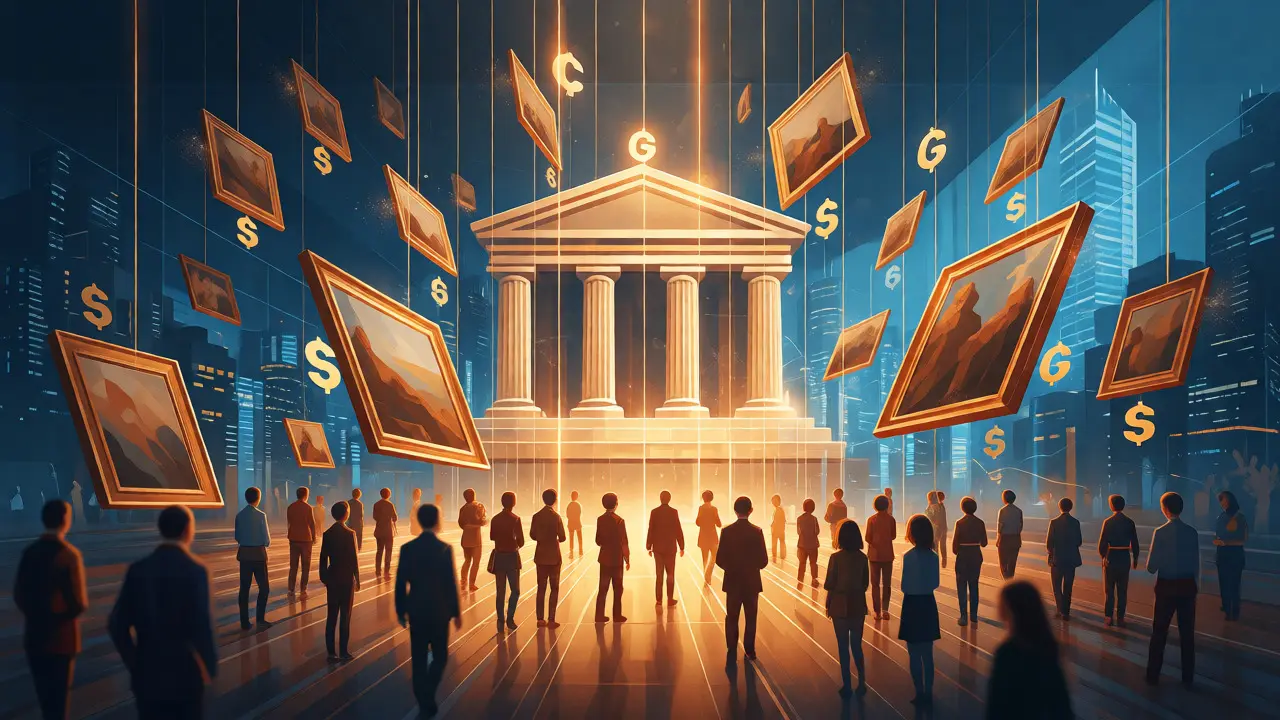
Tiering Institutions: Not All Museums Are Equal
Here’s where things get nuanced. Not every museum buy carries the same weight. The impact depends heavily on the institution's reputation and reach. We can categorize these buyers into three distinct tiers based on their influence on market liquidity and price appreciation.
| Institution Tier | Examples | Price Impact | Time Lag |
|---|---|---|---|
| Tier 1 (Global) | MoMA, Tate, Centre Pompidou | High (50-200%+) | Immediate to 6 months |
| Tier 2 (National/Regional) | SFMOMA, Hamburger Bahnhof | Moderate (20-50%) | 6-18 months |
| Tier 3 (Local/Specialized) | Community Arts Centers | Low/Negligible | Variable/None |
Tier 1 institutions have global brand recognition. A purchase by the Guggenheim makes news in New York, London, Tokyo, and Dubai simultaneously. Tier 2 museums matter locally and regionally but rarely move the needle globally unless they focus on a niche that aligns with current market trends. Tier 3 acquisitions are great for community engagement but rarely affect secondary market prices.
Spotting the Signal Before the Spike
You don’t need insider information to catch these moves. You just need to watch the right indicators. Curators talk. Exhibitions are planned years in advance. If you notice a specific theme gaining traction in academic circles-say, Latin American abstraction or digital art from Southeast Asia-it’s likely that major museums are preparing acquisitions in that area.
- Monitor Exhibition Catalogs: Artists featured in group shows at major museums are often candidates for future solo exhibitions and permanent collection additions.
- Follow Curator Careers: When a rising star curator moves from a smaller gallery to a major museum, they often bring their favorite artists with them.
- Watch Grant Funding: Major foundations often fund specific areas of research. Increased funding for African diaspora studies, for example, preceded the boom in Black Atlantic art markets.
Timing is everything. The best entry point is often when an artist is being discussed in scholarly journals but hasn’t yet hit the headline news of a major acquisition. By the time the press release drops, the smart money has already moved in.

Risks and Counter-Signals
It’s not always a straight line up. Sometimes, a museum acquisition can signal saturation. If an artist’s work is bought by too many institutions too quickly, the market may become flooded. Collectors might feel they’ve missed out, leading to a cooling off period. Additionally, if a museum deaccessions (sells) a work, it can send a negative signal, suggesting the artist’s relevance has waned.
Also, beware of "flipping" dynamics. Some dealers buy aggressively at low prices specifically to get into museum collections, knowing they can sell later at a premium. This can create artificial bubbles. Always look for organic critical acclaim alongside institutional interest. If the critics hate the work but the museum bought it, proceed with caution. Institutional validation works best when it aligns with broader cultural conversations.
The Future of Institutional Influence
As we move deeper into 2026, the definition of a "major museum" is expanding. Digital platforms and virtual galleries are starting to play a role, though physical presence still holds the most weight. However, new institutions in emerging markets-like those in Shanghai, Lagos, and São Paulo-are beginning to exert their own gravitational pull. A purchase by the Zeitz MOCAA in Cape Town, for instance, now has significant implications for the pan-African art market.
Diversity and inclusion initiatives are also reshaping acquisition strategies. Museums are actively seeking to correct historical biases, leading to surges in prices for women artists and artists of color who were previously overlooked. This isn’t just moral progress; it’s a market correction. As these gaps fill, the potential for price appreciation in these segments remains strong.
Does every museum acquisition raise an artist's price?
No. While Tier 1 acquisitions typically drive prices up, smaller or regional museums may have little to no impact on the secondary market. Furthermore, if the acquisition is part of a large donation rather than a competitive purchase, the market signal is weaker. Context matters: an acquisition during a retrospective show is more powerful than a random addition to storage.
How long does it take for prices to reflect a museum purchase?
The reaction varies. For highly liquid artists, prices can adjust within weeks of the announcement. For emerging artists, it may take 6 to 18 months as the news permeates the collector base and auction houses prepare their sales. The full effect is often seen after the artist has a solo exhibition featuring the acquired work.
Can I profit by buying art just because a museum bought it?
Potentially, but timing is key. If you buy immediately after the announcement, you might be paying the "news premium." The sweet spot is often slightly before the public announcement, based on rumors or exhibition previews. Also, ensure the work itself is desirable; not all pieces by an acquired artist hold equal value.
What happens if a museum sells a work (deaccessions)?
Deaccessioning can be complex. Sometimes it depresses prices if perceived as a rejection. Other times, it creates scarcity and excitement, especially if the work goes to a major auction house. The context of the sale-whether it’s due to budget cuts or strategic repositioning-determines the market reaction.
Are online-only museums influential enough to move prices?
Currently, less so than physical institutions. Physical presence provides a tangible sense of permanence and status that digital formats struggle to replicate. However, hybrid models and prominent digital archives are gaining credibility, particularly for digital-native art forms like NFTs and video art.