Maximizing a One-Hour Museum Visit: Fast-Track Plan
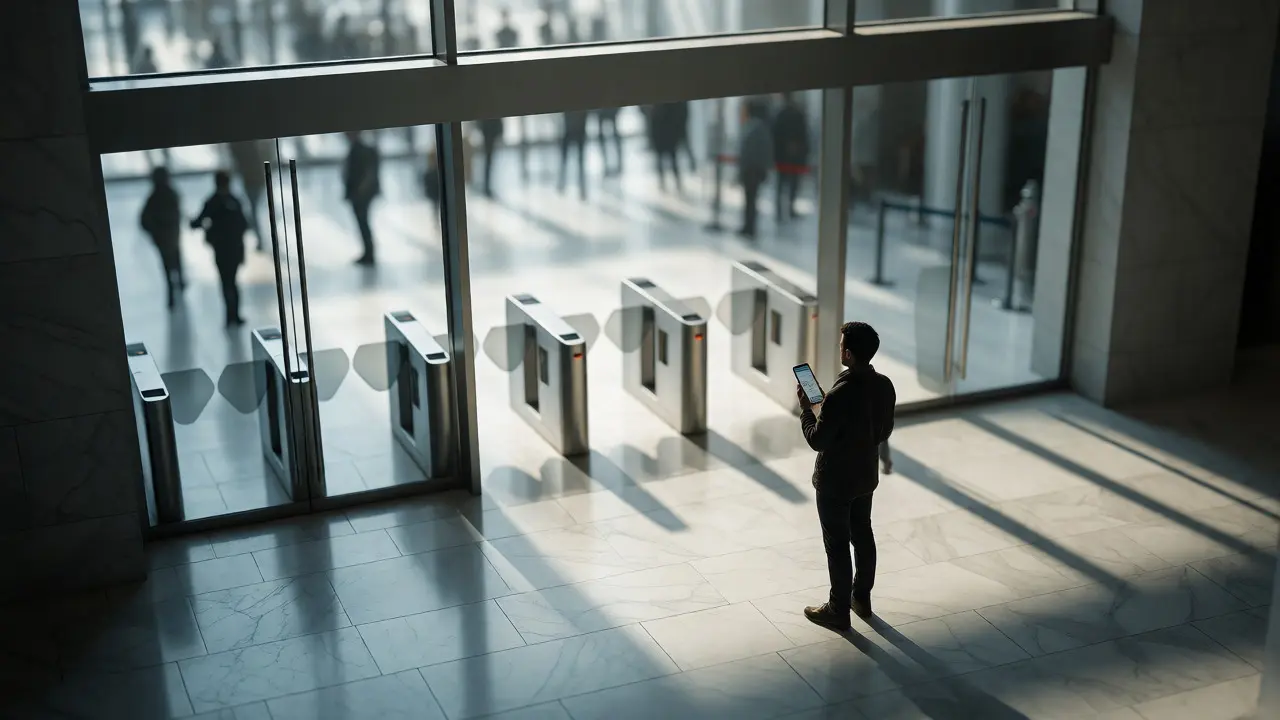
You have sixty minutes. Maybe fifty if you factor in the line for the coat check or the inevitable bathroom break. Most people treat a museum like a buffet-try to eat everything, end up feeling sick, and remember nothing. But here’s the truth: you can actually see the best of a major institution in an hour if you stop trying to be comprehensive. You just need a strategy.
This isn’t about rushing. It’s about intentionality. When you walk into a space like the Metropolitan Museum of Art or the Louvre, you’re not there to read every label. You’re there to experience specific moments. A one-hour window forces you to cut the fat. It removes the guilt of missing things because you never intended to see them all anyway. Let’s build a plan that gets you in, hits the high notes, and gets you out with your brain full but your feet fresh.
The Pre-Game Strategy: Do Your Homework
You cannot wing this. If you arrive at the door without a plan, you will spend ten minutes staring at a map and twenty more wandering aimlessly. The biggest mistake visitors make is assuming they’ll "just look around." In a large museum, "looking around" means getting lost in a wing dedicated to 17th-century Dutch still life when you really wanted to see Impressionism.
Before you leave your house, pick three to five objects. That’s it. Three to five. Why? Because cognitive load is real. After about thirty minutes of intense visual processing, your ability to retain information drops off a cliff. By limiting your targets, you ensure each viewing has weight. Go to the museum’s website. Find the "Highlights" page. Look at the floor plans. Note which entrance is closest to your top pick. This takes five minutes online and saves you fifteen minutes of confusion on-site.
| Task | Time Required | Why It Matters |
|---|---|---|
| Select 3-5 key artworks | 5 mins | Prevents decision fatigue and ensures focus |
| Check opening hours/closures | 2 mins | Avoids arriving during lunch closures or special events |
| Download offline map | 1 min | Saves battery life and avoids Wi-Fi dead zones |
| Buy tickets online | 3 mins | Bypasses the ticket line (crucial for a 60-min limit) |
Entry Tactics: Skip the Line, Skip the Gift Shop
Time is your scarcest resource. Every minute spent in line is a minute stolen from viewing art. Buy your tickets in advance. Seriously, do it. Even if it costs a dollar more, the time savings are worth it. At places like the Smithsonian National Air and Space Museum, security lines can swallow twenty minutes if you aren’t prepared. Have your bag ready for inspection. Leave bulky jackets at home if possible.
Once you’re inside, ignore the gift shop. I know, the tote bags are cute. The mugs are tempting. But entering the gift shop first breaks your momentum. It triggers the "consumer" part of your brain instead of the "observer" part. Walk straight to your first target. If you must buy something, save it for the exit. It gives you a psychological reward for finishing your tour.
The 15-Minute Rule per Object
How long should you stand in front of a painting? For a one-hour trip, allocate roughly twelve to fifteen minutes per object. This sounds like a lot, but it’s not. Here’s how to structure that time:
- Minute 1-2: Stand back. Get the composition. What does the whole thing feel like? Is it chaotic? Serene? Heavy?
- Minute 3-8: Move close. Look at the brushstrokes. Check the signatures. Read the wall text. Who painted this? When? Why?
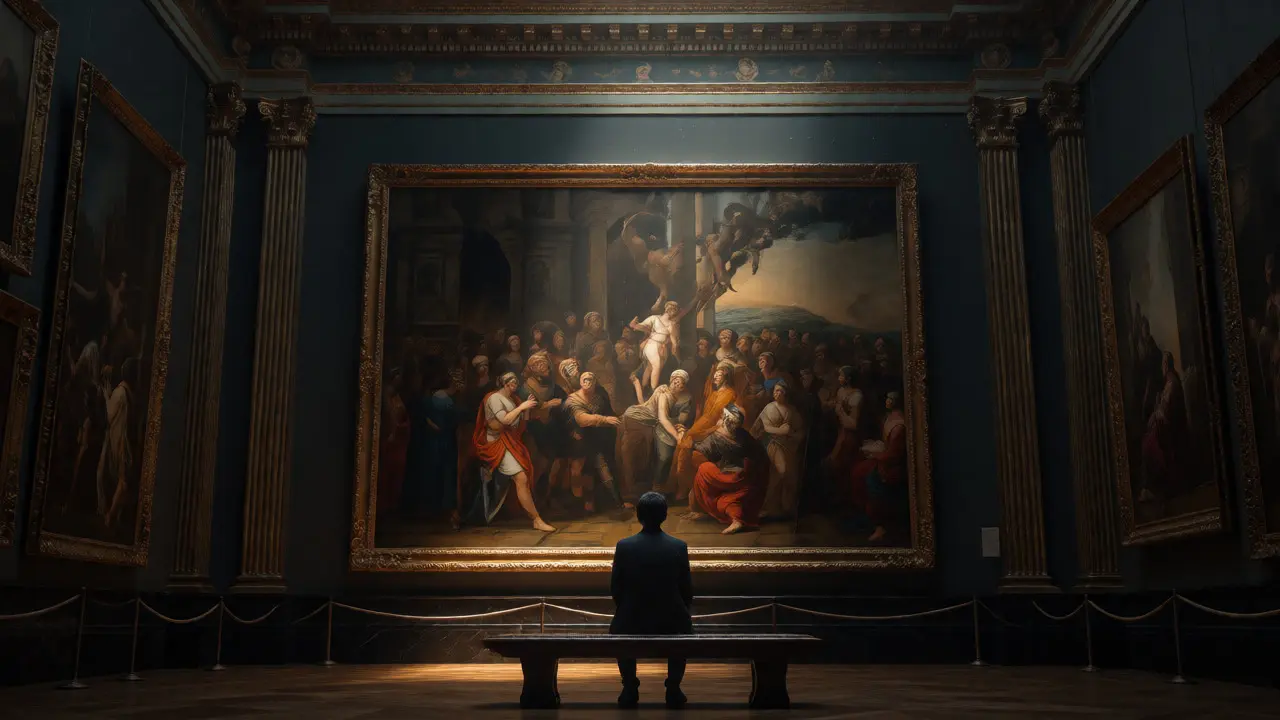
- Minute 9-12: Sit down. Literally sit on the bench provided. Stare at it again. Notice what you missed while standing. Did the light change? Did you notice a hidden detail in the corner?
- Minute 13-15: Take a photo (if allowed) and move on. Don’t linger. The next piece awaits.
This method prevents the "glance and go" syndrome where you see a famous work, snap a picture, and forget it existed. Sitting down changes your physiology. It slows your heart rate and makes you pay attention.
Navigating the Maze: Use Vertical Flow
Museums are often designed as labyrinths. To maximize efficiency, use vertical flow. Start on the highest floor and work your way down. Why? Gravity helps. You’re less likely to wander sideways if you’re focused on descending. Plus, many museums place their most iconic works on lower floors or ground levels, so ending there feels like a climax.
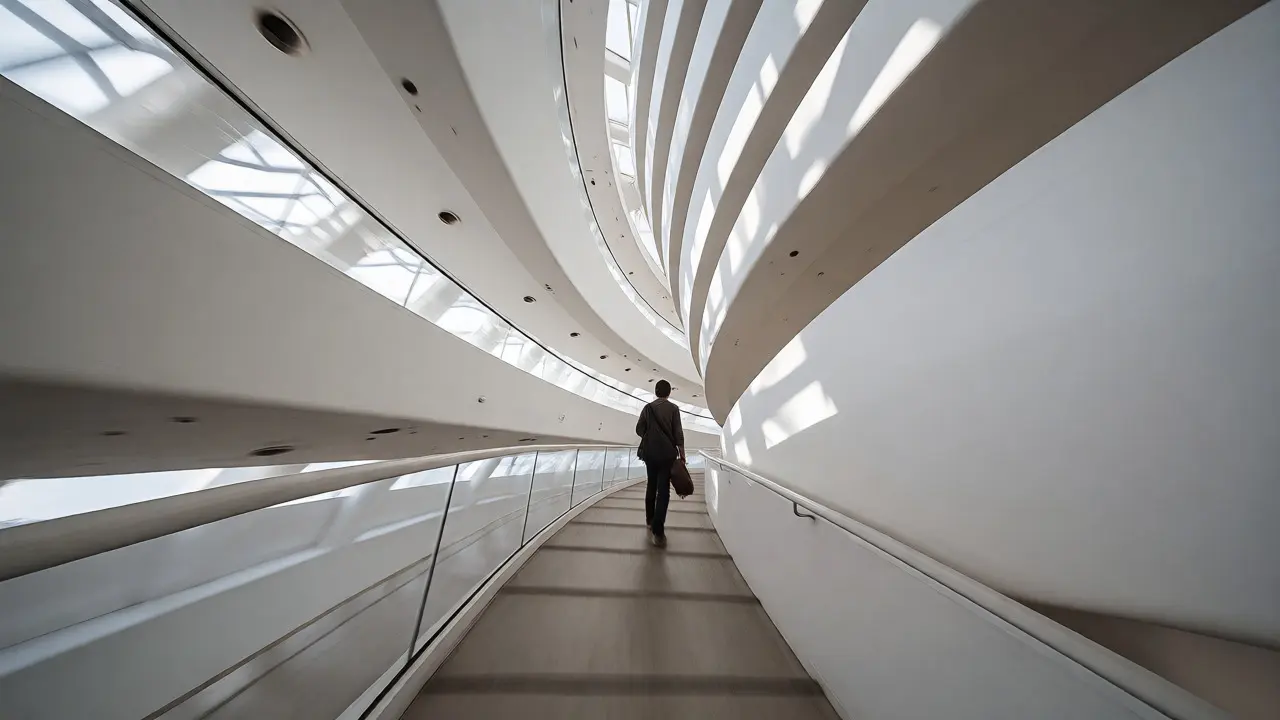
If you’re at a multi-level site like the Guggenheim Museum in New York, start at the top and spiral down. It’s physically easier and keeps you moving in a single direction. Avoid backtracking. Backtracking kills time. If you miss a wing, let it go. You’re not coming back tomorrow.
What to Cut: The "Nice-to-Have" Trap
You will want to see more. You will pass a room with beautiful pottery or an interesting sculpture and think, "I could just pop in there for two minutes." Two minutes becomes five. Five becomes ten. Before you know it, you’ve spent half your time in a side gallery and haven’t seen your main goal.
Be ruthless. Ask yourself: "Is this a 'must-see' or a 'nice-to-see'?" If it’s nice-to-see, skip it. Save it for a future visit when you have three hours. Remember, a good museum visit leaves you wanting more, not exhausted by excess. Quality beats quantity every single time.
Post-Visit Reflection: Lock It In
Your hour is up. You’re walking out. Don’t just jump on the subway or drive home. Spend five minutes outside reflecting. Write down what you saw in your phone’s notes app. Jot down one sentence about how the art made you feel. This simple act transfers the experience from short-term memory to long-term retention.
People often complain that they "forgot" what they saw. They didn’t forget; they never encoded it. Writing it down anchors the memory. Plus, if you’re sharing photos on social media, having a note makes your caption better than just "Cool pic."
Real-World Example: The Louvre in 60 Minutes
Let’s apply this to the ultimate challenge: The Louvre. Can you see the Mona Lisa in an hour? Yes, but barely. Here’s a realistic fast-track plan:
- Enter via the Carrousel du Louvre entrance. It’s usually faster than the Pyramid entrance.
- Head straight to Denon Wing, Room 711. This is where the Mona Lisa lives. Budget 15 minutes including the crowd shuffle.
- Walk to the Great Sphinx of Tanis. It’s nearby and visually striking. Budget 10 minutes.
- Move to the Winged Victory of Samothrace. This staircase display is unforgettable. Budget 15 minutes.
- Exit through the same route. Total time: 40 minutes. Leaves 20 minutes buffer for security, restrooms, or unexpected crowds.
Notice we skipped the Venus de Milo. Why? Because doing three major icons is already pushing the limit of sensory overload. Adding a fourth risks diminishing returns.
Troubleshooting Common Pitfalls
Problem: The bathroom line is huge. Solution: Use the restroom before you enter. Museums rarely have enough facilities for peak traffic. If you’re caught mid-tour, find the nearest café and buy a coffee-they often have cleaner, less crowded restrooms.
Problem: You’re overwhelmed by choices. Solution: Pick a theme. Instead of "all art," choose "animals in art" or "blue paintings." Thematic tours reduce decision paralysis and make the hunt fun.
Problem: You’re tired. Solution: Bring comfortable shoes. No heels, no dressy loafers. Wear sneakers. Your feet dictate your pace. If you hurt, you rush. If you’re comfortable, you observe.
Is one hour enough for a small local museum?
Yes, and often too much. Small museums are usually curated to be viewed in 30-45 minutes. If you have an hour, take your time, read every label, and talk to a docent if one is available. The intimacy allows for deeper engagement than large institutions.
Should I hire a guide for a one-hour visit?
Generally, no. Guides tend to follow a set script and cover broader historical context, which eats up time. For a fast-track visit, you want agility. However, if you join a pre-booked "highlights" tour specifically designed for 60 minutes, that can work well because the itinerary is already optimized.
What if my favorite artist isn't on display?
Check the museum's online collection database before you go. Rotations happen frequently. If your target is in storage, pivot to a similar style or period. Don't waste time searching for empty frames. Adaptability is key to a successful short visit.
Can I bring food or water inside?
Most museums prohibit food and drink in galleries to protect the art. Water bottles are sometimes allowed in clear plastic cases, but policies vary strictly. Assume you cannot eat or drink until you exit. Pack a snack for after your visit to avoid hunger-induced distraction.
How do I handle crowds at popular spots?
Arrive right at opening time. Crowds build significantly between 11 AM and 2 PM. If you're visiting later, try to hit the most popular pieces immediately upon entry before the tour groups arrive. Alternatively, visit on weekdays rather than weekends for thinner foot traffic.