Marketing Funnels for Galleries: From Awareness to Sale

Most art galleries struggle to turn window shoppers into buyers. They hang beautiful pieces, host opening nights, and post on Instagram-but the sales don’t follow. Why? Because they’re not using a marketing funnel. A funnel isn’t just a buzzword. It’s the roadmap that takes someone from seeing your gallery for the first time to owning a piece of art. And if you’re not building one, you’re leaving money on the table.
What a Gallery Marketing Funnel Actually Looks Like
A marketing funnel for a gallery breaks down into four clear stages: awareness, interest, consideration, and sale. Each stage needs different tools, messages, and touchpoints. It’s not about pushing art. It’s about guiding people through a journey they didn’t know they wanted to take.
Think of it like a museum visit. Someone walks in, sees a painting they don’t understand, reads the plaque, talks to a docent, goes home, researches the artist, comes back a week later, and buys a print. That’s a funnel. You just need to design it on purpose.
Stage 1: Awareness - Get Seen by the Right People
You can’t sell art to people who don’t know you exist. But blasting ads on Facebook won’t cut it. The people who buy art aren’t scrolling for deals. They’re looking for meaning, emotion, or status. So where do they hang out?
- Local events: Art walks, literary festivals, jazz nights, farmers markets
- Community publications: City magazines, neighborhood newsletters, university bulletins
- Instagram and Pinterest: Not for likes, but for visual storytelling
One gallery in Portland started partnering with local coffee shops. They displayed small prints on the wall, labeled with QR codes that led to the artist’s story. Within three months, 42% of their new leads came from those coffee shops. No ads. No budget. Just smart placement.
Use geo-targeted ads to reach people within 10 miles of your gallery. But don’t sell the art. Sell the experience. “See the work of a rising local artist this weekend” works better than “Buy a painting for $800.”
Stage 2: Interest - Make Them Care About the Artist
People don’t buy art because it’s pretty. They buy it because they connect with the story behind it. That’s why your website’s artist bios need to be human, not corporate.
Instead of: “Samantha Reed is a multidisciplinary artist based in Portland,” try: “Samantha Reed paints the Pacific Northwest afternoons she spent as a kid-when the light hit the trees just right and everything felt quiet. She didn’t pick up a brush until she was 37, after her dad passed. Now, she paints for people who still feel that quiet.”
Use video. A 90-second clip of the artist in their studio, talking about why they use certain colors or why they started painting after a divorce-that’s more powerful than 100 Instagram posts. Post it on your site, email it to your list, and drop it into Instagram Reels.
One gallery in Seattle saw a 68% increase in email sign-ups after they started sending out a weekly “Artist Voice” email. No sales pitch. Just a short audio clip of the artist talking about their process. People started replying with stories of their own. That’s how you build loyalty.
Stage 3: Consideration - Remove the Barriers to Buying
This is where most galleries lose people. The price is high. They’re scared to ask. They don’t know how to hang it. They worry it won’t match their couch.
Here’s how to fix it:
- Offer payment plans. Even three monthly installments make a big difference. One gallery saw a 41% increase in sales after adding Affirm integration.
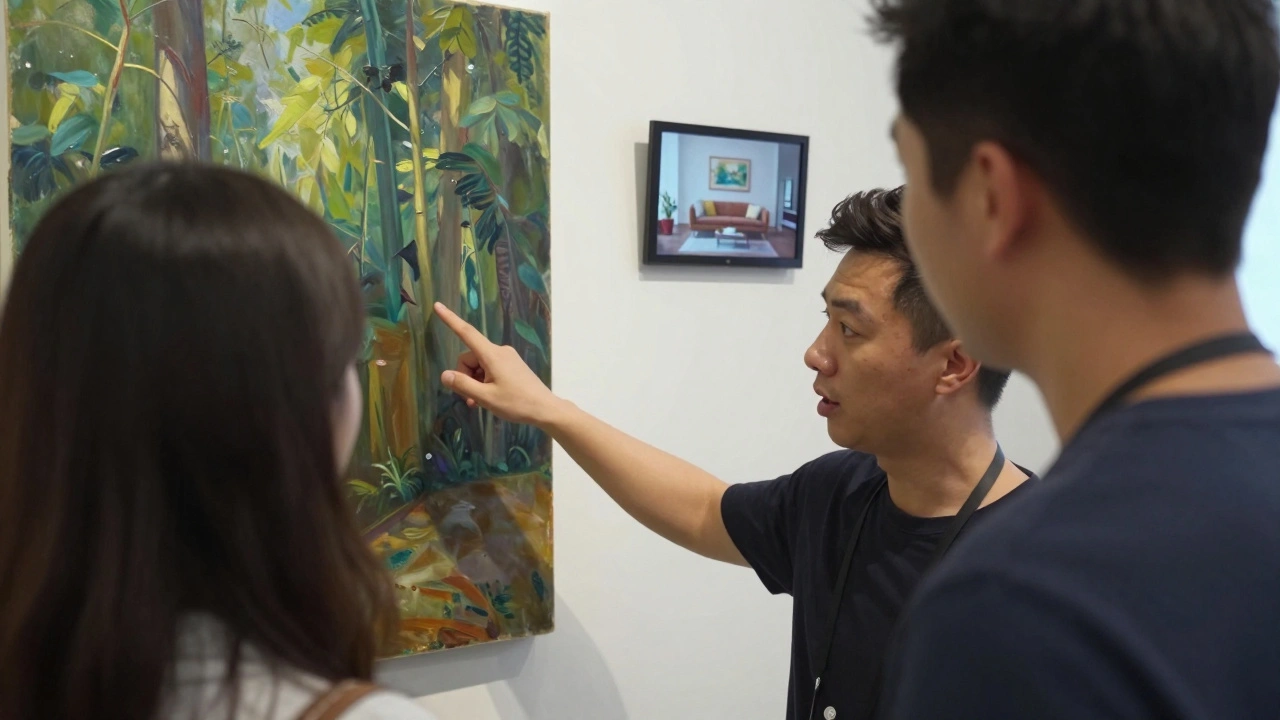
- Let people visualize it. Use an AR app (like Artivive or ArtPlace) so customers can see how the piece looks on their wall. No app? Send them a free printable template to tape on their wall.
- Train your staff. A gallery assistant who says, “This piece would look amazing above your sofa,” is worth 10 ads. Teach them to ask: “What’s the last piece of art you fell in love with?”
- Don’t hide pricing. If you’re afraid people will run, you’re already losing. List prices clearly. Add a note: “We offer flexible payment options. Just ask.”
One gallery in Portland started keeping a “Buyer Stories” board near the checkout. Photos of real customers with their new art, short quotes: “I bought this after my mom passed. It reminds me of her garden.” That board didn’t just build trust-it doubled repeat sales.
Stage 4: Sale - Close Without Being Pushy
People don’t like being sold to. But they love being helped. That’s the difference between a transaction and a relationship.
When someone says they’re thinking about it, don’t say, “Will you buy it today?” Say: “I noticed you spent a lot of time with the blue piece. What drew you to it?”
Then, follow up in 3 days with a personal note: “I thought you might like this short video of the artist talking about how they mixed that shade of blue. Here it is.”
Don’t send a newsletter. Send a single, thoughtful message. Include a photo of the piece, a 30-second video of the artist, and one line: “No pressure. Just wanted you to have this.”
That’s how sales happen. Not because you chased them. Because you respected their pace.
Keep Them Coming Back - The Post-Sale Funnel
The best customer isn’t the one who buys once. It’s the one who buys again. And again.
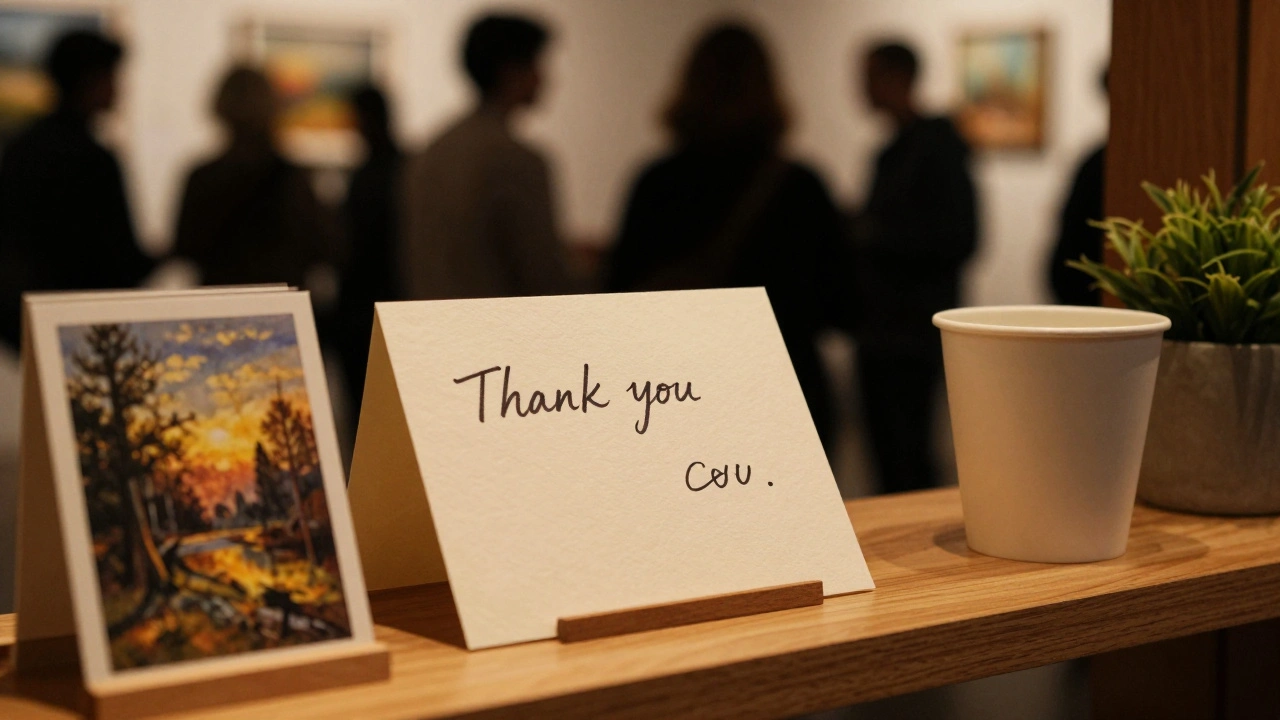
After a sale, send a handwritten thank-you note. Include a small gift: a limited-edition postcard of another piece in your collection. Add a note: “Next month, we’re unveiling three new works by the artist you bought from. You’ll be the first to see them.”
Then, invite them to exclusive events: private viewings, artist Q&As, studio tours. Make them feel like insiders, not customers.
One gallery in Chicago saw 74% of their repeat buyers come back after being invited to a 7 a.m. coffee and canvas morning with the artist. No sales pitch. Just coffee, conversation, and quiet time with new art.
Tools That Actually Work for Galleries
You don’t need fancy software. But you do need the right ones.
| Tool | Purpose | Cost (Monthly) |
|---|---|---|
| Mailchimp | Send personalized artist updates and event invites | $10-$50 |
| Artivive (AR app) | Let customers visualize art on their walls | $29-$99 |
| Stripe + Affirm | Enable payment plans | $0-$30 (transaction fees) |
| Canva | Create Instagram posts, event flyers, email templates | $12.99 |
| Google Business Profile | Appear in local searches and get reviews | Free |
Start with three: Mailchimp, a free AR tool, and Google Business Profile. That’s enough to build a real funnel without burning cash.
What Happens When You Get It Right
A gallery in Eugene, Oregon, started using this funnel in early 2025. They had 12 sales a month. Six months later, they had 37. Not because they added more art. Because they started treating visitors like people, not prospects.
They stopped chasing sales. They started building relationships. And the sales followed.
Art isn’t just something you hang on a wall. It’s a memory. A feeling. A conversation. Your job isn’t to sell it. It’s to help someone find the piece that speaks to them. And if you build the funnel right, they’ll find it-without you even asking.
Do I need a big budget to build a gallery marketing funnel?
No. You don’t need a big budget-you need consistency. Start small: use free tools like Google Business Profile, Canva, and Mailchimp. Focus on one stage at a time. A handwritten note, a 90-second artist video, or a simple AR preview can be more powerful than a $5,000 ad campaign. The key is repetition, not spending.
How often should I update my gallery’s marketing funnel?
Review it every 90 days. Look at what’s working: Which artist stories get the most engagement? Which social posts drive the most website visits? Which events bring in the most leads? Then adjust. If Instagram Reels are converting, double down. If your email open rates are dropping, change your subject lines. The funnel isn’t static-it’s a living system.
Can I use the same funnel for online and in-person sales?
Yes-but tweak it. Online, you rely more on visuals, video, and clear pricing. In-person, you rely on conversation, touch, and atmosphere. The core journey is the same: awareness → interest → consideration → sale. But the tools change. A QR code on a print works online. A gallery assistant saying, “Come closer, look at the brushstrokes,” works in person. Use both.
What’s the biggest mistake galleries make with marketing?
They treat art like a product, not a connection. They post high-res images and say, “Buy now.” But art isn’t bought because it’s pretty-it’s bought because it moves you. The biggest mistake is skipping the story. People don’t want to know the price first. They want to know why it matters.
How do I know if my funnel is working?
Track three things: 1) How many people sign up for your email list after visiting your site? 2) How many come back to the gallery within 30 days? 3) What percentage of those who viewed art online ended up buying? If those numbers are rising, your funnel is working. If not, go back to the first stage-awareness-and fix it there.
Next Steps: Start Your Funnel This Week
Don’t wait for the perfect plan. Start with one step.
- Write one artist story in your own voice-not a press release. Post it on Instagram and email it to your top 10 past buyers.
- Set up a free Google Business Profile if you haven’t already. Add photos of your gallery, hours, and a short description.
- Ask one customer who bought something last month: “What made you decide to buy?” Write down their answer. Use it next time.
That’s it. Three small actions. But they’ll start a chain reaction. Art doesn’t sell itself. But when you guide people through the right journey, they’ll find their way to it-on their own terms.