Marketing Funnels for Galleries: From Awareness to Sale
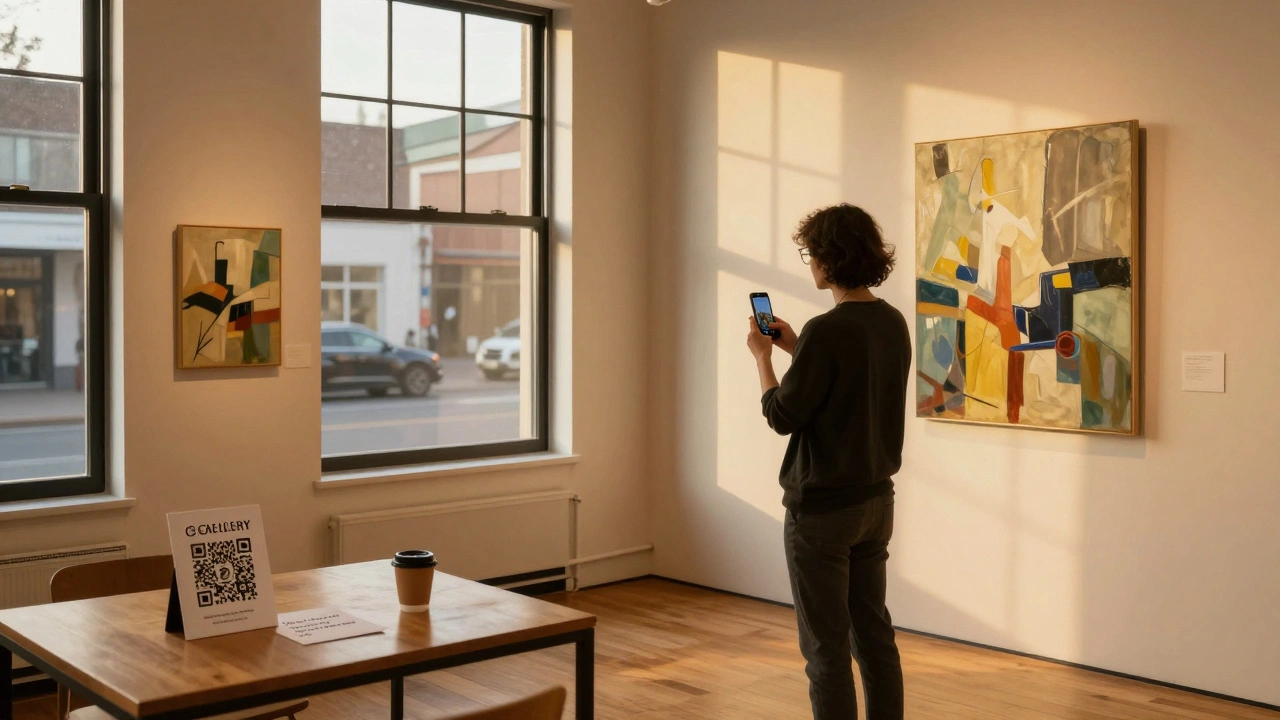
Most art galleries struggle with the same problem: they have amazing pieces, but the right buyers never show up. Or worse - they show up, browse for an hour, and walk out without buying anything. The issue isn’t the art. It’s the marketing funnel. A gallery without a clear funnel is like a shop with no doors. People wander in, get confused, and leave. But when you build a smart, step-by-step journey from first glance to final purchase, sales start to happen naturally.
Stage 1: Awareness - Make People See Your Gallery
Before someone buys a painting, they need to know it exists. This is where most galleries fail. They wait for foot traffic or rely on word-of-mouth. That’s not enough anymore. You need to be visible where art lovers already are.
Start with Instagram. Not just posting photos of art. Post stories of the artist in their studio. Show the brushstrokes. Film the moment a collector walks in and asks, "How much is this?" - then cut to the price tag. People don’t buy art because it’s pretty. They buy it because they feel a connection to the story behind it.
Use local SEO. If someone in Portland searches "contemporary art gallery near me," your gallery should show up. Claim your Google Business Profile. Add high-res photos of your space. List your exhibitions with dates. Include keywords like "original oil paintings" or "emerging Pacific Northwest artists." Don’t just list your address - tell people why they should care.
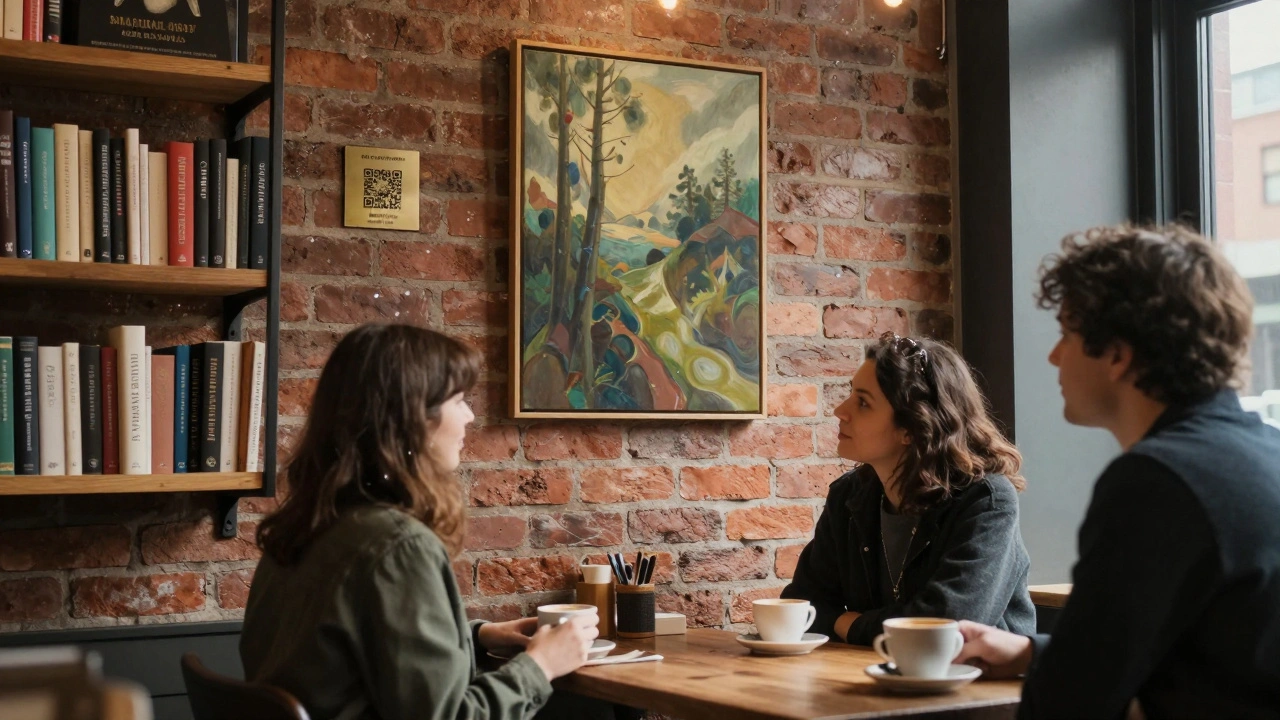
Partner with local cafes, bookstores, or hotels. Hang one piece from your collection on their wall with a small QR code that links to your website. It’s not an ad. It’s an invitation. People who see art in their daily life start to notice it more. And when they visit your gallery, they already feel familiar with it.
Stage 2: Interest - Make Them Care
Awareness gets them to your door. Interest makes them stay. This is where email newsletters become your most powerful tool.
Don’t send out a monthly newsletter with five new artworks. That’s spam. Instead, send a short email every Thursday: "This week’s artist story." It’s 200 words. Maybe it’s about how the artist used to work as a carpenter before picking up a brush. Maybe it’s a video clip of them mixing paint at 3 a.m. People don’t follow galleries. They follow people.
Use your website to show depth. Create a page for each artist with: their bio, their process, a short video interview, and a collection of past works. Add a "Why This Piece Matters" section. For example: "This 2023 oil on linen was painted during the artist’s 40-day solo retreat in the Oregon Cascades. Only three versions exist. One sold to a private collector in Berlin." That kind of detail turns curiosity into longing.
Host free, low-pressure events. Not opening nights with champagne and strangers. Think "Coffee & Canvas" - two hours on a Sunday morning. Bring in a local poet to read while people sip coffee and look at art. No sales pitch. Just atmosphere. People who show up to these events are 3x more likely to buy later. Why? Because they feel like they belong.
Stage 3: Consideration - Help Them Decide
Now they’re interested. But they’re still hesitating. Maybe they’re worried about price. Maybe they’re unsure if the art will fit in their home. Maybe they think they’re not "qualified" to own original art.
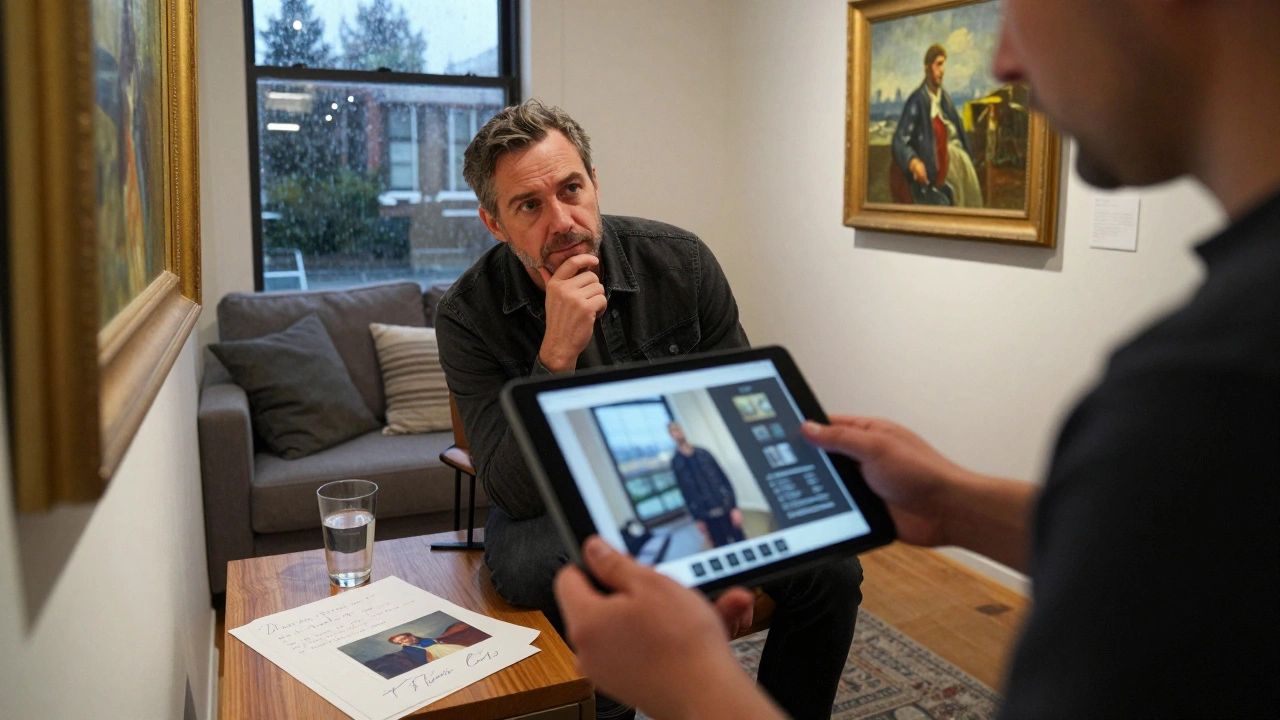
Remove the friction. Offer a free in-home consultation. Send a staff member with a tablet to show how the piece looks on their wall using AR. No pressure. Just a 20-minute session. If they say yes, you get the sale. If they say no, they still remember you. And they’ll come back.
Use testimonials. Not just "This is beautiful." Use real quotes: "I was nervous about spending $3,200. But after the consultation, I realized this wasn’t a purchase - it was an investment in how I feel every morning when I wake up." That’s powerful.
Break down payment options. Don’t just say "$4,500." Say: "Pay $450/month for 10 months. No interest. No credit check. Just bring the piece home." Many buyers don’t have $4,500 saved - but they can afford $450. This isn’t a gimmick. It’s how real people buy art today.
Stage 4: Conversion - Close the Sale
Conversion isn’t about pushing. It’s about making it easy.
When someone says, "I’ll think about it," don’t wait. Send a follow-up email within 24 hours. Not with another piece. With a personal note: "I noticed you spent time with the piece by Elena Ruiz. We only have one left. If you’re still considering, I’d love to hold it for you until Friday. Just say the word."
Use urgency - but honestly. "Only one left" works. "Limited edition" works. "Sold in 48 hours last time" works. But don’t fake scarcity. People smell it. And they leave.
Offer a simple checkout. No complex forms. No account creation. Just name, email, address, and payment. If they’re ready to buy, they don’t want to fill out a 12-field form. They want to take the art home.
Include a handwritten thank-you note in the box. A small print of the artist’s signature. A sticker with the gallery’s logo. These tiny touches turn buyers into fans.
Stage 5: Retention - Turn Buyers Into Advocates
The sale isn’t the end. It’s the beginning.
After purchase, send a personal thank-you video from the artist. Not a canned message. A real, 60-second clip: "Thank you for choosing my work. I’m so glad it found a home with you."
Invite them to private previews. Not public events. Exclusive invites to meet new artists before anyone else. Give them early access. Make them feel like insiders.
Ask for feedback. Not a survey. A simple text: "How’s the piece looking on your wall?" If they reply, reply back. If they post a photo, share it on your feed - with credit. People love to be seen.
When they buy again, they’ll tell someone else. And that’s how galleries grow - not from ads, but from quiet, consistent relationships.
Real Example: A Portland Gallery That Doubled Sales in 8 Months
There’s a small gallery in Southeast Portland called Northwest Studio is a contemporary art gallery specializing in Pacific Northwest artists. Also known as NW Studio, it opened in 2021 and had been struggling with inconsistent sales.
They started tracking their funnel. They realized 70% of their visitors came from Instagram. But only 3% of those people ever came back. So they changed their approach:
- They began posting daily behind-the-scenes videos of artists at work.
- They launched a free "Art & Coffee" Sunday event.
- They started offering 6-month payment plans with no interest.
- They sent handwritten notes after every sale.
In eight months, their monthly sales doubled. Repeat buyers went from 12% to 41%. And 60% of new customers came from referrals.
This wasn’t luck. It was a funnel. One that respected the buyer’s journey - not the gallery’s need to sell.
What Not to Do
Don’t blast your entire inventory on Instagram. People scroll past. They don’t connect.
Don’t treat every visitor like a potential buyer. Some just want to look. Let them. The ones who stay are the ones who’ll buy.
Don’t use jargon. "Limited edition lithograph on archival paper" sounds fancy. But most people just want to know: "Will this look good in my living room?"
Don’t ignore data. Track where your visitors come from. What pages they spend time on. What they click on. Use free tools like Google Analytics. You don’t need a big budget. You just need to pay attention.
Start Small. Build One Step at a Time.
You don’t need to fix your whole funnel tomorrow. Pick one stage. Maybe it’s your Instagram. Or your email sign-up. Or your payment options. Fix that one thing. Then move to the next.
Art galleries don’t need more ads. They need better journeys. When you guide people from curiosity to confidence - and from confidence to ownership - sales stop feeling like a struggle. They start feeling like a natural outcome.
That’s the real power of a marketing funnel for galleries.
How do I start building a marketing funnel for my gallery?
Start by mapping out your current customer journey. Track where visitors come from (Instagram, Google, word-of-mouth), what they do on your site, and where they drop off. Then pick one weak point - maybe people leave after seeing prices - and fix it. Add a payment plan, a video of the artist, or a free consultation. Don’t try to fix everything at once. One improvement at a time creates real momentum.
Do I need a big budget to make this work?
No. Most of what works costs little or nothing. A well-timed Instagram story. A handwritten note. A free Sunday morning event. These cost time, not money. The most expensive part isn’t the tools - it’s the consistency. Showing up every week, even when no one seems to be watching. That’s what builds trust.
Should I use paid ads for my gallery?
Only if you already have a strong organic presence. Paid ads can bring traffic, but if your website doesn’t tell a story, people leave. Focus first on building relationships - through content, events, and personal communication. Once people know who you are and why you matter, then paid ads can amplify what you’ve already built.
How do I get collectors to refer others?
Don’t ask them to refer. Make them want to. Send them exclusive access to new artists. Thank them personally. Share their photos of the art on your feed. When someone feels seen and valued, they’ll naturally tell their friends. The best referrals come from pride - not incentives.
What’s the biggest mistake galleries make with marketing?
They treat art like a product, not a connection. They focus on selling the object instead of sharing the story behind it. People don’t buy art because it’s expensive. They buy it because it makes them feel something. Your job isn’t to list prices. It’s to help people understand why this piece matters - to them.