Manufacturing Quality Clauses in Licensing Contracts: A Practical Guide
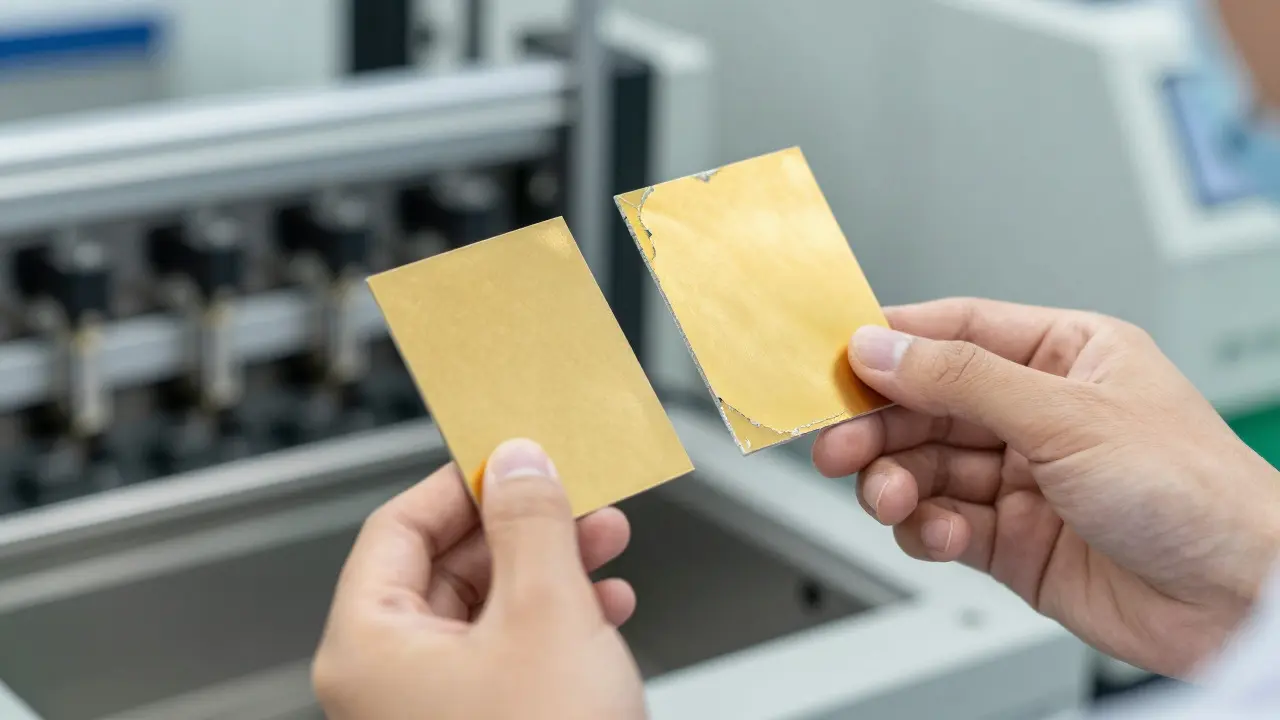
Imagine signing a deal to license your brand to a manufacturer in Vietnam. Six months later, the products arrive, but the stitching is loose, the color is off, and the packaging looks cheap. You didn't just lose money; you lost trust. This is exactly why manufacturing quality clauses are the backbone of any successful licensing agreement. They aren't just legal fine print; they are the safety net that protects your reputation when someone else holds the pen.
Many licensors make the mistake of assuming that if a licensee has a good track record, the quality will follow automatically. It doesn't. Manufacturing environments change, supply chains shift, and cost pressures mount. Without specific, enforceable language in your contract, you’re left guessing whether a batch of goods meets your standards or if it’s just “close enough.”
Defining Quality Beyond Vague Adjectives
The biggest pitfall in drafting these clauses is relying on subjective terms like "high quality" or "industry standard." These phrases mean different things to different people. To make a clause enforceable, you need objective benchmarks. This usually involves creating a detailed specification document that acts as an exhibit to the main contract.
This specification should include:
- Material Standards: Exact fabric types, plastic grades, or metal alloys required. For example, specifying "304 stainless steel" instead of just "steel."
- Dimensional Tolerances: How much variation is acceptable? If a part is supposed to be 10mm, is 9.8mm okay? Define the acceptable range clearly.
- Aesthetic Criteria: Use physical samples (golden samples) that both parties sign off on. Photos can be misleading due to screen calibration, so physical references are superior for color and texture.
By anchoring quality to tangible specs, you remove the ambiguity from disputes. If the product deviates from the signed golden sample by more than 5%, it’s non-compliant. That’s a fact, not an opinion.
The Inspection Protocol: Who Checks What?
Having a definition of quality is useless if no one checks the goods before they ship. Your contract needs a clear inspection protocol. Typically, this involves three stages: incoming material inspection, in-process inspection, and final pre-shipment inspection.
You have two main options for who performs these inspections:
- Licensor-Led Inspections: You send your own team or hire a third-party agency to visit the factory. This gives you direct control but costs time and travel expenses.
- Licensee-Led with Reporting: The licensee inspects and provides photos/videos. This is cheaper but risky unless you have a strong relationship of trust.
Most mid-sized brands opt for a hybrid approach. The licensee handles daily production checks, but the licensor retains the right to conduct unannounced audits once per quarter. Crucially, the contract must state what happens if an audit reveals issues. Does production stop immediately? Who pays for the rework? Clarify this upfront to avoid arguments later.
Acceptance Criteria and Defect Rates
In mass manufacturing, zero defects is impossible. Trying to demand perfection often leads to hidden problems or inflated costs. Instead, use Acceptable Quality Limits (AQL). AQL is a statistical sampling method that defines how many defects are acceptable in a random sample of goods.
| Defect Type | Description | Typical AQL Level |
|---|---|---|
| Critical | Safety hazards or regulatory violations (e.g., broken glass, toxic paint) | 0% |
| Major | Issues likely to reduce usability or customer satisfaction (e.g., wrong size, significant color mismatch) | 2.5% - 4.0% |
| Minor | Cosmetic issues unlikely to affect function (e.g., slight label misalignment, minor scuffs) | 4.0% - 6.5% |
For example, if you set the Major defect AQL at 2.5%, and a random sample of 80 units contains 3 major defects, the batch fails. The licensee must then sort the entire shipment to fix those issues. Including AQL tables directly in your contract annexes makes this process transparent and fair.

Remedies and Financial Levers
What happens when quality drops? Your contract needs defined remedies. Simply saying "licensee must fix it" is too weak. You need financial teeth.
Consider including these specific mechanisms:
- Rework Costs: If the licensor sends inspectors who find failures, the licensee pays for all labor and materials needed to fix the goods before shipping.
- Price Reductions: If minor defects are within tolerance but still noticeable, you might negotiate a small discount on the invoice for that batch.
- Termination Triggers: Define a "quality strike" system. For instance, if three consecutive batches fail inspection, the licensor can terminate the agreement without penalty.
These levers keep the licensee motivated to maintain high standards because the cost of failure becomes immediate and quantifiable, rather than a vague threat of future litigation.
Intellectual Property and Brand Protection
Quality isn't just about the product; it's about the brand experience. Poorly made licensed goods can dilute your brand value. Therefore, your IP Licensing Agreement is a legal contract that grants permission to use intellectual property in exchange for royalties or fees. should link quality to brand integrity.
If a licensee produces subpar goods, they aren't just failing a spec sheet; they are damaging your Brand Equity is the premium value a brand commands due to consumer perception and loyalty.. Some advanced contracts include a "Brand Audit" clause where the licensor reviews not just the product, but the retail presentation. If the store displays the goods poorly or mixes them with inferior unlicensed items, it can trigger a quality review. This holistic view ensures that the manufacturing quality aligns with the market positioning of your brand.

Practical Tips for Drafting Effective Clauses
Drafting these sections requires collaboration between legal teams and operations managers. Lawyers understand liability, but operations managers understand factories. Here are some practical tips to ensure your clauses work in the real world:
- Attach Detailed Annexes: Don’t bury specs in the body text. Use separate exhibits for technical drawings, material lists, and AQL charts. This keeps the main contract readable while providing deep detail where needed.
- Define Communication Channels: Specify who at each company handles quality queries. Is it the plant manager or the sales rep? Miscommunication often causes delays in resolving quality issues.
- Include Change Control Processes: What happens if the licensee wants to switch suppliers for a raw material? The contract should require prior written approval from the licensor after testing the new material against the original specs.
- Set Clear Timelines: How quickly must defects be reported? How long does the licensee have to fix them? Ambiguity here leads to stalemates.
Remember, the goal isn't to punish the licensee, but to create a shared understanding of what "good" looks like. When both sides agree on the metrics, cooperation becomes much easier.
Frequently Asked Questions
What is the difference between a quality clause and a warranty?
A quality clause defines the standards the product must meet during production and inspection. A warranty is a promise to repair or replace the product if it fails after sale to the end consumer. In licensing, you typically want strong quality clauses to prevent bad products from leaving the factory, which reduces the need for post-sale warranties.
How do we handle disputes over subjective quality issues like color matching?
Use standardized measurement tools. For color, specify Pantone codes or use spectrophotometers to measure light reflectance. By agreeing on a scientific method in the contract, you remove subjectivity. Both parties should agree on the equipment used for verification before production starts.
Who should pay for third-party inspection agencies?
It depends on the outcome. A common approach is that the licensor pays for routine inspections, but if a batch fails, the licensee reimburses the cost plus any additional fees for re-inspection. This incentivizes the licensee to get it right the first time while allowing the licensor to monitor progress without upfront risk.
Can we change quality standards mid-contract?
Yes, but only through a formal amendment process. The contract should state that changes to specifications require mutual written consent. This prevents either party from unilaterally raising or lowering standards, which could unfairly impact costs or margins.
What is an AQL chart and why is it important?
An AQL (Acceptable Quality Limit) chart is a statistical tool that tells you how many units to inspect and how many defects are allowed to pass the batch. It is important because it provides an objective, mathematically sound way to judge quality without having to inspect every single item, saving time and money while maintaining reliability.