Major International Art Fairs: Art Basel, Frieze, and Key Global Events Guide
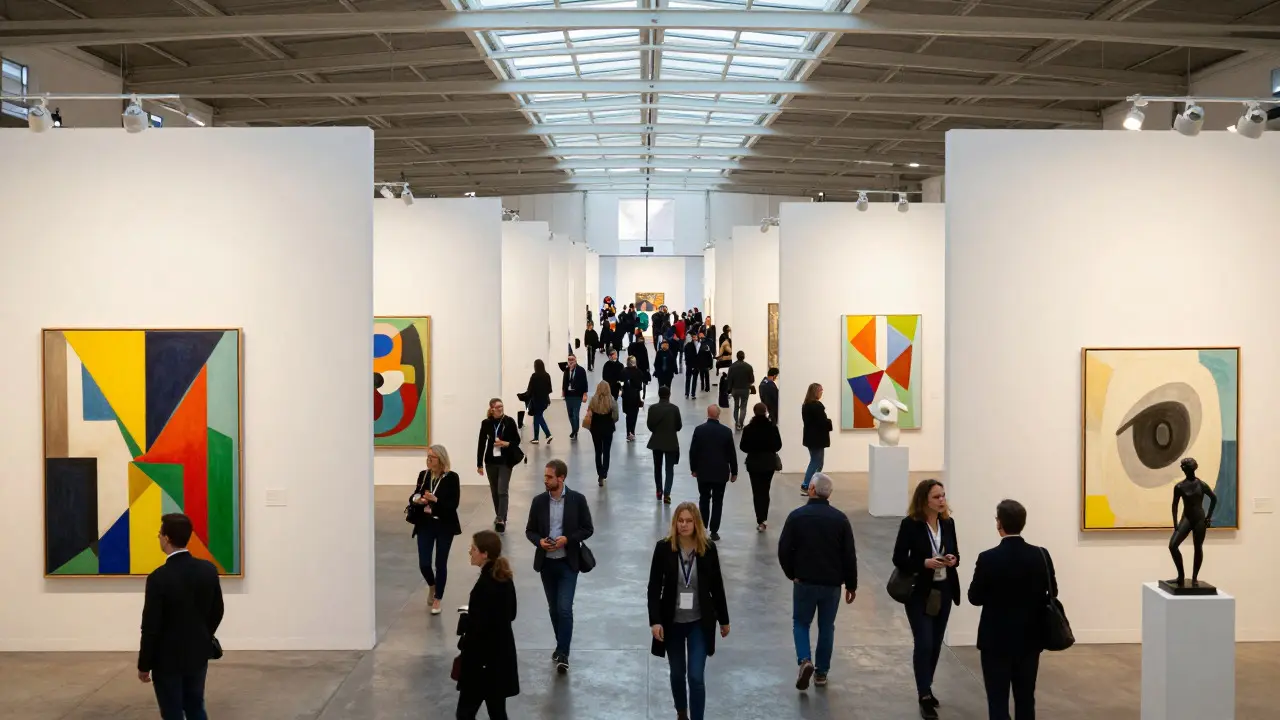
Walking into a major international art fair for the first time can feel like stepping into a different dimension. The scale is massive, the energy is electric, and the price tags on the walls often look like they belong to a real estate listing rather than a painting. But beneath the glitz, these events are the engine room of the global art world. They dictate trends, set prices, and connect collectors with artists in ways that local galleries simply cannot match.
If you are new to the scene or looking to deepen your understanding of where the art world actually happens, this guide breaks down the essential players. We are not just listing names; we are explaining why each fair matters, who attends, and how the dynamics shift from Miami to London to Paris. Understanding these venues helps you grasp the pulse of the contemporary art market in 2026.
The Big Three: Anchors of the Global Calendar
The art fair circuit is dominated by three giants that define the rhythm of the year. These are not just exhibitions; they are business hubs where multi-million dollar deals are struck over coffee.
Art Basel is the undisputed heavyweight champion. Originally founded in Switzerland in 1970, it has expanded into a tri-city operation. The original Basel Fair takes place in June, serving as the summer kickoff for European galleries. Then comes Art Basel Miami Beach in December, which acts as the holiday season’s biggest event, attracting a mix of serious collectors and socialites. Finally, Art Basel Hong Kong (or its current regional equivalent) anchors the Asian market. Each city offers a distinct flavor. Basel feels more curated and serious, while Miami is louder, more commercial, and heavily focused on design and lifestyle crossovers.
Frieze is the primary competitor in Europe. Founded in 2003 in London, it quickly established itself as a critical counterpoint to Basel. If Basel is about volume and global reach, Frieze is often seen as more intellectually rigorous. It typically runs in October in London and May in Los Angeles. The London edition is particularly significant because it coincides with the UK’s autumn art season, drawing heavy traffic from institutional buyers and critics. The LA edition taps into the West Coast’s unique blend of tech wealth and creative experimentation.
The third pillar is TEFAF (The European Fine Art Fair), held annually in Maastricht, Netherlands. Unlike the contemporary-focused Basel and Frieze, TEFAF specializes in fine art, antiques, and decorative arts spanning centuries. It attracts dealers who specialize in Old Masters, Impressionism, and rare collectibles. For many traditional collectors, TEFAF is the most important event of the year because it offers a level of provenance and historical depth that newer fairs rarely match.
Regional Powerhouses and Emerging Hubs
Beyond the big three, several other fairs have carved out specific niches that are crucial for a complete picture of the market. These events often serve as gateways to regions that were previously underrepresented in the global conversation.
In Asia, ART SG (Singapore) and VAF (Vietnam Art Fair) have grown significantly. Singapore, in particular, has positioned itself as a tax-efficient hub for Asian collecting. Meanwhile, Paris Photo remains the definitive venue for photography, showcasing everything from street snaps to large-scale installations. It proves that specialized fairs can be just as influential as general contemporary ones.
North America also sees strong competition outside of Miami. PAD (Photo Art Design) in New York brings together photography, design, and architecture, appealing to a younger, design-conscious demographic. In Canada, Artexte in Montreal serves as a vital bridge between North American and European markets, highlighting emerging talent before they break through globally.
Who Actually Attends? Decoding the Crowd
You might think everyone at an art fair is buying paintings. In reality, the crowd is a complex ecosystem of professionals, enthusiasts, and speculators. Knowing who is walking the aisles changes how you interpret the buzz.
- Galleries: These are the vendors. Top-tier galleries spend millions on booth space, shipping insurance, and staff. Their presence signals their confidence in their roster. If a prestigious gallery like Gagosian or Hauser & Wirth is exhibiting, expect high-caliber works and aggressive pricing.
- Collectors: This group ranges from old-money dynasties to new-tech billionaires. They often move with purpose, accompanied by advisors or curators. Spotting a collector lingering near a specific booth can indicate upcoming acquisitions.
- Museums and Institutions: Curators attend to scout future acquisitions. A work purchased by a museum during a fair gains immediate credibility, often boosting the artist’s market value overnight.
- Dealers and Brokers: These intermediaries facilitate sales for clients who prefer privacy. They make up a significant portion of the trade floor traffic, especially at fairs like TEFAF.
For the average visitor, distinguishing between these groups can be tricky. However, watching how people interact with the art provides clues. Collectors tend to ask direct questions about provenance and condition. Enthusiasts focus on aesthetic appeal. Dealers talk numbers and availability.

Navigating the Economics of Art Fairs
Attending a major fair is expensive, but the costs extend beyond tickets. Understanding the financial structure helps you budget realistically and avoid surprises.
| Cost Category | Art Basel Miami | Frieze London | TEFAF Maastricht |
|---|---|---|---|
| General Admission Ticket | $150 - $250 | $180 - $280 | $200 - $300 | Airfare (from US East Coast) | $400 - $800 | $900 - $1,500 | $1,200 - $1,800 | Accommodation (3 nights) | $1,500 - $3,000 | $2,000 - $4,000 | $1,000 - $2,000 | Est. Daily Food & Transport | $150 - $300 | $200 - $400 | $150 - $250 |
Note that these are estimates for independent attendees. Industry insiders often receive complimentary tickets or discounted rates through gallery partnerships. The hidden cost is opportunity: if you miss a fair, you may miss exclusive previews or limited-edition releases that never enter the secondary market immediately.
Strategies for First-Time Visitors
Overwhelm is the number one complaint from first-time fair-goers. The sheer volume of booths, side events, and networking opportunities can lead to decision fatigue. Here is how to make the most of your trip without burning out.
- Plan Your Route: Download the official fair map beforehand. Identify five to ten key galleries you want to see. Stick to this list for the first day. Do not try to see everything at once.
- Arrive Early: The best hours are usually the first two after doors open. Crowds are thinner, lighting is better, and gallery staff are fresher and more willing to chat. By afternoon, the floors become packed, making it difficult to view large works properly.
- Bring Cash and Cards: While digital payments are common, some smaller booths or pop-up shops may prefer cash. Also, have multiple cards ready, as credit limits can be an issue for impulse buys.
- Network Intentionally: Talk to gallery assistants, not just directors. Assistants often have deeper knowledge of inventory and upcoming shows. Exchange contact information if you find something interesting.
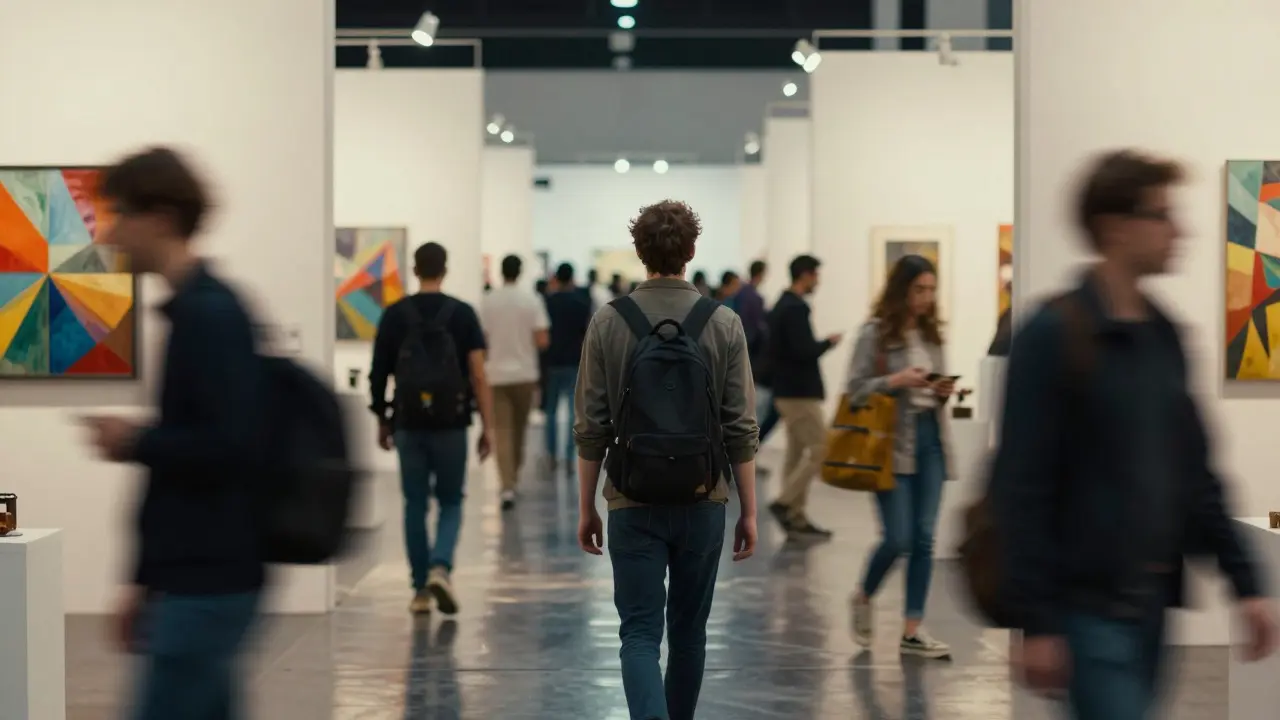
- Rest Strategically: Art fairs are physically demanding. You will walk 10,000+ steps daily. Schedule downtime in cafes or hotel lobbies to reset your visual perception. Fatigued eyes miss details.
The Role of Digital Integration
The post-pandemic era has permanently altered how fairs operate. Digital platforms now complement physical attendance in meaningful ways. Many fairs offer virtual tours, allowing remote collectors to view works in high resolution. Apps provide real-time updates on sold pieces, helping visitors track market movements live.
However, the tactile experience remains irreplaceable. Seeing the texture of a canvas, the weight of a sculpture, or the scale of an installation in person is crucial for valuation. Digital tools are best used for pre-fair research and post-fair follow-up, not as a substitute for the physical visit.
Frequently Asked Questions
Do I need to be a wealthy collector to attend an art fair?
No. Most major fairs offer general admission tickets to the public. While the works on display can be expensive, attending is free education. You can observe trends, meet artists, and enjoy the atmosphere without purchasing anything. Many fairs also feature affordable editions, prints, or jewelry sections.
Which art fair is best for beginners?
Frieze London or Art Basel Miami Beach are often recommended for beginners due to their extensive educational programs, public talks, and curated pathways. These fairs invest heavily in visitor experience, offering guided tours and introductory sessions that help new audiences navigate the scene.
Can you buy art directly from galleries at a fair?
Yes. Galleries act as direct sellers. You negotiate the price with the gallery representative, pay via wire transfer, check, or card, and arrange shipping. This is often cheaper than buying from a dealer or auction house because there is no middleman markup, though shipping and insurance costs apply.
What is the difference between an art fair and an art biennale?
An art fair is a commercial marketplace where galleries sell works to collectors. A biennale (like Venice Biennale) is a non-commercial exhibition curated by institutions to showcase artistic innovation. Biennales focus on ideas and curation, while fairs focus on sales and market dynamics.
Are art fair prices negotiable?
Generally, yes, but only within certain margins. For high-value works, prices are firm. For mid-range pieces or end-of-fair clearance items, galleries may offer discounts to secure a sale. Always ask politely if there is flexibility, especially if you are paying cash or committing to a quick wire transfer.