Long-Term Leases for Galleries: Stability and Advantages
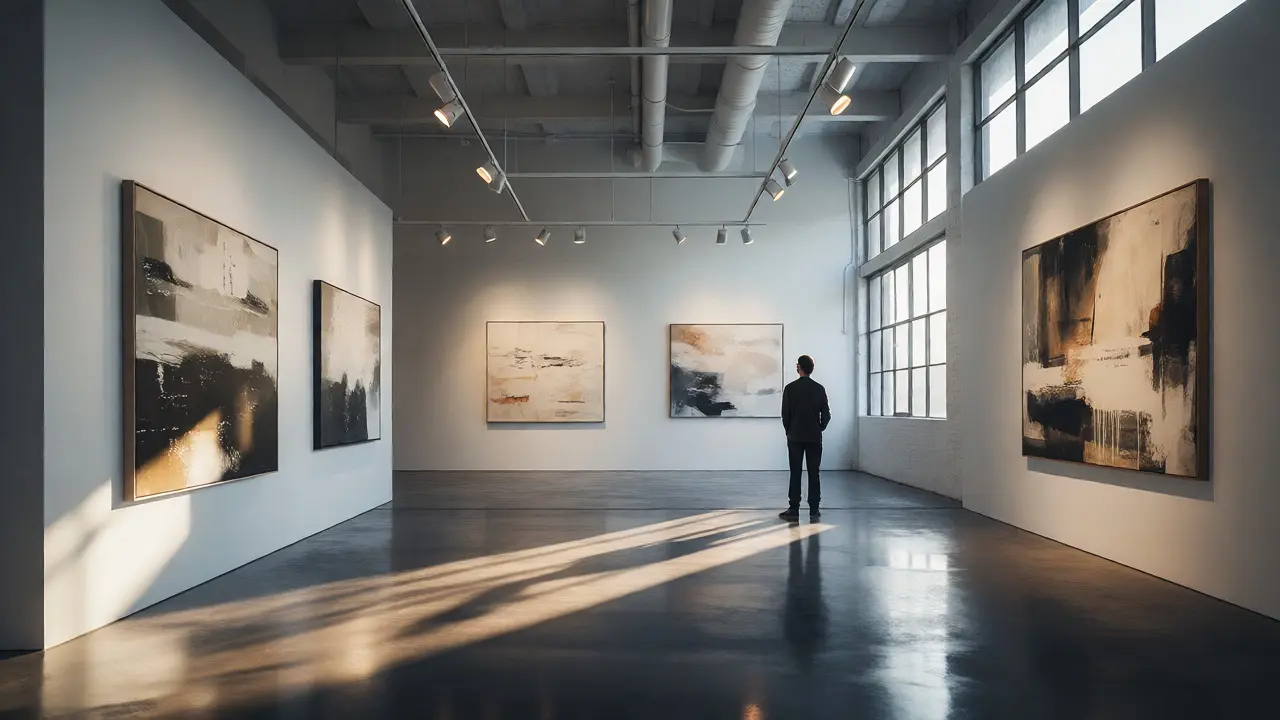
Imagine you’ve just spent six months curating the perfect exhibition. The lighting is dialed in, the walls are painted a specific shade of "gallery white," and your local collector base is finally starting to recognize your name. Then, your landlord drops the news: they’re selling the building, or worse, they’re not renewing your lease because a tech startup offered double the rent per square foot. For many art galleries, this isn’t a hypothetical nightmare-it’s a recurring reality driven by short-term commercial leases.
If you run a physical space for displaying art, you know that location is half the battle. But securing that location on favorable terms is the other half. This is where the long-term lease becomes your best friend. It’s not just about locking in a rent price; it’s about buying yourself time to build a brand, amortize expensive renovations, and create a stable environment for artists and collectors alike. Let’s break down why signing a multi-year contract might be the smartest move for your gallery’s survival and growth.
Why Short-Term Leases Hurt Art Businesses
Most new gallery owners start small. You find a charming storefront with low overhead, sign a one-year lease, and hope for the best. It feels safe. But here’s the problem: galleries are capital-intensive businesses with slow revenue cycles. You don’t sell inventory like a coffee shop does every hour. You wait weeks or months for a sale. When you’re on a one-year lease, you’re constantly living in fear of the next renewal negotiation.
This instability creates a ripple effect. If you can’t predict your housing costs two years out, how can you plan your exhibition schedule? How can you commit to a residency program? How can you tell an artist, "I believe in your work enough to hang it exclusively for three months"? Short-term leases force you into reactive mode. You spend energy worrying about rent hikes instead of focusing on sales and community engagement. In major cities like New York, London, or even Portland, Oregon, commercial rents have fluctuated wildly in recent years. A 10% annual increase sounds manageable until it compounds over three years, eating into margins that were already thin.
The Financial Case for Long-Term Commitments
Let’s talk numbers. When you sign a 5-to-10 year lease, you gain predictability. Landlords often offer better rates for longer commitments because they reduce their vacancy risk. They don’t want to pay brokers to re-lease the space every 12 months. They don’t want to deal with the wear and tear of moving tenants. So, they give you a discount-often called a "rent concession" or simply a lower base rate-in exchange for your commitment.
Consider the cost of Tenant Improvements (TI). These are the modifications you make to the space to suit your needs: installing track lighting systems, reinforcing floors for heavy sculptures, adding climate control for humidity-sensitive works, or building custom cabinetry for storage. These upgrades can cost tens of thousands of dollars. On a one-year lease, those costs hit your books immediately, crushing your cash flow. On a five-year lease, you can amortize those expenses over the life of the contract. Suddenly, that $50,000 renovation looks like a $10,000 annual expense rather than a catastrophic blow.
| Factor | Short-Term Lease (1-3 Years) | Long-Term Lease (5-10 Years) |
|---|---|---|
| Rent Predictability | Low; subject to market spikes at renewal | High; fixed escalators (e.g., 3% annually) |
| Tenant Improvement ROI | Poor; high upfront cost with little time to recoup | Strong; costs spread over many years |
| Brand Equity | Weak; customers may perceive instability | Strong; signals permanence and trust |
| Negotiating Power | Low; limited leverage against landlord | Moderate; valuable as a stable anchor tenant |
Building Community and Trust Through Stability
Art is relational. Collectors buy from people they trust, and trust takes time to build. When a gallery disappears after two years, collectors feel burned. They hesitate to invest in your next show because they wonder if you’ll still be there when they want to pick up the piece. A long-term lease acts as a signal of intent. It tells the neighborhood, the artists, and the buyers: "We are here to stay."
This stability allows you to deepen relationships with local artists. Many emerging artists rely on galleries for consistent exposure. If you can guarantee them a slot in your calendar for the next three years, you become more attractive to represent them. You can also collaborate with neighboring businesses more effectively. A bakery next door is more likely to partner with you for an opening night event if they know you won’t be replaced by a vape shop in eighteen months. These local partnerships drive foot traffic and cross-pollination of audiences, which is vital for organic growth.
Strategic Advantages: Control Over Your Space
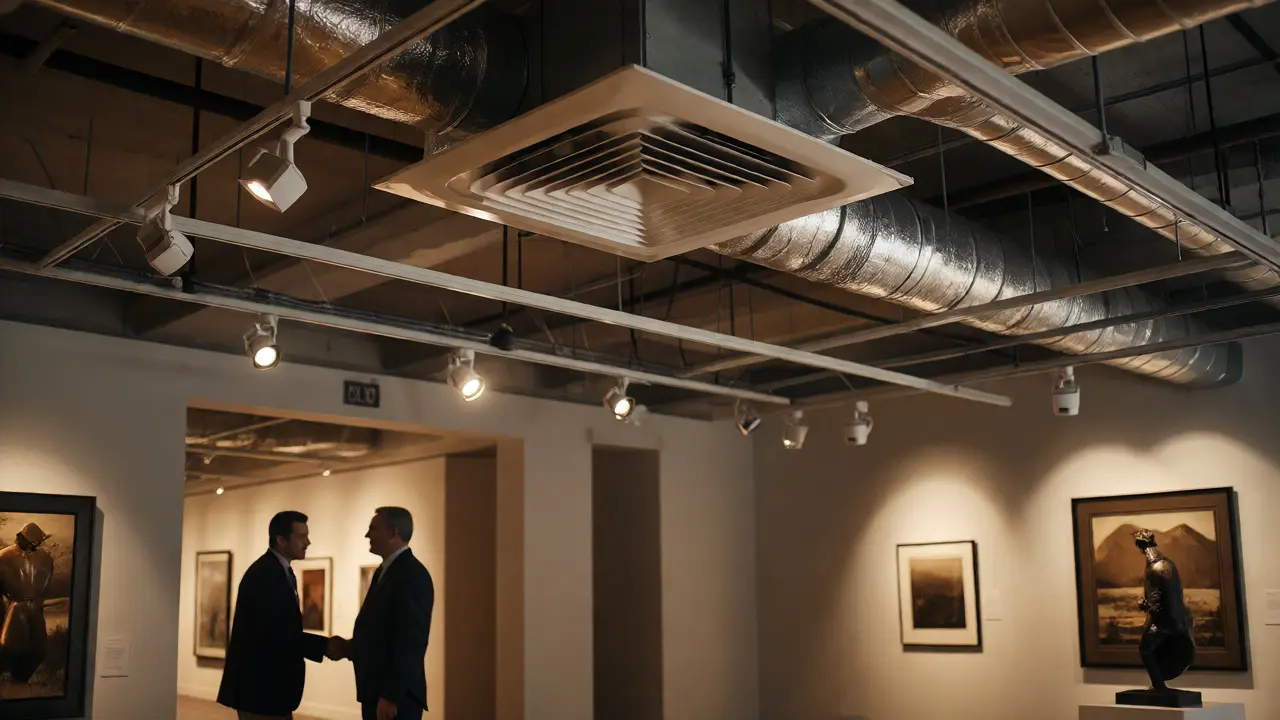
Galleries are unique commercial spaces. You need specific environmental controls. Humidity fluctuations can warp wood panels or crack oil paintings. Temperature swings can damage delicate media. Most landlords aren’t thrilled about tenants installing expensive HVAC systems or specialized lighting rigs. However, if you commit to a long-term lease, you have more leverage to negotiate these alterations.
With a longer term, you can argue that the improvements add value to the property. A well-maintained gallery with professional lighting and climate control raises the prestige of the entire building. Landlords often recognize this and may contribute to the improvement costs (known as a TI allowance) or agree to cap maintenance responsibilities. Furthermore, you avoid the disruption of moving. Moving art is risky. Insurance claims for damaged works during transit are common. By staying put, you eliminate this operational hazard entirely.
The Risks: What Could Go Wrong?
It’s not all sunshine and rainbows. Signing a long-term lease is a gamble too. What if the neighborhood changes? What if foot traffic dries up? What if your online sales grow so much that you no longer need the physical footprint? These are valid concerns. The biggest risk of a long-term lease is being stuck with a bad location or excessive square footage when your business model shifts.
To mitigate this, look for specific clauses in the contract. Ask for a break clause or termination option after year three or four. This gives you an exit ramp if things go south. Also, ensure the lease includes rights to sublet or assign the space. If you decide to pivot to a purely digital model, being able to sublease your gallery to another creative business (like a boutique or studio) can save you from paying rent on empty space.

Negotiating Tips for Gallery Owners
When you sit down to negotiate a long-term lease, come prepared. Don’t just accept the first offer. Here are a few tactics that have worked for gallery owners I’ve spoken with:
- Ask for Rent Abatements: Request free rent for the first 3-6 months. This helps cover your initial setup costs and eases cash flow while you build your audience.
- Cap Operating Expenses (OpEx): Ensure your share of taxes, insurance, and maintenance doesn’t skyrocket unexpectedly. Look for a "base year" stop, where you only pay increases above a certain baseline.
- Right of First Refusal: If the landlord plans to expand or lease adjacent space, ask for the right to match any offer before it goes to someone else. This protects your visual impact and prevents a noisy neighbor from ruining the vibe.
- Exclusive Use Clause: Prevent the landlord from leasing nearby units to direct competitors (other galleries) within the same building or complex.
Remember, the goal isn’t just to get the lowest rent. It’s to get the best total cost of ownership over ten years. A slightly higher rent with generous TI allowances and capped OpEx is often better than a rock-bottom rent with hidden fees and no flexibility.
Final Thoughts: Is Long-Term Right for You?
If you are a pop-up gallery testing a concept, stick to short-term agreements. But if you have a proven sales record, a loyal collector base, and a clear vision for your brand, a long-term lease is a strategic asset. It transforms your gallery from a temporary rental into a permanent fixture of the cultural landscape. It buys you peace of mind, allowing you to focus on what matters: showcasing great art and making sales.
Before you sign, consult with a commercial real estate attorney who understands the art world. Standard commercial leases often lack provisions for display rights, signage visibility, or noise restrictions (important if you host live events). Tailoring the contract to your specific needs ensures that your long-term commitment remains a benefit, not a burden.
How long should a gallery lease typically be?
For established galleries, 5 to 10 years is ideal. This duration allows for the amortization of significant tenant improvements and provides sufficient stability to build a strong brand reputation. Emerging galleries might consider 3-year terms with options to renew to balance security with flexibility.
What are Tenant Improvements (TI) in a gallery lease?
Tenant Improvements are modifications made to the leased space to suit the tenant's specific needs. For galleries, this often includes specialized lighting tracks, climate control systems, reinforced flooring, paint, and custom millwork. Landlords frequently provide a TI allowance (a lump sum or per-square-foot credit) to help offset these costs in long-term leases.
Can I break a long-term lease if my business fails?
Breaking a lease early usually incurs penalties, such as paying the remaining rent or a termination fee. However, you can negotiate a "break clause" or "termination option" in the contract, allowing you to exit the lease after a set period (e.g., 3 years) with notice. Subleasing the space is another viable strategy to mitigate financial loss without breaking the contract outright.
Do long-term leases protect against rent increases?
Yes, but only partially. Most long-term leases include fixed annual escalations (e.g., 3% per year) rather than resetting to market rates at each interval. This caps your exposure to sudden market spikes. Additionally, negotiating a "cap" on operating expenses (OpEx) prevents unexpected jumps in taxes and maintenance costs from inflating your total occupancy cost.
Is it harder to get a loan with a long-term lease?
No, lenders often view long-term leases favorably. A signed 5+ year lease demonstrates business stability and reduces the risk of closure due to displacement. This can improve your creditworthiness when applying for small business loans or lines of credit, as banks see a predictable obligation and a secure place of business.