Licensing for Small Brands: How to Use Micro-Deals and Templates
The Myth of the Million-Dollar Deal
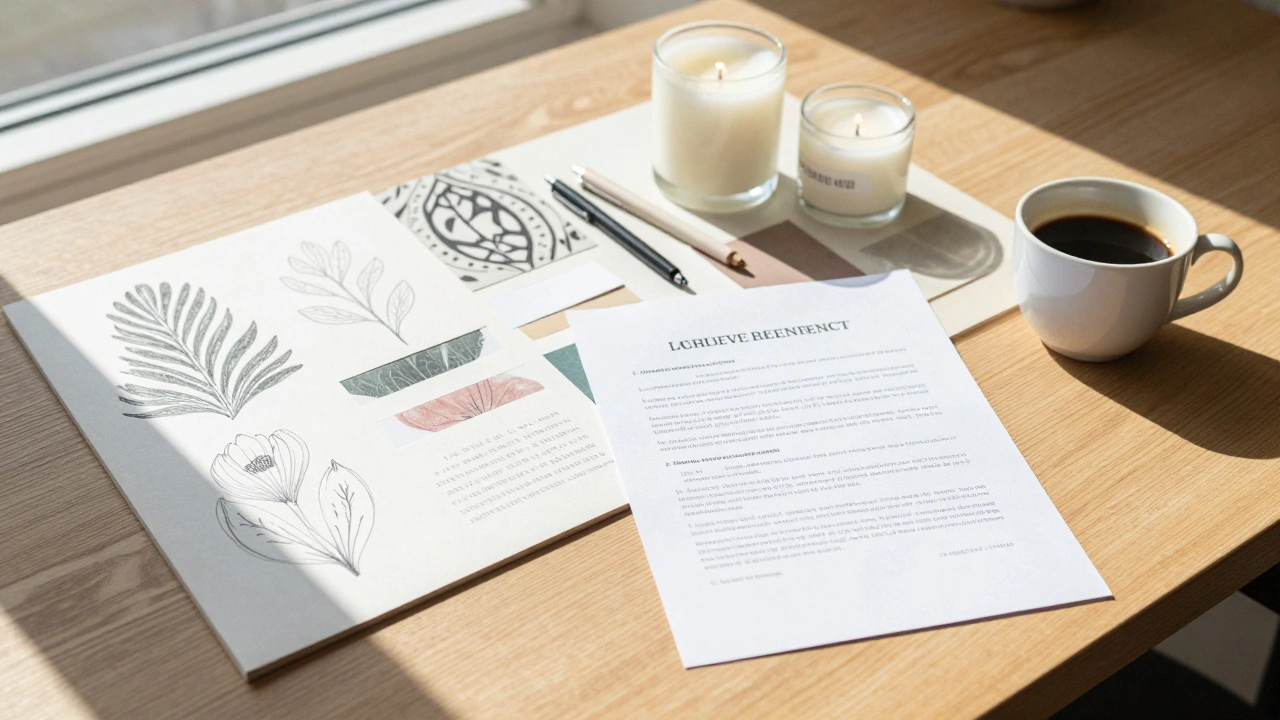
Most people think licensing is only for giants like Disney or Nike. They imagine high-rise offices and lawyers arguing over seven-figure advances. But that's not how the modern market works anymore. Today, the real growth is happening in the gaps-the small, agile partnerships where an indie illustrator teams up with a boutique candle maker, or a niche fitness influencer licenses their training method to a local gym chain. This is the world of micro-licensing deals, and it's where small brands can actually scale without risking their entire bank account.
The problem is that small brands often feel "too small" to approach a licensor, or creators feel their work isn't "big enough" to justify a contract. This hesitation leaves a lot of money on the table. You don't need a global distribution network to make a licensing deal work; you just need a clear set of rules and a template that doesn't take three months to negotiate.
Quick Wins: Key Takeaways
- Micro-deals focus on low-risk, high-speed execution rather than massive advances.
- Templates reduce legal friction, making it easier for small partners to say "yes."
- Tiered royalty structures allow brands to grow into the deal.
- Focusing on niche alignment beats chasing broad market appeal every time.
What Exactly Are Micro-Deals?
In the traditional world, Licensing is the legal process of granting permission to another party to use intellectual property in exchange for payment. A micro-deal is simply a stripped-down version of this. Instead of a five-year exclusive global contract, a micro-deal might be a six-month limited run for a specific product line in a single region.
Think of it as the "gig economy" version of brand partnerships. For example, if you're a graphic designer with a specific aesthetic, you might license a series of patterns to a small stationery brand for a limited-edition autumn collection. You aren't selling the art; you're renting the right to use it. The goal here is speed and experimentation. If the product flops, neither party is locked into a catastrophic long-term agreement. If it flies off the shelves, you have the data needed to negotiate a larger deal.
These deals usually swap the massive upfront "minimum guarantee" (MG) for a higher royalty percentage or a modest flat fee. This lowers the barrier to entry for the brand and allows the creator to maintain more control over their Intellectual Property, which is the intangible creations of the human intellect, such as copyrights and trademarks.
Using Templates to Kill Negotiation Friction
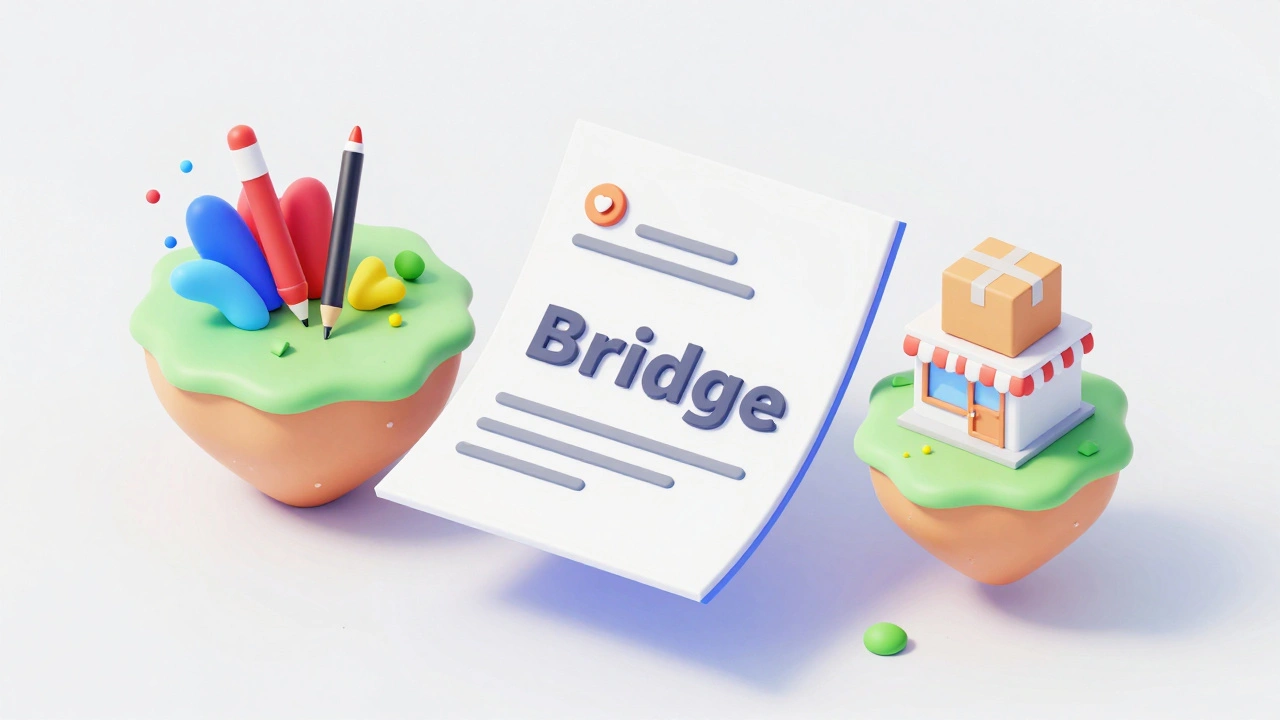
Nothing kills a small brand's momentum faster than a 40-page legal document that requires a law degree to understand. When you're dealing with micro-deals, the contract should be a bridge, not a wall. This is where Licensing Templates come in. A good template isn't a "one size fits all" document; it's a framework that defines the boundaries of the relationship.
A professional template for small brands should focus on four non-negotiable pillars: scope, duration, payment, and termination. If you're drafting one, avoid using archaic legal jargon like "heretofore" or "witnesseth." Instead, use plain English. Instead of saying "The Licensor shall grant a non-exclusive right," try "I am giving you permission to use these designs for X purpose." It feels more human and less intimidating to a small business owner who is nervous about legal traps.
| Feature | Traditional Licensing | Micro-Licensing |
|---|---|---|
| Contract Length | 3-10 Years | 3-12 Months |
| Payment Model | High Advance + Royalties | Flat Fee or Higher Royalties |
| Territory | Global / National | Specific Region / Online Only |
| Legal Overhead | Heavy Legal Review | Template-Based / Simplified |
By using a consistent template, you also build a "productized" service. If you're a creator, you can tell a potential partner, "I have a standard micro-deal framework that we can sign in ten minutes," which makes you look professional and easy to work with.
Structuring Your Payments: Royalties and Flat Fees
Deciding how to get paid is where most small-brand deals fall apart. There are three main ways to handle the money in a micro-deal, and the right choice depends on who is taking the most risk.
First, the Flat Fee. This is a one-time payment for a set period. It's great for the brand because they have a fixed cost. It's great for the creator because they get paid immediately. This is best for very short-term projects, like a single social media campaign or a limited-edition sticker set.
Second, the Royalty Percentage. This is a percentage of sales (usually 3% to 15% depending on the industry). For small brands, a higher royalty is often more attractive than a big upfront fee because it preserves their cash flow. However, the creator takes on more risk here-if the product doesn't sell, they make nothing. To mitigate this, some creators implement a "tiered royalty." For example, you get 5% on the first 1,000 units, and 8% on everything after that. This incentivizes the brand to push the product harder.
Third, the Hybrid Model. This is the "sweet spot." You charge a small upfront fee to cover your time and effort, plus a modest royalty on sales. It proves the brand is serious and ensures the creator is compensated regardless of the outcome. For instance, a small apparel brand might pay $500 upfront for the right to use a logo on 100 shirts, then pay a $2 royalty for every shirt sold beyond that initial batch.
Finding the Right Partner: Niche Alignment
The biggest mistake small brands make is trying to go too broad. If you're a micro-brand, you can't compete with the generic appeal of a mass-market product. Your strength is your specific, concentrated audience. When looking for licensing partners, look for complementary niches.
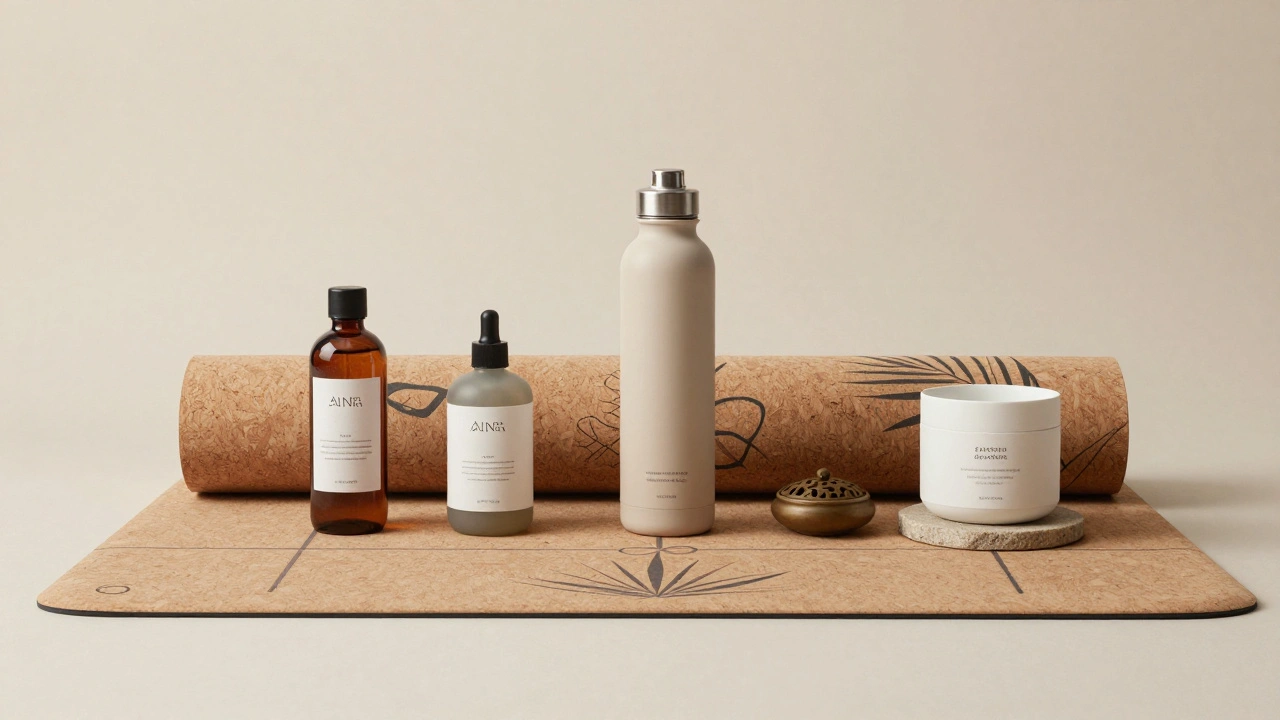
Imagine a small brand that makes high-end, sustainable yoga mats. They shouldn't just license "any" art. They should look for an artist whose work focuses on mindfulness, nature, or Zen aesthetics. The overlap in audience is where the magic happens. When the brand's identity and the licensor's identity align, the product feels authentic, not like a forced corporate crossover.
To find these partners, stop looking at the "big fish" and start looking at the "rising stars." Use platforms like Instagram or Behance to find creators who have a dedicated following but aren't yet signed to a major agency. These creators are often more open to micro-deals because they want to build their portfolio and reach new audiences. It's a symbiotic relationship: the brand gets a unique design, and the creator gets their work in front of a new customer base.
Avoiding Common Micro-Deal Pitfalls
Even with a simple template, things can go sideways if you aren't careful. The most common issue is "Scope Creep." This happens when a brand licenses a design for t-shirts, but then decides to put it on mugs, hats, and phone cases without discussing it with the creator. To prevent this, your template must explicitly list the "Approved Products." If it's not on the list, it's not licensed.
Another trap is the lack of Reporting Transparency. Since you're trusting a small brand to tell you how many items they sold, you need a simple way to verify those numbers. In a micro-deal, you don't need a full forensic audit, but you should require a quarterly sales report. A pro tip: ask the brand to provide a screenshot of their Shopify or Amazon sales dashboard for that specific SKU. It's fast, it's honest, and it keeps everyone accountable.
Finally, be wary of Exclusivity. In the world of micro-deals, exclusivity is expensive. If a small brand wants to be the *only* one using your art, they should pay a premium. For most small-scale partnerships, "non-exclusive" is the way to go. This allows the creator to license the same work to a different brand in a completely different industry (e.g., a candle company and a stationery company), maximizing their income without diluting the brand's value.
Next Steps for Growing Your Brand
If you're ready to start, don't overthink the legal side. Start by listing your assets-what do you own that someone else would want to use? Then, identify three brands that share your target audience. Reach out with a clear proposal: "I love your products, and I think my designs would fit your brand perfectly. I use a simple micro-deal framework that allows us to test a limited run with very low risk."
Once the first deal is signed and the product is live, use that success as a case study. The goal of a micro-deal isn't just the immediate payment; it's the proof of concept. Once you have three successful micro-deals under your belt, you have the leverage to move toward larger, more lucrative licensing agreements.
What is the difference between a license and a sale?
In a sale, you transfer the entire ownership of the work to the buyer. Once it's sold, you no longer own the copyright. In a license, you retain the ownership but grant the other party permission to use the work under specific conditions (time, geography, and product type). This allows you to license the same work to multiple different partners.
How much should I charge for a micro-licensing royalty?
Royalties vary wildly by industry, but for small brands and micro-deals, 5% to 15% of gross sales is common. If you aren't asking for an upfront fee, you should aim for the higher end of that range. If you're providing a very famous "micro-influencer" brand, you can push for more. If you are an emerging artist, 7-10% is a fair starting point.
Can I use a free template from the internet?
You can use them as a starting point, but be careful. Many free templates are designed for huge corporations and are far too complex for micro-deals. Ensure your template is written in plain English and clearly defines the scope of use, the payment terms, and how the deal ends. It's often better to have a simple, clear agreement that both parties actually understand than a complex one that they ignore.
What happens if the brand doesn't pay the royalties?
This is why your contract should include a termination clause. If the brand fails to pay or report sales for a specific period (e.g., 30 days past the deadline), the license should automatically revoke. This means they no longer have the legal right to sell the product, and any further sales would be a copyright infringement, giving you significant leverage to collect your money.
Do I need a lawyer for a micro-deal?
For very small, low-risk deals, a well-structured template is often sufficient. However, if the deal involves a significant amount of money or high-risk products, having a lawyer review your template once is a smart investment. You don't need a lawyer for every single deal-just one to help you build a solid framework that you can reuse for all your micro-partnerships.