Lead Capture on Online Galleries: Popups and Gated Catalogs
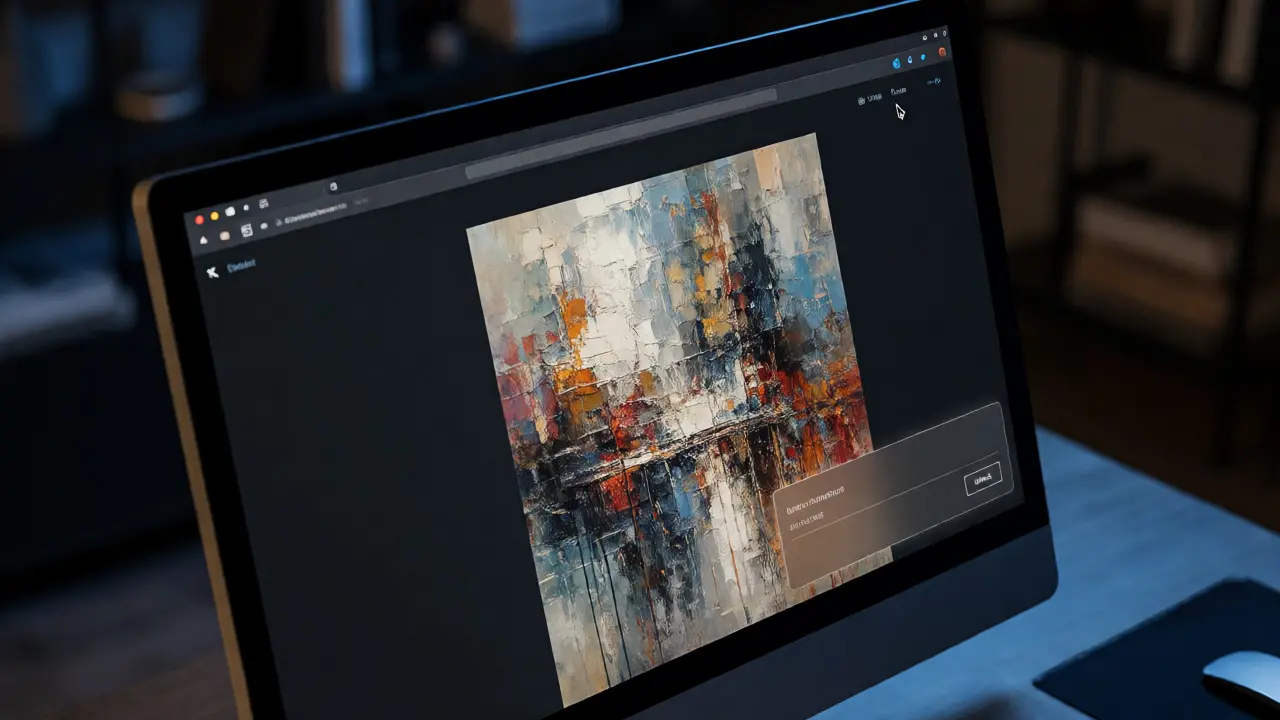
Imagine a serious collector lands on your online gallery a digital platform showcasing artworks for sale or exhibition. They scroll through high-resolution images, read the artist bios, and hover over price tags. Then they close the tab. Gone. No name, no email, no clue if they were just browsing or ready to buy a $5,000 sculpture. This is the silent leak in most digital art businesses. You’re treating your website like a museum wall-passive and open-when it should be a conversation starter.
The core problem isn’t traffic; it’s conversion of anonymous visitors into known leads. In the physical world, a gallery owner asks, "Can I get your card?" before you leave. Online, that social pressure vanishes. Two primary tools bridge this gap: strategic popups and gated catalogs. But using them wrong can annoy collectors so much they never return. Let’s break down how to use these tools without killing the vibe.
Why Anonymous Traffic Fails Art Sales
Art buying is rarely an impulse purchase. It’s emotional, often expensive, and usually involves research. If you don’t know who visited, you can’t follow up. A visitor might need three weeks to decide if that abstract painting fits their living room. Without an email address, that opportunity evaporates. Data from digital commerce benchmarks shows that capturing even 1% of traffic as leads can double revenue when paired with proper nurturing. For galleries, where average order values are high, one captured lead could equal ten months of hosting fees.
Consider the buyer journey. It starts with discovery (Instagram ads, SEO), moves to consideration (viewing works, reading about artists), and ends in decision (inquiry or purchase). Most drop-offs happen between consideration and decision. Your job is to build a bridge across that chasm. That bridge is data exchange: value for contact info.
The Popup Strategy: Timing Over Aggression
Popups get a bad rap because most sites use them like billboards screaming at drivers. "Sign up now!" pops up before the page even loads. In the art world, context is everything. A popup asking for an email while someone is trying to zoom in on brushstroke details feels intrusive. The key is timing and intent signals.
Instead of immediate triggers, use exit-intent technology. When the mouse cursor moves toward the browser’s close button or URL bar, a subtle overlay appears. What does it offer? Not just a newsletter. Offer something specific to the artwork they viewed. If they looked at a landscape series, offer a PDF guide titled "How to Style Landscape Art in Modern Interiors." This shifts the dynamic from "give me your data" to "here’s help for your project."
| Trigger Type | Best Use Case | Conversion Rate Potential | User Experience Risk |
|---|---|---|---|
| Time-Delayed (30s) | Blogs & Artist Bios | Medium (2-4%) | Low if relevant content offered |
| Exit-Intent | Product Pages & Home | High (5-8%) | Medium (can feel pushy) |
| Scroll Depth (50%) | Long-form Articles | Medium-High (3-6%) | Low |
| Click-Based | Exclusive Previews | Very High (10%+) | Very Low (user initiated) |
Another effective tactic is the "slide-in" box rather than a full-screen modal. It occupies less screen real estate, preserving the visual integrity of the artwork. Keep the form fields minimal. Ask only for First Name and Email. Every extra field drops conversion by roughly 10%. Remember, you’re not hiring an employee; you’re starting a dialogue.
Gated Catalogs: Exclusivity as Currency
If popups are quick nudges, gated catalogs digital inventory lists requiring user registration to access pricing or full details are heavy lifting. This approach hides prices behind a login or sign-up form. It’s controversial. Some argue it creates friction; others say it filters out tire-kickers. For mid-to-high-end galleries, gating often works better than open pricing.
Why gate? Because art pricing is nuanced. It depends on edition size, provenance, and condition. Showing a raw number might scare off beginners or undervalue rare pieces. By gating the catalog, you control the narrative. You also gain leverage. When a user unlocks the price list, you’ve identified them as a qualified lead. Now your sales team can reach out personally: "I saw you unlocked our Spring Collection. Did any pieces catch your eye?"
However, gating requires strict rules. Never gate the homepage hero image or the top three featured works. These are your bait. Gate the deep archive, the sold-out works (for market reference), and the detailed spec sheets. If a user has to register to see if a work is even available, you’ll lose mobile users instantly. Test this rigorously. If bounce rates spike after implementing gating, loosen the restrictions immediately.

Value Exchange: What Are You Really Selling?
Collectors don’t want newsletters. They hate clutter. If you ask for an email, you must provide immediate, tangible value. Generic "Join our mailing list" copy converts poorly. Specific offers convert well. Here are three high-performing lead magnets for online galleries:
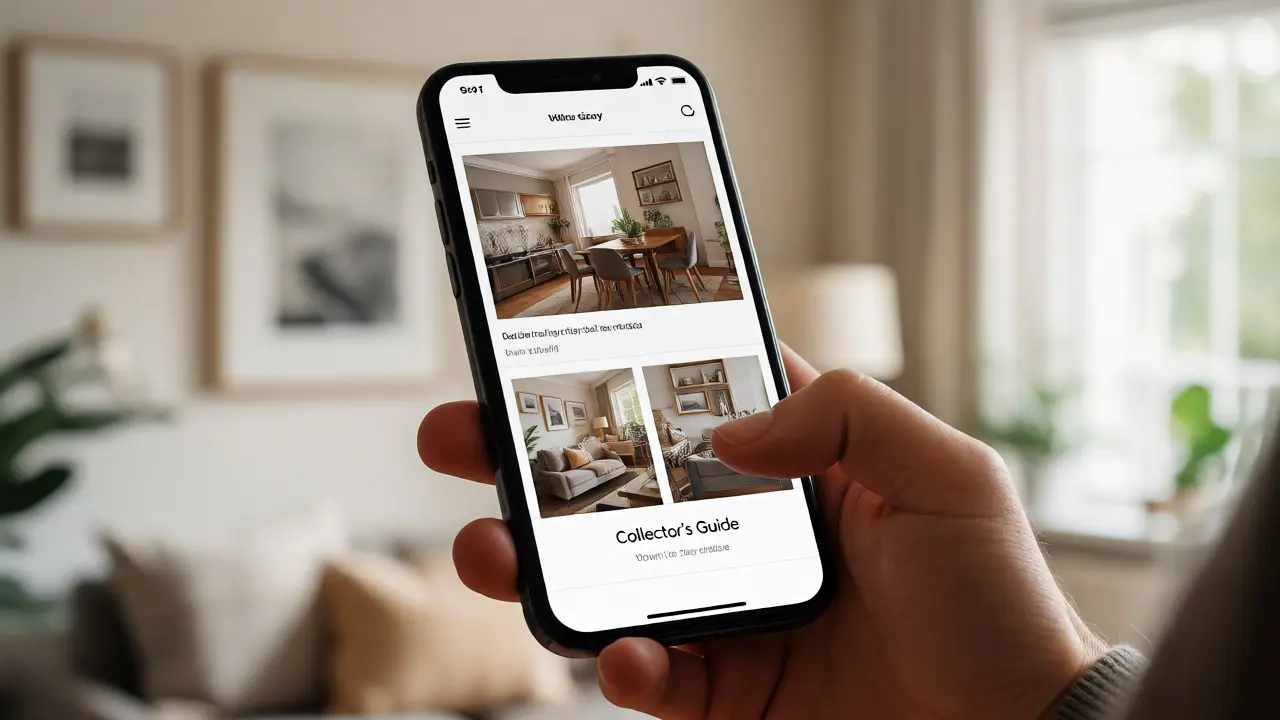
- The Collector’s Guide: A downloadable PDF explaining how to assess investment-grade art. Topics include authentication, framing tips, and insurance basics.
- Early Access Pass: Promise subscribers first dibs on new drops. In a limited-edition market, FOMO (Fear Of Missing Out) is a powerful driver. Make the exclusivity real-send emails 24 hours before public release.
- Virtual Studio Tours: Offer access to video interviews with artists discussing their process. This builds emotional connection, which drives higher lifetime value than transactional buyers.
Notice none of these are "discount codes." Art buyers are sensitive to discounts; it can cheapen the brand perception. Instead, sell access, knowledge, or priority. This positions your gallery as a resource, not just a store.
Technical Implementation and Mobile Reality
Over 60% of web traffic comes from mobile devices. On a phone, a popup covering half the screen is a usability disaster. Google penalizes intrusive interstitials on mobile search results. Ensure your popups are responsive. On smaller screens, use bottom-sheet banners instead of center modals. They allow users to dismiss easily without hunting for a tiny 'X' icon.
Integration matters too. Don’t let your lead capture tool live in a silo. Connect it to your CRM (Customer Relationship Management) system. When a lead signs up via a popup on a specific artist’s page, tag them in your database as "Interested in [Artist Name]." Later, when that artist releases new work, you send a targeted email. Blasting everyone with every update dilutes effectiveness. Segmentation based on viewing behavior turns generic blasts into personalized recommendations.
Measuring Success Beyond Clicks
Don’t just count sign-ups. Track quality. Set up UTM parameters for all lead sources. Analyze which pages generate the highest-quality leads (those who eventually inquire or buy). Often, blog posts about "How to Start Collecting" bring many leads but few buyers. Product pages bring fewer leads but higher intent. Allocate resources accordingly.
A/B test relentlessly. Try different headlines on your gated catalog: "View Prices" vs. "Unlock Exclusive Inventory." Measure not just conversion rate, but time-on-site after sign-up. If people sign up and leave immediately, your value proposition was misleading. If they stay and browse more, you’ve successfully engaged them.
Pitfalls to Avoid
First, don’t hide essential information. Hiding availability status frustrates users. Show "Available" or "Sold" openly; gate only the price or high-res downloads. Second, avoid aggressive retargeting. If someone closes your popup twice, stop showing it. There’s nothing worse than chasing a visitor with a banner ad that says "You forgot your email!" Third, respect GDPR and CCPA regulations. Clear consent checkboxes are mandatory in many regions. Transparency builds trust, which is the currency of art sales.
Finally, remember that lead capture is a marathon. You’re building a community of collectors, not just filling a spreadsheet. Treat every email address as a relationship seed. Nurture it with relevance, not noise.
Should I hide prices on my online gallery?
It depends on your price point. For accessible art (under $1,000), transparency encourages impulse buys. For fine art ($5,000+), hiding prices behind a gate helps filter serious inquiries and allows for negotiation or contextual explanation of value. Always test both approaches with your specific audience.
What is the best incentive for art gallery popups?
Avoid discounts. Instead, offer exclusive access such as early notification of new collections, downloadable guides on collecting, or invitations to virtual opening nights. These incentives appeal to the collector's desire for status and knowledge rather than just savings.
How do popups affect SEO rankings?
Google may penalize pages with intrusive interstitials that cover main content immediately upon landing on mobile. To mitigate this, use exit-intent popups, delay appearance by several seconds, or ensure the popup can be easily dismissed. Proper implementation generally has a neutral or positive impact on SEO due to increased engagement metrics.
Is a gated catalog annoying to users?
It can be if implemented poorly. Users dislike friction when seeking basic info. To reduce annoyance, keep the registration form short (email only), clearly state what they gain (access to full inventory/pricing), and ensure the transition is smooth. Offering a "guest view" option can also balance privacy concerns with accessibility.
How often should I email my captured leads?
For art galleries, once every two weeks is a safe baseline. More frequent emails risk unsubscribes unless you have urgent news (e.g., last chance to buy). Focus on quality content-artist stories, collection highlights-rather than hard sells. Monitor open rates; if they drop below 20%, reduce frequency.