Interviewing Artists for Critical Essays: Best Questions to Ask
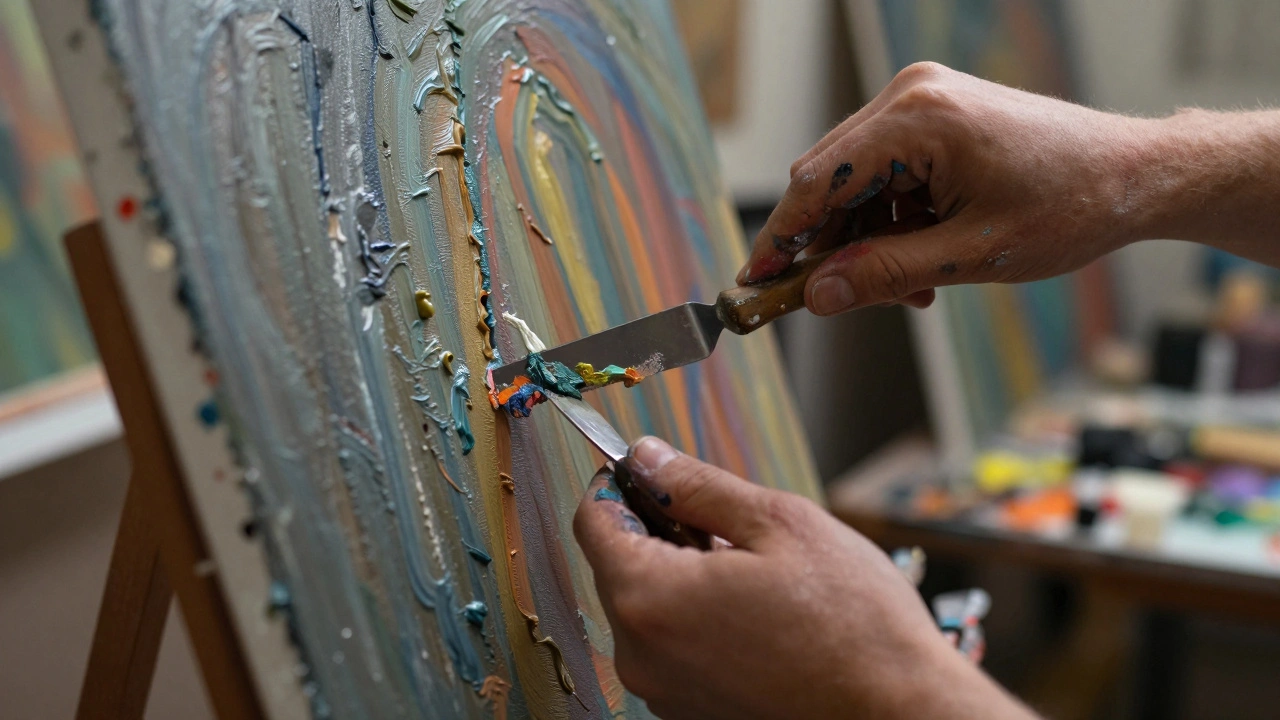
Most artist interviews read like press releases. You ask about the inspiration, they give a vague answer about "process," and you end up with content that adds nothing to your critical essay. If you want to write an essay that actually critiques the work rather than just describing it, you need to stop asking generic questions. You need to dig into the friction points of their practice.
I’ve spent years covering the scene here in Portland and beyond, watching writers struggle to get past the surface level. The truth is, artists are often bad at explaining their own work because they think in images, not words. Your job isn’t to make them articulate; it’s to provoke them into revealing the decisions behind the image. This changes everything about how you approach the conversation.
Moving Beyond the "Inspiration" Trap
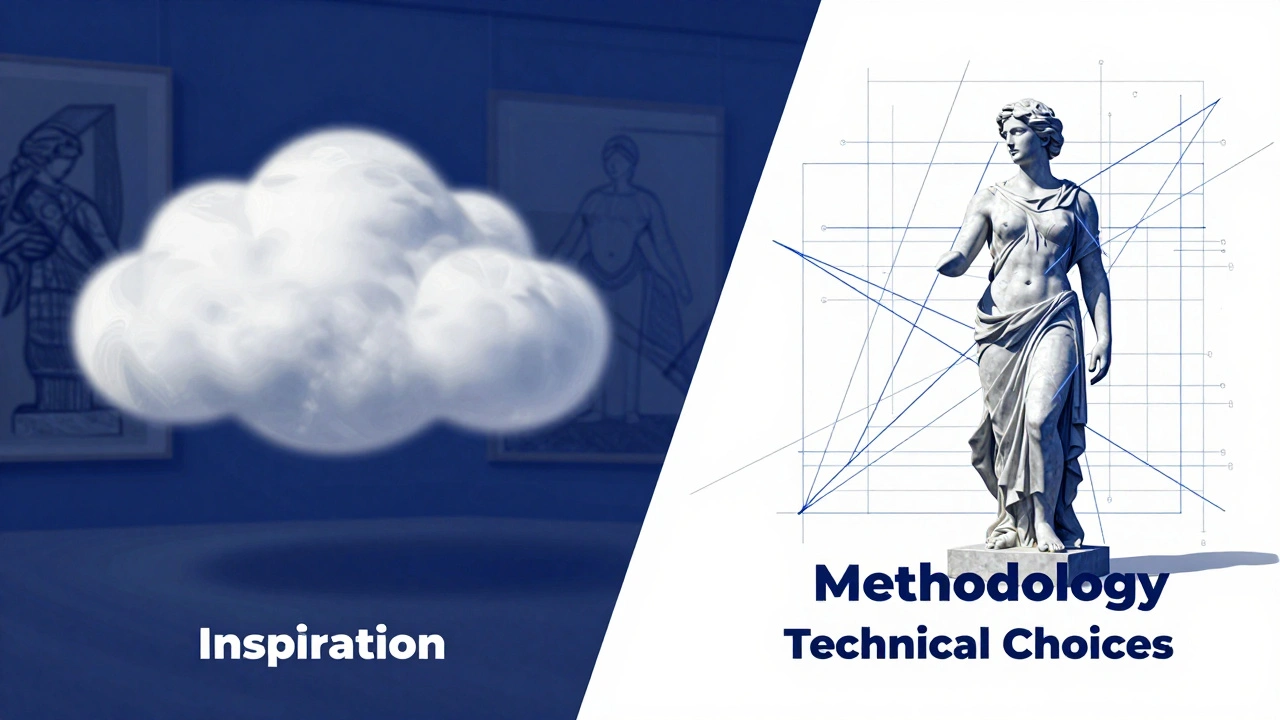
The biggest mistake writers make is asking, "What inspired this piece?" It’s a polite question, but it’s useless for critical analysis. Inspiration is abstract. It doesn’t help you understand why the artist chose oil over acrylic, or why they cropped the figure out of the frame. Instead, focus on material constraints and technical choices.
Ask them about the moment they almost abandoned the work. Every serious project has a point where it feels broken. When you ask, "What was the hardest part of making this specific piece?" you force the artist to discuss problem-solving. That’s where the real insight lies. Did they struggle with color harmony? Did the structure fail twice before holding? These details give you concrete evidence for your essay. They show the tension between intent and execution, which is the heart of good criticism.
Consider the difference between these two approaches:
- Weak: "Where did you get the idea for this series?"
- Strong: "At what point did you decide to limit the palette to only black and white, and what did that restriction force you to emphasize?"
The second question demands a specific answer. It gives you something to analyze. It moves the conversation from biography to methodology.
Interrogating the Process and Materiality
In contemporary art criticism, the medium is rarely neutral. The material itself carries meaning. If an artist uses found objects, digital code, or traditional marble, that choice is part of the statement. You need to unpack that.
Ask about the physical resistance of the materials. For example, if you’re interviewing a sculptor working with clay, ask how the drying time dictated the form. If it’s a digital artist, ask how the software’s limitations shaped the final output. These questions reveal the dialogue between the maker and the medium.
| Avoid (Generic) | Pursue (Critical) |
|---|---|
| "Tell me about your background." | "How does your training in engineering influence your approach to spatial composition?" |
| "What do you hope viewers feel?" | "What reaction are you trying to disrupt in the viewer?" |
| "Is this autobiographical?" | "To what extent is the narrative constructed versus observed?" |
| "Who are your influences?" | "Which historical precedent are you actively arguing against in this work?" |
Notice how the effective questions assume the artist is already aware of the context. They don’t ask for a list of names; they ask for a relationship. This shifts the burden of proof onto the artist’s decisions, giving you more to work with in your writing.
Contextualizing Within Art History
An artwork doesn’t exist in a vacuum. It sits inside a lineage of ideas, movements, and market forces. A strong critical essay places the work in conversation with what came before. But don’t just ask, "Who are your influences?" That leads to name-dropping. Instead, ask about art historical tensions.
Try asking: "There’s a long tradition of [specific technique/theme] in modernism. How does your work complicate or reject that tradition?" This forces the artist to position themselves within a broader discourse. Even if they say, "I don’t think about art history," that’s a valuable data point. It tells you they are operating outside established frameworks, which is a critical stance in itself.
If the artist is working in a genre like portraiture, ask them about the politics of representation. If they’re doing abstract expressionism, ask about the myth of the heroic gesture. By linking their work to larger debates, you elevate your essay from description to argument. You’re no longer just reporting; you’re contextualizing.
Unpacking Intent Versus Reception
One of the most fruitful areas for criticism is the gap between what the artist intended and what the audience perceives. Artists often have very specific intentions, but viewers interpret things differently. This gap is where meaning happens.
Ask the artist: "What is the most common misinterpretation of your work, and do you care?" This question is powerful because it reveals their awareness of the public sphere. Some artists are frustrated by misreadings; others welcome them as part of the work’s life. Their answer will tell you a lot about their ego and their theory of communication.
You can also ask about the role of ambiguity. "Did you leave certain elements open-ended to invite multiple readings, or was that a result of uncertainty during creation?" Distinguishing between strategic ambiguity and accidental confusion is crucial for a nuanced critique. It helps you determine whether the work is intellectually rigorous or simply underdeveloped.
The Politics and Economics of Making
We often ignore the economic realities of art production, but they shape the work profoundly. The size of the studio, the cost of materials, and the pressure to sell all influence the final product. Ignoring this makes your criticism naive.
Ask about the logistics of production. "How does the constraint of gallery wall space affect your scale?" or "Does the commercial demand for smaller, affordable pieces change your process?" These questions expose the tension between artistic vision and market viability.
In the current climate, many artists are navigating the gig economy while maintaining high-concept practices. Understanding this dual reality adds depth to your profile. It shows you respect the labor involved, not just the aesthetic outcome. This humanizes the critic and grounds the essay in reality.
Structuring the Conversation for Writing
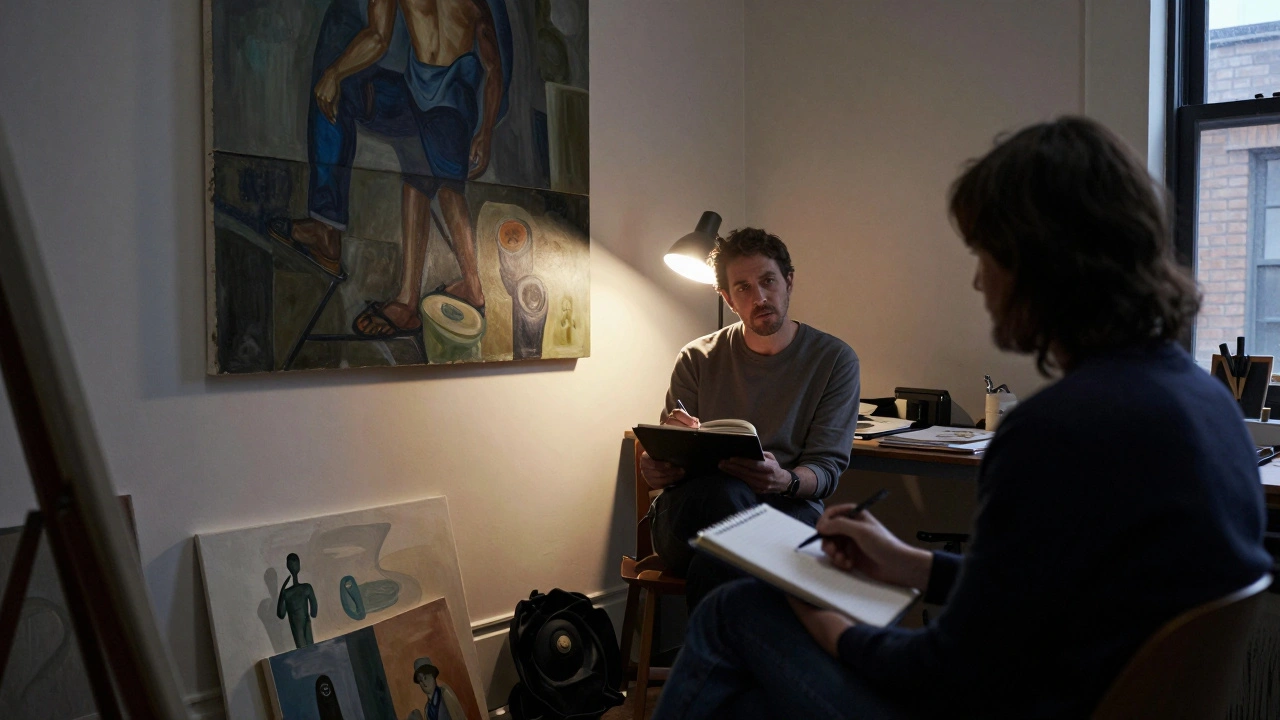
How you conduct the interview matters as much as what you ask. Don’t just fire off questions. Listen for contradictions. If an artist says they want to be political but their work is purely decorative, note that dissonance. That’s your hook.
Record the conversation if possible, but take notes on non-verbal cues. Did they hesitate when discussing a particular technique? Did they light up when talking about a specific failure? These moments often contain the most honest insights. Use them to anchor your quotes in your essay.
Finally, remember that silence is a tool. After they answer, wait five seconds. Often, they’ll add a clarifying thought or correct themselves. That unscripted addition is usually the gold mine you’re looking for. It’s raw, unfiltered, and far more useful than a rehearsed soundbite.
How do I handle an artist who won't answer direct questions?
If an artist deflects, pivot to observational questions. Say, "I noticed you used a lot of rough texture in this corner, but smooth finish elsewhere. Can you talk about that contrast?" Grounding the question in the visible object forces them to engage with the work rather than hiding behind abstraction.
Should I mention other artists during the interview?
Only if you have a specific comparative point. Avoid general comparisons like "You remind me of Basquiat." Instead, try, "Your use of line echoes X, but your color palette rejects their approach. Is that intentional?" Specificity invites precision; vagueness invites evasion.
What if the artist's explanation contradicts my interpretation?
That’s excellent for your essay. Document both views. Write, "The artist claims X, yet the visual evidence suggests Y." This tension creates a dynamic critical voice. It shows you’re engaging with the work independently, not just transcribing the artist’s PR.
How long should the interview last?
Aim for 45 to 60 minutes. Anything shorter lacks depth; anything longer risks fatigue and repetitive answers. Use the first 10 minutes to build rapport, the middle 30 for deep questioning, and the last 10 for follow-ups on surprising points.
Do I need to know art history to ask good questions?
You don’t need to be a scholar, but you need basic literacy. Knowing the difference between Impressionism and Expressionism, or understanding basic formal terms like negative space and chiaroscuro, allows you to ask precise questions. Research the artist’s specific field beforehand.