International Online Art Sales: Cross-Border Strategies for Global Reach
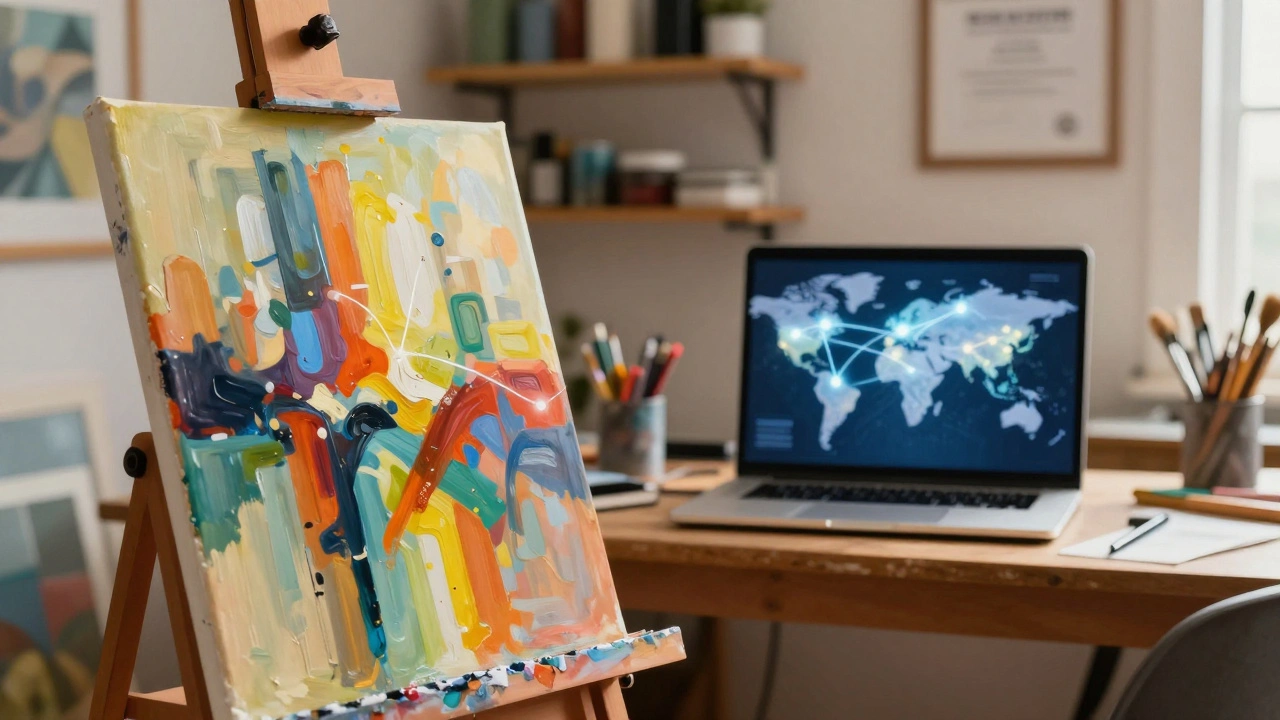
Selling a painting to a collector in Tokyo when you are based in Portland is no longer just a dream; it is a daily reality for thousands of artists. The global art market has shifted dramatically toward digital channels, with online sales accounting for a significant portion of transactions even for high-value pieces. However, moving physical goods across borders introduces a layer of complexity that domestic sales simply do not have. You are not just selling art; you are navigating international logistics, currency fluctuations, and varying legal standards.
The barrier isn't the art itself-it's the infrastructure surrounding it. Many talented creators fail to expand their reach because they underestimate the friction involved in cross-border commerce. From calculating accurate shipping costs to understanding import duties, every step requires precision. If you get these details wrong, your buyer might refuse the package, or worse, pay unexpected fees that damage your reputation. Let’s break down exactly how to build a robust system for international online art sales.
Choosing the Right Digital Marketplace
Your first decision is where to list your work. Not all platforms are created equal when it comes to international support. Some handle the logistics for you, while others leave you entirely on your own. Understanding this distinction is crucial for your operational workload.
| Platform | Fees (Approx.) | Shipping Support | Best For |
|---|---|---|---|
| Etsy | 6.5% transaction + listing fee | Buyer pays; seller arranges | Prints, small originals, affordable art |
| Saatchi Art | 35% commission | Integrated shipping labels | Original paintings, higher price points |
| Artnet | Variable (gallery dependent) | Professional logistics partners | Established artists, blue-chip market |
| Instagram/Facebook | 0% (direct sales) | None (fully manual) | Building brand, direct collector relationships |
If you are selling original oil paintings that weigh several pounds, a platform like Saatchi Art might be worth the higher commission because they streamline the shipping process. For smaller items like prints or ceramics, Etsy offers massive global traffic but requires you to manage every aspect of the post office run yourself. Your choice should align with your production volume and the weight of your inventory.
Navigating Shipping Logistics and Packaging
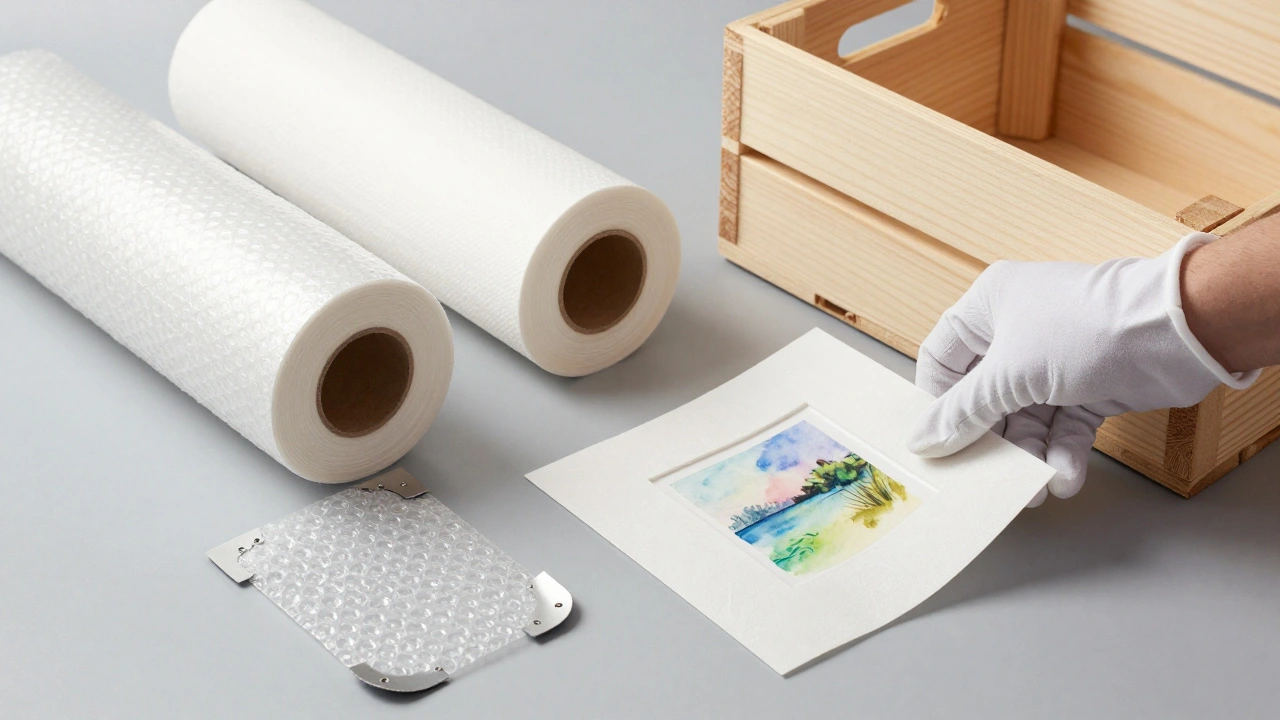
Shipping art internationally is an exercise in risk management. A standard cardboard box is rarely enough for a canvas or a framed piece. You need specialized packaging materials such as acid-free tissue paper, bubble wrap, and custom wooden crates for larger works. The goal is to ensure the artwork arrives in the exact condition it left your studio.
Cost calculation is where most sellers stumble. You cannot simply guess the shipping rate. Use tools from major carriers like UPS, FedEx, or regional postal services to get real-time quotes. Always include insurance. The cost of insuring a $1,000 painting might be $15-$20, but without it, you are liable for the full loss if the package vanishes or gets damaged in transit. Consider using third-party shipping aggregators like Pirate Ship or Shippo, which often provide discounted rates compared to walking into a retail store.
Transparency with the buyer is non-negotiable. Clearly state who pays for shipping. Some artists absorb the cost to make the final price look lower, while others pass it directly to the buyer. In cross-border sales, passing the cost is common due to the high variability of international freight charges. Make sure your product page clearly lists shipping destinations and estimated delivery times to avoid disputes later.
Taxation, Duties, and Legal Compliance
This is the most complex part of international art sales. When a package crosses a border, it enters the jurisdiction of the destination country’s customs authority. This triggers two potential costs: Value Added Tax (VAT) and import duties. It is critical to understand that these are usually the responsibility of the buyer, not the seller. However, if the buyer refuses to pay them, the package may be returned to you at your expense.
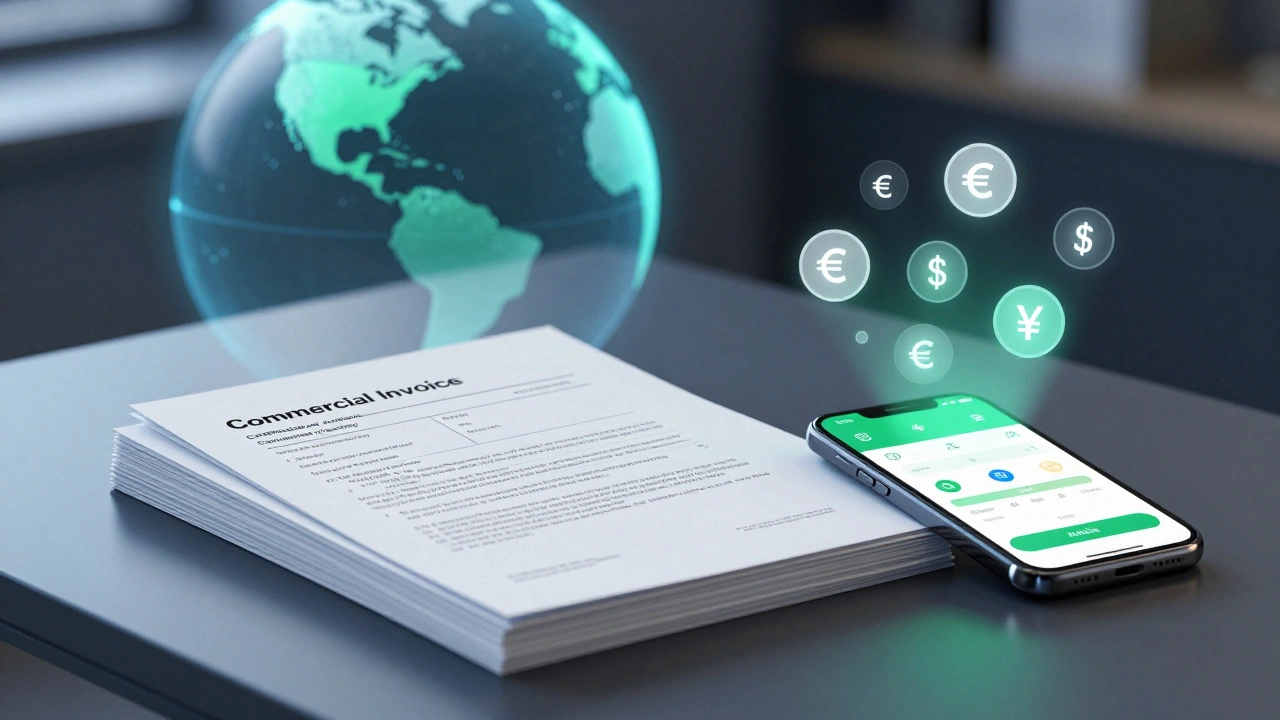
To mitigate this, use Incoterms (International Commercial Terms) in your sales policy. Specifically, "DDP" (Delivered Duty Paid) means you handle all taxes and duties, while "DAP" (Delivered at Place) means the buyer handles them. For most individual artists, DAP is safer because you cannot accurately predict every country’s specific tax laws. Clearly label your commercial invoices with the correct Harmonized System (HS) code for art. Mislabeling a painting as a "gift" to avoid taxes is illegal and can lead to seizures or blacklisting by customs agencies.
In the United States, you must also keep track of foreign sales for your IRS reporting. While you may not owe US income tax on sales made abroad, you still need to report the revenue. Consult with a tax professional who specializes in creative industries to set up proper bookkeeping systems early on.
Currency Conversion and Payment Security
Accepting payments from around the world exposes you to currency exchange risks. If you sell a piece for €1,000 and the Euro strengthens against the Dollar before you receive the funds, you gain value. If it weakens, you lose. Using a payment processor that offers multi-currency accounts, such as PayPal or Stripe, allows you to hold funds in the buyer’s local currency and convert them manually when the exchange rate is favorable.
Avoid letting your bank automatically convert currencies, as they typically offer poor exchange rates with hidden fees. Instead, enable the option for the buyer to pay in their local currency, but ensure your checkout page displays the equivalent amount in your home currency so you know exactly what you will earn after processing fees. This clarity prevents confusion and builds trust with international collectors who appreciate transparency.
Building Trust Across Cultures
International buyers cannot touch or see your art in person. They rely entirely on your digital presentation and reputation. High-resolution images are mandatory. Include photos of the artwork in natural light, close-ups of the texture, and shots showing the scale relative to everyday objects. Video walkthroughs of the piece add another layer of authenticity.
Communication style matters too. In some cultures, directness is valued; in others, politeness and relationship-building come first. Respond promptly to inquiries, even if just to say you will check back later. Providing a Certificate of Authenticity (COA) signed by you adds significant value and reassurance to international collectors who are investing in your work. Finally, leverage social proof. Encourage satisfied customers to leave reviews, especially those from different countries. Seeing a review from a buyer in London or Sydney helps potential customers in Europe or Asia feel more confident in purchasing from you.
Do I need a business license to sell art internationally?
In many jurisdictions, including the US, you can sell art as an individual without a formal business license initially. However, as your sales volume increases, registering as a sole proprietorship or LLC becomes advisable for liability protection and tax purposes. Check your local city and state regulations for specific requirements regarding home-based businesses.
How do I calculate the correct HS code for my art?
The Harmonized System (HS) code for original paintings is typically 9701.10. Prints and posters usually fall under 4911.10. Always verify the specific code with your national customs authority, as misclassification can lead to delays or fines. Including the correct code on your commercial invoice speeds up clearance.
What happens if my international art shipment is lost?
If you purchased insurance through your carrier, file a claim immediately with tracking numbers and proof of value (such as previous sales records or appraisals). Without insurance, recovery is unlikely. Always require signature confirmation upon delivery to prove the package was received.
Can I ship fragile art like ceramics internationally?
Yes, but it requires extensive packaging. Use double-boxing techniques with ample cushioning material. Label the package clearly as "Fragile" and "This Way Up." Consider using specialized art shippers for high-value ceramic pieces rather than standard postal services to minimize breakage risk.
How do I handle returns for international orders?
Most artists do not accept returns for original artworks due to the high cost of return shipping. Clearly state "No Returns" in your policies unless the item arrives damaged. For damaged items, guide the buyer to document the damage with photos before signing for the package, then initiate an insurance claim together.