Insurance Costs in the Art Market: Budgeting for Risk
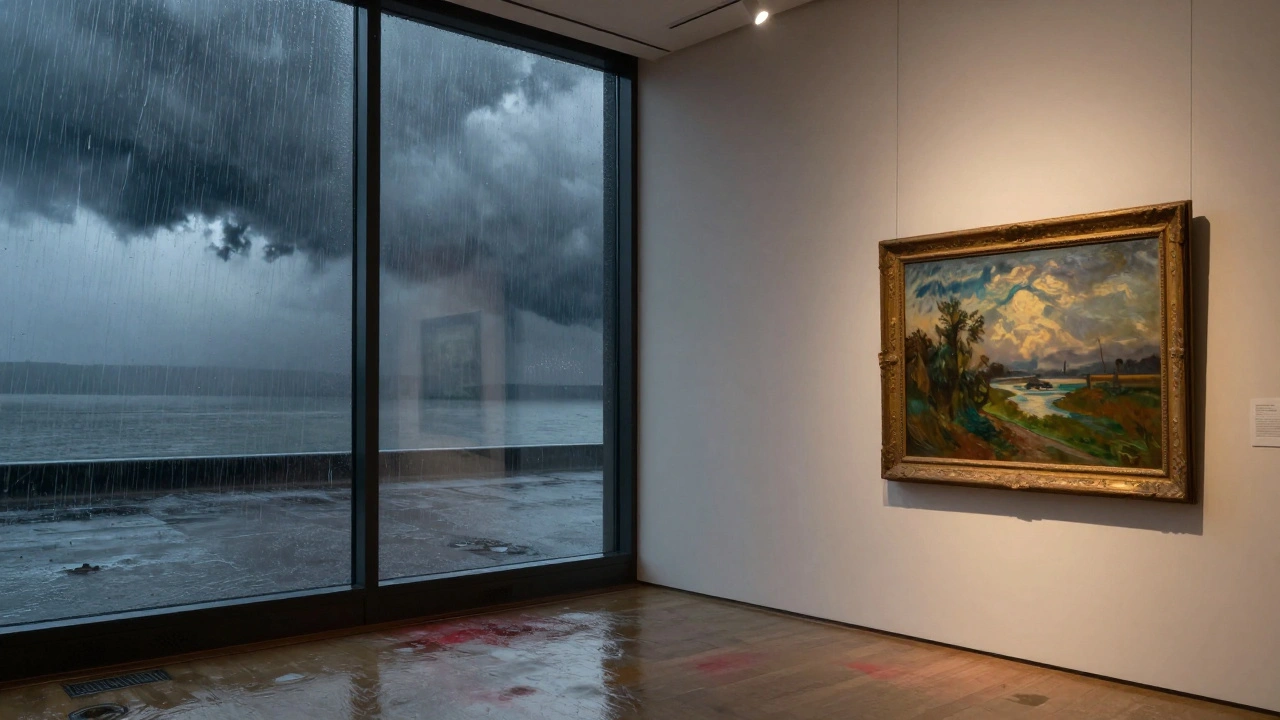
Did you know most collectors underestimate art insurance costs by 30-40%? In Portland’s growing art scene last year alone, 62% of galleries reported unexpected premiums due to overlooked storage clauses. Whether you’re a solo collector or running a studio, understanding Art Market Insurance isn’t optional-it’s your safety net against disasters like floods, theft, or that accidental red wine spill.
Why Traditional Policies Fail Artists and Galleries
Homeowners insurance might cover a Picasso hanging in your living room… if you declare its full value upfront. But insurers often cap art coverage at $500 without specialized endorsements. Galleries face worse pitfalls: standard business policies exclude "mysterious disappearance" or damage during exhibitions. Take Maria Chen, a Seattle painter who lost her $8K still life in a warehouse fire last March. Her basic renter’s policy paid zero-storage wasn’t listed.
Fine art specialists exist for reasons beyond jargon-heavy contracts. They handle nuanced scenarios like:
- Valuing unfinished pieces (using material + labor estimates)
- Covering loaned artworks for museum shows
- Protecting installations from climate-controlled freight shifts
| Policies Feature | Homeowner/Business Policy | Fine Art Specialist Policy |
|---|---|---|
| Mysterious Disappearance | No Coverage | Covered |
| Inland Transit (e.g., Gallery Delivery) | Partial ($250 limit) | Full Replacement |
| Accidental Damage During Exhibition | Excluded | Protected Up To Agreed Value |
| Appraisal-Dependent Payouts | Yes (Market Depreciation Applied) | No (Pre-Agreed Values Honored) |
The Hidden Math Behind Premium Calculations
That $300 monthly quote isn’t random. Insurers weigh four dynamic factors:
- Total Declared Value: A single Van Gogh replica in your office might trigger higher premiums than five modest originals spread across homes.
- Risk Profile Geography: Portland studios pay less than Miami Beach galleries (hurricane zones add ~22% surcharge).
- Storage Protocols: Climate control logs cut annual premiums by 15% per insurer data.
- Loss History: One prior claim? Rates jump 19% automatically. Three claims in seven years? You’ll need specialized underwriting.
Smart collectors negotiate "tiered valuations": group similar items by worth rather than listing every small work individually. This saves time during renewal appraisals too.
Budgeting Like a Pro: Beyond Basic Quotes
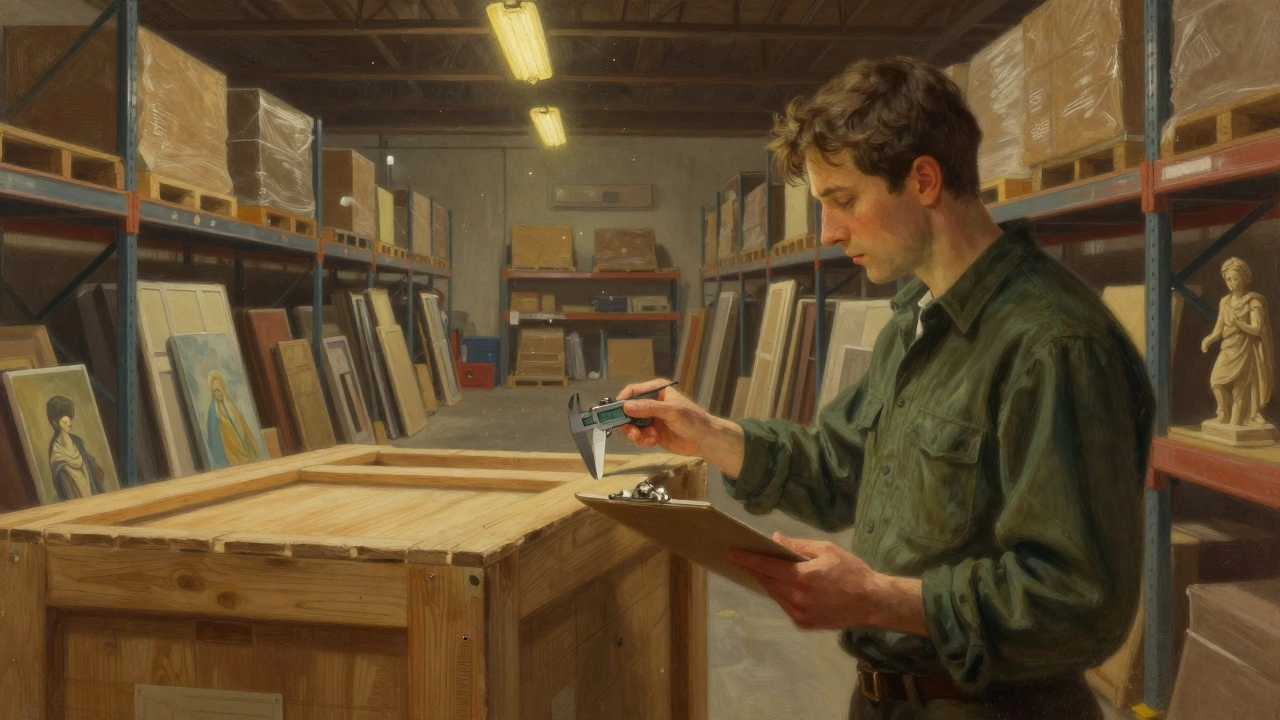
New York dealer Lisa Park learned hard after skipping flood zones maps. Her Chelsea showroom survived the 2024 Northeast storm season thanks to $75/month elevation coverage-but that was $4K less than she budgeted annually. Here’s how to forecast smartly:
Budgeting for Art Insurance breaks down into:- Base Premium: Typically 0.5%-1.5% of declared value/year
- Deductible Strategy: Higher deductibles lower monthly bills but test emergency funds
- Special Add-Ons:
- Conservation Services (repairs via accredited labs)
- International Temporary Coverage (for traveling exhibits)
- Cyber Extensions (protects digital portfolios from ransomware)
Portland artist James Kato uses spreadsheets tracking acquisition dates + local weather patterns. Before summer storms hit Willamette Valley, he pre-insures vulnerable acrylics with short-term riders costing just $48/month.
Navigating the Claims Maze After Disaster
Auction house records show 73% of art claims involve documentation gaps. Common failures:
- Missing professional photographs showing condition notes
- Ignoring "proof of ownership" deadlines within 48 hours
- Scheduling repairs without adjuster approval
Tips that worked for collectors:
"We keep QR-code-linked videos of each piece before shipment," says Vancouver gallerist Priya Mehta. "During transit disputes, footage bypasses appraisal delays entirely."
| Document Type | Required Timing | Consequence of Delay |
|---|---|---|
| Condition Report | Before Movement | Automatic Rejection |
| Photographic Evidence | Within 24 Hours Post-Incident | Reduced Settlement |
| Restoration Invoice Pre-Approval | Before Work Begins | Uncovered Costs |
When Specialized Policies Cost More Than Expected
Not every masterpiece fits cookie-cutter models. Abstract sculpture creators face unique hurdles: weight fluctuations during exhibitions, reactive materials needing humidity controls, or kinetic parts prone to mechanical failure. Custom carriers charge extra for:
- On-site engineer reviews (typically $350/hour)
- Certified installation technicians’ liability transfers
- Material-specific exclusion waivers
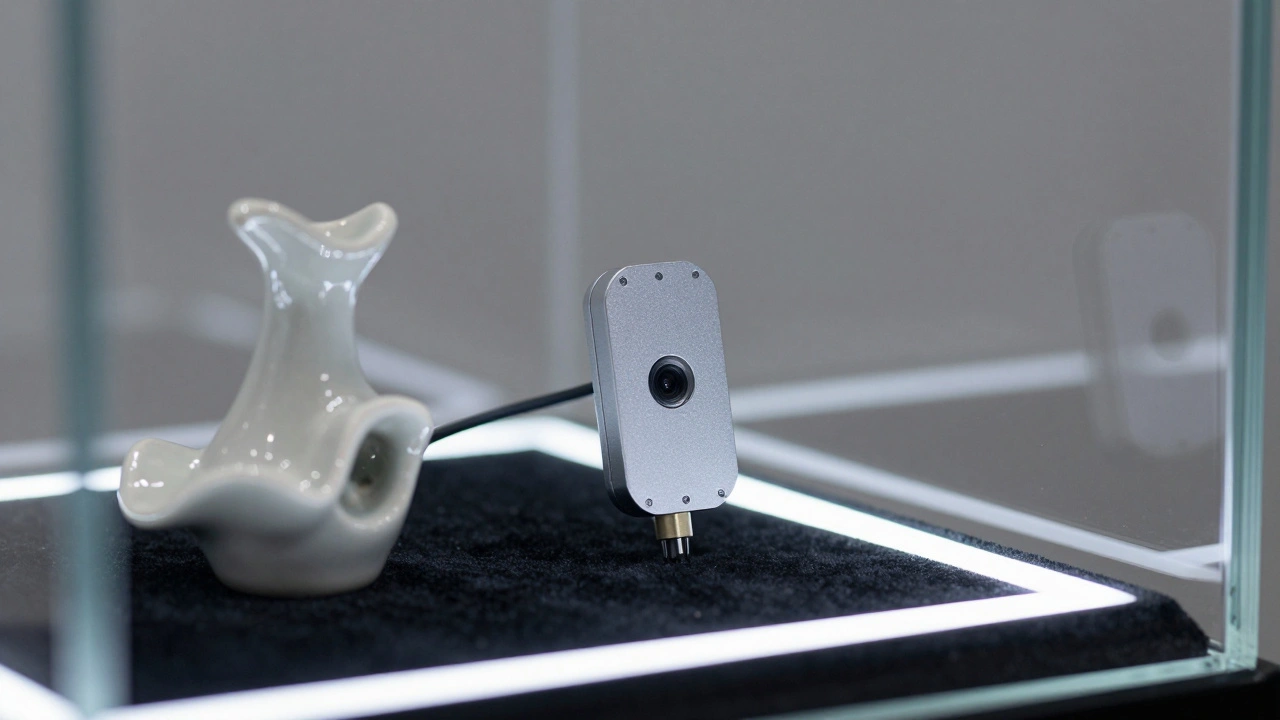
Lisa Park now bundles environmental monitoring sensors with her policy. Real-time alerts prevent costly mold growth claims-and satisfy audit requirements.
Your 2025 Risk-Proofing Checklist
Before signing anything, verify:
- ✅ Does valuation method match current market trends? (Ask for quarterly adjustment options)
- ✅ Are exhibition loans covered mid-transit between cities?
- ✅ Does storage clause name exact facility addresses?
- ✅ Is cyber threat response included for NFT-backed physical works?
Last-minute tip: Portland Arts Alliance members get bulk discounts on collective policies through their co-op program. Worth checking even if you’re newly insured.