Insurance Audits for Galleries: Prepare and Pass
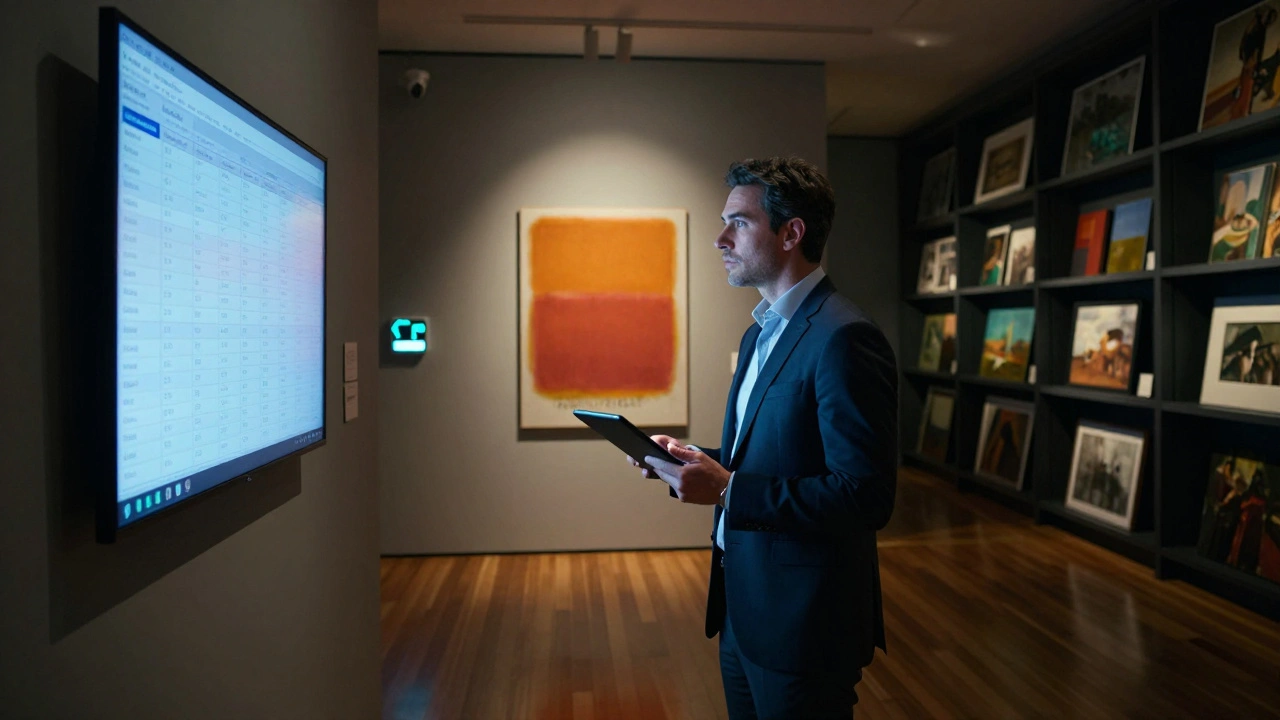
Running a gallery isn’t just about hanging art-it’s about protecting it. One misstep in documentation, valuation, or storage, and you could be left with a massive financial loss when something goes wrong. Insurance audits for galleries aren’t optional. They’re the checkpoint that separates galleries that survive from those that collapse after a single incident.
Why Galleries Get Audited
Insurance companies don’t audit galleries because they’re suspicious. They do it because art is uniquely risky. A single painting can be worth more than a house. A climate control failure can ruin dozens of pieces in hours. A shipping accident can wipe out a month’s revenue. Most galleries carry fine art insurance, but policies aren’t one-size-fits-all. Insurers need to know exactly what they’re covering. An audit confirms your inventory matches your policy. It checks that your security, storage, and handling practices actually reduce risk. If you can’t prove your setup works, your claim might get denied. The last thing you want is to lose a $2 million Rothko and find out your insurer only covers up to $500,000 because your last inventory update was three years ago.What Happens During an Audit
An audit typically starts with a notice from your insurer. You’ll have 30 to 60 days to prepare. The auditor-usually a specialist in fine art risk-will ask for:- A complete, current inventory of all artworks on display, in storage, or in transit
- Proof of valuation for each piece (appraisals, receipts, auction records)
- Documentation of security systems (cameras, alarms, access logs)
- Climate control records (temperature, humidity logs for at least the past year)
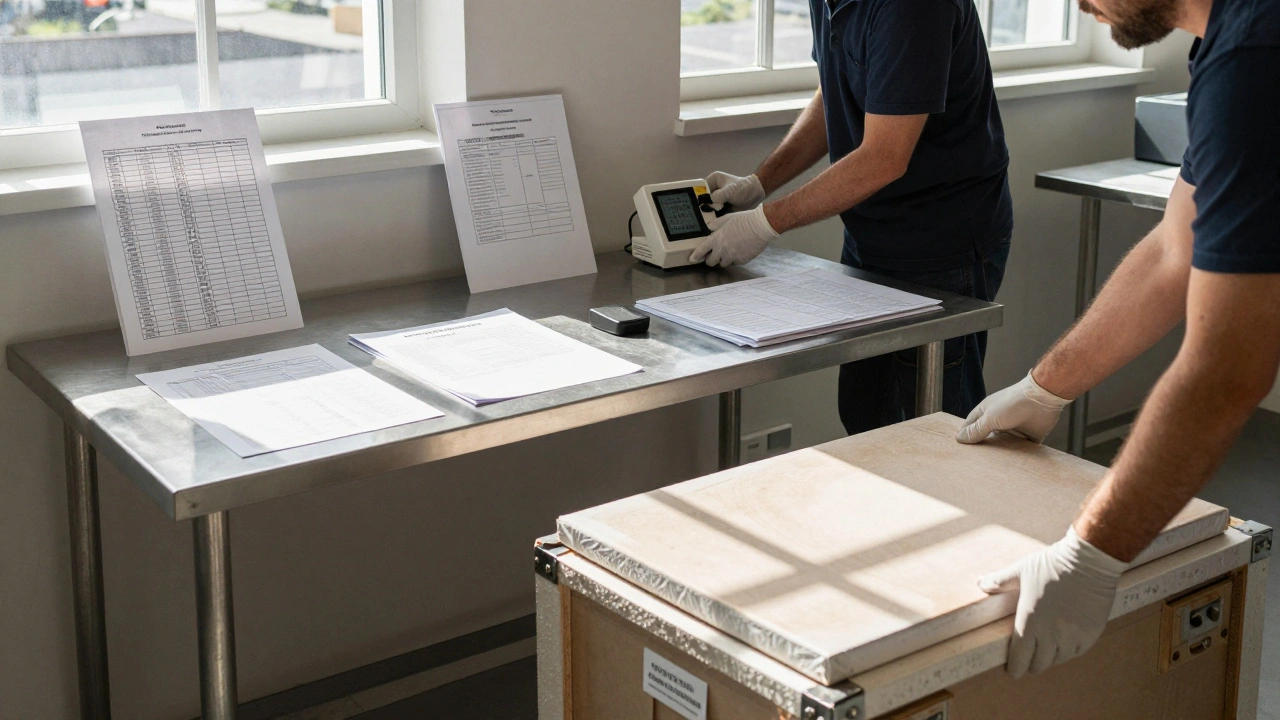
- Shipping and handling protocols (packaging materials, courier contracts, staff training records)
- Insurance policy copies and past claims history
How to Prepare: The 5-Step Checklist
You can’t wing this. Preparation starts months before the audit date. Here’s what works:- Update your inventory monthly - Use a digital system like Artwork Archive or ArtLogic. Don’t rely on Excel sheets. Include high-res photos, acquisition dates, provenance, and current location (on wall, in storage, on loan).
- Get professional appraisals every 12 to 18 months - Art values shift. A piece that was $800,000 in 2023 might be worth $1.2 million today. Insurers won’t accept outdated appraisals. Use certified appraisers from AAMD or Appraisers Association of America.
- Document your environment - Install continuous climate monitors. Save daily logs. If humidity spikes above 55% for more than 48 hours, note why and how you fixed it. Insurers want proof you’re not just hoping for the best.
- Train your staff - Anyone handling art must know how to wear gloves, use proper carts, and follow handling protocols. Keep training records. Auditors will ask to see them.
- Review your policy - Know your coverage limits, exclusions, and deductibles. If you’ve added new artists or acquired high-value pieces, your policy may be outdated. Call your agent before the audit.
Common Reasons Galleries Fail Audits
Most galleries don’t fail because they’re careless. They fail because they’re overconfident.- “We’ve never had a claim” - That doesn’t mean you’re covered. Many galleries think their insurance is a formality. It’s not. It’s a contract.
- Using personal appraisers - If your cousin’s friend who runs a framing shop says a piece is worth $1.5 million, that’s not enough. Insurers require certified appraisers with credentials.
- Storing art in basements - Basements are high-risk zones. Even if you have dehumidifiers, insurers may require relocation. One water leak can destroy a whole collection.
- Not documenting loans - If you loan a piece to a museum, your policy might not cover it unless you have a signed loan agreement with insurance clauses.
- Missing serial numbers - Many pieces have hidden tags or laser etchings. If you don’t record them, insurers can’t verify ownership after a theft.
What Happens After the Audit
If you pass, you’ll get a letter confirming your coverage remains intact. Some insurers offer discounts for high compliance scores-up to 15% off premiums. If you fail, you’ll get a report listing what’s wrong. It’s not a penalty-it’s a roadmap. Fix the issues within 60 days and request a re-audit. Most galleries pass on the second try. But if you ignore the report? Your policy could be canceled. Or worse-you might be forced to pay higher premiums, or have exclusions added (like no coverage for works over $1 million).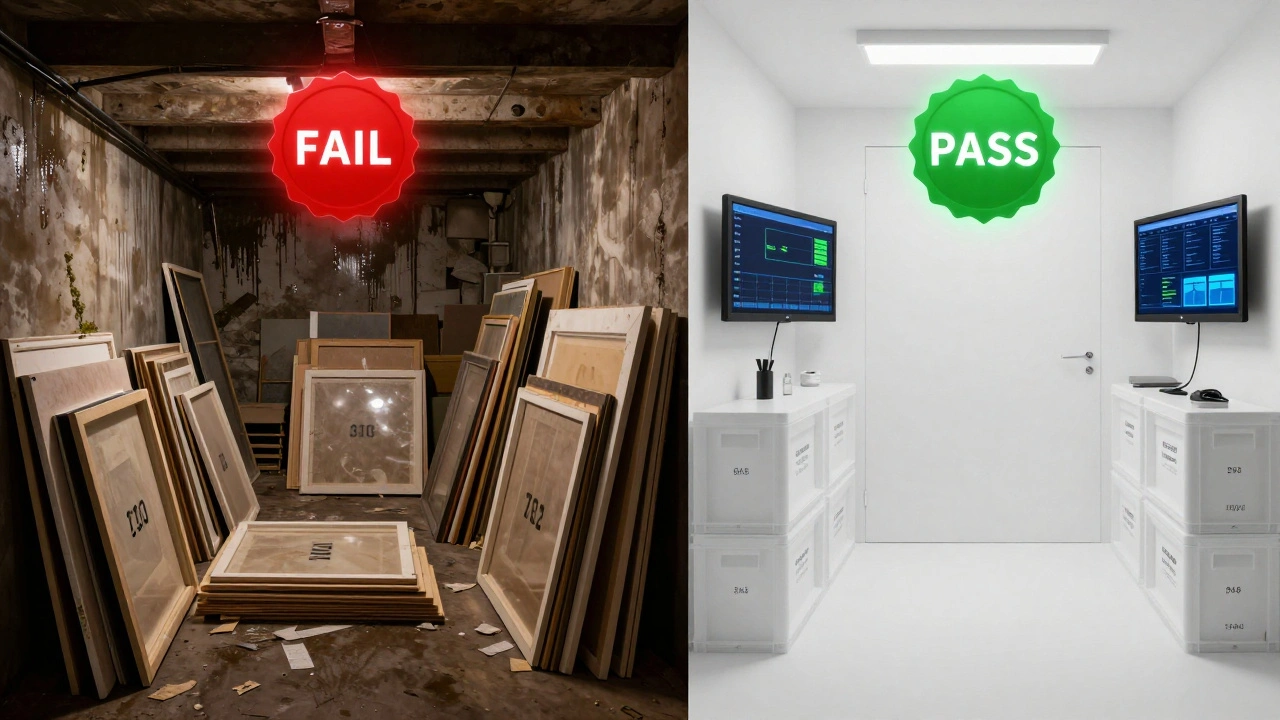
Real-World Example: The New Haven Gallery Case
In late 2024, a small gallery in New Haven lost a 1968 Frank Stella painting during transit. The courier was insured, but the gallery’s claim was denied. Why? The painting’s value on file was $450,000. The auction record showed it sold for $980,000 three months earlier. The gallery hadn’t updated its inventory. The gallery owner had assumed their policy was “good enough.” They didn’t realize their insurer required annual updates. The loss cost them $530,000 out of pocket. They shut down six months later. That could’ve been avoided with a simple audit.How Often Should You Audit?
Don’t wait for your insurer to call. Set your own internal audit schedule:- Monthly: Update inventory and check climate logs
- Quarterly: Review security footage and staff handling
- Biannually: Revisit policy limits and update appraisals
- Annually: Full audit simulation with your insurance broker
Final Thought: It’s Not About Fear-It’s About Control
An insurance audit isn’t a threat. It’s a tool. It tells you exactly where your risks are. It helps you protect what you love. It gives you peace of mind when you know your collection is documented, valued, and secured. If you’re running a gallery, your art isn’t just inventory-it’s legacy. Audits don’t slow you down. They let you move forward without looking over your shoulder.What happens if my gallery fails an insurance audit?
If you fail, you’ll receive a detailed report listing what needs to be fixed-like outdated appraisals, missing climate logs, or unsecured storage. Most insurers give you 60 days to correct the issues and request a re-audit. If you don’t act, your policy may be canceled or modified with exclusions that leave you underinsured. Ignoring the audit is riskier than the audit itself.
Do I need to audit every single piece in my collection?
Yes. Every artwork, regardless of value, must be documented. Even a $500 sketch can be part of a provenance chain that affects insurance. Insurers require full inventory lists. Missing even one piece can trigger a full policy review or denial of a related claim.
Can I use a digital inventory system instead of paper records?
Digital systems are not just accepted-they’re preferred. Platforms like Artwork Archive, ArtLogic, or Artbase are standard in the industry. They allow you to attach photos, appraisals, condition reports, and location data. Insurers often require digital records because they’re searchable, updatable, and harder to lose.
How do I know if my appraiser is qualified?
Look for credentials from the Appraisers Association of America (AAA) or the American Society of Appraisers (ASA). They must have experience with fine art, not just antiques or real estate. Ask for references of past gallery clients. A qualified appraiser will provide a signed, dated report with photos, condition notes, and comparable sales data-not just a handwritten note.
What if I loan art to other galleries or museums?
Loans require a signed agreement that includes insurance terms. Your policy may not cover the artwork while it’s off-site unless the loan contract specifies that the borrowing institution carries adequate coverage or adds your piece to their policy. Always require a copy of their insurance certificate before shipping. Never rely on verbal agreements.