Instagram Marketing for Art Galleries: Visual Storytelling and Growth
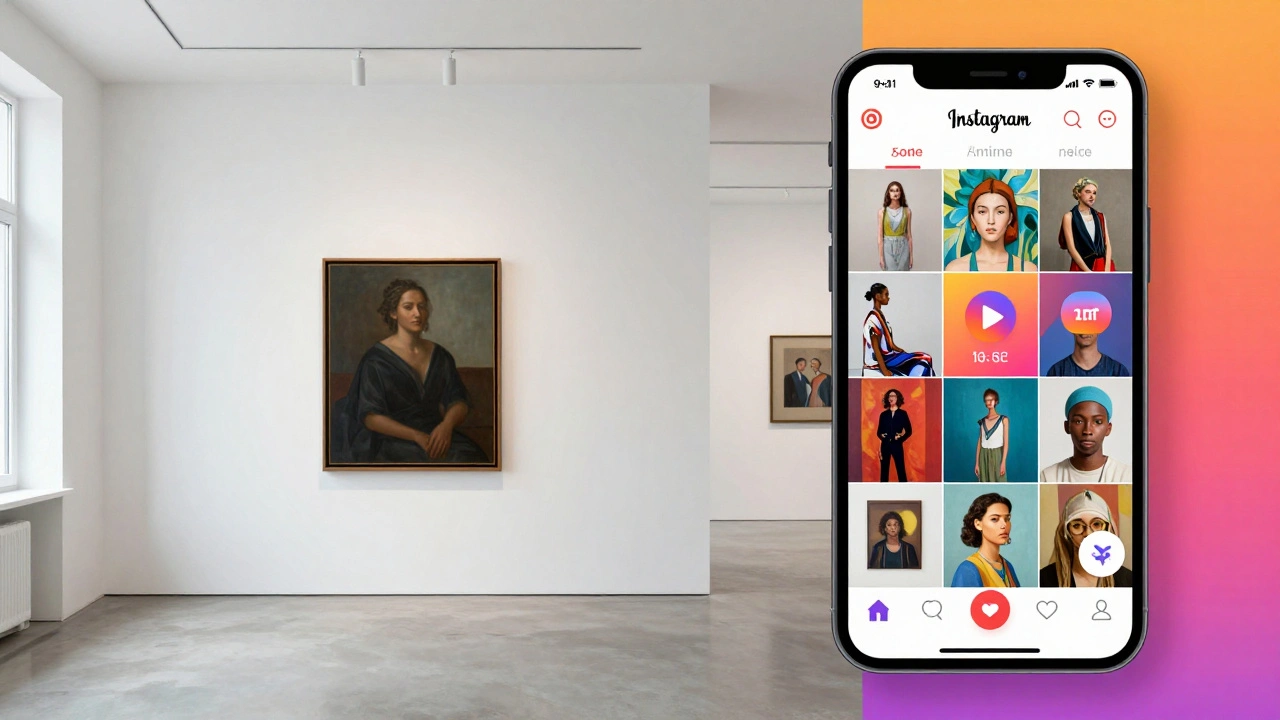
Walk into a traditional art gallery, and you are greeted by silence, white walls, and the smell of fresh paint. Now open your phone. The noise is deafening, the scroll is infinite, and attention spans are shorter than a blink. For years, many curators believed that social media was too casual for fine art. That mindset is costing them serious revenue. In 2026, Instagram marketing for art galleries is not just about posting pretty pictures; it is about building a digital ecosystem where collectors discover, connect, and buy.
The Shift from Physical to Digital Showrooms
The definition of an art gallery has expanded. It is no longer just a physical space in Chelsea or Shoreditch. It is a brand that lives on screens. When a collector sees a painting they love, they do not always have time to visit the studio immediately. They go to Instagram first. If your gallery’s feed looks like a dusty archive, they will scroll past. If it looks like a curated experience, they will stop.
Think of your Instagram profile as your digital showroom. Unlike a physical wall, this space is available 24/7 to a global audience. A buyer in Tokyo can see your latest exhibition in New York instantly. This accessibility removes geographical barriers, allowing smaller regional galleries to compete with major international institutions. The key is consistency. You cannot post three times a week and then disappear for a month. Algorithms reward regularity, and human psychology trusts reliability.
Mastering Visual Storytelling
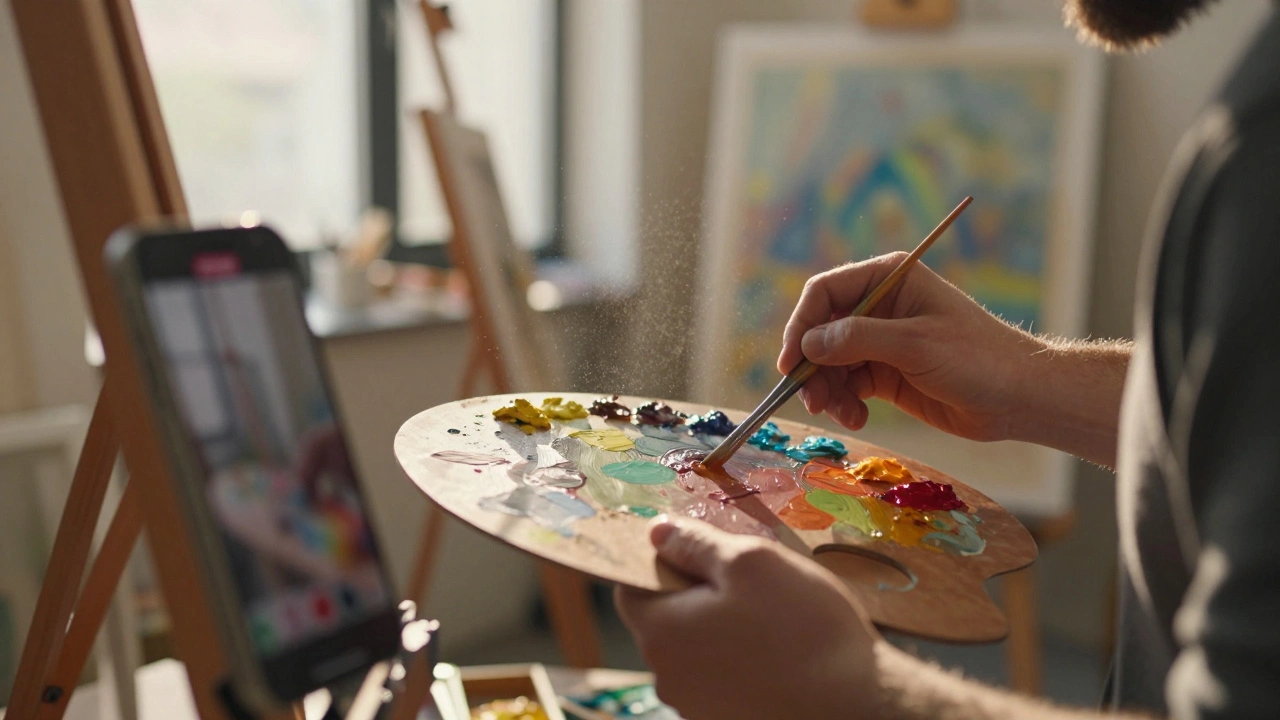
Visual storytelling is the core skill you need to master. Posting a photo of a canvas hanging on a wall is boring. Everyone does that. Instead, tell the story behind the creation. Show the artist mixing paints. Show the texture of the brushstrokes up close. Share the moment the artist steps back and sighs in satisfaction. These moments create an emotional connection that a static image cannot achieve.
Use Instagram Reels to bring your work to life. A 15-second video of light hitting a sculpture at different times of day is more engaging than ten high-resolution photos. Video content drives higher engagement rates because it requires active watching rather than passive scrolling. Keep your captions conversational. Ask questions. Invite followers to share their interpretations. When people comment, they are investing time in your brand, which signals to the algorithm that your content is valuable.
- Show the process: Sketches, clay modeling, or code generation for digital art.
- Highlight the details: Macro shots of textures, signatures, or unique materials.
- Feature the artist: Humanize the creator through interviews or daily routines.
- Curate the context: Explain how the artwork fits into current cultural conversations.
Leveraging Instagram Features for Sales
Instagram is not just a billboard; it is a marketplace. To convert viewers into buyers, you must utilize tools designed for commerce. Instagram Shopping allows you to tag products directly in your posts and stories. When a user taps a tag, they see the price, description, and a direct link to purchase. Friction kills sales. Every extra click between desire and checkout reduces your conversion rate. Make buying as easy as tapping a button.
Use Instagram Stories for urgency and exclusivity. Post a "Sold" sticker next to a piece that just went off the wall. Share a limited-time offer for an upcoming opening reception. Use polls to let followers vote on which color palette you should use for the next installation. This interaction keeps your audience engaged and gives you valuable data about their preferences. Remember, stories disappear after 24 hours, so use them for timely updates, while your grid serves as your permanent portfolio.
Building Community Through Engagement
Growth on Instagram is not a solo act. It requires community building. Reply to every comment within the first hour of posting. This boosts the visibility of your post and makes followers feel valued. Follow other galleries, artists, and collectors in your niche. Engage with their content genuinely. Do not spam generic compliments. Write thoughtful responses that spark conversation. Networking online works the same way as networking offline: be authentic, be helpful, and be present.
Collaborate with influencers and art critics who align with your aesthetic. A shoutout from a respected curator can introduce your gallery to thousands of potential buyers. Host live Q&A sessions with artists during exhibitions. Use Instagram Live to give virtual tours of the gallery when you cannot be there physically. These interactive formats break down the fourth wall, making the gallery feel accessible and welcoming rather than elitist and distant.
Data-Driven Decision Making
Guesswork is expensive. Use Instagram Insights to understand what works. Look at metrics like reach, impressions, saves, and shares. Saves are particularly important for art. When someone saves a post, they intend to look at it again later. This indicates strong interest and potential purchase intent. Analyze which types of content get the most saves and replicate that style. If abstract paintings get more saves than portraits, adjust your curation strategy accordingly.
Track your follower demographics. Where are they located? What age group dominates your audience? This information helps you tailor your messaging. If most of your followers are aged 25-34, use language and references that resonate with that generation. If they are mostly in Europe, schedule your posts for peak hours in those time zones. Data transforms intuition into strategy, ensuring that every effort yields measurable results.
| Content Type | Primary Goal | Best For | Engagement Potential |
|---|---|---|---|
| Static Posts | Portfolio Display | High-quality artwork images | Medium |
| Reels | Reach & Discovery | Process videos, behind-the-scenes | High |
| Stories | Community & Urgency | Daily updates, polls, limited offers | Very High |
| Live Video | Trust & Connection | Q&As, virtual tours, launches | High (Real-time) |

Avoiding Common Pitfalls
Many galleries fail because they treat Instagram like a brochure. They post only finished products without context. This approach feels cold and transactional. Avoid buying followers. Fake numbers hurt your credibility and lower your engagement rate, signaling to the algorithm that your content is irrelevant. Focus on quality over quantity. One powerful post per week is better than seven mediocre ones.
Do not ignore negative comments. Address criticism professionally and publicly if necessary. Transparency builds trust. Also, ensure your bio is clear and actionable. Include a link to your website or online store. Use keywords related to your niche in your name field, such as "Contemporary Art Gallery | Portland." This helps users find you when searching for specific terms.
How often should an art gallery post on Instagram?
Aim for 3-5 posts per week on your main feed, supplemented by daily Stories. Consistency is more important than frequency. Establish a schedule that you can maintain long-term without burning out.
Is Instagram Ads worth it for small galleries?
Yes, if targeted correctly. Start with a small budget ($5-$10 per day) to boost posts featuring new arrivals or upcoming events. Target interests like "fine art," "collectors," and specific artists similar to yours.
How do I handle copyright issues on Instagram?
Always credit the artist clearly in the caption. Use watermarks if necessary, though they can detract from aesthetics. Monitor your account for unauthorized reposts and report them using Instagram's reporting tools.
What is the best time to post for art galleries?
Check your Instagram Insights to see when your specific audience is most active. Generally, weekdays between 11 AM and 1 PM perform well, but this varies by location and demographic.
Can I sell NFTs through Instagram?
Indirectly. Instagram does not support direct NFT transactions. However, you can use Instagram to showcase digital art and drive traffic to external platforms like OpenSea or Foundation where the sale occurs.
Next Steps for Implementation
Start by auditing your current Instagram presence. Delete or hide low-quality posts. Rewrite your bio to clearly state what you offer. Plan your next month of content using a mix of Reels, static posts, and Stories. Engage with five new accounts daily. Track your insights monthly to refine your strategy. Growth takes time, but with consistent effort, your gallery will become a recognizable brand in the digital art world.