Independent Gallery Dynamics: Small Dealer Strategies for 2026

You walk into a white-walled room in Chelsea or Shoreditch. The coffee is free, the lighting is perfect, and the artist’s statement is printed on high-quality cardstock. But behind that polished facade lies a brutal reality: most independent galleries fail within their first five years of operation. It’s not because the art is bad. It’s because the old playbook-wait for collectors to wander in, hope for a sale, and pray the rent doesn’t eat you alive-is broken. In 2026, surviving as a small dealer means abandoning the romantic notion of the passive storefront and embracing a hyper-active, data-driven approach to gallery dynamics.
If you’re running a space with fewer than three employees, you aren’t just selling paintings; you are managing a complex web of relationships, cash flow gaps, and digital noise. The giants like Gagosian or Hauser & Wirth can afford to burn cash for prestige. You can’t. So, how do you stay solvent while keeping your artistic integrity intact? Let’s look at what actually works right now, stripping away the fluff to focus on concrete tactics that move inventory and build lasting patronage.
The Death of the Passive Foot Traffic Model
Remember when location was everything? That era is over. A prime lease in a trendy district no longer guarantees sales; it often just guarantees higher overheads. Independent dealers who survived the post-pandemic shift realized that foot traffic is vanity metric unless it converts. The new strategy is "destination curation." You don’t wait for people to find you; you give them a reason to book an appointment.
This shift requires a fundamental change in how you view your calendar. Instead of being open seven days a week hoping for luck, many successful small dealers have moved to appointment-only or limited-hours models. This allows staff to spend time on outreach rather than standing idle. When a collector knows they have a dedicated slot, the interaction becomes consultative, not transactional. They feel valued, not rushed. And more importantly, you control the narrative of the visit.
- Pre-visit intelligence: Before the client arrives, send them a curated PDF of three artists that match their past acquisitions. This shows you’ve done your homework.
- Post-visit follow-up: Don’t just send a generic "thank you." Send a handwritten note referencing a specific comment they made about a piece’s texture or color palette.
- Exclusivity triggers: Create micro-events (e.g., "Saturday Morning Coffee with Artist X") that require RSVPs. This filters out casual browsers from serious buyers.
Navigating the Hybrid Exhibition Space
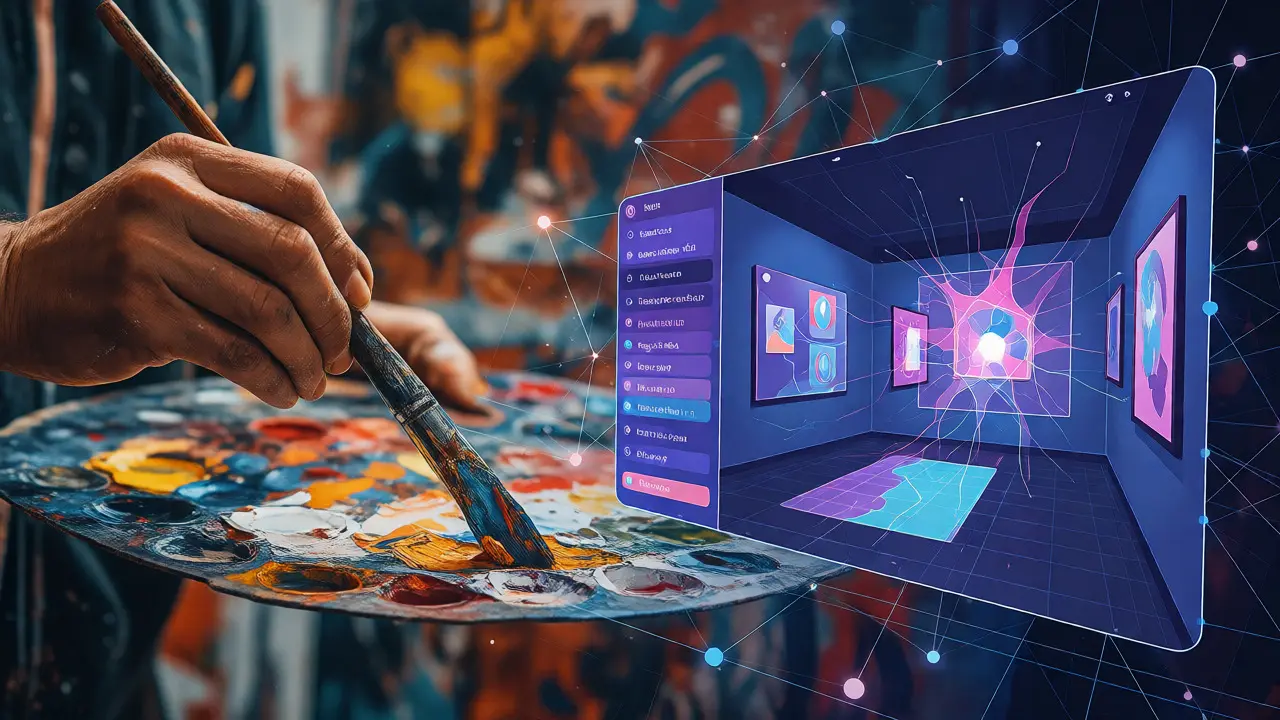
The debate between online and offline is dead. It’s hybrid, period. But here’s where most small dealers get it wrong: they treat their website as a brochure. Your digital presence needs to function as a 24/7 sales agent. In 2026, the integration of virtual viewing rooms isn’t optional-it’s baseline infrastructure. However, the magic happens in how you bridge the gap between the screen and the studio.
Consider the "Digital Teaser, Physical Close" strategy. Use Instagram and TikTok not just for pretty pictures, but for storytelling that highlights the process. Show the clay drying. Show the paint mixing. Show the artist struggling with a concept. Collectors today want access to the creator, not just the product. When you invite them to the physical gallery, frame it as the culmination of a story they’ve been following online. This reduces the friction of buying expensive art because the emotional connection is already established before they step through the door.
Furthermore, leverage technology for inventory management. Tools like Artlogic or Saatchi Art’s dealer platforms allow you to track which pieces users linger on longest. If ten people viewed a specific abstract landscape online but didn’t buy, flag it. Reach out personally to those viewers. Ask them what held them back. Was it price? Framing? Shipping costs? This data is gold. It tells you exactly where your pricing or presentation strategy is misaligned with market expectations.
Financial Resilience Through Diversified Revenue Streams
Cash flow is the silent killer of independent spaces. Relying solely on primary market sales (selling new work directly from the artist) leaves you vulnerable to economic dips. Successful small dealers in 2026 have diversified their income beyond the traditional commission structure. Think of your gallery not just as a shop, but as a service provider.
| Revenue Stream | Margin Potential | Effort Level | Risk Factor |
|---|---|---|---|
| Primary Sales | High (30-50%) | Medium | High (Dependent on artist output) |
| Secondary Market | Variable (10-30%) | High | Medium (Requires provenance research) |
| Art Advisory Fees | Low per unit, High volume | Low | Low (Recurring revenue) |
| Private Viewings/Rentals | Medium | Low | Low (Asset utilization) |
One underutilized tactic is offering paid private viewings. Corporate clients or high-net-worth individuals often need neutral, sophisticated spaces for meetings or networking events. By renting out your gallery floor during off-hours, you cover a significant portion of your monthly rent without selling a single artwork. Additionally, consider introducing a tiered membership model. For a modest annual fee, members get early access to exhibitions, discounts on prints, and invitations to studio visits. This builds a community of loyal supporters who provide predictable income, smoothing out the lumpy nature of art sales.
Artist-Centric Partnerships Over Transactional Deals
In the mid-tier market, your reputation rests entirely on your artists. If they leave, you lose your inventory and your brand identity. The old model of treating artists as vendors is obsolete. Today’s top-performing independent galleries operate as incubators. You are co-investing in their career trajectory.
This means being transparent about finances. Share your marketing spend breakdowns with your represented artists. Show them exactly how much you spent on social ads, catalog printing, or opening night catering. When artists see that you are actively working to elevate their profile, they are less likely to jump ship to a larger gallery that might offer better visibility but less personal attention. Build contracts that reward longevity. Offer sliding scale commissions where the artist keeps a higher percentage after a certain number of years or sales milestones. This aligns your incentives: if they grow, you grow.
Moreover, help your artists navigate the administrative burden. Many talented creators hate paperwork. If you handle their shipping logistics, insurance claims, and tax documentation efficiently, you become indispensable. You’re not just selling their work; you’re removing the friction from their professional lives. That level of service creates loyalty that money alone cannot buy.
Leveraging Local Community for Global Reach
It sounds counterintuitive, but local engagement drives global sales. In an increasingly fragmented digital world, authenticity is the ultimate differentiator. Large international fairs are expensive and impersonal. Small dealers win by becoming hubs for their local creative ecosystems.
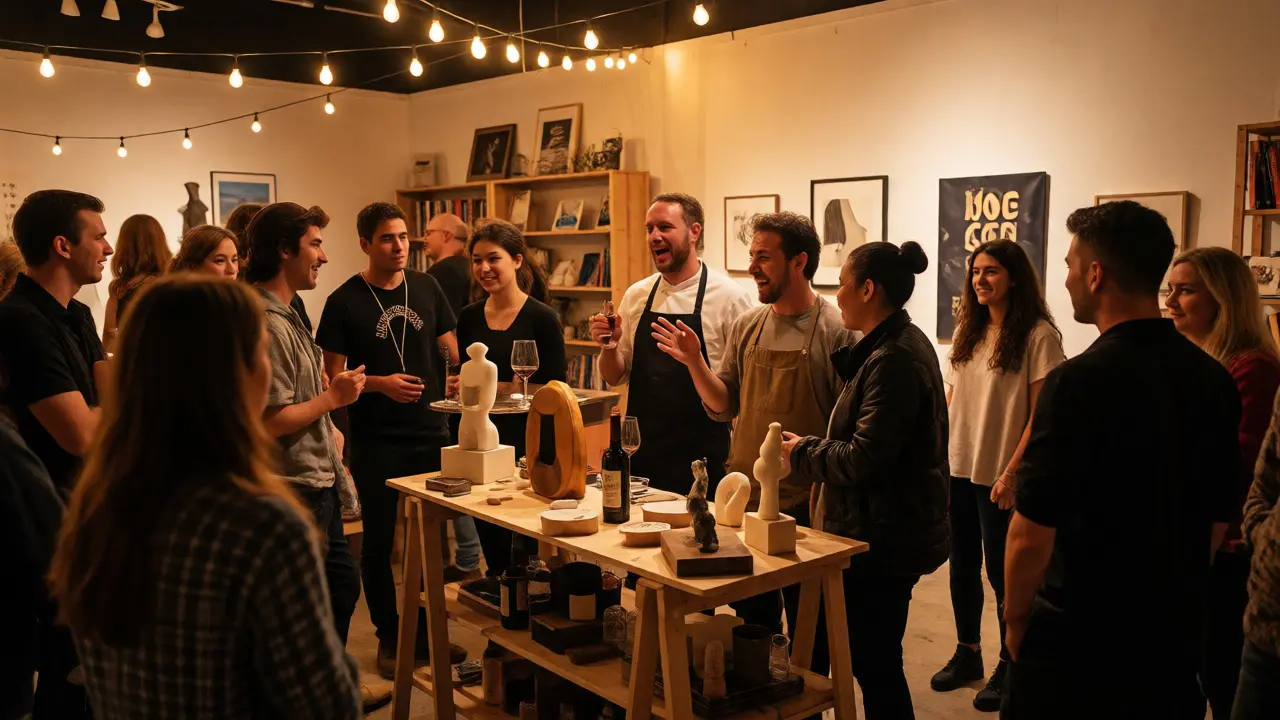
Host cross-disciplinary events. Partner with local chefs for wine-and-art nights. Collaborate with neighborhood boutiques for pop-ups. These events attract people who might never set foot in a traditional gallery but have disposable income and an interest in culture. Once they are inside, they are exposed to your collection. More importantly, these local advocates become word-of-mouth marketers. They tell their friends, who tell their colleagues, some of whom might be international collectors looking for emerging talent.
Don’t underestimate the power of regional press. While national outlets ignore small galleries, local newspapers and niche blogs love covering community stories. Pitch angles that go beyond "new exhibition." Talk about the artist’s inspiration from local history, or the sustainable materials used in the installation. These narratives resonate with journalists looking for human-interest stories, giving you earned media value that would cost thousands in advertising.
Data-Driven Collector Acquisition
Stop guessing who wants to buy art. Start analyzing. Modern CRM systems tailored for the art world allow you to segment your audience based on behavior, not just demographics. Are there collectors who only buy blue-chip names? Focus your outreach elsewhere. Are there young professionals interested in affordable prints? Nurture that segment with targeted email campaigns featuring lower-priced works.
Use predictive analytics to identify potential buyers. If a collector recently bought a piece from a similar style or medium, they are a prime candidate for your next show. Automated alerts can notify you when a tracked artist sells at auction, signaling increased market confidence. Conversely, if a major collector stops engaging with your emails, trigger a re-engagement campaign with exclusive content, such as a video interview with the artist discussing their technique.
Remember, data isn’t cold; it’s empathetic. It helps you respect your collectors’ time and preferences. Sending irrelevant offers erodes trust. Sending timely, relevant suggestions builds authority. Position yourself as a curator of opportunities, not just a seller of objects.
Key Takeaways for 2026
- Shift from passive to active: Move away from relying on foot traffic. Embrace appointment-based models and proactive outreach.
- Hybrid is mandatory: Integrate digital tools seamlessly with physical experiences. Use online data to drive offline sales conversations.
- Diversify income: Reduce reliance on commissions by adding advisory fees, space rentals, and membership models.
- Partner with artists: Treat artists as long-term collaborators. Transparency and administrative support build retention.
- Localize to globalize: Build strong community ties to generate organic buzz and word-of-mouth referrals that reach international buyers.
How many artists should a small independent gallery represent?
Most successful small galleries maintain a roster of 8-12 artists. This number is large enough to offer variety and host regular rotations, but small enough to allow for deep, personalized marketing efforts for each individual. Representing too many dilutes resources; representing too few limits revenue streams.
Is it worth attending major art fairs for a new gallery?
Generally, no, unless you have secured funding or sponsorship. Major fairs like Art Basel or Frieze are extremely costly and competitive. New galleries often achieve better ROI by focusing on regional fairs, online viewing rooms, and building a direct collector base first. Attend major fairs as visitors to network and observe trends before committing to a booth.
How do I price art for my independent gallery?
Pricing should be consistent across all channels (online, in-person, fairs). Base prices on size, medium, and the artist’s previous sales history. A common formula involves calculating production costs plus a margin, then adjusting based on comparable market rates for similar emerging artists. Avoid arbitrary increases; keep increments logical to maintain collector trust.
What is the biggest mistake new gallery owners make?
Underestimating cash flow requirements. Many owners assume sales will happen immediately. In reality, it takes months to build relationships. Ensure you have enough capital to cover 12-18 months of operating expenses without relying on immediate sales. Also, failing to define a clear curatorial niche leads to a confused brand identity.
How important is social media for small galleries?
Critical, but not as a standalone sales channel. Social media serves as discovery and brand-building. It drives traffic to your website and newsletter, where actual conversions happen. Focus on high-quality visuals and authentic storytelling rather than chasing viral trends. Consistency matters more than frequency.