Inclusive Language in Artist Bios: A Practical Guide
Imagine reading an artist's bio that says they are a "self-taught genius" or that their work is "uniquely feminine." Does that sound empowering, or does it feel like a box you didn't ask to be put in? In the world of contemporary art, how we describe creators matters just as much as the work itself. Inclusive language is the practice of using words and phrases that avoid excluding people based on gender, race, ability, age, or background. It’s not about policing speech; it’s about ensuring every reader feels seen and respected.
For artists, curators, and gallery owners, updating your artist bios and artist statements is a low-effort, high-impact move. It signals that your space is welcoming. But where do you start? And how do you strike the balance between being precise and being inclusive without sounding stiff?
Why Your Words Matter More Than You Think
Language shapes perception. When a museum label or a gallery website uses outdated terms, it can alienate the very audience you’re trying to reach. Consider the term "masterpiece." While historically common, it implies a hierarchy where only certain (often male) figures are "masters." Swapping this for "landmark work" or simply "significant piece" keeps the praise but removes the gatekeeping.
This isn’t just political correctness. It’s good communication. Clear, inclusive writing reduces cognitive load for readers. If a viewer has to stop and wonder, "Who is 'he' referring to?" or "What does 'ethnic' mean here?", they’ve lost focus on the art. By using specific, neutral, and respectful terms, you let the artwork speak for itself.
Common Pitfalls to Avoid in Artist Statements
Most artists write their own statements. This is great because it captures their voice. However, some habits creep in that unintentionally exclude others. Here are the big ones:
- Gendered defaults: Using "chairman," "mankind," or "he" when referring to a generic person. Instead, use "chairperson," "humankind," or "they."
- Ability assumptions: Phrases like "able-bodied" or "sitting down" assume everyone walks or sits comfortably. Try "people who walk" or "individuals with mobility devices."
- Racial generalizations: Avoid using "ethnic" as a synonym for non-white. It’s vague and often reductive. Be specific if relevant, or omit the descriptor entirely if it doesn’t add context.
- Ableist metaphors: Saying someone is "crazy" or "blind to the truth" reinforces negative stereotypes about disability. Use "confused" or "unaware" instead.
How to Rewrite Bios for Clarity and Inclusion
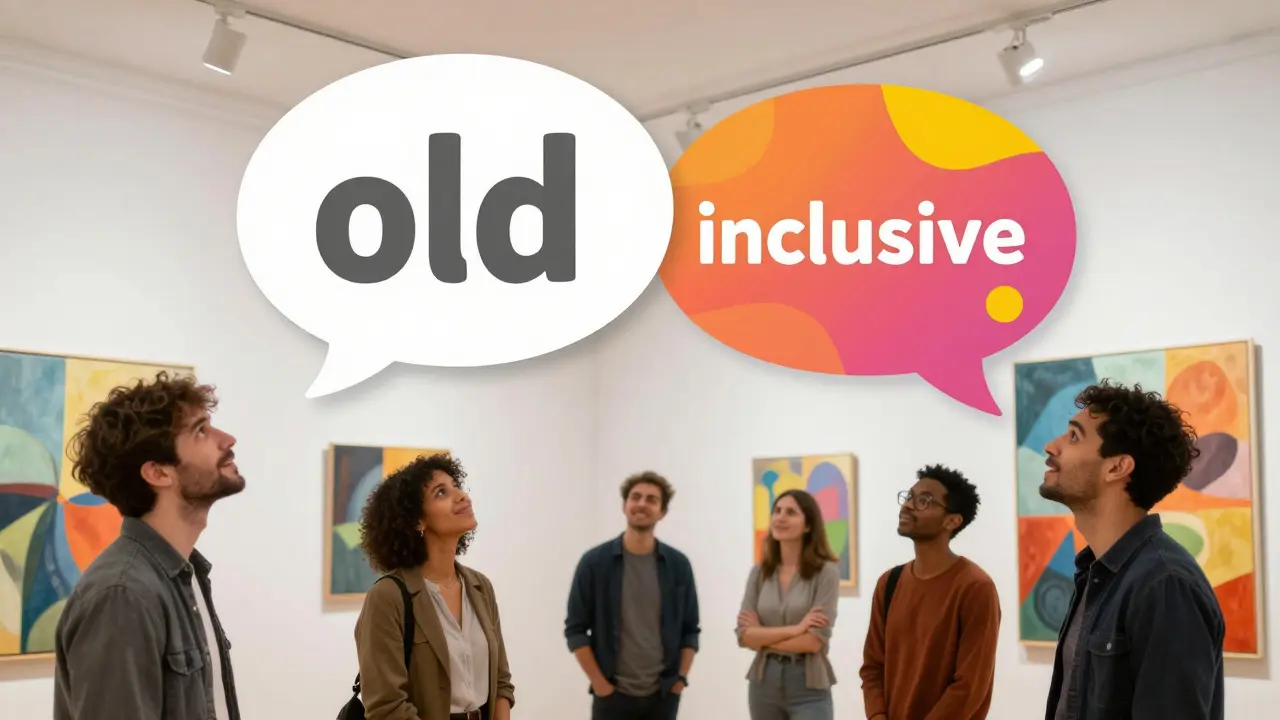
Let’s look at a practical example. Suppose you have a bio that reads: "John is a white male painter from Ohio who started painting after a car accident left him disabled." This is factual, but it leads with identity markers that may not be central to his artistic practice. A more inclusive approach focuses on the work first:
"John is a painter based in Ohio. His large-scale canvases explore themes of resilience and movement, inspired by his experience with physical rehabilitation." This version still provides context but centers the art and the concept rather than the demographic data point. It invites curiosity about the work, not just the person’s history.
The Role of Pronouns and Names
Pronouns are one of the easiest ways to show respect. Always include preferred pronouns in official bios. If you don’t know them, ask politely. Don’t guess based on appearance. For third-person bios, use "they/them" as a singular neutral option when appropriate, or list all options (e.g., she/her/they).
Name order also matters. In Western contexts, we usually list First Name Last Name. In other cultures, the family name comes first. If you’re working with international artists, confirm their preferred format. Getting this wrong is a small detail, but it shows you care about their identity.
Building a Checklist for Consistency
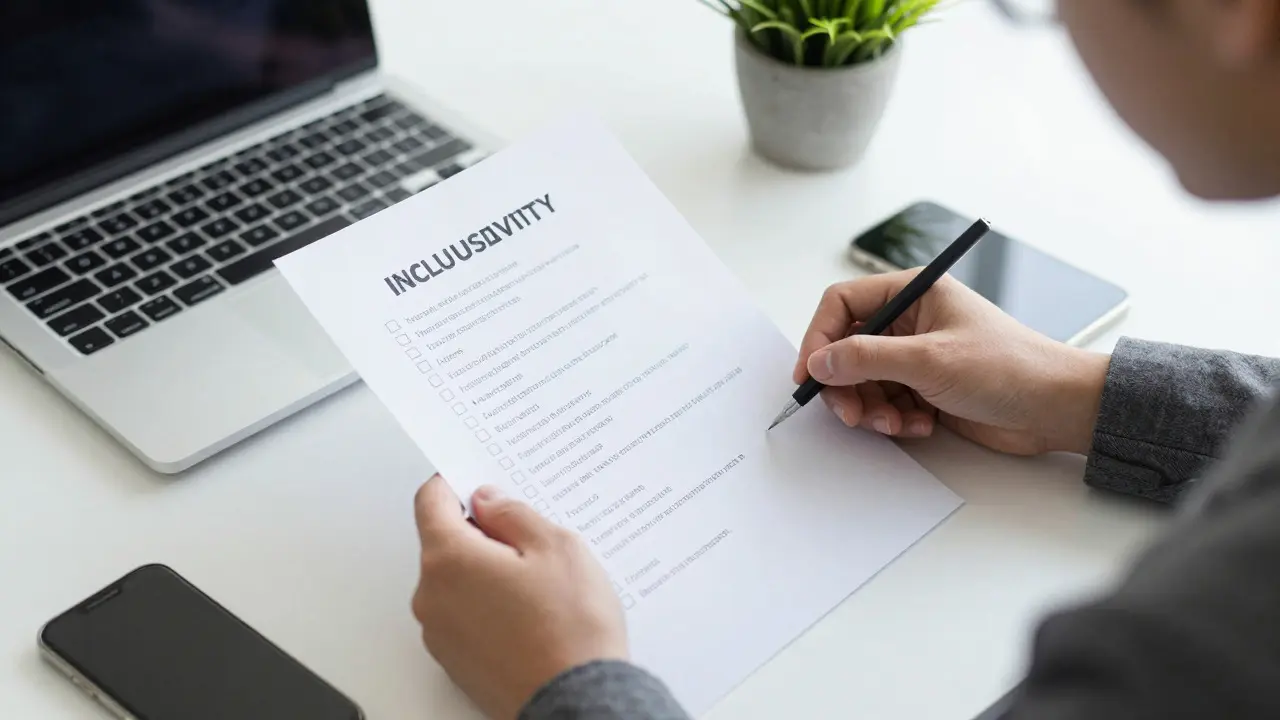
To make this sustainable, create a simple checklist for your team or yourself. Before publishing any new bio or statement, run through these points:
- Have I used gender-neutral terms where applicable?
- Are pronouns included and accurate?
- Do I avoid ableist or racialized jargon?
- Is the focus on the artist’s practice and impact?
- Have I read it aloud to check for flow and tone?
This takes less than five minutes but prevents costly oversights. Over time, it becomes second nature.
FAQs About Inclusive Language in Art
Does inclusive language limit creative freedom?
No. Inclusive language clarifies meaning. It removes barriers so the audience can focus on the message. Precision enhances creativity rather than stifling it.
Should I always mention an artist’s race or gender?
Only if it’s directly relevant to understanding the work or the artist’s intent. Otherwise, let the art stand on its own merit. Context should serve the narrative, not define the person.
What if the artist prefers traditional terms?
Respect the artist’s preference. Inclusive language is a tool for connection, not a mandate. If they prefer "master," use it. The goal is mutual respect.
How do I handle historical bios?
Use modern inclusive language for present-day descriptions, but keep historical accuracy for past events. You can note that terminology reflects the era while using current standards for analysis.
Where can I find resources for training?
Many museums and arts organizations offer free webinars on inclusive curation. Local libraries often host workshops too. Start with internal discussions to build shared understanding.