How to Write Art Gallery Press Releases That Get Coverage
Most art galleries send out press releases that get ignored. Not because the shows aren’t great, but because the press releases sound like every other one. If you want real media coverage - not just a spam folder entry - you need to write something that stands out. Not with fancy words. Not with long paragraphs. But with clarity, context, and a human voice.
Start with the right subject line
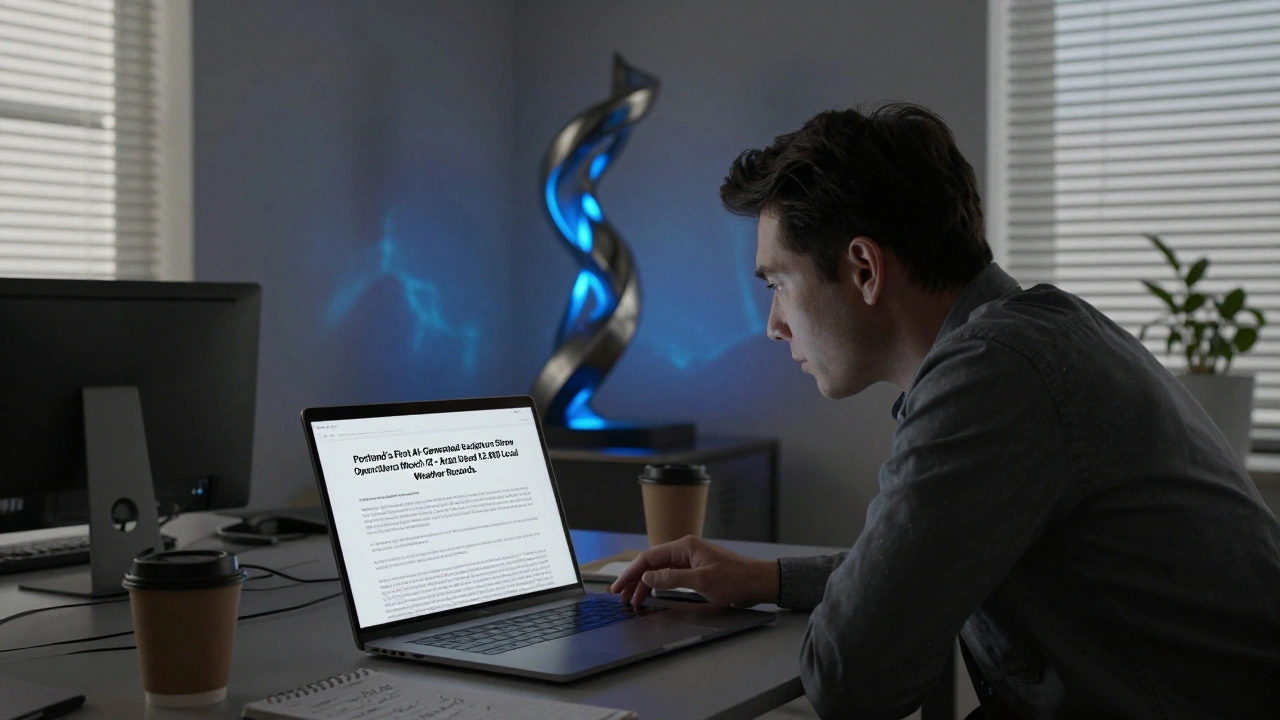
Your subject line is the first thing a journalist sees. If it’s vague, it gets deleted. If it’s too salesy, it gets flagged. The best subject lines answer two questions fast: What’s happening and Why should I care. Instead of: > “New Exhibition Opening at Greenfield Gallery” Try: > “Portland’s First AI-Generated Sculpture Show Opens March 12 - Artist Used 12,000 Local Weather Records” The second one tells you the location, the uniqueness, the date, and a surprising detail. Journalists in Portland will open that. Journalists covering tech + art will open that. Someone in New York might even forward it to a colleague.Lead with the story, not the facts
Most gallery press releases open with: “Greenfield Gallery is pleased to announce...” Then they list the artist’s degrees, past shows, and materials used. That’s not a story. That’s a CV. Journalists don’t want to read resumes. They want to know: What’s new? What’s surprising? What’s happening here that no one else is doing? Start with the hook: > “When artist Lena Ruiz started collecting rain data from Portland’s 2025 storms, she didn’t expect it to become a 30-foot sculpture. But after feeding 12,000 weather logs into a custom algorithm, the result - a twisting metal form that changes shape under UV light - became the centerpiece of her first solo show.” Now you’ve got a narrative. You’ve got emotion. You’ve got something visual. Now you can mention the gallery, the dates, and the artist’s background - but only after you’ve grabbed attention.Include real quotes - not PR fluff
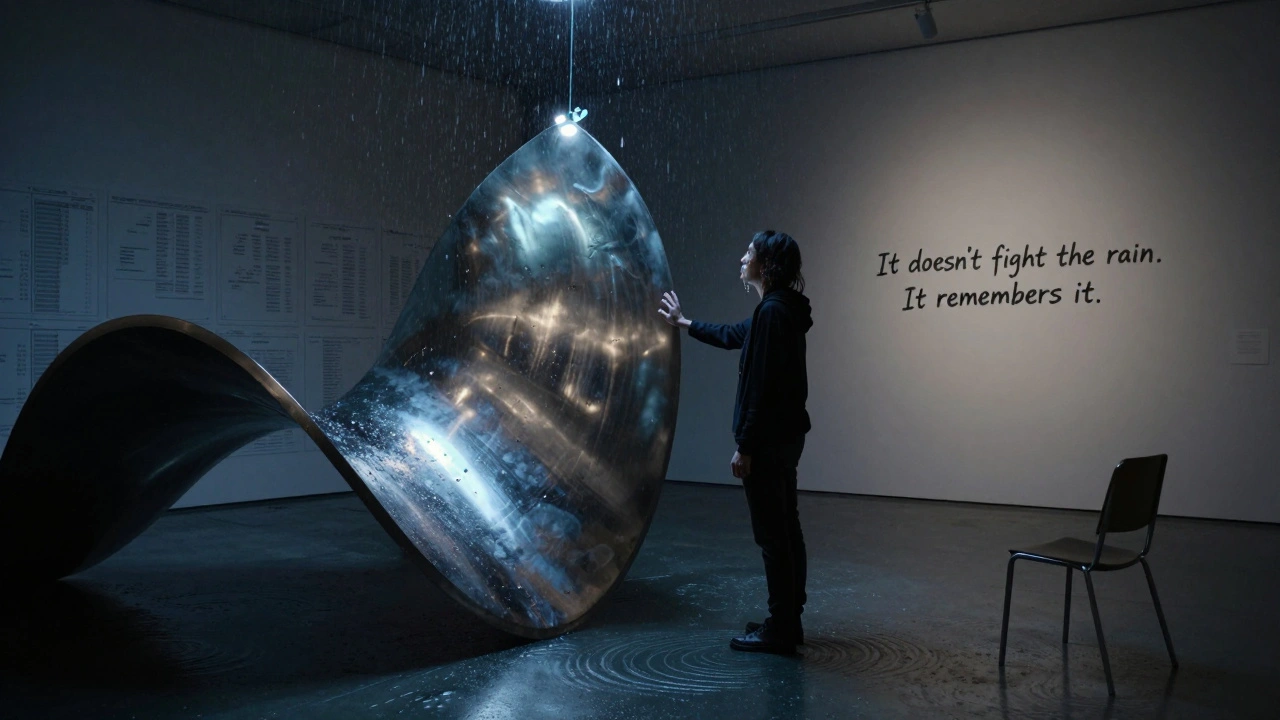
Don’t write quotes like: > “This exhibition represents a pivotal moment in contemporary art.” That’s meaningless. Journalists have heard it a thousand times. Instead, pull from actual conversations. Ask the artist: “What surprised you during this process?” “What do you hope people feel when they walk in?” Here’s a real example from a gallery in Portland: > “I kept thinking about how we treat weather like something to control - umbrellas, AC, heating systems. But this sculpture? It doesn’t fight the rain. It remembers it. And that made me cry the first time I saw it.” - Lena Ruiz, Artist That’s human. That’s relatable. That’s the kind of quote a writer will copy-paste into their article.Make it easy to cover
Journalists are busy. If you want coverage, you have to remove friction. That means:- Include high-res images (300 dpi, JPEG or TIFF) with clear filenames: LenaRuiz_Sculpture_01.jpg - not IMG_1234.jpg
- Link to a press kit page with all assets - not a Google Drive folder
- Give exact dates, times, addresses, and parking info
- Offer a 10-minute interview slot with the artist - don’t just say “available upon request”
- Artist photo (with caption)
- Exhibition dates and hours
- Three key quotes
- One sentence on why it’s newsworthy
- Press contact name and direct email
Target the right people
Don’t blast every arts editor in the country. You’ll get ignored. Instead, build a short list. Look for journalists who:- Have covered similar shows in the last 12 months
- Write about local culture, tech + art, or emerging media
- Have a following on Instagram or Substack
Timing matters more than you think
Sending a press release the day before an opening? Too late. Sending it three weeks before? Too early. The sweet spot: 10 to 14 days before opening. That gives journalists time to plan, schedule shoots, and write. If your show opens on a Friday, send the release on the previous Monday. That’s when editors are planning their week. And never send on a Monday morning or Friday afternoon. Nobody’s paying attention.Follow up - but not like a robot
If you haven’t heard back in 5 days, send one email. Not a reminder. Not a “just checking in.” Say: > “Hi Alex - just wanted to share one more thing: Lena’s sculpture will be on display under UV lighting for the first hour of the opening. It’s when the form shifts the most - almost like the weather is breathing. I thought that might be a cool visual for your readers.” Then stop. If they’re interested, they’ll reply. If not, move on.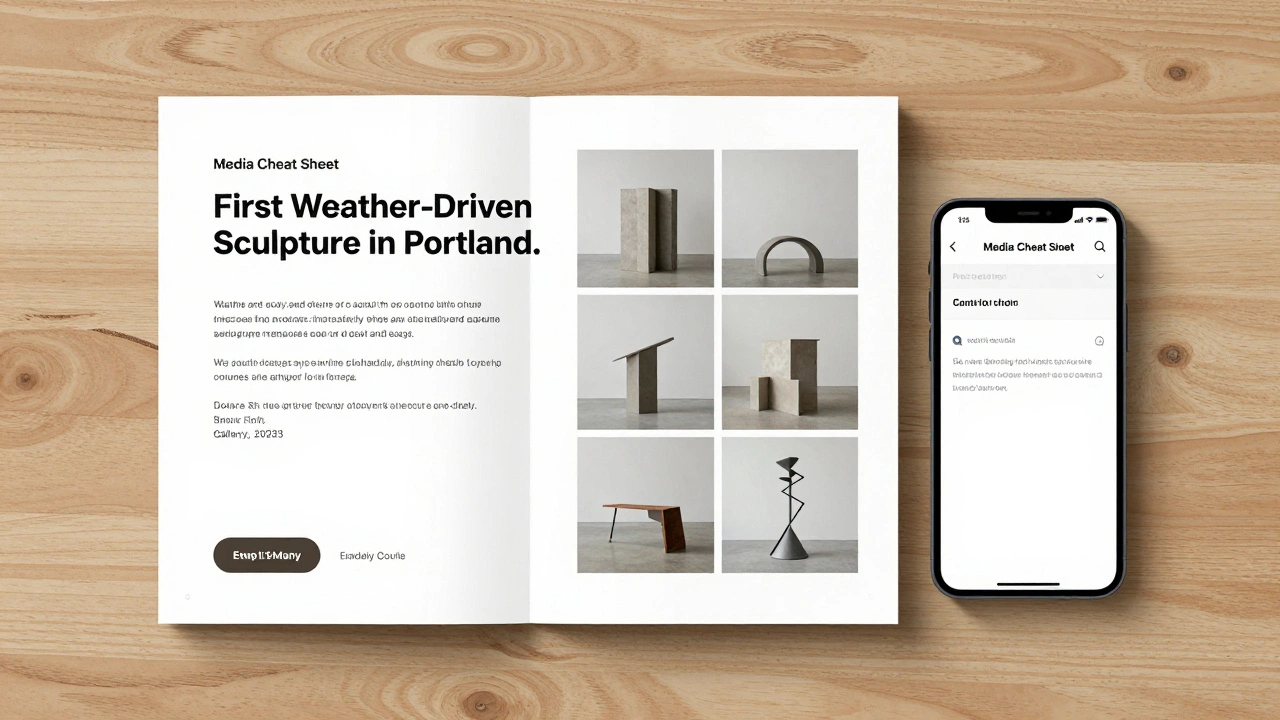
Track what works
Keep a simple log:- Which shows got coverage?
- Which press releases got opened?
- Which journalists replied?
What not to do
- Don’t use terms like “groundbreaking,” “visionary,” or “must-see.” They mean nothing.
- Don’t bury the lead. If the artist is a Pulitzer finalist, mention it in paragraph one - not paragraph five.
- Don’t write in passive voice. “The exhibition will be held by the gallery” → “The gallery is hosting.”
- Don’t forget to include the gallery’s website and social handles. Always.
Final checklist
Before you hit send:- Does the subject line make someone curious?
- Does the first paragraph answer: What’s new? Why now? Why here?
- Is there at least one real, emotional quote?
- Are images included with clear filenames?
- Are dates, times, and location exact?
- Is the press contact info correct and direct?
- Did you send it to 5-7 specific people - not 200?
How long should an art gallery press release be?
Keep it under 400 words. Journalists skim. Lead with the story, then add essential details: dates, location, artist bio, contact info. Anything longer than a page gets cut. The goal isn’t to tell everything - it’s to make them want to learn more.
Should I send press releases to national outlets or local ones?
Start local. Local journalists cover what’s happening in their community - and they’re more likely to write about a show they can visit. If your show has a strong hook - like using AI, climate data, or community input - then national outlets like Hyperallergic, ARTnews, or even The New York Times’ arts section might pick it up. But only after local coverage proves there’s real interest.
Can I use AI to write my press release?
You can use AI to draft, but never send it as-is. AI writes generic. It says things like “a dynamic exploration of form and meaning.” That’s noise. What works is human detail - a quote from the artist, a specific material, a surprising process. Use AI to organize your thoughts, then rewrite it with real voice and real facts.
Do I need to send a PDF or just an email?
Send the press release as plain text in the email body. Attach a high-res image folder and a one-page PDF with key details (artist photo, dates, quotes). Most journalists prefer to copy-paste from email, not download files. If you make it easy, they’ll use it.
What if no one responds?
Don’t panic. Try sending to different journalists. Or tweak your subject line. Maybe the show isn’t as unique as you think - or maybe you’re not explaining why it matters. Ask a friend who doesn’t work in art: “What’s the one thing you’d remember about this show?” If they can’t answer, go back and make the story clearer.